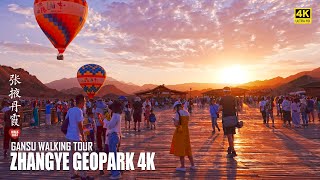
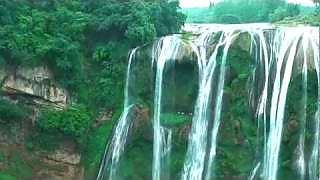
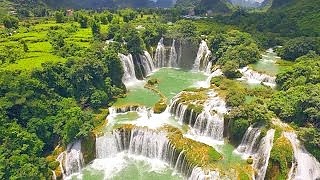
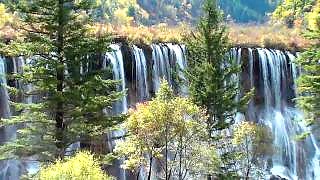
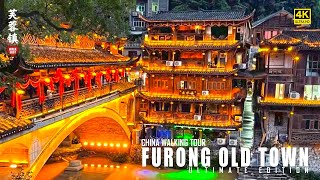
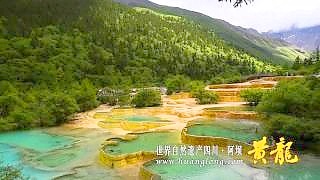
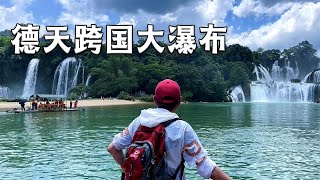
A natural heritage 5 star scenic area ...
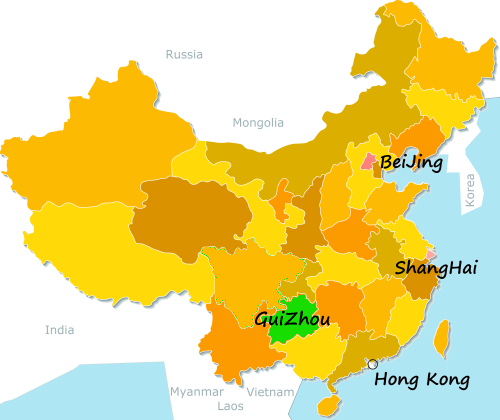
[640],shadow=true,start=,stop=GuiZhou map
Live more ...
 DanXia Waterfalls in ChiShui, GuiZhou province
A natural heritage 5 star scenic area ...
[640],shadow=true,start=,stop=
|
|

|
GuangZhou: 20 Kid-Friendly Places to Visit
Canton Tower (广州塔 Guǎngzhōu Tǎ): Enjoy panoramic views of the city from one of the tallest towers in the world.
Chimelong Paradise (长隆欢乐世界 Chánglóng Huānlè Shìjiè): Have fun with thrilling rides and entertainment for kids of all ages.
Chimelong Safari Park (长隆野生动物园 Chánglóng Yěshēng Dòngwùyuán): See a variety of animals up close in this large safari park.
Yuexiu Park (越秀公园 Yuèxiù Gōngyuán): Explore the lush greenery and iconic Five Ram Statue in this historic park.
Guangzhou Zoo (广州动物园 Guǎngzhōu Dòngwùyuán): Visit the zoo to see pandas, elephants, and other animals.
Haizhu Lake (海珠湖 Hǎizhū Hú): Take a leisurely stroll or enjoy boat rides on this picturesque lake.
Guangzhou Children's Museum (广州儿童博物馆 Guǎngzhōu Értóng Bówùguǎn): Interactive museum with exhibits designed for children.
Chimelong Water Park (长隆水上乐园 Chánglóng Shuǐshàng Lèyuán): Cool off in this water park featuring slides and pools.
Guangzhou Science City (广州科学城 Guǎngzhōu Kēxué Chéng): Learn about science through interactive exhibits and demonstrations.
Baiyun Mountain (白云山 Báiyún Shān): Hike or take a cable car to enjoy stunning views of the city from the mountain.
Guangzhou Ocean World (广州海洋世界 Guǎngzhōu Hǎiyáng Shìjiè): Explore marine life and watch exciting performances at this aquarium.
Guangzhou Library (广州图书馆 Guǎngzhōu Túshūguǎn): Discover a wide range of books and resources in this modern library.
Redtory Art and Design Factory (红专厂 Hóngzhuānchǎng): Explore art galleries and creative spaces in this former factory complex.
Guangzhou Crocodile Park (广州鳄鱼园 Guǎngzhōu Èyú Yuán): See a variety of crocodile species and learn about their habitats.
Haixinsha Island (海心沙岛 Hǎixīnshā Dǎo): Enjoy scenic views and outdoor activities on this artificial island along the Pearl River.
Guangdong Museum (广东省博物馆 Guǎngdōng Shěng Bówùguǎn): Explore the history and culture of Guangdong Province through exhibits and artifacts.
Guangzhou Children's Park (广州儿童公园 Guǎngzhōu Értóng Gōngyuán): Enjoy playgrounds, rides, and family-friendly activities in this park.
South China Botanical Garden (华南植物园 Huánán Zhíwùyuán): Explore diverse plant collections and enjoy nature walks in this botanical garden.
Guangzhou Sculpture Park (广州雕塑公园 Guǎngzhōu Diāosù Gōngyuán): Admire sculptures and art installations in this outdoor park.
Baiyun International Convention Center (白云国际会议中心 Báiyún Guójì Huìyì Zhōngxīn): Attend events or explore the architectural marvels of this convention center.
30 More Places to Visit in GuangZhou
Shamian Island (沙面岛 Shāmiàn Dǎo): Explore colonial architecture and tranquil surroundings on this historic island.
Chen Clan Ancestral Hall (陈家祠 Chén Jiā Cí): Admire intricate architecture and traditional art in this ancestral hall.
Guangzhou Opera House (广州大剧院 Guǎngzhōu Dàjùyuàn): Attend performances or admire the futuristic design of this opera house.
Shangxiajiu Pedestrian Street (上下九步行街 Shàngxiàjiǔ Bùxíng Jiē): Shop for souvenirs and enjoy local delicacies on this bustling street.
Guangzhou Museum of Art (广州艺术博物馆 Guǎngzhōu Yìshù Bówùguǎn): Discover contemporary Chinese art in this museum.
Guangzhou Tower (小蛮腰 Xiǎo Mán Yāo): Visit this landmark tower for panoramic views and a revolving restaurant.
Temple of the Six Banyan Trees (六榕寺 Liùróng Sì): Explore Buddhist art and architecture in this historic temple.
Guangzhou Museum (广州博物馆 Guǎngzhōu Bówùguǎn): Learn about the history and culture of Guangzhou through exhibits and artifacts.
White Cloud Mountain (白云山 Báiyún Shān): Hike or take a cable car to enjoy scenic views and explore caves.
Guangzhou Opera House (广州大剧院 Guǎngzhōu Dàjùyuàn): Attend performances or admire the futuristic design of this opera house.
Shangxiajiu Pedestrian Street (上下九步行街 Shàngxiàjiǔ Bùxíng Jiē): Shop for souvenirs and enjoy local delicacies on this bustling street.
Guangzhou Museum of Art (广州艺术博物馆 Guǎngzhōu Yìshù Bówùguǎn): Discover contemporary Chinese art in this museum.
Guangzhou Tower (小蛮腰 Xiǎo Mán Yāo): Visit this landmark tower for panoramic views and a revolving restaurant.
Temple of the Six Banyan Trees (六榕寺 Liùróng Sì): Explore Buddhist art and architecture in this historic temple.
Guangzhou Museum (广州博物馆 Guǎngzhōu Bówùguǎn): Learn about the history and culture of Guangzhou through exhibits and artifacts.
White Cloud Mountain (白云山 Báiyún Shān): Hike or take a cable car to enjoy scenic views and explore caves.
Guangzhou Flower City Square (花城广场 Huāchéng Guǎngchǎng): Enjoy the vibrant atmosphere and floral displays in this city square.
Guangzhou Chimelong Golf Club (广州长隆高尔夫俱乐部 Guǎngzhōu Chánglóng Gāo'ěrfū Jùlèbù): Play golf and enjoy luxurious amenities at this golf club.
Guangzhou Library (广州图书馆 Guǎngzhōu Túshūguǎn): Discover a wide range of books and resources in this modern library.
Guangzhou Opera House (广州大剧院 Guǎngzhōu Dàjùyuàn): Attend performances or admire the futuristic design of this opera house.
Shangxiajiu Pedestrian Street (上下九步行街 Shàngxiàjiǔ Bùxíng Jiē): Shop for souvenirs and enjoy local delicacies on this bustling street.
Guangzhou Museum of Art (广州艺术博物馆 Guǎngzhōu Yìshù Bówùguǎn): Discover contemporary Chinese art in this museum.
Guangzhou Tower (小蛮腰 Xiǎo Mán Yāo): Visit this landmark tower for panoramic views and a revolving restaurant.
Temple of the Six Banyan Trees (六榕寺 Liùróng Sì): Explore Buddhist art and architecture in this historic temple.
Guangzhou Museum (广州博物馆 Guǎngzhōu Bówùguǎn): Learn about the history and culture of Guangzhou through exhibits and artifacts.
White Cloud Mountain (白云山 Báiyún Shān): Hike or take a cable car to enjoy scenic views and explore caves.
Guangzhou Flower City Square (花城广场 Huāchéng Guǎngchǎng): Enjoy the vibrant atmosphere and floral displays in this city square.
Guangzhou Chimelong Golf Club (广州长隆高尔夫俱乐部 Guǎngzhōu Chánglóng Gāo'ěrfū Jùlèbù): Play golf and enjoy luxurious amenities at this golf club.
|
|
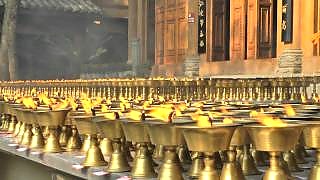
The Giant Buddha is located at the confluence of three rivers, near LeShan city in SiChuan province.
The film also has scenes from nearby countryside and temples.
A beautiful video ...
|
|
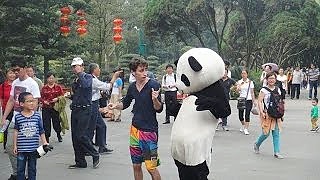
Foreign exchange student Jake 'dancing' through BeiJing, ChengDu, Xi'An, Lhasa, YangShuo, ZhangJiaJie, ShangHai, FengHuang and Hong Kong.
A fun film ...
|

|
With Brian Berletic / The New Atlas ...
On the US drone strike in Syria that killed many civilians - with Democracy Now ...
On Cambodia ...
On China and the U.S. ...
On Iran, with Democracy Now ...
A documentary on the assassination of President John F. Kennedy, November 22, 1963 ...
On the 'diplomatic boycott' of the Beijing Winter Olympics by the 5-eyes imperialists ...
On Julian Assange and the Uk to US extradition ...
On Syria, with The Grayzone ...
On Canada's 'boycott' of the BeiJing Winter Olympics - with numuves ...
Meanwhile ... ShenZhou-13 - 1st space lecture from the TianGong Space Station 中国空间站天宫课堂第一课 ...
High speed rail link to the BeiJing Winter Olympics ...
... more to come, as ever; so check back on this post later, and see all the updates in earlier parts ...
|
|
With Rafa Goes Around! ...
|

|
With JHMedium ...
|

|
Rough-cut version - a polished version will appear here some day ...
Bonus films - 'One day in BeiJing', 'a 17 hours cycle ride around DongCheng, central BeiJing' and BeiJing's unicycle acrobatic stars on French TV; wow - awesome ...
Love - is the only way ...
|
|
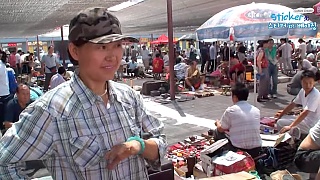
Sticker Travel visit PanJiaYuan curio market, join the fun at the Temple of Heaven park, then head over to ShiChaHai to relax in a lakeside bar at QianHai ...
|