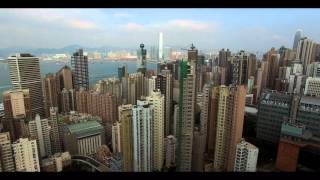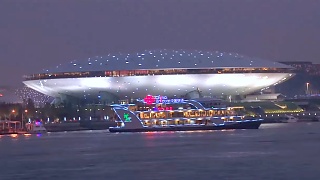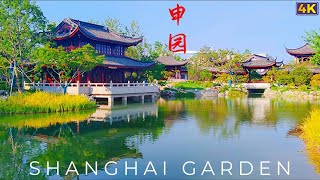
The main pavilions at the ShangHai 上海 World Expo

The China pavilion and the Urbanisation pavilion.


'Better City, Better Life' : 1st May to 31st October 2010.


[640],shadow=true,start=108,stop=

Shanghai is one of China's most dynamic and cosmopolitan cities, blending a rich history with modern skyscrapers and vibrant culture. Here's what you need to know as a tourist visiting Shanghai:

Historical and Cultural Landmarks:
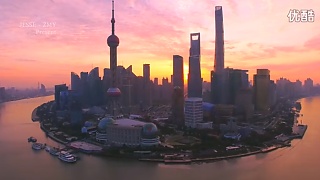
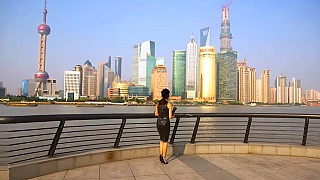
The Bund: This iconic waterfront promenade along the Huangpu River features colonial-era buildings on one side and futuristic skyscrapers on the other, offering stunning views of Shanghai's skyline.

Yu Garden: Dating back to the Ming dynasty, Yu Garden is a classical Chinese garden with pavilions, ponds, and rockeries. The nearby Yu Garden Bazaar is a great place to shop for souvenirs and traditional crafts.

Shanghai Museum: Home to an extensive collection of Chinese art and artifacts, including bronzes, ceramics, paintings, and calligraphy, the Shanghai Museum is a must-visit for history and art enthusiasts.

Jing'an Temple: One of Shanghai's most famous Buddhist temples, Jing'an Temple is known for its beautiful architecture, peaceful atmosphere, and towering golden Buddha statue.

Modern Attractions:
Shanghai Tower: Ascend to the observation deck of this iconic skyscraper, the tallest in China and the second-tallest in the world, for panoramic views of the city.

The Oriental Pearl TV Tower: Another iconic landmark, this futuristic tower offers observation decks, a glass-bottomed skywalk, and a revolving restaurant.

Shanghai Disneyland: Located in the Pudong district, Shanghai Disneyland offers a magical experience for visitors of all ages with its themed lands, attractions, and entertainment.

Shopping and Entertainment:
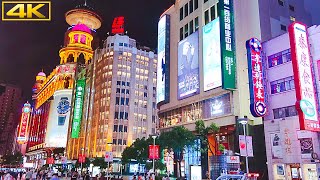
Nanjing Road: One of the world's busiest shopping streets, Nanjing Road is lined with department stores, boutiques, and restaurants. Don't miss the nearby pedestrian-friendly Nanjing Road East, known for its lively atmosphere and street performers.

Xintiandi: This upscale shopping, dining, and entertainment district features a mix of traditional Shikumen-style buildings and modern amenities, making it a popular destination for locals and tourists alike.

French Concession: Explore this historic neighborhood known for its tree-lined streets, charming cafes, boutiques, and art galleries.

Culinary Delights:
Shanghai Cuisine: Sample local specialties such as xiaolongbao (soup dumplings), shengjianbao (pan-fried dumplings), and Shanghai-style noodles.

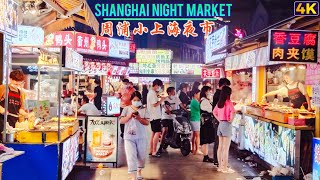
Street Food: Wander through the city's bustling food markets and snack streets to taste a variety of street foods, from savory pancakes to grilled skewers.

Practical Tips:
Transportation: Shanghai has an efficient public transportation system, including the subway, buses, and taxis. Consider purchasing a rechargeable transportation card for convenience.

Language: While Mandarin is the official language, English is widely spoken in tourist areas, hotels, and restaurants.

Weather: Shanghai experiences four distinct seasons, with hot, humid summers and chilly winters. The best times to visit are spring (March to May) and autumn (September to November) when the weather is mild and comfortable.

Etiquette: Respect local customs and traditions, such as using polite language and avoiding loud behavior in public places.

Shanghai offers a captivating blend of old and new, with its historic landmarks, modern skyscrapers, vibrant culture, and delectable cuisine. Whether you're interested in history, architecture, shopping, or dining, Shanghai has something to offer every type of visitor.
Related Videos


Featured Videos

Spring Festival traditional music excerpt
Traditional Chinese instruments, plus ballet from Ukraine. Beautiful ...
The ruins of the Western-style palaces at YuanMingYuan 圆明园, BeiJing
YuanMingYuan, also known as the 'Old Summer Palace', was constructed during the 18th and early 19th century and was a wonderland of lakes and waterways, bridges, hills and pavilions. One third of the ground of YuanMingYuan was taken up by over 200 small hills with steep sides, secluded valleys, rock walls and stone caves. Half of the garderns are covered by the waters of lakes, winding streams and ponds. It was at YuanMingYuan that the emperors of the Qing Dynasty resided and handled government affairs - until it was destroyed; the Forbidden City was mostly used only for formal ceremonies at this time. The southern part of YuanMingYuan was where emperors handled state affairs, while the other parts were primarily for personal use and comprised of more than 150 scenic spots, involving rare exotic flowers and trees from different parts of the country. There were originally towers, terraces, pavilions, halls, corridors, pagodas and bridges with a total construction area of 150,000 square meters - corresponding in scale to that of the Imperial Palace. Artisans were recruited from all over China to enact the exquisite settings. The various styles of architecture, standing encircled by hills and rivulets, presented a most picturesque view. Many were reproductions of scenic mountains, rivers and famous gardens in China (mostly southern China). During his many tours of the country, emperor QianLong made it a point to have pictures of famous gardens and scenes drawn so that he could have replicas built in Beijing. Most famous of these were the ten scenic spots of the West Lake in HangZhou. The Old Summer Palace is often associated with the European-style palaces (Xi Yang Lou) that were built of stone. The designers of those structures, the Jesuits Giuseppe Castiglione and Michel Benoist, were employed by emperor QianLong to satisfy his taste for exotic buildings and objects. However, more than 95% of the Imperial Gardens consisted of essentially Chinese-style buildings. There were also a few buildings in Tibetan and Mongolian styles, reflecting the diversity of the Qing empire. In addition, hundreds of invaluable Chinese art masterpieces and antiquities were stored in the halls, including some unique copies of literary works and collections. In 1860, during the 'Second Opium War', the British and French expeditionary forces looted the Old Summer Palace. Later, on October 18 1860, a British general - despite protestations from the French (who in fact had began the looting) - gave the order to set fire to the huge complex, which burned to the ground. In 1900, those buildings that had partly survived or been restored were burnt for good by the Western expeditionary forces sent to quell the 'Boxer Rebellion'. Many priceless artifacts were plundered and made their way to museums and private collections in Europe. The ruins were further plundered by the warlords of the early republican period and further destruction of the ruins took place during the 'Cutural Revolution'. After all this destruction, what was left was truely just an empty shell. Empress dowager CiXi later directed the forming of YiHeYuan (Garden of Nurtured Harmony), into a new Summer Palace; this was near to the Old Summer Palace, but on a (somewhat) smaller scale. Nearest subway station : YuanMingYuan on line 4.
ShenZhen City Guide
Overview ShenZhen (深圳) is a modern metropolis located in Guangdong Province, bordering Hong Kong. It's renowned as a major tech hub and a gateway to China's manufacturing industry. The city's skyline is dominated by sleek skyscrapers, reflecting its status as a global innovation center. Top Attractions Splendid China Folk Village (锦绣中华民俗村) - Jǐnxiù Zhōnghuá Mínsú Cūn Window of the World (世界之窗) - Shìjiè Zhī Chuāng Dameisha Beach (大梅沙海滨公园) - Dàméishā Hǎibīn Gōngyuán Lianhua Mountain Park (莲花山公园) - Liánhuā Shān Gōngyuán Shenzhen Museum (深圳博物馆) - Shēnzhèn Bówùguǎn Dafen Oil Painting Village (大芬油画村) - Dàfēn Yóuhuà Cūn Nanshan Cultural Tourist Zone (南山文化旅游区) - Nánshān Wénhuà Lǚyóu Qū Shenzhen Bay Park (深圳湾公园) - Shēnzhèn Wān Gōngyuán Shenzhen Safari Park (深圳野生动物园) - Shēnzhèn Yěshēng Dòngwùyuán Tech and Innovation Huaqiangbei Electronics Market (华强北电子市场) - Huáqiángběi Diànzǐ Shìchǎng Shenzhen Bay Tech Ecological Park (深圳湾科技生态园) - Shēnzhèn Wān Kējì Shēngtài Yuán Tencent Seafront Towers (腾讯滨海大厦) - Téngxùn Bīnhǎi Dàshà DJI Flagship Store (大疆旗舰店) - Dàjiāng Qíjiàn Diàn Shopping and Dining Coco Park and OCT-LOFT (coco park 和 华侨城创意文化园区) - Huáqiáo Chéng Chuàngyì Wénhuà Yuánqū Dongmen Pedestrian Street (东门步行街) - Dōngmén Bùxíng Jiē OCT-LOFT Creative Culture Park (华侨城创意文化园区) - Huáqiáo Chéng Chuàngyì Wénhuà Yuánqū Laojie (Old Street) in Luohu (罗湖老街) - Luóhú Lǎojiē Nightlife and Entertainment Shekou Sea World (蛇口海上世界) - Shékǒu Hǎishàng Shìjiè Futian and Luohu Districts (福田和罗湖区) - Fútián hé Luóhú Qū Coco Park and OCT Bay (coco park 和 华侨城创意文化园区) - Huáqiáo Chéng Chuàngyì Wénhuà Yuánqū Shenzhen Concert Hall (深圳音乐厅) - Shēnzhèn Yīnyuètīng Practical Tips Transportation: Utilize Shenzhen's efficient metro system and ride-hailing apps. Language: Learn basic Mandarin phrases for easier communication. Safety: Be cautious of pickpocketing in crowded areas. Visa: Check China's visa policy based on your nationality. Currency: Use local currency (Renminbi) for transactions. Weather: Pack accordingly for Shenzhen's subtropical climate. Hidden Gems Wutong Mountain (梧桐山) - Wútóng Shān Dapeng Ancient City (大鹏古城) - Dàpéng Gǔchéng Guangdong Hakka Museum (广东客家博物馆) - Guǎngdōng Kèjiā Bówùguǎn Additional Dining Recommendations Dim Sum: Experience authentic Cantonese dim sum. Seafood: Indulge in fresh seafood in Shekou. Street Food: Explore Dongmen Food Street for local snacks. By exploring these attractions, dining spots, and practical tips, you'll have a comprehensive guide to experiencing Shenzhen's rich blend of culture, technology, and natural beauty.
A visual introduction to ChangSha 长沙, provincial capital of HuNan
FengHuang 凤凰 ancient town, HuNan province
FèngHuáng (Phoenix) ancient town, lies 'close' (about 140 kilometers) to the ZhangJiaJie Nature Reserve. The town retains much of its ancient architecture and culture. Legend tells that two of the mythical phoenix birds flew over the town and were so in awe at its beauty that they remained hovering there for a long time, being reluctant to leave and lose the view. FengHuang is home to several minority ethnic groups, mainly the Miao (苗) and TuJia (土家). Batik and tie-dye are very popular here and the Miao and TuJia have their own ways to produce the cloth with unique folk patterns. Traditional crafts also include embroidery (TuJia), silverware (Miao), 'paper cuts' and ginger candy. DiaoJiaoLou (吊脚楼) is the traditional dwelling of the TuJia, Miao and some other minorities. DiaoJiaoLou can be translated literally into English as "feet-hanging building" which means a building built with its base hanging in the air instead of locating on the ground. The houses lining the river display a strong Miao ethnic style with the front part facing the old official road and the rear part hanging over the Tuo River.
Sui WenJing and Han Cong make ice skating history in Beijing | 2022 Winter Olympics
With EuroSport ... Bonus film ... ONE WORLD - ONE FAMILY It is not about ME - it is about WE. As with a snowflake, when the parts come together, the whole is so much greater than the sum of the parts. Thank you BeiJing - plus the IOC and Thomas Bach - it was awesome : )( :
Hong Kong 香港 night bus tour
Join us on an open top bus for a circular trip from Central to Kowloon and back ...
Awesome bridges in HuNan province
Breathtaking infrastructure. With Little Chinese Everywhere ...
Geopolitics update, February 2024
With Ben Becker ... With Vijay Prashad ... With Jan Oberg ... With Cyrus Janssen ... With BreakThrough News ... With Jeffrey Sachs and Judge Napolitano (8th Feb.) ... With George Galloway (11th Feb.) ... With Scott Ritter (14th / 9th Feb.) ... With Ben Norton - on de-dolarisation and CBDCs (central bank digital currencies) ...

Tag search ?