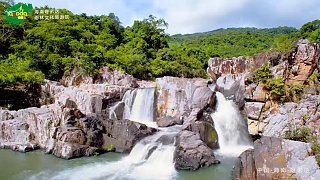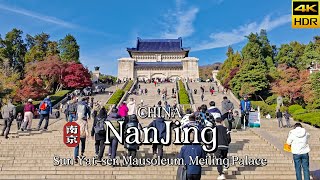
TianXin Park, ChangSha 长沙, HuNan province

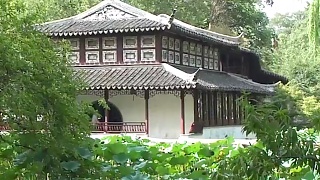
TianXin Park is a scenic spot with classical gardens within an ancient city wall.


The city wall was constructed in the year 202 AD. The TianXin Pavilion is a key feature of the park, which was developed in 1924 and now occupies an area of 30,000 square meters.


[640],shadow=true,start=,stop=
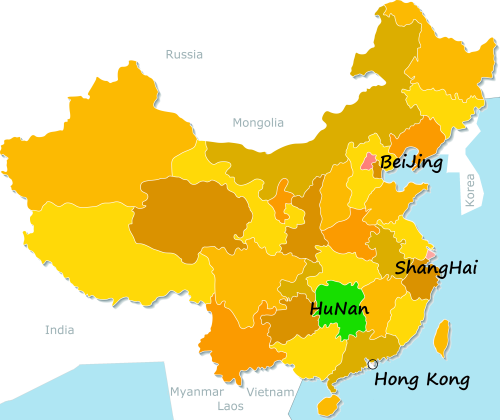
HuNan map

Related Videos


Featured Videos

Even more songs from the Voice of China
Starting with 'Listen', 'Feeling Good', 'At Last' and 'Something's got a hold on me'. Plus 'Price tag', 'Time to say goodbye', '(Does that make me) Crazy', 'She's gone' and 'What a wonderful world', plus some classic Chinese songs. Not to be missed ... "It wasn't because I didn't know that much ... It was just I knew TOO much ... Does that make me crazy ... ??"
YangShuo 阳朔 : beautiful scenery – video
A tour of YangShuo and its beautiful countryside of rivers and karst peaks. Go hiking along the Li River, bamboo raft down the YuLong River and visit other attractions like Moon Hill and the Big Banyan Tree.
The BeiJing Olympic Park in summer – lotuses and sunflowers
Just north of the Birds Nest lies a huge park. Don't forget to visit here this coming summer ...
Geopolitics update – July 2024
With Brian Berletic / The New Atlas ... With Inside China Business ... With Neutrality Studies ... With Sean Foo ... With Radhika Desai and Michael Hudson ... With Lena Petrova and Richard Wolff ... With Inside China Business ... With Trip Bitten ... With The Bridge Podcast and William Brown ... With FridayEveryday ... With Alex Cage ... With Harvey in China ... Harv With Sirant in China ...
Hong Kong 香港 coastal hike – the other / wild side of HK …
Bonus film - big city Hong Kong trip ...
Rooftop ShangHai 上海
Don't try this (and we mean that), but enjoy the views (if not feeling a tad dizzy and just about ready to fall, or jump, off) ... ShangHai travelling for $20, part 2.
Breakaway – by the Double Angels; music video
From the TV new music talent show Sing!China. 【纯享版】打包安琪 《尼古拉斯狂想曲》好声音20180907第八期 Sing!China官方HD Then that double happiness - that sublime mix of yin and yang - became one * ... * Internet hate led to the other withdrawing from the show. So sad. But she's young. The takeaway - don't ever let that be you. No matter how meek one tries to be, hate is always there. So realise that it is really nothing, just air; not even a breeze. One life; one chance to be you. Valiant effort by the remaining girl to maintain an experimental vibe. Kudos.
The ancient HuaYan, FaHua, HunYuan & ShanHua temples, DaTong, ShanXi province
With Andy see the World ... *** HuaYan Temple, located in DaTong, ShanXi province, is a magnificent example of Buddhist temple architecture and one of the best-preserved temples from the Liao and Jin dynasties. Its name, "Huayan," is derived from the Huayan Sutra, an important scripture in Chinese Buddhism, reflecting the temple's strong connection to the Huayan school of Buddhist thought. Key Features: Divided Structure: The temple is unique as it is divided into two parts: the Upper Temple and the Lower Temple. The Upper Temple, built on a hill, was primarily used for religious ceremonies, while the Lower Temple served as a residential and study area for monks. Grand Hall: The Great Buddha Hall in the Upper Temple is one of the largest remaining halls of its kind from the Liao dynasty. It features massive wooden beams, intricate carvings, and large Buddha statues that exude a sense of serenity. Murals and Sculptures: The temple is renowned for its well-preserved murals and Buddhist sculptures. These artworks depict scenes from Buddhist scriptures and stories, reflecting the artistic style and religious devotion of the era. Library of Sutras: The Lower Temple houses a library of Buddhist sutras, emphasizing the temple’s role as a center for learning and spiritual practice. Architectural Significance: The wooden structures of Huayan Temple showcase the advanced engineering and architectural techniques of ancient China. The use of dougong brackets (interlocking wooden brackets) is particularly impressive. Cultural Heritage: Huayan Temple is a testament to the flourishing of Buddhism in northern China during the Liao and Jin dynasties. It represents a blend of religious, artistic, and architectural achievements. Atmosphere: Visitors often find the temple serene and spiritually uplifting, with its quiet courtyards, ancient trees, and the scent of incense enhancing the experience. It is not just a historical site but also an active place of worship. Huayan Temple remains a significant cultural and spiritual landmark, drawing visitors and scholars from around the world to explore its beauty and historical importance. *** Shanhua Temple, located in Datong, Shanxi Province, is a stunning example of Chinese Buddhist architecture and history. Originally constructed during the Tang Dynasty, the temple has been preserved and renovated over the centuries, with its current structures mainly dating back to the Liao and Jin Dynasties. The temple complex is composed of three main halls arranged along a north-south axis: the Main Gate Hall, the Mahavira Hall, and the Sansheng Hall. These halls are surrounded by peaceful courtyards, ancient trees, and stone pathways, creating a serene environment for visitors. The Mahavira Hall is the centerpiece of the temple, housing large statues of the Buddha and bodhisattvas. The craftsmanship of these statues reflects the artistic style of the Liao Dynasty, with intricate details and vibrant colors. The Sansheng Hall, dedicated to the Three Saints of Hua-yen Buddhism, also contains exquisite statues and murals that are valuable cultural relics. One of the temple's unique features is its collection of wooden structures, which have survived numerous dynasties and demonstrate the sophisticated construction techniques of ancient Chinese architecture. The intricate carvings, painted beams, and symbolic motifs throughout the temple showcase the skill of artisans from different eras. Visitors to Shanhua Temple can also enjoy the surrounding scenery, as the temple is situated near other historical sites in Datong, such as the Nine-Dragon Wall and the Yungang Grottoes. Its peaceful ambiance and historical significance make it a must-visit destination for those exploring China's rich cultural heritage. *** The HunYuan Confucian Temple, located in Hunyuan County near Datong, Shanxi Province, is an important historical and cultural site dedicated to the teachings of Confucius. Known for its elegant architecture and serene atmosphere, the temple reflects the Confucian emphasis on education, morality, and respect for tradition. Originally built during the Yuan Dynasty, the temple has undergone several renovations and expansions over the centuries, with many of its current structures dating back to the Ming and Qing Dynasties. The layout of the temple follows traditional Confucian principles, with symmetrical courtyards and a central axis leading to the main halls. The temple complex includes several key structures, such as the Dacheng Hall, the Gate of Rites, and the Hall of Confucius’ Tablets. The Dacheng Hall, the centerpiece of the temple, houses a statue of Confucius and tablets honoring his disciples and other influential scholars. Its wooden beams and intricate carvings are a testament to the craftsmanship of ancient Chinese builders. The temple grounds are adorned with ancient cypress trees, stone tablets, and inscriptions that highlight the enduring legacy of Confucianism in Chinese culture. These elements create a tranquil environment for visitors, providing a space for reflection and appreciation of traditional values. Hunyuan Confucian Temple is not only a place of historical significance but also a symbol of the enduring influence of Confucian thought in shaping Chinese society. Its proximity to other attractions in the area, such as the Hanging Temple, makes it an excellent addition to any itinerary for visitors exploring the region. *** The Fahua Temple, located in Datong, Shanxi Province, is a historic Buddhist temple with a serene atmosphere and a rich cultural heritage. Known for its traditional Chinese architecture and intricate details, the temple provides a glimpse into the spiritual and artistic traditions of ancient China. Originally built during the Ming Dynasty, Fahua Temple has undergone renovations over the centuries, preserving its historic charm while maintaining its religious significance. The temple is dedicated to Buddhist teachings and serves as a place of worship, meditation, and cultural reflection. The layout of the temple includes several key structures, such as the main hall, bell tower, and various smaller pavilions. The main hall is adorned with statues of the Buddha and Bodhisattvas, as well as colorful murals that depict scenes from Buddhist scriptures. The bell tower houses an ancient bronze bell that is said to bring blessings and peace to those who hear its chime. The temple grounds are quiet and peaceful, with pathways lined by trees and flowers that enhance the meditative experience. Stone carvings and inscriptions throughout the temple complex reflect the devotion and artistic skills of past generations. Visitors often find the setting conducive to quiet reflection and spiritual exploration. Fahua Temple is an important cultural and religious site in Datong, offering visitors a chance to connect with Buddhist traditions and admire the craftsmanship of Chinese temple architecture. Its tranquil environment makes it a worthwhile stop for those seeking a deeper understanding of the region’s history and spiritual legacy.
A new, cool and tiny film-making camera …
Amazing quality video with superb image stabilisation. This is not sponsored - we just think it might well be interesting to many of our visitors.

Tag search ?