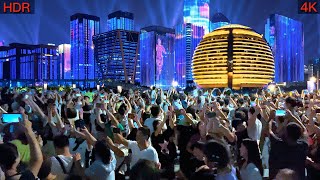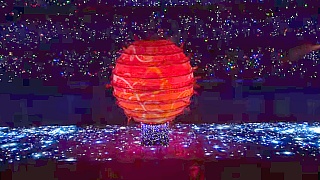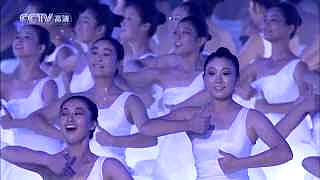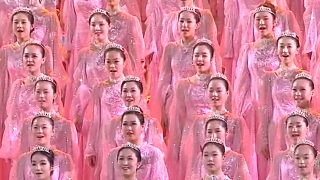
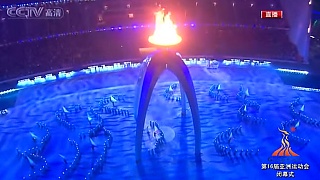
The Asian Games 2023 – opening ceremony

HangZhou ...

[640],shadow=true,start=,stop=

Hangzhou, located in eastern China's Zhejiang province, is renowned for its picturesque West Lake, traditional tea culture, and historic sites. Here's a guide for tourists visiting Hangzhou:

West Lake and Scenic Areas:
West Lake (Xi Hu): This UNESCO World Heritage Site is the centerpiece of Hangzhou's natural beauty, with its serene waters, pagodas, gardens, and surrounding hills. Visitors can take boat cruises, stroll along the lakeside paths, or rent bicycles to explore the area.

Leifeng Pagoda: Situated on the southern shore of West Lake, this historic pagoda offers panoramic views of the lake and the city skyline.

Lingyin Temple (Temple of the Soul's Retreat): One of the most important Buddhist temples in China, Lingyin Temple features ancient rock carvings, serene courtyards, and a large statue of Buddha.

Xixi Wetland Park: Explore the tranquil waterways, traditional villages, and lush greenery of this scenic wetland park, located on the outskirts of Hangzhou.

Tea Culture:
Longjing (Dragon Well) Tea Plantations: Hangzhou is famous for producing Longjing tea, one of China's most prized green teas. Visitors can tour the tea plantations in the nearby hills, learn about the tea-making process, and sample freshly brewed Longjing tea.

National Tea Museum: Learn about the history, cultivation, and cultural significance of tea in China at this informative museum located on the outskirts of Hangzhou.

Historic and Cultural Sites:
Six Harmonies Pagoda (Liuhe Pagoda): This ancient pagoda offers panoramic views of the Qiantang River and the surrounding countryside. It also houses a small museum showcasing Buddhist artifacts.

Hefang Street (Qinghefang Ancient Street): Stroll along this historic street lined with traditional shops, teahouses, and snack stalls selling local delicacies and handicrafts.

China National Silk Museum: Discover the art of silk production and the history of the silk trade in China at this museum, which features exhibits on silk weaving, dyeing techniques, and cultural artifacts.

Modern Attractions:
Hangzhou Grand Canal: Take a boat cruise along the Grand Canal, the world's longest and oldest canal, to admire the historic architecture and bustling waterfront scenes.

Hangzhou CBD (Central Business District): Explore the modern side of Hangzhou with its skyscrapers, shopping malls, and vibrant nightlife.

Practical Tips:
Transportation: Hangzhou has an extensive public transportation network, including buses, subways, and taxis. Bicycles and electric scooters are also popular options for getting around the city.

Weather: Hangzhou has a humid subtropical climate with hot, humid summers and mild, damp winters. Spring and autumn are the best times to visit when the weather is pleasant and the landscapes are at their most beautiful.

Language: Mandarin Chinese is the official language, but English may not be widely spoken outside of tourist areas. It's helpful to learn a few basic phrases or carry a translation app.

Hangzhou's blend of natural beauty, cultural heritage, and modern amenities makes it a captivating destination for tourists. Whether you're exploring historic sites, indulging in tea culture, or simply enjoying the tranquility of West Lake, Hangzhou offers a memorable experience for visitors of all interests.
Related Videos


Featured Videos

The beautiful PingYao ancient city, ShanXi province
With China Walking Tour ... Ancient City of PingYao visitor guide Overview The Ancient City of PingYao, located in ShanXi province, is one of the best-preserved ancient walled cities in China. Recognized as a UNESCO World Heritage Site, Ping Yao offers a fascinating glimpse into China's architectural and cultural history. The city's layout, traditional buildings, and historical sites make it a must-visit destination for history enthusiasts and cultural explorers. History Ping Yao's history dates back over 2,700 years, with its origins in the Western Zhou Dynasty (1046–771 BC). The city flourished during the Ming (1368–1644) and Qing (1644–1912) dynasties as a center of trade, finance, and banking. Its well-preserved architecture and urban planning reflect the prosperous period of ancient China, making it an invaluable cultural and historical treasure. Main Attractions City Walls The ancient city walls of Ping Yao are among the most complete in China. Constructed during the Ming Dynasty, these imposing walls stretch for 6 kilometers and feature 72 watchtowers and numerous gates. Visitors can walk along the walls, enjoying panoramic views of the city and experiencing the historical significance of this ancient fortification. Rishengchang Draft Bank Rishengchang, established in the early 19th century, is considered the first draft bank in China. This historical site offers insights into the origins of China's banking system and showcases traditional banking practices. The museum within the bank exhibits artifacts and documents that highlight the financial history of Ping Yao. Ancient Government Office The Ancient Government Office, also known as the Ping Yao County Office, served as the administrative center of the city. This well-preserved complex includes the courthouse, prison, and various government offices. Visitors can explore the rooms and halls, gaining an understanding of the judicial and administrative processes of ancient China. Temple of the City God The Temple of the City God is a significant religious site in Ping Yao. Dedicated to the deity believed to protect the city, the temple features beautiful architecture, intricate carvings, and serene courtyards. It remains an active place of worship and offers a peaceful retreat for visitors. Culture and Traditions The Ancient City of Ping Yao is a cultural treasure trove, with a rich heritage of traditional customs, crafts, and festivals. The city's residents continue to preserve and celebrate their cultural traditions, offering visitors a unique opportunity to experience the living history of this ancient city. From traditional performances to local crafts, Ping Yao's cultural vibrancy is palpable. Activities and Experiences Walking Tours Explore Ping Yao on foot with a guided walking tour. These tours provide valuable insights into the city's history, architecture, and culture, and are led by knowledgeable local guides. Walking through the ancient streets and alleyways is a delightful way to immerse yourself in the city's unique charm. Shopping for Local Crafts The shops and markets in Ping Yao offer a variety of traditional crafts and handmade products. Visitors can shop for souvenirs, including lacquerware, paper cuttings, and traditional clothing, all crafted by local artisans. These items make for unique and meaningful mementos of your visit. Sampling Local Cuisine Ping Yao is known for its delicious local cuisine, which reflects the flavors and traditions of Shanxi province. Visitors can sample a range of traditional dishes at the city's restaurants and food stalls. Don't miss trying the local specialties, such as Ping Yao beef, daoxiao noodles, and steamed buns. Attending Festivals Throughout the year, Ping Yao hosts various traditional festivals that celebrate local culture and heritage. These festivals feature music, dance, and traditional performances, offering visitors a unique and immersive cultural experience. Check the local event calendar to see if any festivals coincide with your visit. Accommodation Ping Yao offers a range of accommodation options, including traditional guesthouses, boutique hotels, and homestays. Staying in a traditional courtyard hotel provides an authentic experience and allows visitors to immerse themselves in the historical atmosphere of the city. These accommodations often feature traditional architecture and décor, adding to the charm of your stay. Travel Tips Best Time to Visit: The best time to visit Ping Yao is during spring (April to June) and autumn (September to November) when the weather is pleasant, and the city is less crowded. Getting There: Ping Yao is accessible by train, with Ping Yao Ancient City Railway Station serving high-speed trains from major cities. The nearest airport is Taiyuan Wusu International Airport, which offers connections to various domestic and international destinations. Opening Hours: The ancient city is open to visitors year-round. Specific attractions and shops may have their own operating hours. Entrance Fees: There may be entrance fees for certain attractions within the city. It is advisable to check the latest fees before planning your visit. Dress Comfortably: Wear comfortable clothing and sturdy walking shoes, as the city's streets are cobbled and can be uneven. Respect Local Customs: Be respectful of local customs and traditions, especially when visiting temples and cultural sites. Always ask for permission before taking photos of people. Stay Hydrated: Carry water, especially if you plan on exploring the city extensively. It's also a good idea to bring snacks or purchase food from local vendors.
Scenes from HangZhou 杭州 in ZheJiang province
West Lake, HangZhou
The YunGang Grottos 云冈石窟
The caves, full of beautiful Buddhist art, are located near DaTong in ShanXi province, north east China (west from Beijing), and date from the 5th century. Buddhism came to this area via the northern Silk Road that linked Xi'An with Kashgar
Efficient public transport in GuangZhou 广州
GuangDong province. Coordinated buses and bicycles improve the transportation for residents ...
Beautiful natural scenery in north west China (north XinJiang 新疆)
North XinJiang province, including Kanas Lake. Awesome ! With Hogin Chen ...
Planning war on China – part 24
Neither Russia nor China are warmongers, neither seek some kind of world domination, only protection; hegemony is very much only a fantasy of the West (the neo-feudal elites, not the people). If either did not assist the other in time of war, they would go down soon after. Russia has the nukes, China has the manpower and manufacturing. Only together can they withstand the imminent war. On Roosevelt's notion of economic freedom - with The Gravel Institute ... Meanwhile ...
Aerial view of the beautiful LaoJunShan Mountain 老君山
Near LuoYang, provincial capital of HeNan, central China. There is a LaoZi Cultural Park near the foot of the mountain and a cable car is available to reach the top. The ancient sage LaoZi (in modern PinYin though one will still also see Lao-Tse or Lao-Tzu) who started Daoism (Taoism) and authored the Dao De Jing (Tao Te Ching), is said to have gained inspiration here around 550 BC. The Dao (道) which roughly translates as 'the way', in the sense of how things are, is a concept that existed in Chinese thought many centuries before LaoZi, but it was LaoZi who developed the concept considerably. Wu Wei (無爲), literally "non-action" or "not acting", is a central concept of the DaoDeJing. The concept of wu wei is multi-faceted, and reflected in the words' multiple meanings, even in English translation; it can mean "not doing anything", "not forcing", "not acting" in the theatrical sense, "creating nothingness", "acting spontaneously", and "flowing with the moment / 'here and now'". It is a concept used to explain ZiRan (自然), or harmony with the Dao. LaoZi used the term broadly with simplicity and humility as key virtues, often in contrast to selfish action. On a political level, it means avoiding such circumstances as war, harsh laws and heavy taxes. The 'ruler' can also refer to the 'self'. There is an overlap here with the Buddha's teachings that suffering stems from attachments and desires, ultimately to the notion of a separate self. In Chinese philosophy, Yin and Yang (陰陽 YīnYáng, "dark—light") describes how opposite or contrary forces are actually complementary, interconnected, and interdependent in the natural world, and how they give rise to each other as they interrelate to one another. While duality is found in many belief systems, Yin and Yang are parts of a Oneness that is also equated with the Dao. Yin and yang can be thought of as complementary (rather than opposing) forces that interact to form a dynamic system in which the whole is greater than the assembled parts; it is a holistic view. Everything has both yin and yang aspects, though either of the two major aspects may manifest more strongly in a particular object, depending on the criterion of the observation. Yin and Yang is a balance between two seeming opposites with a portion of the opposite element in each. Some of LaoZi's famous sayings include: "When goodness is lost, it is replaced by morality." "Without Darkness, there can be no Light." "The usefulness of a pot comes from its emptiness." "The best people are like water, which benefits all things and does not compete with them. It stays in lowly places that others reject. This is why it is so similar to the Way." "When people see some things as beautiful, other things become ugly. When people see some things as good, other things become bad." "Try to change it and you will ruin it. Try to hold it and you will lose it." "Those who know do not say. Those who say do not know." "When you realize there is nothing lacking, the whole world belongs to you." "Nature does not hurry, yet everything is accomplished." "A good traveler has no fixed plans, and is not intent on arriving." "Music in the soul can be heard by the universe." "A journey of a thousand miles starts under one's feet." "The more that laws and regulations are given prominence, the more thieves there will be." Alan Watts - 'The Daoist Way' ...
Rebirth of BeiJing’s Old Summer Palace (YuanMingYuan), ZhuHai, GuangZhou  圆明新园 | 珠海
A reconstruction of the original Summer Palace totally destroyed by imperialist forces (robbed and burnt down by Anglo-French troops in the 2nd Opium War in 1860). With Walk East ...
FunFancie’s ShangHai, part 2

Tag search ?