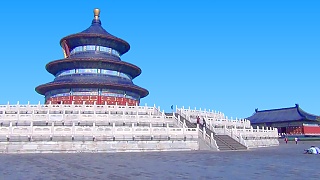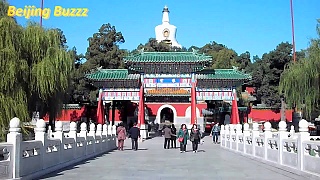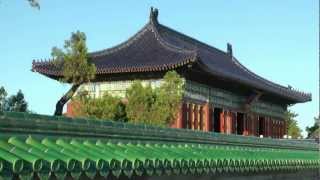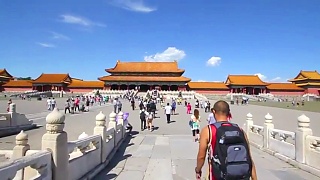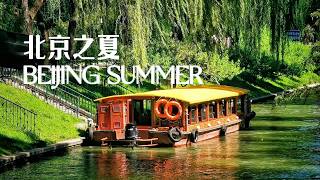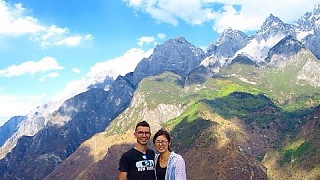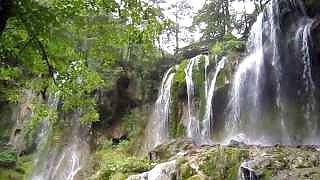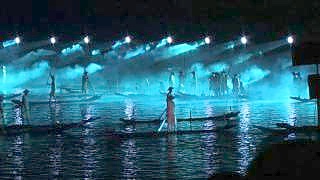
The beautiful, blue sky city of BeiJing 北京

Top videographers - bjKina, AnyuXu and DearNessie - take you on a tour of Beijing ...

First song : Going Home by Faye Wong, from the album To Love, 2003. Note : highly addictive music straight ahead ...

[640],shadow=true,start=,stop=

A fantastic video film by AnYu Xu ...

Includes a great hyperlapse along Beijing's south-north axis, from [TianTan, the Temple of Heaven], QianMen, through Tian'AnMen, GuGong ('Old Palace', the 'Forbidden City' / Palace Museum), JingShan Park, the Drum and Bell Towers and onto the Olympic Park and Olympic Forest Park ...

[320],shadow=true,start=,stop=

New (old) BeiJing - fashion, food and the vibe, with DearNessie.

A vlogging masterclass - 'show don't tell'; plus deft editing and great music ...

[320],shadow=true,start=,stop=

Beijing, the capital city of China, is a vibrant metropolis steeped in history, culture, and modernity. Here's a brief overview of what you can expect as a tourist in Beijing:

Historical Landmarks:
The Great Wall of China: One of the most iconic structures in the world, the Great Wall is easily accessible from Beijing. Mutianyu and Badaling sections are popular among tourists.

Forbidden City (Palace Museum): A UNESCO World Heritage Site, this vast imperial palace complex was home to Chinese emperors for over 500 years. It houses numerous halls, courtyards, and historical artifacts.

Temple of Heaven: A masterpiece of Chinese architecture, this ancient temple complex served as a place of worship for emperors to pray for good harvests.

Summer Palace: A stunning ensemble of lakes, gardens, and palaces, the Summer Palace served as a retreat for emperors during the Qing dynasty.

Tiananmen Square: One of the largest city squares in the world, Tiananmen Square is flanked by important landmarks such as the Monument to the People's Heroes, the Great Hall of the People, and the Mausoleum of Mao Zedong.

Cultural Sites:
Beijing Hutongs: Explore the narrow alleyways and traditional courtyard residences of Beijing's historic neighborhoods. You can take a rickshaw tour or simply wander around on foot.

Beijing Opera: Experience traditional Chinese opera performances at venues like the Liyuan Theater or the Chang'an Grand Theatre.

798 Art District: A hub of contemporary art and culture, this former industrial area is now home to numerous galleries, studios, and cafes.

Modern Attractions:
Olympic Park: Visit iconic structures such as the Bird's Nest (National Stadium) and the Water Cube (National Aquatics Center) from the 2008 Beijing Olympics.

CBD (Central Business District): Marvel at the futuristic skyline of Beijing's modern business district, which includes landmarks like the CCTV Headquarters and the China World Trade Center Tower III.

Culinary Delights:
Peking Duck: Indulge in Beijing's most famous dish, crispy roast duck served with pancakes, scallions, and hoisin sauce.

Street Food: Explore the city's vibrant street food scene and sample local delicacies like jianbing (savory crepes), lamb skewers, and dumplings.

Practical Tips:
Transportation: Beijing has an extensive public transportation system, including the subway, buses, and taxis. However, traffic can be heavy, so plan your travels accordingly.

Language: While English is not widely spoken, especially outside tourist areas, many signs and transportation announcements are in English. It's helpful to carry a translation app or a phrasebook.

Weather: Beijing experiences four distinct seasons, with hot summers and cold winters. The best times to visit are spring (April to June) and autumn (September to October) when the weather is mild and comfortable.

Etiquette: Respect local customs and traditions, such as removing your shoes before entering someone's home and using both hands to pass or receive items.

Beijing offers a rich tapestry of experiences for tourists, blending ancient heritage with modern innovations. Whether you're fascinated by history, culture, or culinary delights, there's something for everyone in this dynamic city.
Related Videos


Featured Videos

Scenes from YuanMingYuan 圆明园, BeiJing
YuánMíngYuán was the original Summer Palace in BeiJing and sometimes referred to as the 'Old Summer Palace'. YuanMingYuan lies 8 kilometers (5 miles) northwest of central Beijing, close to the (new) Summer Palace (YíHéYuán 颐和园). It was constructed during the 18th and early 19th centuries and was a wonderland of lakes and waterways, bridges, hills and pavilions. There were originally towers, terraces, pavilions, halls, corridors, pagodas and bridges with a total construction area of 150,000 square meters. Artisans were recruited from all over China to enact the exquisite settings. Many of the 160 scenic spots were reproductions of famous mountains, rivers and famous gardens in China. The various styles of architecture, standing encircled by hills and streams, presented a most picturesque view. In addition, hundreds of invaluable Chinese art masterpieces and antiquities were stored in the halls, including some unique copies of literary works and collections. YuanMingYuan was, indeed, a veritable museum of garden construction and horticulture. Known to be one of the largest museums in the world, a popular name in China was the 'Garden of Gardens'. In 1860 during the 'Second Opium War', YuanMingYuan was looted then burned down by imperialist British and French troops. So great was the devastation that a new Summer Palace was later built nearby.
China and India – the West tries divide and rule
With Einar Tangen, CGTN ...
The futuristic Wanda Plaza mall, ShenZhen, GuangDong province – don’t miss it
The best; only in China. Reality vs propaganda. With JM WORLD ... You don't know China, till you've been there. Bonus film - ShenZhen Talent Park ...
ZhaoXing Dong Village, GuiZhou
With Walk East ... Bonus film - with NuMuves ...
The amazing growth of China’s high-speed rail network
YT comment : dominique ridoux : True story: I once visited a couple of friends in their flat in downtown Shanghai city. When I arrived the whole street was under construction, the road, the side walks, everything... We had lunch, played mahjong, then dinner. When I went out after the evening dinner, the street was completely finished! New asphalt, sidewalks paved and new trees planted all the way. I even went back thinking my friend's building had 2 entrances... The big difference with us in Europe is when a decision is made the do some infrastructure work, they will put as many workers as needed to do it very quickly, they cannot afford to have streets blocked for weeks in a city of 23 million people like Shanghai. In China everything is about efficiency because they have no other choice. Can you afford to queue for tickets and so on in a city of 23 millions? No! Ok, let's all use Wechat and Alipay to increase efficiency... Done in a few years! Almost nobody is using cash anymore in China! They apply the same mindset to everyday activity, may it be transportation, food industry or even paying your taxes! The result is (as far as I am concerned) a full body check (including check in, CT scan, blood work etc) in less than 2 hours including a complementary breakfast for less than 400 Euros. Or Visa application done in 20 minutes. All car parkings are using plate recognition technology decreasing time wasting again and again. High speed train are efficient, can move large amounts of people at a fantastic pace. Also as mentioned by many people, they build "hubs", you get out of the train and you have 2 or even 3 subway lines to bring you to your final destination, more and more you even have the airport hub at a walking distance! We have a similar hub in Paris (CDG with RER and TGV within the airport walking distance) but the size of it in Shanghai makes it spectacular! YT comment : rhn94 China spent 1 Trillion USD over 10-15 years building this network, that is 1/4th the cost of the Iraq War the US paid. YT comment : Pal Sih China is building their country. USA is destroying other countries. YT comment : thata xx The best part of China's high speed train is you can order food from any of the restaurants in the station on your phone and designate at what time during which stop to have it delivered to you. During the 2-3 minutes stop, your food is already there waiting to be distributed to you on the train. I miss it so much.
Tourists reveal the real China
The West's MSM's lies are being increasingly exposed. Visitors to China are usually 'shocked' to find out the reality of life in China, and that they had been lied to by their own governments. The people are friendly; because they are happy; because China is harmonious and successful and builds infrastructure and takes care of all of the people. With Trip Bitten ...
The beautiful LiKeng ancient town, JiangXi province – don’t miss it
With Travel In China ... Visitor Guide to LiKeng Ancient Town, JiangXi Province Overview LiKeng Ancient Town, located in Wuyuan County of JiangXi Province, is a picturesque village known for its well-preserved architecture, traditional culture, and beautiful natural scenery. Often referred to as the "most beautiful village in China," LiKeng offers a glimpse into the country's rich history and rural life. Getting There By Air: The nearest airport is Jingdezhen Luojia Airport (JDZ), located about 90 kilometers from LiKeng. From the airport, you can take a bus or taxi to Wuyuan County and then a local bus or taxi to LiKeng. By Train: Wuyuan Railway Station is the closest train station, with connections to major cities like ShangHai, HangZhou, and NanChang. From the station, you can take a taxi or a local bus to LiKeng. By Bus: Long-distance buses are available from nearby cities to Wuyuan County. From Wuyuan County, you can take a local bus or taxi to reach LiKeng. Getting Around Walking: The best way to explore LiKeng is on foot. The village is small and pedestrian-friendly, allowing you to leisurely stroll through its charming streets. Biking: Renting a bicycle is a popular option for exploring the surrounding countryside and nearby attractions. Local Transport: Taxis and local buses are available for traveling to and from nearby towns and attractions. Main Attractions Ancient Architecture LiKeng is renowned for its well-preserved Ming and Qing Dynasty architecture. The traditional wooden houses, stone bridges, and narrow lanes reflect the town's rich history and cultural heritage. Li Family Ancestral Hall The Li Family Ancestral Hall is a significant historical site in LiKeng. It showcases intricate wood carvings, beautiful murals, and traditional Chinese architectural design. Stone Arch Bridges LiKeng is dotted with ancient stone arch bridges that add to its scenic charm. These bridges, with their elegant curves and historical significance, are perfect for photography and leisurely walks. Surrounding Countryside The countryside around LiKeng is known for its lush greenery, terraced fields, and beautiful tea plantations. Exploring the rural landscape offers a peaceful and picturesque experience. Local Cuisine LiKeng's cuisine is characterized by its use of fresh, locally-sourced ingredients and traditional cooking methods. Here are some must-try dishes: Wuyuan Steamed Fish: Fresh fish from the local rivers, steamed with a light seasoning to retain its natural flavors. Rice Wine Chicken: Chicken cooked with local rice wine, creating a tender and flavorful dish. Wild Vegetables: Various wild vegetables picked from the surrounding countryside, often stir-fried or used in soups. Wuyuan Green Tea: Enjoy a cup of locally-produced green tea, known for its fresh taste and health benefits. Shopping Local Handicrafts: LiKeng is known for its traditional handicrafts, including bamboo weaving, pottery, and wood carvings. These items make for unique souvenirs. Tea Shops: Purchase high-quality green tea from local tea shops, which offer a variety of teas produced in the surrounding area. Market Streets: Explore the market streets for local snacks, handmade goods, and other unique items reflecting the town's cultural heritage. Accommodation Traditional Guesthouses: Stay in a traditional guesthouse to experience the local lifestyle. Many guesthouses are located in historical buildings with charming courtyards. Mid-Range Hotels: There are several mid-range hotels in Wuyuan County offering comfortable accommodations with modern amenities. Budget Options: Budget travelers can find affordable lodging in hostels and budget hotels in and around LiKeng. Tips for Visitors Best Time to Visit: The best times to visit LiKeng are spring (March to May) and autumn (September to November) when the weather is mild and the scenery is at its most beautiful. Clothing: Wear comfortable walking shoes and dress in layers to accommodate changing temperatures. An umbrella or raincoat is useful during the rainy season. Respect Local Customs: Be respectful of local customs and traditions. Dress modestly and be mindful of local etiquette, especially when visiting historical and cultural sites. Language: While Mandarin is widely spoken, learning a few basic phrases or using a translation app can be very helpful. Plan Your Visit: LiKeng is best explored at a leisurely pace. Take your time to wander through the streets, visit local shops, and enjoy the tranquil atmosphere. Conclusion LiKeng Ancient Town in JiangXi Province offers a captivating blend of history, culture, and natural beauty. Whether you're exploring its ancient architecture, savoring local cuisine, or simply soaking in the serene atmosphere, LiKeng provides an unforgettable experience. Plan your visit carefully to make the most of your trip to this charming and picturesque village.
Exploring the beautiful ZhangJiaJie 张家界 nature reserve
In Hunan province, central east China.
A walk through Nan Lian Garden 南莲园 in Hong Kong
Nán Lián Yuán is a fine and beautiful example of Chinese garden arts ...

Tag search ?