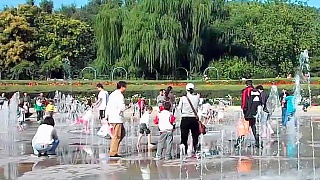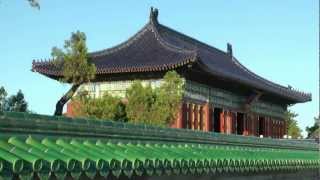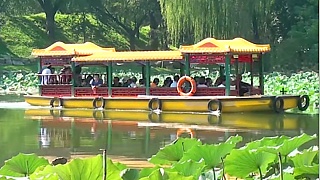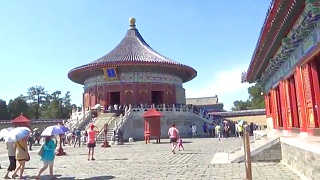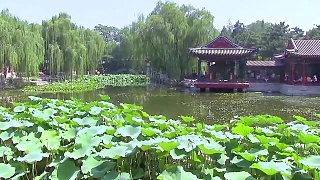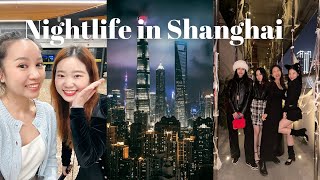
Summer in BeiJing 北京

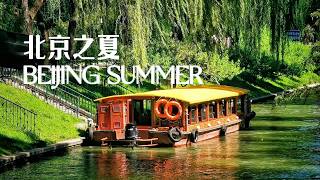
Despite its northern location, Beijing, the blue sky city, is one of the sunniest places in China and, in summer, also one of the hottest.

Although around 1,000 miles north of Shanghai, and some 2,000 miles north of Hong Kong and tropical Hainan, Beijing is hotter through the summer months (mid-may to mid-September). Generally a dry heat, tropical thunderstorms can appear on occasion, and with night time temperatures in the 70s you'll be dancing in the rain ;)

Excursion ideas : the in-the-mountains Buddhist temples of JieTaiSi and TanZheSi (bus, from the western end of metro line 1), the coastal city of TianJin (train), the beach at BeiDaiHe (train) and the nearby eastern end of the Great Wall (QinHuangDao), the imperial summer resort of ChengDe (combine with a visit to Simatai / JinShanLing Great Wall; coach or train), LongQing Gorge (LongQing Xia), the Spirit Way and general countryside at the Ming Tombs.

TianJin can be a day trip as it is connected by high-speed rail, but two days would be great too. For ChengDe or BeiDaiHe, two or three days is best. Remember to take your passport in order to check in to a hotel.

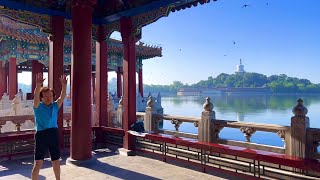
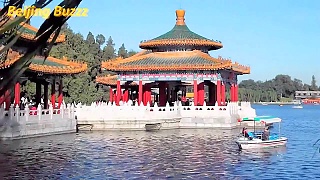
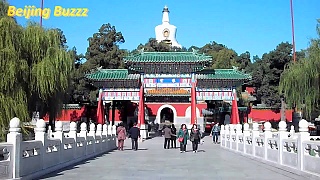
Or (more locally) visit the beach / pool at ChaoYang Park. Also, consider the Summer Palace (YiHeYuan), YuanMingYuan (the 'old' / original Summer Palace), BeiHai and JingShan Parks, the Ethic Culture Park (MinZu), the Olympic Forest Park, and these places in the Western Hills: XiangShan Park, Beijing Botanical Garden, BaDaChu (Eight Great (Buddhist) Sites area).

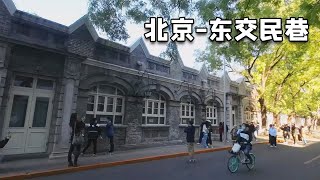
[640],shadow=true,start=,stop=
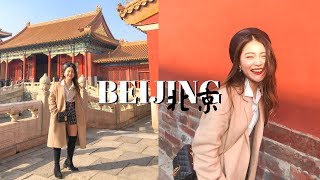
[320],shadow=true,start=,stop=

Beijing, the capital city of China, is a vibrant metropolis steeped in history, culture, and modernity. Here's a brief overview of what you can expect as a tourist in Beijing:

Historical Landmarks:
The Great Wall of China: One of the most iconic structures in the world, the Great Wall is easily accessible from Beijing. Mutianyu and Badaling sections are popular among tourists.

Forbidden City (Palace Museum): A UNESCO World Heritage Site, this vast imperial palace complex was home to Chinese emperors for over 500 years. It houses numerous halls, courtyards, and historical artifacts.

Temple of Heaven: A masterpiece of Chinese architecture, this ancient temple complex served as a place of worship for emperors to pray for good harvests.

Summer Palace: A stunning ensemble of lakes, gardens, and palaces, the Summer Palace served as a retreat for emperors during the Qing dynasty.

Tiananmen Square: One of the largest city squares in the world, Tiananmen Square is flanked by important landmarks such as the Monument to the People's Heroes, the Great Hall of the People, and the Mausoleum of Mao Zedong.

Cultural Sites:
Beijing Hutongs: Explore the narrow alleyways and traditional courtyard residences of Beijing's historic neighborhoods. You can take a rickshaw tour or simply wander around on foot.

Beijing Opera: Experience traditional Chinese opera performances at venues like the Liyuan Theater or the Chang'an Grand Theatre.

798 Art District: A hub of contemporary art and culture, this former industrial area is now home to numerous galleries, studios, and cafes.

Modern Attractions:
Olympic Park: Visit iconic structures such as the Bird's Nest (National Stadium) and the Water Cube (National Aquatics Center) from the 2008 Beijing Olympics.

CBD (Central Business District): Marvel at the futuristic skyline of Beijing's modern business district, which includes landmarks like the CCTV Headquarters and the China World Trade Center Tower III.

Culinary Delights:
Peking Duck: Indulge in Beijing's most famous dish, crispy roast duck served with pancakes, scallions, and hoisin sauce.

Street Food: Explore the city's vibrant street food scene and sample local delicacies like jianbing (savory crepes), lamb skewers, and dumplings.

Practical Tips:
Transportation: Beijing has an extensive public transportation system, including the subway, buses, and taxis. However, traffic can be heavy, so plan your travels accordingly.

Language: While English is not widely spoken, especially outside tourist areas, many signs and transportation announcements are in English. It's helpful to carry a translation app or a phrasebook.

Weather: Beijing experiences four distinct seasons, with hot summers and cold winters. The best times to visit are spring (April to June) and autumn (September to October) when the weather is mild and comfortable.

Etiquette: Respect local customs and traditions, such as removing your shoes before entering someone's home and using both hands to pass or receive items.

Beijing offers a rich tapestry of experiences for tourists, blending ancient heritage with modern innovations. Whether you're fascinated by history, culture, or culinary delights, there's something for everyone in this dynamic city.

Related Videos


Featured Videos

Taz and Libby visit awesome ZhangJiaJie, HuNan province
With Sun Kissed Bucket List ... ZhangJiaJie, located in HuNan province, is renowned for its breathtaking natural landscapes, including towering sandstone pillars, lush forests, and deep ravines. It gained international fame as the inspiration for the floating Hallelujah Mountains in the movie "Avatar." This guide provides an in-depth look at the best attractions, activities, and tips for visiting Zhangjiajie. Top Attractions Zhangjiajie National Forest Park Zhangjiajie National Forest Park, part of the larger Wulingyuan Scenic Area, is the primary attraction. It is famous for its quartz-sandstone pillars, some of which reach over 200 meters in height. Avatar Hallelujah Mountain: This iconic peak was renamed after the film "Avatar" and is one of the most photographed spots in the park. Yuanjiajie Scenic Area: Home to stunning vistas and the First Bridge Under Heaven, a natural rock bridge. Golden Whip Stream: A beautiful, serene area ideal for hiking, featuring crystal-clear streams and lush vegetation. Tianmen Mountain Tianmen Mountain is another must-see attraction, known for its dramatic scenery and thrilling experiences. Glass Skywalk: A transparent walkway that clings to the side of the mountain, offering vertigo-inducing views. Tianmen Cave (Heaven's Gate): A massive natural arch in the mountain, accessible via a long staircase. Tianmen Mountain Cableway: One of the longest cable car rides in the world, providing stunning aerial views. Baofeng Lake Baofeng Lake offers tranquil boat rides surrounded by stunning karst scenery. It's a great spot for relaxation and enjoying the natural beauty of the area. Yellow Dragon Cave Yellow Dragon Cave is a vast karst cave system featuring impressive stalactites, stalagmites, and underground rivers. It is known for its grand chambers and intricate rock formations. Geology of Zhangjiajie The unique geology of Zhangjiajie is what makes it so stunning. The area is characterized by its towering quartz-sandstone pillars that were formed through a combination of geological processes over millions of years. The region was once submerged under an ancient ocean, and over time, the uplift and erosion sculpted these dramatic formations. The pillars are a result of physical weathering, primarily caused by wind, frost, and the growth of plant roots, which break down the rock. The unique climate and vegetation of the area have also contributed to the landscape's current form. Touring the Park Planning Your Visit To make the most of your visit to Zhangjiajie National Forest Park, it’s important to plan your route and time your visits to avoid the crowds. A typical visit to the park can take 2-3 days to cover the main highlights. Here is a suggested itinerary: Day 1: Zhangjiajie National Forest Park Morning: Start early at the park's main entrance. Take the shuttle bus to the Yellow Stone Village area. Spend the morning exploring the trails and enjoying the panoramic views. Afternoon: Head to Golden Whip Stream for a peaceful hike along the stream. The trail is relatively flat and suitable for all ages. Day 2: Yuanjiajie and Tianzi Mountain Morning: Take the park shuttle bus to the Yuanjiajie Scenic Area. Explore the Avatar Hallelujah Mountain and the First Bridge Under Heaven. Afternoon: Continue to Tianzi Mountain for more spectacular views. Take the cable car down for a different perspective. Day 3: Tianmen Mountain Morning: Take the Tianmen Mountain Cableway from Zhangjiajie City to the top of the mountain. Walk along the Glass Skywalk for thrilling views. Afternoon: Visit Tianmen Cave (Heaven's Gate). Descend via the 999 steps or take the escalator. Activities and Experiences Hiking Zhangjiajie offers numerous hiking trails that cater to all levels of fitness. Popular hikes include the Golden Whip Stream trail and the various paths around Tianzi Mountain and Yuanjiajie Scenic Area. Photography The unique landscapes of Zhangjiajie provide endless opportunities for photography. Key spots include the Avatar Hallelujah Mountain, the Glass Skywalk, and the views from the Tianmen Mountain cable car. Local Cuisine Try local Hunan cuisine, known for its bold flavors and use of chili peppers. Signature dishes include spicy fish head, fried rice noodles, and various stir-fried meats and vegetables. Travel Tips Best Time to Visit The best times to visit Zhangjiajie are spring (April to June) and autumn (September to November) when the weather is mild and the scenery is at its most vibrant. Summer can be hot and crowded, while winter offers fewer tourists and a different but beautiful snowy landscape. Getting There Zhangjiajie is accessible by train, bus, and air. The Zhangjiajie Hehua International Airport has flights from major Chinese cities. There are also direct trains and buses from Changsha, the capital of Hunan Province. Accommodation There are numerous accommodation options ranging from budget hostels to luxury hotels. Staying in Wulingyuan Town provides easy access to the national park, while Zhangjiajie City offers more amenities and is closer to Tianmen Mountain. Tickets and Passes Purchase tickets for the Wulingyuan Scenic Area, which includes Zhangjiajie National Forest Park, online or at the entrance. Consider buying a multi-day pass if you plan to explore the area thoroughly. Separate tickets are required for Tianmen Mountain and other attractions. Guides and Tours Hiring a local guide can enhance your experience, providing insights into the area's history, culture, and natural features. Many tour operators offer packages that include transportation, tickets, and guided tours.
GeTu River Valley 搞定了, from the air, GuiZhou province
Known mostly only by rock climbers, this beautiful area in south China will become a new national park.
WuZhen ancient water town, ShangHai
With Go Around China ...
Night food market in ShangHai
With Wei's Travel ...
American exceptionalism and China
With Garland Nixon ...
Good morning ChengDu! SiChuan province
People's Park. With Walk - Fly - Drive ...
Coming soon – the BeiJing Winter Olympics 2022 加油北京
BeiJing and the surrounding HeBei province (YanQing and ZhangJiaKou). Begins Friday, 4 February, 2022, to 20th February. "Together for a Shared Future 一起向未来". With Rafa Goes Around! ...
ShenYang, provincial capital of LiaoNing, north east China
With Seiu Travel ... Introduction to ShenYang ShenYang is the capital city of LiaoNing province in northeast China. It is a major industrial and cultural center with a rich history dating back to ancient times. Known for its historical sites, modern infrastructure, and vibrant culture, Shenyang offers a diverse range of attractions for visitors. Getting There By Air: Shenyang Taoxian International Airport (SHE) serves the city with domestic and international flights. The airport is about 20 km south of the city center. By Train: Shenyang has several major railway stations, including Shenyang North Railway Station and Shenyang Railway Station, offering high-speed rail connections to many cities in China. By Bus: Long-distance buses connect Shenyang with other major cities in northeast China and beyond. Best Time to Visit The best time to visit Shenyang is during the spring (April to June) and autumn (September to October) when the weather is mild and pleasant. Summers can be hot and humid, while winters are cold with occasional snowfall. Main Attractions Shenyang Imperial Palace: Also known as Mukden Palace, this UNESCO World Heritage site is a smaller version of Beijing's Forbidden City and was the former imperial palace of the early Qing Dynasty. Zhao Mausoleum (Beiling Park): The mausoleum of the second Qing emperor, Huang Taiji, located within a beautiful park that is perfect for a leisurely stroll. Marshal Zhang's Mansion: The former residence of the warlord Zhang Zuolin and his son Zhang Xueliang, now a museum showcasing their lives and the history of the period. Shenyang Botanical Garden: A large botanical garden with diverse plant species, beautiful landscapes, and recreational facilities. 9.18 Historical Museum: A museum dedicated to the Mukden Incident (September 18, 1931) and the subsequent Japanese invasion of China, offering a poignant look at this period of history. Cultural Highlights Liaoning Provincial Museum: One of the oldest and largest museums in China, featuring extensive collections of artifacts, artworks, and historical exhibits. Shenyang Opera House: A modern venue hosting a variety of performances, including traditional Chinese opera, ballet, and concerts. Shenyang International Horticultural Expo Garden: A vast park with themed gardens, exhibitions, and cultural events, showcasing horticultural achievements from around the world. Accommodation Shenyang offers a wide range of accommodation options, from luxury hotels to budget-friendly hostels. Some recommended places to stay include: Kempinski Hotel Shenyang: A luxury hotel with excellent facilities and service, located in the city center. Marriott Hotel Shenyang: A modern hotel offering comfortable rooms and convenient access to major attractions. Shenyang LazyBee International Youth Hostel: A budget-friendly option popular with backpackers and young travelers. Dining Local Cuisine: Shenyang is known for its delicious Dongbei (Northeast) cuisine. Must-try dishes include Guo Bao Rou (sweet and sour pork), Dongbei Dumplings, and Laobian Dumplings. Restaurants: Recommended eateries include Laobian Dumpling Restaurant, Mukden Dumpling House, and Dongbei Ren (Northeasterners). Practical Tips Language: Mandarin Chinese is the primary language spoken in Shenyang. Learning a few basic phrases can be helpful, and a translation app can be useful for non-Mandarin speakers. Currency: The local currency is the Chinese Yuan (CNY). Credit cards are widely accepted, but it's always good to have some cash on hand for small purchases. Health and Safety: Shenyang is generally a safe city, but it's always wise to stay aware of your surroundings. Tap water is not recommended for drinking; opt for bottled water instead. Transportation: Shenyang has an extensive public transportation system, including buses and a metro system, making it easy to get around the city. Conclusion Shenyang is a vibrant city with a rich history and cultural heritage. Whether you're exploring ancient palaces, enjoying local cuisine, or experiencing the city's modern attractions, Shenyang offers a diverse and memorable travel experience.
On truth – part 2
Mind control is not only very real; it is everywhere. It is simply controlling what you 'know'. With MagnatesMedia ...

Tag search ?