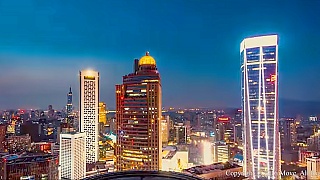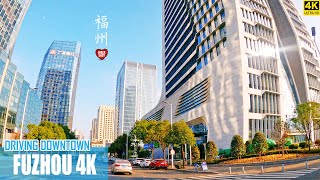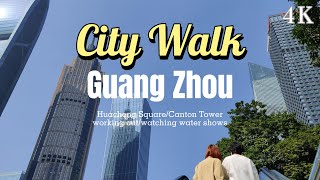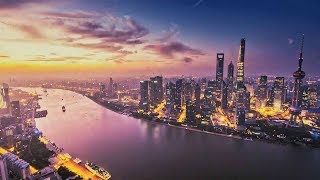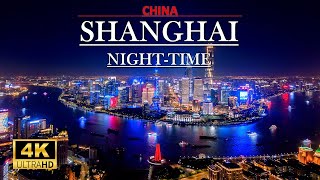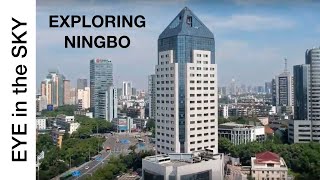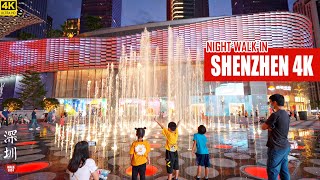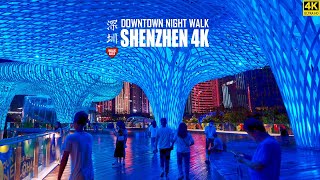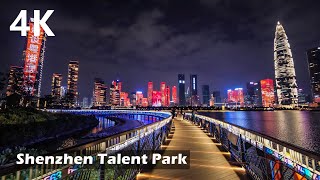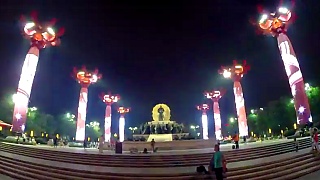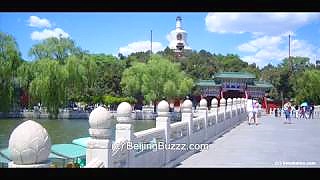
ShenZhen cityscape by aerial drone

[640],shadow=true,start=,stop=
[320],shadow=true,start=,stop= [320],shadow=true,start=,stop= [320],shadow=true,start=,stop= [320],shadow=true,start=,stop=

Shenzhen is a modern metropolis located in Guangdong Province, bordering Hong Kong to the south. Known as China's first Special Economic Zone, Shenzhen has transformed from a fishing village into a bustling city known for its innovation, technology, and vibrant culture. Here's what you need to know as a tourist visiting Shenzhen:

Modern Landmarks and Skyscrapers:
Shenzhen Bay Park: This expansive waterfront park offers stunning views of Shenzhen's skyline and the Hong Kong skyline across the bay. It's a popular spot for leisurely strolls, cycling, and picnics.

Shenzhen Civic Center: Admire the futuristic architecture of the Shenzhen Civic Center, which includes landmarks such as the Shenzhen Concert Hall, Shenzhen Library, and Shenzhen Museum.

Ping An Finance Centre: Marvel at one of the tallest skyscrapers in China and the fourth-tallest in the world, featuring an observation deck on the 116th floor offering panoramic views of the city.

Theme Parks and Entertainment:
Window of the World: Explore miniature replicas of famous landmarks from around the world, including the Eiffel Tower, the Taj Mahal, and the Great Wall of China, all in one place.

Happy Valley: This amusement park offers thrilling rides, live entertainment, and themed areas catering to visitors of all ages, making it a popular destination for families and thrill-seekers.

Shopping and Dining:
Huaqiangbei Electronics Market: Known as the world's largest electronics market, Huaqiangbei is a paradise for tech enthusiasts, offering everything from gadgets and components to accessories and repairs.

Coco Park: This upscale shopping and dining district features a wide range of boutiques, department stores, restaurants, bars, and cafes, catering to both locals and tourists.

Cultural and Historical Sites:
Dafen Oil Painting Village: Explore this vibrant artist community known for its reproduction oil paintings, where you can watch artists at work and purchase artworks at affordable prices.

Fairy Lake Botanical Garden: Escape the urban hustle and bustle at this expansive botanical garden, featuring lush greenery, scenic walking trails, and a diverse collection of plants and flowers.

Practical Tips:
Transportation: Shenzhen has a well-developed public transportation system, including the metro, buses, and taxis. The metro is the most convenient way to get around the city, with signs and announcements in both Chinese and English.

Language: Mandarin is the official language, but Cantonese and English are also widely spoken, especially in tourist areas, hotels, and restaurants.

Weather: Shenzhen has a subtropical climate with mild, dry winters and hot, humid summers. The best times to visit are spring (March to May) and autumn (September to November) when the weather is pleasant and comfortable.

Visa: Depending on your nationality, you may need a visa to enter China. Check the latest visa requirements and apply in advance if necessary.

Shenzhen offers a dynamic mix of modern attractions, cultural experiences, and shopping opportunities, making it an exciting destination for tourists seeking a taste of urban life in China. Whether you're interested in technology, entertainment, or simply exploring a vibrant city, Shenzhen has something for everyone.
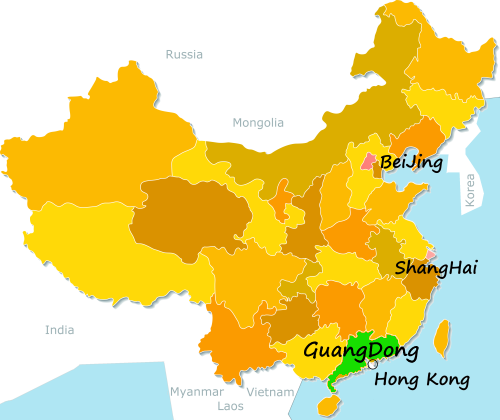

GuangDong map

Related Videos


Featured Videos

China’s economic rise through planned industrial policy
China's industrial output is #1 and greater than the next nine countries combined. The US's military spending is #1 and greater than the next nine countries combined. To the 'past' colonial powers of the West, China was supposed to remain just their factory to power their hegemony, not become a peer. Hence the anti-China 'threat'. With Ben Norton ...
The life of potatoes, cucumbers and peas, with LiZiQi
How to handle a narcissist
How to eat Hot Pot 火锅 HuǒGuō, plus ingredients – in both Chinese script and pinyin
Hot pot dining is a communal and interactive meal enjoyed by many in China and beyond. A hot pot meal consists of a simmering broth into which fresh ingredients are cooked, then dipped into a sauce before eating, bit by bit. Meats are thinly sliced and can cook in just 20 seconds (be sure to cook only one slice at a time). One can have tomatoes or cucumber as a side dish to eat raw. Typically, the dipping sauce is sesame sprinkled with chopped spring onions though one add add various condiments such as chopped garlic. Spicy (Hot) Broth (麻辣汤 - Má là tāng): This broth is typically made with a combination of chili peppers, Sichuan peppercorns, garlic, ginger, and various spices. It's known for its fiery and numbing flavor, characteristic of Sichuan cuisine. It adds a spicy kick to the ingredients cooked in the hot pot, offering a tingling sensation on the palate. Non-Spicy (Not Hot) Broth (清汤 - Qīng tāng): This broth is a milder option compared to the spicy broth. It's often made with a clear or lightly flavored base, such as chicken, pork, or vegetable broth. It allows the natural flavors of the ingredients to shine through without the overpowering heat of spices. It's a popular choice for those who prefer a more subtle and refreshing taste. Two-in-One (Yuan Yang) Broth (鸳鸯锅 - Yuān yāng guō): The two-in-one broth offers the best of both worlds by dividing the hot pot into two sections, allowing diners to enjoy both spicy and non-spicy options simultaneously. One side typically contains the spicy broth, while the other side contains the non-spicy broth. It caters to groups with varying preferences, providing a versatile dining experience where everyone can find something they enjoy. Meat: * Beef: Niú Ròu (牛肉) * Lamb: Yáng Ròu (羊肉) * Chicken: Jī Ròu (鸡肉) Pork: Zhū Ròu (猪肉) Sausages: Xiāng Cháng (香肠) * Fish / Shrimp/Prawn Balls: Yú Qiú / Xiā Qiú (鱼球 / 虾球) Seafood: - Shrimp: Xiā (虾) - Fish: Yú (鱼) - Shellfish: Háimǔ (海蜇) - Mussels: Gēn Mǔli (蚌肉) - Squid: Yóu Yú (鱿鱼) Vegetables: * Coriander: Xīng Cài (香菜) Potato slices: TǔDòu (土豆) Tomatoes: Fān Qié (番茄) Cucumber: HuángGuā (黄瓜) Bean Sprouts: Dà Suàn (大蒜) Lotus Root: Lián'ǒu (莲藕) Bamboo Shoots: Zhú Sǔn (竹笋) Cabbage: Xīng Cài (白菜) Spinach: Bō Cài (菠菜) Mushrooms: - * Enoki Mushroom (long thin white): Jīn Zhēngū (金针菇) - * Shiitake Mushroom: Xiāng Gū (香菇) - Oyster Mushroom: Mù Ěr (木耳) - Wood Ear Mushroom: Xīng'ěr (杏鲍菇) - King Oyster Mushroom: Xìng Bàogū (杏鲍菇) Tofu: * Iced Tofu: Dòng Dòufu (冻豆腐) * Tofu Skin: Dòu Pí (豆皮) Firm Tofu: Làn Dòufu (蓝豆腐) Silken Tofu: Dòufu Rǔ (豆腐乳) Bean Curd Sheets: Dòu Piàn (豆片) Noodles: * Clear (bean) Noodles: Tāng Fěn (汤粉) Rice Noodles: Mǐ Fěn (米粉) Udon Noodles: Wǔdūn Miàn (乌冬面) Other Ingredients: * Dumplings: JiǎoZi (饺子) Eggs: Jī Dàn (鸡蛋) Fried Dough Sticks: Yóu Tiáo (油条) Sauce Bowl: * Sesame Sauce: Zhī Málà Jiàng (芝麻麻辣酱) Peanut Sauce: Huā Shēng Jiàng (花生酱) Condiments one can add to sauce bowl: * Scallions (chopped spring onions): Cōng Jiàng Yóu (葱酱油) Soy Sauce: Jiàng Yóu (酱油) Vinegar: Cù (醋) Chili Sauce: Làjiāo Jiàng (辣椒酱) Garlic Sauce: Sào Jiàng (臊酱) Sesame Oil: Zhī Yóu (芝麻油) Well known hot pot chains include XiaoBu XiaoBu and HaiDiLao but one can also enjoy many one-off independent restaurants.
Beautiful ChengDu 成都 …
ChengDu is the provincial capital of SiChuan, in south west China. The film includes the Panda Research Center, ChengDu city center, JinLi historical district, Happy Valley and more ...
Chinese plums
With DianXi XiaoGe ...
One day in BeiJing 北京
Summer 2013 ...
The real China
With Gregor Brown ...
The G7 (1 + 6 slaves) rubber stamp get together – summary
"Whatever we are doing, we'll say you are doing" (projection); aggression, trade war, etc. We could have a win-win, but the G7 is only interested in win-lose / hegemony (and they might end up the loser); but most likely it will either be win-win, or we all lose. G7 : "Us and Them ..." "Ashes and diamonds - Foes and friends ... We are all equal; In the end" - RW And all this, from Hiroshima, of all places - devastated by a US atomic bomb dropped on a civilian city, killing over 80% of the people. The US tested two bombs on Japan, the only country to have nuked another. And the slaves bow down (in fear; or some type of psychosis) ... Since September 2011, the US has killed around 4 million of Earth's people ...

Tag search ?