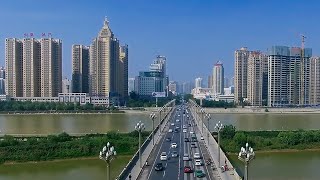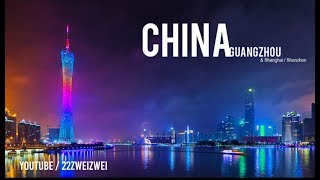
GuangZhou walk, GuangDong province

With M&X's Vlog ...

Daytime :

[640],shadow=true,start=,stop=

Nighttime :

[320],shadow=true,start=,stop=

Guangzhou, formerly known as Canton, is a dynamic metropolis located in southern China, serving as the capital of Guangdong Province. As one of China's oldest and largest cities, Guangzhou boasts a rich history, vibrant culture, and modern urban amenities. Here's a guide for tourists visiting Guangzhou:

Historical and Cultural Significance:
Historic Trading Hub: Guangzhou has a long history as a major trading port and commercial center, dating back over 2,000 years. It played a crucial role in the ancient Maritime Silk Road, facilitating trade and cultural exchange between China and other parts of the world.

Cultural Diversity: As a melting pot of cultures, Guangzhou has a diverse population, influenced by various ethnic groups and foreign traders throughout history. This cultural diversity is reflected in the city's cuisine, architecture, and traditions.

Top Attractions:
Canton Tower: As one of the tallest structures in China, the Canton Tower is an iconic landmark and a symbol of Guangzhou's modernity. Visitors can ascend the tower for panoramic views of the cityscape, dine in rotating restaurants, and experience thrilling attractions like the Sky Drop and Bubble Tram.

Yuexiu Park: This expansive park in the heart of Guangzhou is home to several attractions, including the iconic Five-Ram Statue, Zhenhai Tower, and the Guangzhou Museum. Visitors can stroll through lush gardens, admire ancient artifacts, and enjoy recreational activities like boating and tai chi.

Chen Clan Academy: Built during the Qing Dynasty, the Chen Clan Ancestral Hall (also known as the Chen Clan Academy) is a masterpiece of Lingnan architecture. It houses a vast collection of traditional art, wood carvings, and ancestral tablets, offering insights into the region's cultural heritage.

Shamian Island: Located along the Pearl River, Shamian Island is a tranquil oasis with tree-lined streets, colonial-era buildings, and charming cafes. Visitors can wander through the island's historic neighborhoods, admire European-style architecture, and relax by the waterfront.

Guangzhou Opera House: Designed by renowned architect Zaha Hadid, the Guangzhou Opera House is a striking architectural masterpiece that hosts world-class performances and cultural events. Visitors can attend opera, ballet, concerts, and other artistic performances in a stunning modern setting.

Culinary Delights:
Cantonese Cuisine: Guangzhou is famous for its delicious Cantonese cuisine, characterized by fresh seafood, dim sum, roast meats, and flavorful stir-fries. Visitors can sample authentic dishes at local restaurants, street food stalls, and traditional teahouses throughout the city.

Qingping Market: Explore Qingping Market, one of Guangzhou's oldest and largest markets, to experience the vibrant atmosphere and diverse array of local specialties. From exotic fruits and spices to live seafood and herbal remedies, the market offers a sensory feast for visitors.

Practical Tips:
Transportation: Getting around Guangzhou is convenient with its extensive public transportation system, including buses, taxis, and the Guangzhou Metro. The city's efficient transportation network makes it easy to navigate between attractions and neighborhoods.

Language: Mandarin Chinese is the official language spoken in Guangzhou, although Cantonese is also widely spoken by locals. English may not be widely understood, especially in more remote areas, so it's helpful to carry a phrasebook or translation app.

Weather: Guangzhou has a subtropical climate with hot, humid summers and mild winters. The best time to visit is during the cooler months from October to March when the weather is more comfortable for outdoor activities.

Currency: The currency used in China is the Chinese Yuan (CNY). Credit cards are widely accepted at hotels, restaurants, and shops in urban areas, but it's advisable to carry cash for small purchases and transactions.

Guangzhou offers a fascinating blend of ancient history, modernity, and cultural diversity, making it an enchanting destination for tourists seeking to explore the treasures of southern China. Whether marveling at iconic landmarks, savoring Cantonese cuisine, or immersing oneself in the city's vibrant culture, Guangzhou has something to offer for every traveler.
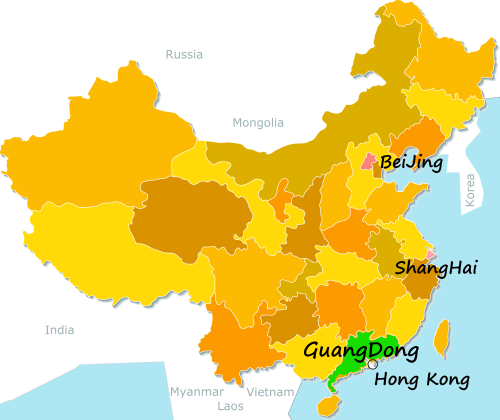
GuangDong map

Related Videos


Featured Videos

The temples and natural landscape around Mount EMei  峨嵋山 and LeShan Giant Buddha 乐山大佛
A beautiful film of the scenic area around ÉMéiShān and LèShān Dàfó, SìChuān province. Mount EMei is one of the Four Sacred Buddhist Mountains of China on which there are nearly 70 Buddhist monasteries. At 71 meters (233 feet) in height, LeShan Giant Buddha is the largest stone Buddha in the world.
Sanya 三亚 bay, HaiNan island
ShenZhen city, GuangDong province, 2023
China 中国 trips 2013 (3)
Scenes from HuangShan 黄山 in AnHui province …
XiangYang city, HuBei province
One of China's most complete ancient cities, it was formerly named XiangFan. With Walk East ...
The beautiful LongQing Gorge 龙庆峡, Beijing
90 kilometers (55 miles) north west of Beijing city, LongQing Gorge offers boating, hiking and more; plus an ice festival in winter. LóngQìng Xiá reminds one of the natural, soaring scenery around GuiLin and YangShuo ...
What you MUST know to save your health / life
Why it is so important to increase fiber and decrease sugar. Why fructose is as damaging to the liver as alcohol. Why convenience food is often not really food at all. With Robert Lustig, Rangan Chatterjee, and Sten Ekberg ...
The Karakorum Highway and Tashkurgan
With Little Chinese Everywhere ... Karakorum Highway & Tashkurgan Travel Guide History Attractions Activities Food Transportation Tips History of the Karakorum Highway & Tashkurgan The Karakorum Highway, often referred to as the Eighth Wonder of the World, is the highest paved international road, connecting China and Pakistan across the Karakoram mountain range. Its construction began in 1959 and was completed in 1979, symbolizing the strong friendship between China and Pakistan. Tashkurgan, located in Xinjiang, China, is an ancient town with a history that dates back over 2,000 years. It was an important stop on the ancient Silk Road and remains a cultural melting pot, inhabited by the Tajik people who have their own distinct customs and traditions. Top Attractions on the Karakorum Highway & Tashkurgan 1. Khunjerab Pass The Khunjerab Pass, at an elevation of 4,693 meters, is the highest paved border crossing in the world. It marks the border between China and Pakistan and offers breathtaking views of snow-capped peaks and pristine landscapes. The pass is part of the Khunjerab National Park, home to unique wildlife such as the snow leopard and Marco Polo sheep. 2. Tashkurgan Stone City Located in the heart of Tashkurgan, the Stone City is an ancient fortress that dates back to the Han Dynasty. It offers panoramic views of the surrounding mountains and valleys. The ruins are a testament to the region’s strategic importance on the Silk Road and offer insights into the ancient trade routes. 3. Karakul Lake Karakul Lake, situated on the Karakorum Highway, is a high-altitude lake at the base of Muztagh Ata, also known as the "Father of Ice Mountains." The crystal-clear blue waters reflect the towering snow-capped peaks, creating a stunning and serene landscape. 4. Taxkorgan Nature Reserve This reserve covers a large area of the Pamir Plateau and is known for its diverse wildlife, including the rare Marco Polo sheep, ibex, and various bird species. The reserve’s rugged landscapes are ideal for trekking and wildlife photography. Activities to Enjoy 1. Trekking and Hiking The Karakorum Highway and Tashkurgan offer some of the best trekking and hiking opportunities in the world. Explore trails that lead through stunning mountain scenery, pastures, and along ancient Silk Road paths. Popular routes include hikes around Karakul Lake and up the slopes of Muztagh Ata. 2. Experiencing Tajik Culture Tashkurgan is home to the Tajik ethnic group, known for their rich cultural traditions. Visitors can experience traditional Tajik music, dance, and hospitality. Don’t miss the chance to attend a local festival or visit a traditional Tajik yurt. 3. Wildlife Watching The Khunjerab National Park and Taxkorgan Nature Reserve are prime locations for wildlife watching. Keep an eye out for the elusive snow leopard, golden eagle, and other unique species that inhabit this high-altitude region. Local Food & Delicacies 1. Pilaf Pilaf is a traditional dish in the region, made with rice, mutton, carrots, and various spices. It is a hearty and flavorful dish often served during festivals and family gatherings. 2. Naan Naan, a type of flatbread, is a staple in the local diet. It is typically baked in a tandoor oven and served with various dips, meats, and vegetables. It's a perfect accompaniment to most meals. 3. Kebabs Kebabs are popular in this region, with lamb and beef being the most common meats used. They are seasoned with local spices and grilled over an open flame, offering a delicious smoky flavor. How to Get There By Road The Karakorum Highway is accessible by road from both the Chinese and Pakistani sides. From China, travelers can start from Kashgar, while from Pakistan, the journey begins in Islamabad, passing through Gilgit-Baltistan. By Air There are flights to Kashgar from major Chinese cities like Urumqi and Beijing. From Kashgar, travelers can take a bus or hire a car to Tashkurgan. For those coming from Pakistan, flights are available to Gilgit or Skardu, with further travel by road. By Bus Public and private bus services operate along the Karakorum Highway, providing affordable and scenic travel options. Buses are available from Kashgar to Tashkurgan, and from Islamabad to Gilgit and beyond in Pakistan. Travel Tips for Karakorum Highway & Tashkurgan Due to the high altitude, it is essential to acclimatize properly to avoid altitude sickness. Take it slow and stay hydrated. Check the weather conditions and road status before traveling, as the Karakorum Highway can be affected by landslides and snow, especially during winter months. Carry sufficient cash, as ATMs may not be available in remote areas. Credit cards are not widely accepted. Respect local customs and traditions, particularly when visiting Tajik communities. Dress modestly and ask for permission before taking photos of people. Ensure you have all necessary travel documents, including visas and permits, as this region is a sensitive border area with strict controls.

Tag search ?