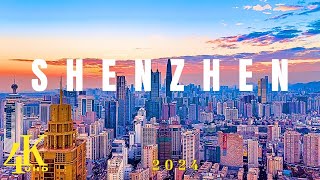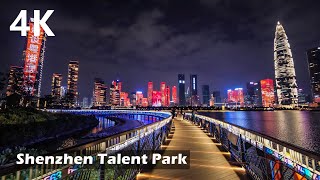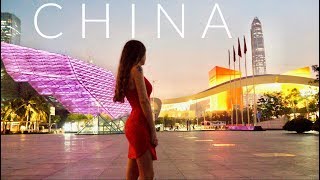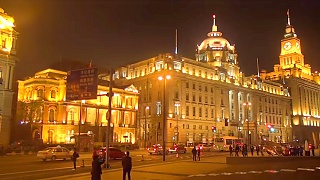
ShenZhen 深圳 stroll

Modern China, center of business and commerce, began here, in GuangDong province, south east China, just forty years ago, following the vision and effort of Deng XiaoPing (1904 - 1997).

Deng XiaoPing opened China to the world, as it had been during the long period of a prior golden age with the Silk Road to the Middle East and Europe (by land) and other parts of south east Asia and as far as Africa via the Silk Road of the Sea. His policies are credited with helping China to develop in the most startling transformation that the world has ever seen, raising the standard of living of hundreds of millions. This followed his Southern Tour of 1992 when the likelihood of adoption of his vision still looked slim. Deng was also a key player in the return of Hong Kong to China in 1997.

Too far. some might say, but without this move, the position to debate that would not now exist.

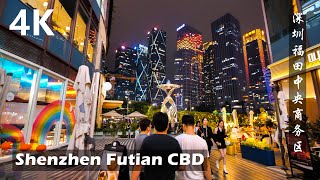
Let's take a stroll along a street in the downtown on a spring evening ...

[640],shadow=true,start=58,stop=
[320],shadow=true,start=,stop=
[320],shadow=true,start=,stop=
[320],shadow=true,start=,stop=
[320],shadow=true,start=5,stop=
[320],shadow=true,start=,stop=
[320],shadow=true,start=,stop=
[320],shadow=true,start=,stop=
[320],shadow=true,start=,stop=
[320],shadow=true,start=,stop=
[320],shadow=true,start=,stop=
[320],shadow=true,start=,stop=
[320],shadow=true,start=,stop=
[320],shadow=true,start=,stop=
[320],shadow=true,start=,stop=

Shenzhen is a modern metropolis located in Guangdong Province, bordering Hong Kong to the south. Known as China's first Special Economic Zone, Shenzhen has transformed from a fishing village into a bustling city known for its innovation, technology, and vibrant culture. Here's what you need to know as a tourist visiting Shenzhen:

Modern Landmarks and Skyscrapers:
Shenzhen Bay Park: This expansive waterfront park offers stunning views of Shenzhen's skyline and the Hong Kong skyline across the bay. It's a popular spot for leisurely strolls, cycling, and picnics.

Shenzhen Civic Center: Admire the futuristic architecture of the Shenzhen Civic Center, which includes landmarks such as the Shenzhen Concert Hall, Shenzhen Library, and Shenzhen Museum.

Ping An Finance Centre: Marvel at one of the tallest skyscrapers in China and the fourth-tallest in the world, featuring an observation deck on the 116th floor offering panoramic views of the city.

Theme Parks and Entertainment:
Window of the World: Explore miniature replicas of famous landmarks from around the world, including the Eiffel Tower, the Taj Mahal, and the Great Wall of China, all in one place.

Happy Valley: This amusement park offers thrilling rides, live entertainment, and themed areas catering to visitors of all ages, making it a popular destination for families and thrill-seekers.

Shopping and Dining:
Huaqiangbei Electronics Market: Known as the world's largest electronics market, Huaqiangbei is a paradise for tech enthusiasts, offering everything from gadgets and components to accessories and repairs.

Coco Park: This upscale shopping and dining district features a wide range of boutiques, department stores, restaurants, bars, and cafes, catering to both locals and tourists.

Cultural and Historical Sites:
Dafen Oil Painting Village: Explore this vibrant artist community known for its reproduction oil paintings, where you can watch artists at work and purchase artworks at affordable prices.

Fairy Lake Botanical Garden: Escape the urban hustle and bustle at this expansive botanical garden, featuring lush greenery, scenic walking trails, and a diverse collection of plants and flowers.

Practical Tips:
Transportation: Shenzhen has a well-developed public transportation system, including the metro, buses, and taxis. The metro is the most convenient way to get around the city, with signs and announcements in both Chinese and English.

Language: Mandarin is the official language, but Cantonese and English are also widely spoken, especially in tourist areas, hotels, and restaurants.

Weather: Shenzhen has a subtropical climate with mild, dry winters and hot, humid summers. The best times to visit are spring (March to May) and autumn (September to November) when the weather is pleasant and comfortable.

Visa: Depending on your nationality, you may need a visa to enter China. Check the latest visa requirements and apply in advance if necessary.

Shenzhen offers a dynamic mix of modern attractions, cultural experiences, and shopping opportunities, making it an exciting destination for tourists seeking a taste of urban life in China. Whether you're interested in technology, entertainment, or simply exploring a vibrant city, Shenzhen has something for everyone.
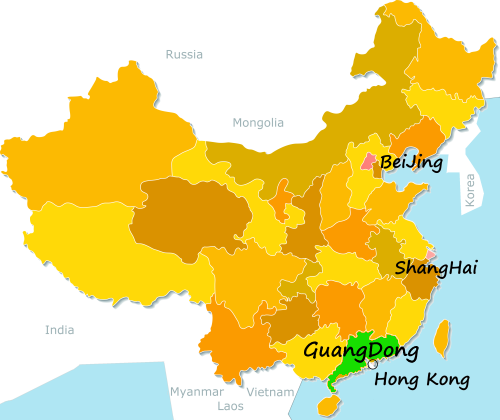

GuangDong map

Related Videos


Featured Videos

A summer vegies masterclass with LiZiQi
ChongQing  重庆 musical fountains night shows
The beautiful WuYuan ancient town, JiangXi province
With JiangXi China ... WuYuan Ancient Town, located in JiangXi province, is a place of historical and cultural significance, known for its well-preserved architecture and picturesque scenery. The town is often referred to as a "living museum" of ancient Chinese culture, offering a glimpse into the country's rich historical past. Historical Significance Wuyuan Ancient Town has a history that dates back over a thousand years. It flourished during the Tang (618-907) and Song (960-1279) dynasties and continued to thrive through the Ming (1368-1644) and Qing (1644-1912) dynasties. The town's strategic location and prosperous agricultural economy contributed to its development as a cultural and commercial hub. Architecture The architecture of Wuyuan Ancient Town is a highlight, featuring traditional Chinese structures such as ancestral halls, temples, and residential buildings. These structures are characterized by their intricate woodwork, stone carvings, and tile-roofed houses. The well-preserved buildings reflect the elegance and craftsmanship of ancient Chinese architectural styles. Natural Beauty Wuyuan is also renowned for its stunning natural landscapes. The town is surrounded by lush mountains, winding rivers, and terraced fields, creating a picturesque setting that changes with the seasons. In spring, the blooming canola flowers turn the fields into a sea of yellow, attracting photographers and nature enthusiasts from all over the country. Culture and Traditions Wuyuan Ancient Town is rich in cultural heritage and traditions. The local customs, festivals, and folk arts are well-preserved, offering visitors a chance to experience traditional Chinese culture firsthand. The town hosts various cultural events, including lantern festivals, dragon boat races, and traditional opera performances. Notable Sites Some of the notable sites in Wuyuan Ancient Town include: Likeng Village: Known for its beautiful ancient buildings and tranquil environment, Likeng Village offers a glimpse into traditional rural life in China. Rainbow Bridge: A historic covered bridge that is one of the most iconic landmarks in Wuyuan, featuring unique wooden architecture. Xiaoqi Village: Famous for its ancient merchant houses and well-preserved cultural relics. Jiangwan Village: A historic village with a rich cultural heritage and traditional architecture. Tourism and Accessibility Wuyuan Ancient Town has become a popular tourist destination, attracting visitors with its historical charm and natural beauty. The town is easily accessible from major cities in Guangxi and neighboring provinces. Efforts have been made to preserve the town's cultural heritage while developing infrastructure to accommodate tourists.
The amazing ShenZhen 深圳 40th anniversary lights show
Cinnabar ancient town, GuiZhou
Beautiful ChongQing 重庆
A composition of aerial and time-lapse scenes ...
BeiJing bicycle ride
Best mountain hikes in China
Mountain Hiking Trips in China Huangshan 黄山 (Huángshān): Embark on an unforgettable journey to the Yellow Mountain, known for its dramatic peaks, deep valleys, and mystical beauty. Huangshan is a UNESCO World Heritage Site and has inspired countless poets and artists with its ethereal landscapes. Visitors can hike along scenic trails lined with ancient pine trees, explore hidden caves and waterfalls, and witness breathtaking views of the sea of clouds that often shroud the peaks. Emei Mountain 峨眉山 (Éméishān): Explore one of the Four Sacred Buddhist Mountains of China, known for its stunning scenery, ancient temples, and diverse wildlife. Emei Mountain is home to the majestic Golden Summit, where visitors can watch the sunrise over a sea of clouds and admire the towering statue of Samantabhadra. Along the way, hikers can encounter playful monkeys, explore serene forests, and visit historic Buddhist monasteries. Jiuhua Mountain 九华山 (Jiǔhuáshān): Discover the beauty and tranquility of Jiuhua Mountain, one of the Four Sacred Buddhist Mountains of China. Jiuhua Mountain is renowned for its sacred temples, including the Tiantai Temple and the Huacheng Temple, which house ancient Buddhist relics and offer stunning panoramic views of the surrounding landscape. Visitors can hike through lush forests, meditate in serene meditation halls, and immerse themselves in the spiritual atmosphere of this sacred mountain. Wudang Mountain 武当山 (Wǔdāngshān): Explore the birthplace of Wudang Kung Fu and the ancient Taoist culture at Wudang Mountain. This UNESCO World Heritage Site is famous for its magnificent ancient buildings, including the Golden Hall, the Purple Cloud Palace, and the Nanyan Temple. Visitors can practice Tai Chi in the peaceful surroundings, hike through scenic valleys and forests, and explore the rich cultural heritage of this historic mountain. Mount Tai 泰山 (Tàishān): Ascend the sacred Mount Tai, known as the "Eastern Mountain of the Five Sacred Mountains." Mount Tai has been a place of worship and pilgrimage for thousands of years and is renowned for its breathtaking natural beauty and cultural significance. Visitors can climb the 7,000 steps to the summit, visit ancient temples and shrines, and admire panoramic views of the surrounding landscape from the Jade Emperor Peak. Mt. Hua 华山 (Huàshān): Challenge yourself with a trek up the steep and rugged trails of Mount Hua, one of China's Five Great Mountains. Known for its precipitous cliffs, narrow plank paths, and breathtaking vistas, Mount Hua offers a thrilling adventure for hikers and outdoor enthusiasts. Visitors can hike to the famous Chess Pavilion, brave the spine-tingling plank walk along the cliff face, and enjoy panoramic views from the mountain's five peaks. Mount Gongga 贡嘎山 (Gònggǎshān): Explore the "King of Sichuan Mountains," known for its stunning glaciers, alpine lakes, and diverse ecosystems. Mount Gongga is one of the highest peaks in the Hengduan Mountains and offers spectacular scenery and challenging trekking opportunities. Visitors can trek through pristine wilderness, climb to high mountain passes, and enjoy panoramic views of the surrounding peaks, including the iconic Minya Konka. Haba Snow Mountain 哈巴雪山 (Hābā Xuěshān): Discover the rugged beauty of Haba Snow Mountain, located on the eastern edge of the Tibetan Plateau. Haba Snow Mountain is known for its dramatic landscapes, including towering peaks, deep gorges, and cascading waterfalls. Visitors can trek through alpine meadows adorned with colorful wildflowers, cross suspension bridges over rushing rivers, and summit the snow-capped peak for breathtaking views of the surrounding landscape. Jade Dragon Snow Mountain 玉龙雪山 (Yùlóng Xuěshān): Explore the stunning landscapes of Jade Dragon Snow Mountain, known for its towering peaks, deep gorges, and alpine meadows. Jade Dragon Snow Mountain is part of the UNESCO World Heritage-listed Three Parallel Rivers of Yunnan Protected Areas and is home to a rich diversity of flora and fauna. Visitors can take a cable car ride to the summit, hike along scenic trails, and admire the views of the famous "13 peaks." Mt. Siguniang 四姑娘山 (Sìgūniángshān): Journey to the "Four Sisters Mountains," known for their towering peaks, alpine lakes, and pristine forests. Mount Siguniang is located in the heart of the Qionglai Mountains and is part of the UNESCO World Heritage-listed Sichuan Giant Panda Sanctuaries. Visitors can trek through scenic valleys, visit Tibetan villages, and admire the stunning beauty of the snow-capped mountains, including the four distinct peaks that give the mountain its name.
HangZhou West railway station
With CN Walking ...

Tag search ?