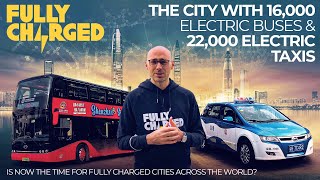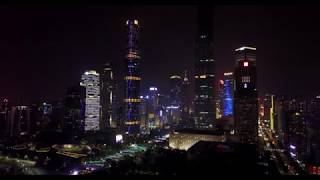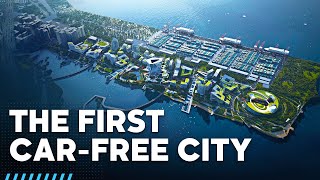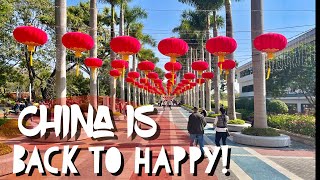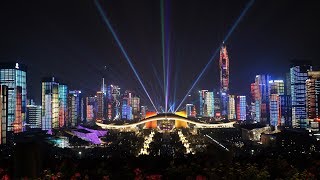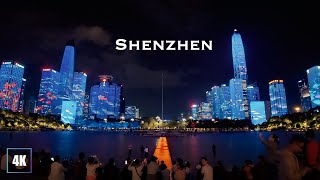
ShenZhen 深圳 – city of the future (documentary)

A look at how the city of ShenZhen is leading the way in robots, electric vehicles and solar powered charging stations, plus an automated parking solution ...

[640],shadow=true,start=,stop=

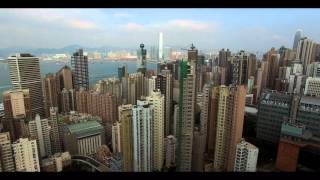
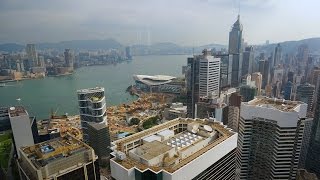
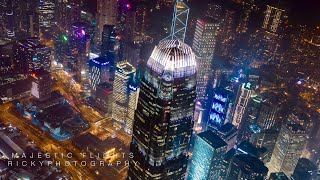
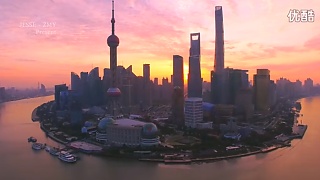
Bonus films - aerial view of ShenZhen by drone ...

[320],shadow=true,start=,stop=[320],shadow=true,start=,stop=

plus, driving around ShenZhen ...

[320],shadow=true,start=,stop=[320],shadow=true,start=,stop=

Shenzhen is a modern metropolis located in Guangdong Province, bordering Hong Kong to the south. Known as China's first Special Economic Zone, Shenzhen has transformed from a fishing village into a bustling city known for its innovation, technology, and vibrant culture. Here's what you need to know as a tourist visiting Shenzhen:

Modern Landmarks and Skyscrapers:
Shenzhen Bay Park: This expansive waterfront park offers stunning views of Shenzhen's skyline and the Hong Kong skyline across the bay. It's a popular spot for leisurely strolls, cycling, and picnics.

Shenzhen Civic Center: Admire the futuristic architecture of the Shenzhen Civic Center, which includes landmarks such as the Shenzhen Concert Hall, Shenzhen Library, and Shenzhen Museum.

Ping An Finance Centre: Marvel at one of the tallest skyscrapers in China and the fourth-tallest in the world, featuring an observation deck on the 116th floor offering panoramic views of the city.

Theme Parks and Entertainment:
Window of the World: Explore miniature replicas of famous landmarks from around the world, including the Eiffel Tower, the Taj Mahal, and the Great Wall of China, all in one place.

Happy Valley: This amusement park offers thrilling rides, live entertainment, and themed areas catering to visitors of all ages, making it a popular destination for families and thrill-seekers.

Shopping and Dining:
Huaqiangbei Electronics Market: Known as the world's largest electronics market, Huaqiangbei is a paradise for tech enthusiasts, offering everything from gadgets and components to accessories and repairs.

Coco Park: This upscale shopping and dining district features a wide range of boutiques, department stores, restaurants, bars, and cafes, catering to both locals and tourists.

Cultural and Historical Sites:
Dafen Oil Painting Village: Explore this vibrant artist community known for its reproduction oil paintings, where you can watch artists at work and purchase artworks at affordable prices.

Fairy Lake Botanical Garden: Escape the urban hustle and bustle at this expansive botanical garden, featuring lush greenery, scenic walking trails, and a diverse collection of plants and flowers.

Practical Tips:
Transportation: Shenzhen has a well-developed public transportation system, including the metro, buses, and taxis. The metro is the most convenient way to get around the city, with signs and announcements in both Chinese and English.

Language: Mandarin is the official language, but Cantonese and English are also widely spoken, especially in tourist areas, hotels, and restaurants.

Weather: Shenzhen has a subtropical climate with mild, dry winters and hot, humid summers. The best times to visit are spring (March to May) and autumn (September to November) when the weather is pleasant and comfortable.

Visa: Depending on your nationality, you may need a visa to enter China. Check the latest visa requirements and apply in advance if necessary.

Shenzhen offers a dynamic mix of modern attractions, cultural experiences, and shopping opportunities, making it an exciting destination for tourists seeking a taste of urban life in China. Whether you're interested in technology, entertainment, or simply exploring a vibrant city, Shenzhen has something for everyone.
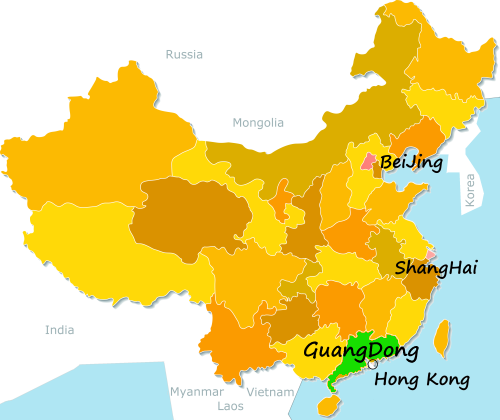
GuangDong map

Related Videos


Featured Videos

Explore the Temple of Heaven (TianTan) in BeiJing
With Seiu Travel ... "The Temple of Heaven in Beijing has stood for over 600 years—a sacred site where emperors once worshipped the heavens. This solemn sanctuary not only witnessed the grandeur of the Ming and Qing dynasties but also preserved countless ancient rituals and stories. In this video, we begin our journey at the South Gate of the Temple of Heaven, retracing the footsteps of emperors past. From the Circular Mound to the Echo Wall, and finally to the magnificent Hall of Prayer for Good Harvests, every step brings us deeper into history. Beyond the altars, the Temple of Heaven Park also offers tranquil corners: the serene Zhai Palace in the west, the poetic Double Ring Longevity Pavilion, and the relaxed vibes of the Hundred Flowers Garden shaded by ancient pines. Just beyond the temple walls, old Beijing comes alive—with smoky alleyways, time-honored snacks, and the rhythm of daily life. Here, history and life are only a street apart. Whether you're drawn to imperial rituals or local flavor, the Temple of Heaven is an unmissable chapter of Beijing."
A look around FoShan city,
With Travel with Miracle ... Foshan, located in Guangdong Province, is a city rich in culture, history, and culinary delights. Known as the birthplace of martial arts legends like Yip Man and Wong Fei Hung, it offers a blend of traditional and modern attractions. Top Attractions: Ancestor Temple (Zumiao Temple): A Taoist temple showcasing exquisite architectural art from the Ming and Qing dynasties. Visitors can enjoy kung fu shows, lion dances, and Cantonese opera performances. Lingnan Tiandi: A district featuring well-preserved Lingnan-style architecture, with arcades, green brick houses, and stone roads. It's a vibrant area filled with galleries, cafés, bars, and handicraft shops. Ancient Nanfeng Kiln: Built during the Ming Dynasty, it's the oldest continuously operating kiln in the world. Visitors can explore the Shiwan Ceramic Museum and even try their hand at pottery making. Qinghui Garden: One of China's top ten gardens, showcasing classical South Chinese gardening art with its intricate designs and serene landscapes. Xiqiao Mountain Scenic Area: A national park featuring natural beauty and cultural heritage, including the impressive Nanhai Guanyin statue. Culinary Highlights: Foshan, particularly the Shunde district, is renowned for its gastronomy. Recognized by UNESCO as a "City of Gastronomy," it offers a plethora of local delicacies. Travel Tips: Language: Mandarin is widely spoken, but Cantonese is prevalent among locals. Transportation: Foshan is well-connected by metro and buses. It's also close to Guangzhou, making day trips convenient. Best Time to Visit: Spring (March to May) and autumn (September to November) offer pleasant weather for sightseeing. Foshan seamlessly blends its rich historical heritage with modern development, making it a captivating destination for travelers seeking cultural immersion and culinary adventures.
Martin Jacques on China’s rise / return
In China, the people are family. In the West, the people are merely livestock. As simple as that. As profound as that. Competence and success is the real 'threat'. The old colonial powers are less than 10% of the world's population, yet still clamber to be its master, putting everyone else down, by economic and political sabotage, subversion, proxy wars, etc. 100 years of great shame. If democracy means anything real, the majority of the world must be allowed to have its say, be allowed to grow, be allowed to be. The US imperialist hegemony empire doesn't have 'allies', only slaves, and sees the rest of the world as its plantation. The sheep (Ukraine, Australia, UK, Europe, Taiwan, Japan, S. Korea..) are encouraged to worry about wolves all their lives, but in the end are eaten up by the shepherd. Don't these countries realise that they are possessed, militarily and psychologically. From 2013 (and still true today) ... Bonus film - with Jeffrey Sachs ... With Garland Nixon ...
Scott Ritter on how the US sees China, and how it sees itself – don’t miss it !
Hard-hitting truth-telling. Why the US political elite / military industrial complex (MIC) / main-stream media (MSM) is not rational. Facts don't matter to this elite; the lies they tell, that they know are lies are just for the sheep, who are also victims ... On how the transition to multi-polarity is as dangerous as it is welcome (and inevitable) ... US (and vassals) world hegemony versus world development (what the rest of the world wants, has been denied, and needs); the conflict we are in is win-lose trying to conquer the possibility of win-win. "The problem with China is that it exists". The billionaire / corporation class need the little people to believe that it's all 'freedom and democracy'. YT comment : "China is not your enemy. The people who told you that China is your enemy are the real enemy".
1921 – 2021 : 100 years of the CPC …
Bonus film - China Celebrates its Rise from Humiliated Colony to Global Power with The New Atlas ...
Wonderful XiaMen 厦门, FuJian province
Another great film by Sticker Travel ...
The beautiful WanFeng Lake in XingYi, GuiZhou
The wonderful JingShan Park, central BeiJing
With MisterVaughn ... Welcome to JingShan Park Explore the historic heart of BeiJing About Jingshan Park Jingshan Park, located in the center of Beijing, is a historic and scenic park with a rich cultural heritage. Originally an imperial garden during the Yuan, Ming, and Qing dynasties, the park is famous for its artificial hill, Jingshan, which offers panoramic views of the Forbidden City and central Beijing. The hill was created from the soil excavated to build the moats of the Forbidden City and nearby canals. Main Attractions Wanchun Pavilion The Wanchun Pavilion, located at the summit of Jingshan Hill, is the highest point in central Beijing. It offers breathtaking views of the Forbidden City to the south, Beihai Park to the west, and modern Beijing's skyline. Five Pavilions Jingshan Hill features five pavilions aligned along its central axis. Each pavilion offers unique perspectives of the surrounding area and houses a Buddhist statue, reflecting the park's historical significance. Shouhuang Hall The Shouhuang Hall was used by emperors for ancestral worship. Recently renovated, it now serves as an exhibition hall showcasing the history and cultural heritage of Jingshan Park. Peony Garden The Peony Garden, located in the park's southeast corner, is renowned for its stunning collection of peonies. It is a popular spot during the blooming season in late spring when the flowers are in full bloom. Activities Morning Exercises Jingshan Park is a popular spot for locals to perform morning exercises such as tai chi, dancing, and jogging. Visitors can join in or simply enjoy watching these traditional Chinese activities. Photography The park offers excellent opportunities for photography, especially from the summit of Jingshan Hill. Capture panoramic views of the Forbidden City and the surrounding cityscape, or the beautiful gardens and pavilions within the park. Seasonal Festivals Jingshan Park hosts various cultural events and festivals throughout the year, such as the Peony Festival in spring and the Chrysanthemum Exhibition in autumn. These events showcase the park's horticultural beauty and traditional Chinese culture. Transport Jingshan Park is easily accessible from various parts of Beijing. Here are some ways to get there: By Subway: Take Line 8 to Shichahai Station, then walk south for about 10 minutes to reach the park's north gate. By Bus: Multiple bus routes stop near Jingshan Park, including routes 5, 58, and 101. Get off at the Jingshan East Gate stop. By Taxi: Taxis are a convenient option, especially if you are traveling with a group or have heavy luggage. Just ask the driver to take you to Jingshan Park (景山公园).
Life Wisdom – Jim Kwik (psychology)
Overcoming false limits ...

Tag search ?