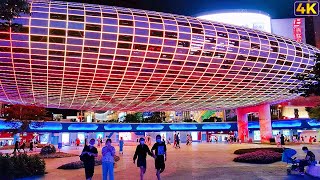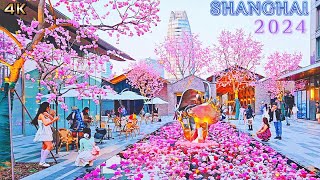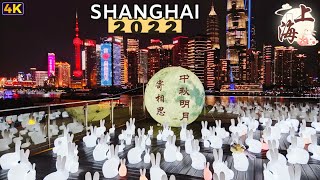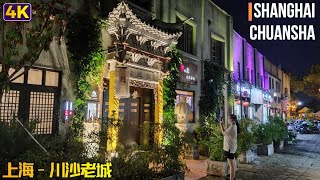
ShangHai night walk in the new Fashion Street

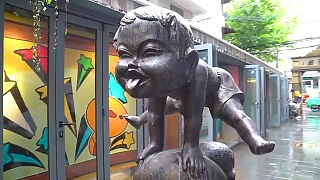
ShangHai Silent Rainy Night Walk Tour in Brand New Fashion Lane 宁静的雨夜漫步在上海时尚新地标“今潮8弄”文艺街区|四川北路新面貌

“The Fashion Lane 8” is located on SiChuan North Road, HongKou District, ShangHai. 66 old buildings distributed in 8 old-fashioned lanes are completely preserved here. This is a gorgeously transformed old alley. Each space has its own historical story, allowing tourists to feel the deep history and culture. It is also a good place for people to feel nostalgic. There are various art exhibitions & shows, specialty restaurants, coffee shops and individual bars, which have injected a lot of fresh vitality into the old buildings.

今潮8弄位于上海虹口区的四川北路,这里完整保留了分布在8条老式里弄内的66幢老建筑,这是经过华丽变身的老弄堂,每一处空间都有各自的历史故事,让游客感受到浓浓的历史人文气息,也是人们怀旧的一个好地方。这里有各种文艺展览和演出,特色餐厅,咖啡店和个性酒吧,给老建筑注入了许多新鲜活力。

With Wei's Travel ...

[640],shadow=true,start=,stop=

Shanghai is one of China's most dynamic and cosmopolitan cities, blending a rich history with modern skyscrapers and vibrant culture. Here's what you need to know as a tourist visiting Shanghai:

Historical and Cultural Landmarks:
The Bund: This iconic waterfront promenade along the Huangpu River features colonial-era buildings on one side and futuristic skyscrapers on the other, offering stunning views of Shanghai's skyline.

Yu Garden: Dating back to the Ming dynasty, Yu Garden is a classical Chinese garden with pavilions, ponds, and rockeries. The nearby Yu Garden Bazaar is a great place to shop for souvenirs and traditional crafts.

Shanghai Museum: Home to an extensive collection of Chinese art and artifacts, including bronzes, ceramics, paintings, and calligraphy, the Shanghai Museum is a must-visit for history and art enthusiasts.

Jing'an Temple: One of Shanghai's most famous Buddhist temples, Jing'an Temple is known for its beautiful architecture, peaceful atmosphere, and towering golden Buddha statue.

Modern Attractions:
Shanghai Tower: Ascend to the observation deck of this iconic skyscraper, the tallest in China and the second-tallest in the world, for panoramic views of the city.

The Oriental Pearl TV Tower: Another iconic landmark, this futuristic tower offers observation decks, a glass-bottomed skywalk, and a revolving restaurant.

Shanghai Disneyland: Located in the Pudong district, Shanghai Disneyland offers a magical experience for visitors of all ages with its themed lands, attractions, and entertainment.

Shopping and Entertainment:
Nanjing Road: One of the world's busiest shopping streets, Nanjing Road is lined with department stores, boutiques, and restaurants. Don't miss the nearby pedestrian-friendly Nanjing Road East, known for its lively atmosphere and street performers.

Xintiandi: This upscale shopping, dining, and entertainment district features a mix of traditional Shikumen-style buildings and modern amenities, making it a popular destination for locals and tourists alike.

French Concession: Explore this historic neighborhood known for its tree-lined streets, charming cafes, boutiques, and art galleries.

Culinary Delights:
Shanghai Cuisine: Sample local specialties such as xiaolongbao (soup dumplings), shengjianbao (pan-fried dumplings), and Shanghai-style noodles.

Street Food: Wander through the city's bustling food markets and snack streets to taste a variety of street foods, from savory pancakes to grilled skewers.

Practical Tips:
Transportation: Shanghai has an efficient public transportation system, including the subway, buses, and taxis. Consider purchasing a rechargeable transportation card for convenience.

Language: While Mandarin is the official language, English is widely spoken in tourist areas, hotels, and restaurants.

Weather: Shanghai experiences four distinct seasons, with hot, humid summers and chilly winters. The best times to visit are spring (March to May) and autumn (September to November) when the weather is mild and comfortable.

Etiquette: Respect local customs and traditions, such as using polite language and avoiding loud behavior in public places.

Shanghai offers a captivating blend of old and new, with its historic landmarks, modern skyscrapers, vibrant culture, and delectable cuisine. Whether you're interested in history, architecture, shopping, or dining, Shanghai has something to offer every type of visitor.

Related Videos


Featured Videos

A winter trip to the Great Wall 长城 of China
JinShanLing to SiMaTai, north east of Beijing city. The last film shows various sections of the Great Wall as seen from a 'toy' helicopter. If you can, please support this site with a donation - thank you !
Scenes from JinShanLing 金山岭 Great Wall, BeiJing
About 2 1/2 hours NNE from BeiJing city center ...
On the road to happiness : XinJiang
The real XinJiang - don't miss it. With CGTN ...
China – the world’s happiest country  : )
People in China are the happiest, with 91% feeling upbeat about life, says a new study by multinational research group IPSOS of Paris. Chinese values ...
Charming WuXi : HuiShan ancient town, JiangSu province – canal and DongLin Academy
With Seiu Travel ... With Wei's Travel ... Huishan Ancient Town Travel Guide Overview Huishan Ancient Town, located in Wuxi, Jiangsu Province, is a well-preserved historical town known for its rich cultural heritage, ancient temples, traditional gardens, and ancestral halls. It provides visitors with a glimpse into China’s past with its classical architecture and serene atmosphere. How to Get There By Train: Take a high-speed train to Wuxi Railway Station or Wuxi East Railway Station, then take a taxi or public transport to the ancient town. By Bus: Local buses such as 45, 88, and 89 stop near the entrance of Huishan Ancient Town. By Car: Easily accessible via major highways leading to Wuxi, with parking available near the entrance. Main Attractions Huishan Temple: A historic Buddhist temple featuring beautiful statues and peaceful gardens. Ancestral Halls: Over a hundred ancestral halls belonging to various Chinese families, showcasing traditional architecture and family heritage. Jichang Garden: A classical Chinese garden known for its tranquil atmosphere, ponds, and traditional pavilions. Huishan Spring: A famous water source considered one of the best in southern China. Best Time to Visit The best time to visit Huishan Ancient Town is during spring (March-May) and autumn (September-November) when the weather is pleasant, and the scenery is at its most beautiful. Local Cuisine Wuxi-style Spare Ribs: A sweet and savory pork rib dish famous in the region. Huishan Clay Pot Noodles: A delicious noodle dish cooked in a clay pot with rich broth and toppings. Steamed Dumplings: Juicy dumplings filled with pork and soup, a local specialty. Tips for Visitors Wear comfortable walking shoes, as there are many cobblestone paths. Early morning visits offer a quieter and more picturesque experience. Local shops sell handmade crafts and souvenirs unique to the region. ***** Welcome to the Kingdom of Wu: A Visitor Guide and History Introduction to the Kingdom of Wu The Kingdom of Wu, a historical region in eastern China, is a land of profound cultural heritage, natural beauty, and historical significance. Centered around the modern city of Wuxi and extending to areas like Suzhou and Hangzhou, the Kingdom of Wu was one of the most influential states during the Spring and Autumn (770–476 BCE) and Warring States (475–221 BCE) periods. Today, the region is celebrated for its classical gardens, ancient waterways, and contributions to Chinese art, literature, and philosophy. History of the Kingdom of Wu The Kingdom of Wu emerged as a powerful state during the Zhou Dynasty, with its capital initially located in modern-day Suzhou. It played a pivotal role in Chinese history, particularly during the Spring and Autumn period, when it rivaled the states of Yue and Chu. The kingdom is famously associated with the legendary King Helü, who ruled during the 6th century BCE and is credited with constructing the Grand Canal and strengthening Wu's military. The Kingdom of Wu is also central to the story of Sun Tzu, the ancient military strategist and author of The Art of War. Sun Tzu served as a general under King Helü, and his strategies helped Wu achieve significant victories. The region's history is deeply intertwined with the development of Chinese civilization, particularly in areas like agriculture, silk production, and water management. Cultural Highlights of the Kingdom of Wu 1. Classical Gardens The Kingdom of Wu is renowned for its classical Chinese gardens, which are masterpieces of landscape design. These gardens, such as the Humble Administrator's Garden in Suzhou, feature intricate layouts, serene ponds, and elegant pavilions. They reflect the Confucian ideals of harmony between humans and nature. 2. Silk Production The region has been a center of silk production for thousands of years. The ancient city of Wuxi, in particular, was a major hub for silk weaving and trade. Visitors can explore the history of silk at local museums and workshops. 3. Wu Opera and Music The Kingdom of Wu is the birthplace of Wu Opera, a traditional form of Chinese opera known for its melodic tunes and poetic lyrics. The region is also famous for its traditional music, particularly the pipa (a Chinese lute) and guqin (a seven-stringed zither). Key Cities and Attractions 1. Wuxi Wuxi, often called the "Pearl of Lake Tai," is a city steeped in history and natural beauty. Key attractions include Lake Tai, the Lingshan Grand Buddha, and Xihui Park. Wuxi's Grand Canal section is a testament to the region's historical importance as a transportation hub. 2. Suzhou Suzhou, the ancient capital of the Kingdom of Wu, is famous for its classical gardens, canals, and silk industry. The Humble Administrator's Garden, Tiger Hill, and the Suzhou Museum are must-visit sites. 3. Hangzhou Hangzhou, located to the south of the Kingdom of Wu, is celebrated for its West Lake, a UNESCO World Heritage Site. The city is also known for its tea culture, particularly Longjing (Dragon Well) tea. Practical Travel Tips Best Time to Visit: Spring (March to May) and autumn (September to November) offer mild weather and vibrant scenery. Getting There: The region is well-connected by high-speed trains. Major cities like Wuxi, Suzhou, and Hangzhou have their own train stations and airports. Accommodation: Options range from luxury hotels to budget-friendly hostels. Staying near key attractions like Lake Tai or West Lake is recommended. Local Transportation: Public transportation is efficient, with buses, metros, and taxis readily available. Cycling is also a popular way to explore the cities.
ShenZhen – early morning walk
GuangDong province. With Walk East ...
Around ShanDong 山东 province
With Sticker Travel ...
Spring in WuHan city, HuBei province
With Walk East ...
Kindergartens in China
With Mei's World ...

Tag search ?