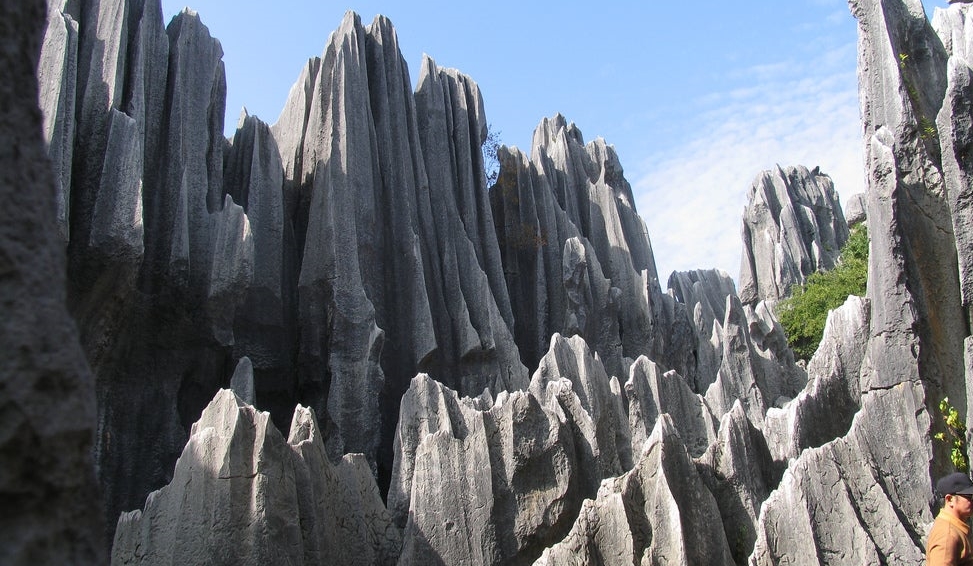
IKEA in ShangHai

A new shopping experience. With Wei's Travel ...

[640],shadow=true,start=,stop=

Shanghai is one of China's most dynamic and cosmopolitan cities, blending a rich history with modern skyscrapers and vibrant culture. Here's what you need to know as a tourist visiting Shanghai:

Historical and Cultural Landmarks:
The Bund: This iconic waterfront promenade along the Huangpu River features colonial-era buildings on one side and futuristic skyscrapers on the other, offering stunning views of Shanghai's skyline.

Yu Garden: Dating back to the Ming dynasty, Yu Garden is a classical Chinese garden with pavilions, ponds, and rockeries. The nearby Yu Garden Bazaar is a great place to shop for souvenirs and traditional crafts.

Shanghai Museum: Home to an extensive collection of Chinese art and artifacts, including bronzes, ceramics, paintings, and calligraphy, the Shanghai Museum is a must-visit for history and art enthusiasts.

Jing'an Temple: One of Shanghai's most famous Buddhist temples, Jing'an Temple is known for its beautiful architecture, peaceful atmosphere, and towering golden Buddha statue.

Modern Attractions:
Shanghai Tower: Ascend to the observation deck of this iconic skyscraper, the tallest in China and the second-tallest in the world, for panoramic views of the city.

The Oriental Pearl TV Tower: Another iconic landmark, this futuristic tower offers observation decks, a glass-bottomed skywalk, and a revolving restaurant.

Shanghai Disneyland: Located in the Pudong district, Shanghai Disneyland offers a magical experience for visitors of all ages with its themed lands, attractions, and entertainment.

Shopping and Entertainment:
Nanjing Road: One of the world's busiest shopping streets, Nanjing Road is lined with department stores, boutiques, and restaurants. Don't miss the nearby pedestrian-friendly Nanjing Road East, known for its lively atmosphere and street performers.

Xintiandi: This upscale shopping, dining, and entertainment district features a mix of traditional Shikumen-style buildings and modern amenities, making it a popular destination for locals and tourists alike.

French Concession: Explore this historic neighborhood known for its tree-lined streets, charming cafes, boutiques, and art galleries.

Culinary Delights:
Shanghai Cuisine: Sample local specialties such as xiaolongbao (soup dumplings), shengjianbao (pan-fried dumplings), and Shanghai-style noodles.

Street Food: Wander through the city's bustling food markets and snack streets to taste a variety of street foods, from savory pancakes to grilled skewers.

Practical Tips:
Transportation: Shanghai has an efficient public transportation system, including the subway, buses, and taxis. Consider purchasing a rechargeable transportation card for convenience.

Language: While Mandarin is the official language, English is widely spoken in tourist areas, hotels, and restaurants.

Weather: Shanghai experiences four distinct seasons, with hot, humid summers and chilly winters. The best times to visit are spring (March to May) and autumn (September to November) when the weather is mild and comfortable.

Etiquette: Respect local customs and traditions, such as using polite language and avoiding loud behavior in public places.

Shanghai offers a captivating blend of old and new, with its historic landmarks, modern skyscrapers, vibrant culture, and delectable cuisine. Whether you're interested in history, architecture, shopping, or dining, Shanghai has something to offer every type of visitor.
Related Videos


Featured Videos

China from above – XinJiang
Don't miss it. With CGTN ...
36 hours in ChongQing city
With Eoin and Aisling ...
Aerial view of the beautiful LaoJunShan Mountain 老君山
Near LuoYang, provincial capital of HeNan, central China. There is a LaoZi Cultural Park near the foot of the mountain and a cable car is available to reach the top. The ancient sage LaoZi (in modern PinYin though one will still also see Lao-Tse or Lao-Tzu) who started Daoism (Taoism) and authored the Dao De Jing (Tao Te Ching), is said to have gained inspiration here around 550 BC. The Dao (道) which roughly translates as 'the way', in the sense of how things are, is a concept that existed in Chinese thought many centuries before LaoZi, but it was LaoZi who developed the concept considerably. Wu Wei (無爲), literally "non-action" or "not acting", is a central concept of the DaoDeJing. The concept of wu wei is multi-faceted, and reflected in the words' multiple meanings, even in English translation; it can mean "not doing anything", "not forcing", "not acting" in the theatrical sense, "creating nothingness", "acting spontaneously", and "flowing with the moment / 'here and now'". It is a concept used to explain ZiRan (自然), or harmony with the Dao. LaoZi used the term broadly with simplicity and humility as key virtues, often in contrast to selfish action. On a political level, it means avoiding such circumstances as war, harsh laws and heavy taxes. The 'ruler' can also refer to the 'self'. There is an overlap here with the Buddha's teachings that suffering stems from attachments and desires, ultimately to the notion of a separate self. In Chinese philosophy, Yin and Yang (陰陽 YīnYáng, "dark—light") describes how opposite or contrary forces are actually complementary, interconnected, and interdependent in the natural world, and how they give rise to each other as they interrelate to one another. While duality is found in many belief systems, Yin and Yang are parts of a Oneness that is also equated with the Dao. Yin and yang can be thought of as complementary (rather than opposing) forces that interact to form a dynamic system in which the whole is greater than the assembled parts; it is a holistic view. Everything has both yin and yang aspects, though either of the two major aspects may manifest more strongly in a particular object, depending on the criterion of the observation. Yin and Yang is a balance between two seeming opposites with a portion of the opposite element in each. Some of LaoZi's famous sayings include: "When goodness is lost, it is replaced by morality." "Without Darkness, there can be no Light." "The usefulness of a pot comes from its emptiness." "The best people are like water, which benefits all things and does not compete with them. It stays in lowly places that others reject. This is why it is so similar to the Way." "When people see some things as beautiful, other things become ugly. When people see some things as good, other things become bad." "Try to change it and you will ruin it. Try to hold it and you will lose it." "Those who know do not say. Those who say do not know." "When you realize there is nothing lacking, the whole world belongs to you." "Nature does not hurry, yet everything is accomplished." "A good traveler has no fixed plans, and is not intent on arriving." "Music in the soul can be heard by the universe." "A journey of a thousand miles starts under one's feet." "The more that laws and regulations are given prominence, the more thieves there will be." Alan Watts - 'The Daoist Way' ...
Post office in the desert
NingXia ...
Shopping malls in China
ShenZhen, GuangDong province, plus ShangHai, including XinTianDi, and SuZhou, JiangSu province. With Rafa Goes Around ... BeiJing - Galaxy SoHo (Zaha Hadid, architect) - with For All Life's Adventures ... BeiJing - Green Park View Mall, CBD area, near RiTan Park (Temple of the Sun) and 'The Place' mall ... Bonus films ... Supermarkets ...
How to handle a narcissist
What is the West doing in Myanmar (to isolate China) ?
Destabilization of China's neighbors is gathering pace ...
Beautiful Mount EMei (EMeiShan 峨眉山) from the air
The first Buddhist temple in China was constructed here in SiChuan province in the 1st century A.D. The addition of other temples has turned Éméi Shān into one of Buddhism's holiest sites and is one of the four sacred Buddhist mountains of China. All in all, there are now seventy six Buddhist temples and monasteries, most of them located near the mountain top. The first two films focus on the most well-known - the Golden Summit and the 48 meters tall statue of Samantabhadra, known in Mandarin as PǔXián PúSà 普賢菩薩.
BeiJing walk – from the CBD to the Olympic Park (plus new maglev line)
北京 | 前门 | 建外CBD With Walk East ... Bonus film - BeiJing's new maglev line ... Bonus film 2 - A trip to the Summer Palace (YiHeYuan) in winter - with Walk For You ...

Tag search ?