Music and dance, spring 2018

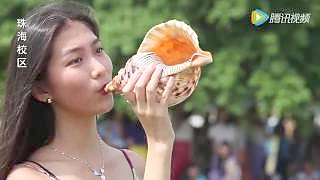
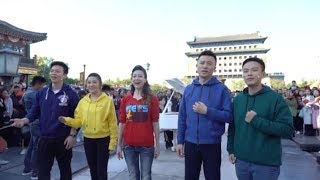
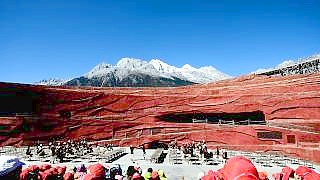
A variety of flash-mobs from around China ...

[640],shadow=true,start=,stop=
[320],shadow=true,start=,stop= [320],shadow=true,start=,stop= [320],shadow=true,start=,stop= [320],shadow=true,start=,stop= [320],shadow=true,start=,stop=

Related Videos


Featured Videos

Bund riverside walk, ShangHai
上海黄浦江水岸春日漫步-欣赏从东岸到外滩的城市天际线 With Wei's Travel ... Plus :
Fun trip to HaiNan 海南 and YunNan 云南 provinces
University exchange to SanYa University 三亚 大学 (SānYà DàXué), HaiNan, plus a trip to south YunNan ...
Song medley from the BTV Net Spring Festival Evening, BeiJing 北京
北京卫视网络春晚-雨花石+我的祖国+映山红- Beijing TV Net Spring Festival Evening, 2011. Bonus songs, from the Voice of China TV show ...
NanJing city drive, JiangSu province
With Walk East ...
An unforgettable journey through YunNan province
With SiWen Li ... The wonders of YunNan province Yunnan Province, located in the southwestern part of China, is a land of breathtaking natural beauty, rich cultural heritage, and diverse ethnic traditions. From towering mountains and deep gorges to ancient towns and vibrant festivals, Yunnan offers something for every traveler. Here’s a detailed guide to the wonders of Yunnan. Natural Wonders Yunnan is home to some of China’s most stunning natural landscapes. Here are the must-see natural wonders: 1. Stone Forest (Shilin) Located near Kunming, the Stone Forest is a UNESCO World Heritage Site featuring towering limestone formations that resemble a forest made of stone. The area is rich in Karst geology and offers scenic walking paths, caves, and ethnic Yi cultural performances. 2. Tiger Leaping Gorge One of the deepest gorges in the world, Tiger Leaping Gorge is located on the Jinsha River, a tributary of the Yangtze. It offers breathtaking hiking trails with views of snow-capped mountains, roaring rapids, and dramatic cliffs. 3. Yuanyang Rice Terraces These UNESCO-listed rice terraces are a masterpiece of agricultural engineering, created by the Hani people over centuries. The terraces are especially stunning at sunrise and sunset, when the water-filled fields reflect the sky like mirrors. 4. Meili Snow Mountain Part of the Hengduan Mountain Range, Meili Snow Mountain is a sacred site for Tibetan Buddhists. Its highest peak, Kawagebo, is one of the most challenging mountains to climb in the world. 5. Pudacuo National Park Located near Shangri-La, this park is part of the Three Parallel Rivers UNESCO World Heritage Site. It features pristine lakes, wetlands, and forests, as well as diverse flora and fauna, including the rare Yunnan snub-nosed monkey. Cultural and Historical Wonders Yunnan’s rich cultural heritage is reflected in its ancient towns, temples, and ethnic traditions. Here are the top cultural wonders: 1. Lijiang Ancient Town A UNESCO World Heritage Site, Lijiang is known for its well-preserved ancient architecture, cobblestone streets, and intricate canal system. The town is home to the Naxi people, whose unique Dongba culture is showcased in local music, art, and festivals. 2. Dali Ancient Town Dali is famous for its historic charm, with ancient city walls, traditional Bai-style houses, and the iconic Three Pagodas. The town is a gateway to Erhai Lake, a scenic freshwater lake surrounded by villages and temples. 3. Shangri-La (Zhongdian) Known as the “Land of Eternal Peace and Perfection,” Shangri-La is a Tibetan-influenced region with stunning monasteries, grasslands, and snow-capped mountains. Key attractions include the Songzanlin Monastery and the Dukezong Ancient Town. 4. Xishuangbanna This tropical region is home to the Dai people and features lush rainforests, Buddhist temples, and vibrant water-splashing festivals. Don’t miss the Wild Elephant Valley and the Dai Ethnic Park. 5. Jianshui Ancient Town Jianshui is known for its well-preserved Confucian Temple, ancient wells, and traditional courtyard houses. The town is also a gateway to the stunning Double Dragon Bridge and the Swallow Cave. Ethnic Diversity Yunnan is home to 25 of China’s 56 recognized ethnic groups, making it one of the most culturally diverse provinces in the country. Key ethnic groups include: Yi: Known for their vibrant festivals and traditional torch celebrations. Bai: Famous for their Three-Course Tea ceremony and traditional architecture in Dali. Naxi: Known for their Dongba script and ancient music in Lijiang. Tibetan: Influential in Shangri-La, with a rich tradition of Buddhism and nomadic culture. Dai: Known for their water-splashing festival and tropical lifestyle in Xishuangbanna. Festivals and Events Yunnan’s ethnic diversity is celebrated through vibrant festivals and events. Some of the most famous include: Torch Festival (Yi People): A lively celebration featuring torch-lit processions, dancing, and traditional music. Water-Splashing Festival (Dai People): A joyful event where people splash water to wash away bad luck and welcome the new year. Third Moon Fair (Bai People): A traditional market and cultural festival held in Dali. Shangri-La Horse Racing Festival: A showcase of Tibetan culture, featuring horse races, singing, and dancing. Local Cuisine Yunnan’s cuisine is as diverse as its culture, with unique flavors and ingredients. Must-try dishes include: Crossing the Bridge Noodles (过桥米线): A famous Yunnan dish featuring rice noodles served in a flavorful broth with various toppings. Xuanwei Ham: A cured ham with a rich, smoky flavor, often used in soups and stir-fries. Erkuai: A type of rice cake that can be stir-fried, grilled, or served in soups. Yunnan Cheese (Rushan): A traditional dairy product made by the Bai people, often grilled or fried. Pu’er Tea: A famous fermented tea from Yunnan, known for its earthy flavor and health benefits. How to Get There Yunnan is well-connected by air, rail, and road. Key entry points include: Kunming: The provincial capital and main transportation hub, with an international airport and high-speed rail connections. Lijiang: Accessible by flight or train from Kunming. Dali: Connected to Kunming by high-speed rail and bus services. Shangri-La: Accessible by flight or bus from Kunming and Lijiang. Travel Tips Plan for Altitude: Some areas, like Shangri-La, are at high altitudes. Take time to acclimatize and stay hydrated. Respect Local Customs: Yunnan’s ethnic groups have unique traditions and beliefs. Be mindful and respectful when visiting their communities. Pack for All Weather: Yunnan’s climate varies widely, from tropical in Xishuangbanna to cold in Shangri-La. Bring layers and rain gear. Learn Basic Mandarin: While some locals speak English, knowing a few Mandarin phrases can enhance your experience. Why Visit Yunnan? Yunnan Province is a treasure trove of natural beauty, cultural heritage, and ethnic diversity. Whether you’re exploring ancient towns, hiking through dramatic landscapes, or immersing yourself in vibrant festivals, Yunnan offers an unforgettable travel experience.
YanQi Lake 雁栖湖 at dusk, HuaiRou, BeiJing
YànQī Hú lies about 60 kilometers north of Beijing city, near Huáiróu.
MaPo DoFu – vegan / vegetarian recipe version
Or Tofu, as they say in HK / West. With chick peas, Shiitake mushrooms, chili oil and SiChuan peppercorns ... Chili oil ... Wil Yeung : Ingredients: 4 dried shiitake mushrooms 2 1/2 cups water 3 sticks green onion 1 cup canned chickpeas 1lb soft or medium firm tofu 2 pieces garlic 1 small piece ginger 1-2 tsp Sichuan peppercorns (or black peppercorns) 3 tbsp chili oil (https://youtu.be/DUDKIcYltZA) 1 tsp chili powder 2 tbsp doubanjiang (Chinese broad bean chili paste) 1 tsp cane sugar 1 tbsp soy sauce splash of rice vinegar 1 tbsp potato starch + 1 tbsp water Directions: 1. Place the dried shiitake mushrooms in a small saucepan and add in the water. Cover and bring to a boil 2. Chop the green onion. Roughly crush the chickpeas with a fork 3. When the water comes to a boil, simmer on medium for 10min 4. Drain out the tofu and carefully slice into cubes 5. Pour out and reserve the mushroom water. Cool down the mushrooms with cold water and squeeze out the liquid. Then, remove the stalks from the mushrooms and finely dice 6. Finely chop the garlic and ginger 7. Heat up a sauté pan to medium heat. Toast the peppercorns for 1min. Then, grind down the peppercorn in a pestle and mortar 8. Place the pan back onto medium heat. Add the chili oil 9. Sauté the chickpeas and mushrooms for 1-2min. Add the garlic and ginger and sauté for another minute 10. Add in the chili powder, crushed peppercorn, and the doubanjiang. Give the pan a good stir, then add in the reserved mushroom water 11. Add in the cane sugar, soy sauce, and rice vinegar. Give the pan a stir 12. Make a slurry by combining the potato starch with 1 tbsp water 13. Slowly pour in the slurry while stirring 14. Add in the tofu and gently stir around them 15. Plate and garnish with the chopped green onion Bonus film - vegan Dan Dan Mian (noodles) ... Ingredients: 4 broccolini 1 large piece garlic small piece ginger 2 sticks green onion 1/2 cup canned chickpeas small bunch canned bamboo 2 tbsp white sesame paste (or tahini) 3 tbsp soy sauce 3 tbsp chili oil (https://youtu.be/DUDKIcYltZA) 1 portion Chinese wheat noodles or udon 1/2 tbsp Sichuan peppercorn drizzle of grapeseed oil 1 tsp liquid smoke 2-3 tbsp crushed roasted peanuts 1 tbsp white sesame seeds Directions: 1. Chop the broccolini into bit sized pieces. Finely chop the garlic and ginger. Chop the green onion separating the white part from the green 2. Roughly mash the chickpeas in a small bowl with a fork. Slice the canned bamboo 3. Bring a small pot of water to boil for the noodles 4. Make the sauce by combining the sesame paste, 2 tbsp soy sauce, chili oil, and the green part of the green onions 5. Boil the noodles to package instructions 6. Heat up a sauté pan on medium heat and toast the peppercorns for 45sec 7. Crush the peppercorns in a pestle and mortar. Place the pan back on the heat and drizzle some grapeseed oil 8. Add the garlic, ginger, and green onion 9. Add the broccolini and sauté for 3-4min 10. Add the chickpeas, bamboo, and liquid smoke. Sauté for 4min 11. Add the crushed peppercorns and 1 tbsp soy sauce. Give it a good stir, then turn off the heat. When the noodles are cooked, strain out the water 12. Pour the prepped sauce into the serving bowl 13. Add the noodles into the sauce and top with the sautéed veggies 14. Top with the crushed peanuts and sesame seeds ORDER YOUR SIGNED VEGAN RAMEN COOKBOOK + GET YOUR FREE E-BOOK + TAKE YOUR VEGAN SUSHI MASTERCLASS HERE: https://www.yeungmancooking.com
A boat ride along the beautiful Li River 漓江
Between GuiLin and YangShuo, GuangXi province.
The beautiful LiKeng ancient town, JiangXi province – don’t miss it
With Travel In China ... Visitor Guide to LiKeng Ancient Town, JiangXi Province Overview LiKeng Ancient Town, located in Wuyuan County of JiangXi Province, is a picturesque village known for its well-preserved architecture, traditional culture, and beautiful natural scenery. Often referred to as the "most beautiful village in China," LiKeng offers a glimpse into the country's rich history and rural life. Getting There By Air: The nearest airport is Jingdezhen Luojia Airport (JDZ), located about 90 kilometers from LiKeng. From the airport, you can take a bus or taxi to Wuyuan County and then a local bus or taxi to LiKeng. By Train: Wuyuan Railway Station is the closest train station, with connections to major cities like ShangHai, HangZhou, and NanChang. From the station, you can take a taxi or a local bus to LiKeng. By Bus: Long-distance buses are available from nearby cities to Wuyuan County. From Wuyuan County, you can take a local bus or taxi to reach LiKeng. Getting Around Walking: The best way to explore LiKeng is on foot. The village is small and pedestrian-friendly, allowing you to leisurely stroll through its charming streets. Biking: Renting a bicycle is a popular option for exploring the surrounding countryside and nearby attractions. Local Transport: Taxis and local buses are available for traveling to and from nearby towns and attractions. Main Attractions Ancient Architecture LiKeng is renowned for its well-preserved Ming and Qing Dynasty architecture. The traditional wooden houses, stone bridges, and narrow lanes reflect the town's rich history and cultural heritage. Li Family Ancestral Hall The Li Family Ancestral Hall is a significant historical site in LiKeng. It showcases intricate wood carvings, beautiful murals, and traditional Chinese architectural design. Stone Arch Bridges LiKeng is dotted with ancient stone arch bridges that add to its scenic charm. These bridges, with their elegant curves and historical significance, are perfect for photography and leisurely walks. Surrounding Countryside The countryside around LiKeng is known for its lush greenery, terraced fields, and beautiful tea plantations. Exploring the rural landscape offers a peaceful and picturesque experience. Local Cuisine LiKeng's cuisine is characterized by its use of fresh, locally-sourced ingredients and traditional cooking methods. Here are some must-try dishes: Wuyuan Steamed Fish: Fresh fish from the local rivers, steamed with a light seasoning to retain its natural flavors. Rice Wine Chicken: Chicken cooked with local rice wine, creating a tender and flavorful dish. Wild Vegetables: Various wild vegetables picked from the surrounding countryside, often stir-fried or used in soups. Wuyuan Green Tea: Enjoy a cup of locally-produced green tea, known for its fresh taste and health benefits. Shopping Local Handicrafts: LiKeng is known for its traditional handicrafts, including bamboo weaving, pottery, and wood carvings. These items make for unique souvenirs. Tea Shops: Purchase high-quality green tea from local tea shops, which offer a variety of teas produced in the surrounding area. Market Streets: Explore the market streets for local snacks, handmade goods, and other unique items reflecting the town's cultural heritage. Accommodation Traditional Guesthouses: Stay in a traditional guesthouse to experience the local lifestyle. Many guesthouses are located in historical buildings with charming courtyards. Mid-Range Hotels: There are several mid-range hotels in Wuyuan County offering comfortable accommodations with modern amenities. Budget Options: Budget travelers can find affordable lodging in hostels and budget hotels in and around LiKeng. Tips for Visitors Best Time to Visit: The best times to visit LiKeng are spring (March to May) and autumn (September to November) when the weather is mild and the scenery is at its most beautiful. Clothing: Wear comfortable walking shoes and dress in layers to accommodate changing temperatures. An umbrella or raincoat is useful during the rainy season. Respect Local Customs: Be respectful of local customs and traditions. Dress modestly and be mindful of local etiquette, especially when visiting historical and cultural sites. Language: While Mandarin is widely spoken, learning a few basic phrases or using a translation app can be very helpful. Plan Your Visit: LiKeng is best explored at a leisurely pace. Take your time to wander through the streets, visit local shops, and enjoy the tranquil atmosphere. Conclusion LiKeng Ancient Town in JiangXi Province offers a captivating blend of history, culture, and natural beauty. Whether you're exploring its ancient architecture, savoring local cuisine, or simply soaking in the serene atmosphere, LiKeng provides an unforgettable experience. Plan your visit carefully to make the most of your trip to this charming and picturesque village.

Tag search ?