 Impression LiJiang 印象丽江 – the open-air musical
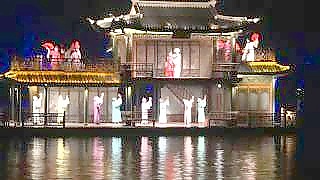
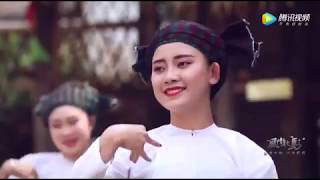
Impression LiJiang is a one hour, open-air musical based on local folklore and song, directed by famed film director Zhang YiMou, with Wang ChaoGe and Fan Yue.
Featuring a cast of over 500 performers, it is staged in front of the Jade Dragon Snow Mountain in YunNan province. The most famous music item is the Naxi song 'Return Home'.
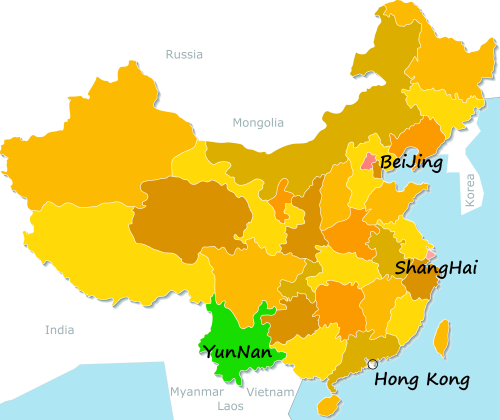
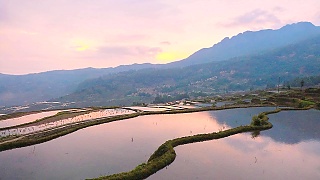
[640],shadow=true,start=,stop=Lijiang, located in the northwest of Yunnan Province in southwestern China, is a picturesque ancient town renowned for its stunning natural scenery, rich cultural heritage, and well-preserved traditional architecture. Here's a guide for tourists visiting Lijiang:
Historical and Cultural Significance:
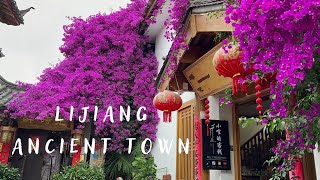
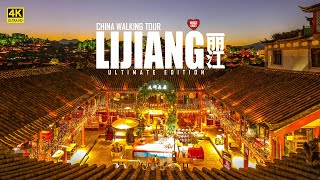
Ancient Town: Lijiang Old Town, a UNESCO World Heritage site, is a well-preserved ancient town with a history dating back over 800 years. It was an important stop on the ancient Tea Horse Road, a trading route connecting Yunnan with Tibet and Southeast Asia.
Naxi Culture: Lijiang is home to the Naxi ethnic minority, whose rich cultural heritage is reflected in the town's architecture, music, and customs. Visitors can experience Naxi culture through traditional music performances, local festivals, and visits to Naxi villages.
Top Attractions:
Lijiang Old Town: Explore the cobblestone streets, winding alleys, and historic buildings of Lijiang Old Town, which is renowned for its traditional Naxi architecture, wooden houses, and flowing canals. Highlights include the ancient Mu Residence, Black Dragon Pool Park, and Sifang Street.
Jade Dragon Snow Mountain: Towering over Lijiang, Jade Dragon Snow Mountain is a majestic snow-capped mountain range known for its breathtaking scenery and diverse ecosystems. Visitors can take a cable car ride to the mountain's summit, hike along scenic trails, and enjoy panoramic views of the surrounding landscape.
Lijiang Mural: Baisha Village: Baisha Village, located near Lijiang, is home to a collection of ancient murals dating back to the Ming Dynasty. These exquisite frescoes depict scenes from Chinese mythology, religious rituals, and daily life, providing insights into the region's cultural heritage.
Tiger Leaping Gorge: Located about 60 kilometers north of Lijiang, Tiger Leaping Gorge is one of the deepest river canyons in the world and a popular destination for hiking and outdoor adventure. Visitors can trek along scenic trails, admire dramatic cliffs and waterfalls, and experience the natural beauty of the gorge.
Culinary Delights:
Yunnan Cuisine: Lijiang is known for its diverse and flavorful Yunnan cuisine, which features fresh ingredients, bold flavors, and influences from neighboring regions. Visitors can sample local specialties such as Yunnan hot pot, crossing-the-bridge noodles, and yak meat dishes at restaurants and street food stalls throughout the town.
Old Town Snacks: Explore the bustling markets and food stalls of Lijiang Old Town to discover a wide variety of snacks and delicacies, including fried cheese, sweet pastries, and rice cakes. Don't miss the opportunity to try local specialties like yak butter tea and rose-flavored desserts.
Practical Tips:
Weather: Lijiang enjoys a mild climate year-round, with cool summers and chilly winters. The best time to visit is during the spring (March to May) and autumn (September to November) when the weather is pleasant and the scenery is beautiful.
Altitude: Lijiang is situated at a high altitude, so visitors should take precautions to prevent altitude sickness, such as staying hydrated, avoiding strenuous activity, and acclimatizing gradually.
Transportation: Getting around Lijiang is convenient with its network of public buses, taxis, and bicycles. Many attractions in and around the town can be explored on foot or by bicycle, while taxis and buses provide transportation to more distant locations.
Accommodation: Lijiang offers a wide range of accommodation options, including boutique hotels, guesthouses, and traditional courtyard homes. Staying in Lijiang Old Town allows visitors to immerse themselves in the town's historic atmosphere and vibrant culture.
Lijiang offers a captivating blend of natural beauty, cultural heritage, and traditional charm, making it an enchanting destination for tourists seeking to explore the treasures of Yunnan Province. Whether marveling at ancient architecture, hiking through majestic mountains, or savoring local cuisine, Lijiang has something to offer for every traveler.