Mei Lan : Panda lunch, panda snooze

Three year old Mei Lan at Atlanta Zoo a couple of months before she was moved to the
ChengDu Panda Base in China.


[640],shadow=true,start=,stop=

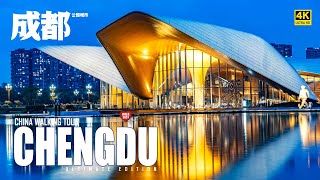
Chengdu, the capital of Sichuan Province in southwest China, is a vibrant city known for its rich history, spicy cuisine, and relaxed lifestyle. Here's a guide for tourists visiting Chengdu:

Cultural and Historical Attractions:
Chengdu Research Base of Giant Panda Breeding: One of the most popular attractions in Chengdu, this conservation center allows visitors to observe giant pandas in a semi-natural habitat.

Jinli Ancient Street: Located next to Wuhou Shrine, Jinli Ancient Street is a bustling pedestrian street lined with traditional Sichuan-style buildings, shops, teahouses, and street food stalls.

Wuhou Shrine: Dedicated to Zhuge Liang, a famous military strategist of the Three Kingdoms period, and Liu Bei, the emperor of the Shu Kingdom, Wuhou Shrine is a historic complex with beautiful gardens and ancient architecture.

Du Fu Thatched Cottage: This museum and park commemorates the Tang Dynasty poet Du Fu and features reconstructions of his former residence and gardens.

Culinary Delights:
Sichuan Cuisine: Chengdu is renowned for its spicy and flavorful Sichuan cuisine. Don't miss the opportunity to try local specialties like mapo tofu, hot pot, and dandan noodles.

Hot Pot: Chengdu's hot pot is famous nationwide. Enjoy a communal dining experience where you cook various meats, vegetables, and other ingredients in a bubbling pot of spicy broth.

Natural Beauty:
Mount Qingcheng: Located about an hour's drive from Chengdu, Mount Qingcheng is one of the birthplaces of Taoism and offers picturesque hiking trails, ancient temples, and serene scenery.

Jiuzhaigou Valley: While it's a bit further from Chengdu (requiring a flight or long bus ride), Jiuzhaigou Valley is a UNESCO World Heritage Site known for its stunning turquoise lakes, waterfalls, and colorful forests.

Modern Attractions:
Chengdu Research Base of Tianfu Giant Panda Breeding: In addition to the Giant Panda Breeding Base, this newer facility focuses on breeding and research for giant pandas and other endangered species.

Sichuan Opera: Experience traditional Sichuan opera performances featuring colorful costumes, face-changing (bian lian) techniques, acrobatics, and puppet shows.

Practical Tips:
Transportation: Chengdu has an efficient public transportation system, including a subway and buses. Taxis and ride-hailing services like DiDi are also readily available.

Weather: Chengdu has a humid subtropical climate with mild winters and hot, humid summers. It's advisable to check the weather forecast before your trip and pack accordingly.

Language: While Mandarin is the official language, the local dialect in Chengdu is Sichuanese. English may not be widely spoken outside of tourist areas, so consider learning a few basic phrases or carrying a translation app.

Chengdu offers a blend of cultural heritage, culinary delights, and natural beauty, making it an enticing destination for travelers seeking an authentic Chinese experience. Whether you're exploring historic sites, savoring spicy cuisine, or marveling at the region's natural wonders, Chengdu is sure to leave a lasting impression.

Related Videos


Featured Videos

ShenZhen 深圳 and surrounding area from the air
Business class on China’s high speed rail
Walk For You takes a ride from ChongQing to ChengDu ...
First time in China – ShangHai to SuZhou by high speed rail – plus a guide for visitors
With Dany Dev ... A Guide to China's High-Speed Rail Network China's high-speed rail (HSR) network is the largest and most advanced in the world, offering an efficient, modern, and fast way to travel across the country. Since its inception, the network has revolutionized travel within China, making it easier and quicker to connect cities and regions that were once separated by long distances. Overview of the High-Speed Rail Network Size and Scope: As of 2024, China’s HSR network spans over 40,000 kilometers (25,000 miles), connecting nearly all major cities across the country. The network is continuously expanding, with new lines being constructed each year. Speed: Trains on the high-speed network typically travel at speeds ranging from 250 to 350 kilometers per hour (155 to 217 miles per hour). Some of the fastest trains, such as those on the Beijing–Shanghai line, can reach speeds up to 350 km/h. Key Routes: Beijing-Shanghai: This flagship route is one of the busiest and most popular, covering a distance of 1,318 kilometers (819 miles) in about 4.5 hours. Beijing-Guangzhou: One of the longest HSR routes in the world, spanning 2,298 kilometers (1,428 miles) and taking around 8 hours. Shanghai-Hong Kong: Connects the financial hub of Shanghai with the vibrant city of Hong Kong, covering 1,200 kilometers (746 miles) in approximately 8 hours. Xi’an-Chengdu: A scenic route that links the historic city of Xi’an with Chengdu, famous for its pandas, covering 658 kilometers (409 miles) in about 3 hours. Guangzhou-Shenzhen-Hong Kong: This line offers a rapid connection between the three major economic hubs, with a travel time of about 14 minutes from Shenzhen to Hong Kong. Features of China’s High-Speed Trains Train Classes: China’s high-speed trains are classified primarily into three categories based on speed and service: G-Class (Gaotie): The fastest trains, operating at speeds up to 350 km/h. These are typically used on major routes like Beijing-Shanghai. D-Class (Dongche): Slightly slower, operating at speeds up to 250-300 km/h. These trains are often used on shorter or less busy routes. C-Class: Suburban trains designed for short-distance travel, operating at speeds up to 200-250 km/h. Comfort and Amenities: Seating: HSR trains offer different classes of seating, including Second Class, First Class, and Business Class. Business Class offers the most luxurious experience, with wide reclining seats and more space. Facilities: Trains are equipped with modern amenities such as power outlets, Wi-Fi (on some trains), clean restrooms, and food and beverage services. Quiet carriages are also available for passengers who prefer a more serene environment. Punctuality: The HSR network is known for its punctuality, with trains typically departing and arriving on time. Key Stations and Infrastructure Major Hubs: Beijing South Railway Station: One of the largest and busiest HSR stations, serving as a key hub for northern and central China. Shanghai Hongqiao Railway Station: A massive transportation hub that integrates rail, air, and metro services, making it one of the most important stations in eastern China. Guangzhou South Railway Station: A key gateway to southern China, connecting the region with major cities like Shenzhen and Hong Kong. Wuhan Railway Station: A central hub in the heart of China, crucial for connections between the east and west. Modern Design: The stations are often architectural marvels, designed to handle large volumes of passengers efficiently. Many stations are integrated with other forms of transport, including metro lines and airports, making transfers seamless. Benefits of Using the High-Speed Rail Network Speed and Efficiency: High-speed trains are often faster than flying when considering the time spent on security checks and travel to and from airports. For distances up to 1,200 kilometers (746 miles), trains are often the quickest option. Convenience: With frequent departures, extensive coverage, and easy booking options (including online and mobile apps), the HSR network is extremely convenient for both domestic and international travelers. Environmental Impact: HSR is a greener option compared to air travel, contributing less to carbon emissions per passenger kilometer. Challenges and Future Prospects Expansion to Rural Areas: While the HSR network covers most major cities, there are ongoing efforts to expand services to more rural and remote areas, ensuring broader access. International Links: China is also exploring international HSR connections, such as a proposed high-speed rail link to Moscow, Russia, which could enhance connectivity beyond China's borders. Technological Advances: China is investing in maglev (magnetic levitation) technology, which could further increase speeds to around 600 km/h (373 mph), positioning China at the forefront of global rail innovation. Tips for Travelers Booking Tickets: Tickets can be booked online, at stations, or through travel agencies. During peak travel times, such as Chinese New Year, it is advisable to book tickets well in advance. Travel Documents: Foreign travelers will need to present their passports when booking tickets and boarding trains. Luggage: There are generous luggage allowances on HSR trains, with space available for larger items in overhead compartments or at the ends of carriages. Language: While English signage is available in major stations, it is useful to have your destination written in Chinese to show to station staff if needed. Conclusion China’s high-speed rail network is a remarkable achievement in modern transportation, offering an efficient, comfortable, and eco-friendly way to explore the vast and diverse landscapes of the country. Whether you are traveling for business or leisure, the HSR network provides an unparalleled travel experience that continues to set global standards.
Chili sauce, from scratch
Bonus film - chili and soy sauce ...
Along the YangTze 长江 River
A beautiful film that takes you to all the places along the river ... YángZǐ Jiāng (modern PinYin), also known in China as Cháng Jiāng (literally, 'Long River'), is the longest river in Asia and the third-longest in the world. It flows for 6,300 kilometers (4,000 miles) from the glaciers on the QingHai-Tibet Plateau in QingHai province eastward across southwest, central and eastern China before emptying into the East China Sea at Shanghai. The Three Gorges Dam on the river is the largest hydro-electric power station in the world.
Filming the Great Wall 长城 of China near BeiJing with micro drones …
Bonus films - how to get to JinShanLing Great Wall, one of the most beautiful sections near BeiJing (well, about 3 hours away) by bus (cheaper than a coach tour) ... If you have 3 or 4 days spare, also check out ChengDe Imperial Summer Resort, a bit further in the same direction from BeiJing.
Visiting the Friday market in ShaXi ancient town, YunNan province
With China Road Tales ...
Rage against the war machine
With Anya Parampil ... With Max Blumenthal ... With Roger Waters ...
NanChang walking tour, GuangXi province
With Walk East ...

Tag search ?