ChengDu panda meet up

[640],shadow=true,start=,stop=

Chengdu, the capital of Sichuan Province in southwest China, is a vibrant city known for its rich history, spicy cuisine, and relaxed lifestyle. Here's a guide for tourists visiting Chengdu:

Cultural and Historical Attractions:
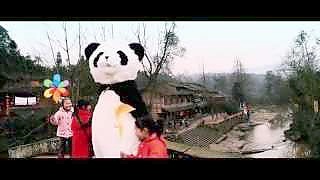
Chengdu Research Base of Giant Panda Breeding: One of the most popular attractions in Chengdu, this conservation center allows visitors to observe giant pandas in a semi-natural habitat.

Jinli Ancient Street: Located next to Wuhou Shrine, Jinli Ancient Street is a bustling pedestrian street lined with traditional Sichuan-style buildings, shops, teahouses, and street food stalls.

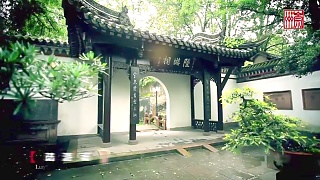
Wuhou Shrine: Dedicated to Zhuge Liang, a famous military strategist of the Three Kingdoms period, and Liu Bei, the emperor of the Shu Kingdom, Wuhou Shrine is a historic complex with beautiful gardens and ancient architecture.

Du Fu Thatched Cottage: This museum and park commemorates the Tang Dynasty poet Du Fu and features reconstructions of his former residence and gardens.

Culinary Delights:
Sichuan Cuisine: Chengdu is renowned for its spicy and flavorful Sichuan cuisine. Don't miss the opportunity to try local specialties like mapo tofu, hot pot, and dandan noodles.

Hot Pot: Chengdu's hot pot is famous nationwide. Enjoy a communal dining experience where you cook various meats, vegetables, and other ingredients in a bubbling pot of spicy broth.

Natural Beauty:
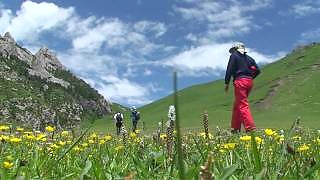
Mount Qingcheng: Located about an hour's drive from Chengdu, Mount Qingcheng is one of the birthplaces of Taoism and offers picturesque hiking trails, ancient temples, and serene scenery.

Jiuzhaigou Valley: While it's a bit further from Chengdu (requiring a flight or long bus ride), Jiuzhaigou Valley is a UNESCO World Heritage Site known for its stunning turquoise lakes, waterfalls, and colorful forests.

Modern Attractions:
Chengdu Research Base of Tianfu Giant Panda Breeding: In addition to the Giant Panda Breeding Base, this newer facility focuses on breeding and research for giant pandas and other endangered species.

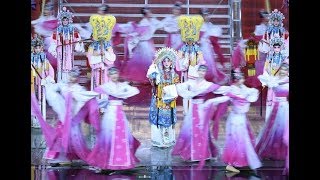
Sichuan Opera: Experience traditional Sichuan opera performances featuring colorful costumes, face-changing (bian lian) techniques, acrobatics, and puppet shows.

Practical Tips:
Transportation: Chengdu has an efficient public transportation system, including a subway and buses. Taxis and ride-hailing services like DiDi are also readily available.

Weather: Chengdu has a humid subtropical climate with mild winters and hot, humid summers. It's advisable to check the weather forecast before your trip and pack accordingly.

Language: While Mandarin is the official language, the local dialect in Chengdu is Sichuanese. English may not be widely spoken outside of tourist areas, so consider learning a few basic phrases or carrying a translation app.

Chengdu offers a blend of cultural heritage, culinary delights, and natural beauty, making it an enticing destination for travelers seeking an authentic Chinese experience. Whether you're exploring historic sites, savoring spicy cuisine, or marveling at the region's natural wonders, Chengdu is sure to leave a lasting impression.
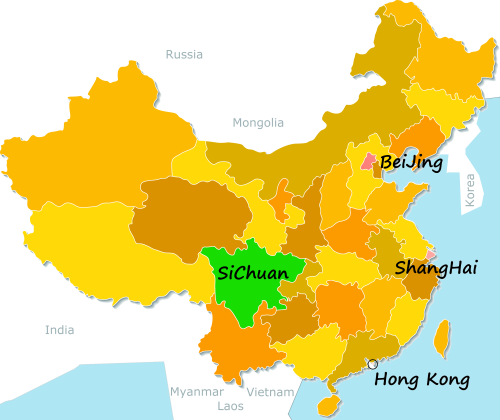

SiChuan map

Related Videos


Featured Videos

Trump’s trade war – May 2019
This is XiaMen 厦门 city, FuJian province
With Valeriy Blank ...
On the Chinese Onion
With DianXi XiaoGe ... Bonus film - wasabi ... Bonus film - cherries ... Bonus film - taro flowers ...
The Great Wall 长城 of China Marathon, May 2015 and 2016
HuangYaGuan Great Wall, near TianJin, one hour east of BeiJing by high speed rail, by the coast. * 2015 ... * 2016 ... Race day film with Liza ...
The lemon and coconut in Chinese cooking
With DianXi XiaoGe ... Bonus film - wild bamboo shoots - with Wild Girl ...
An unforgettable journey through YunNan province
With SiWen Li ... The wonders of YunNan province Yunnan Province, located in the southwestern part of China, is a land of breathtaking natural beauty, rich cultural heritage, and diverse ethnic traditions. From towering mountains and deep gorges to ancient towns and vibrant festivals, Yunnan offers something for every traveler. Here’s a detailed guide to the wonders of Yunnan. Natural Wonders Yunnan is home to some of China’s most stunning natural landscapes. Here are the must-see natural wonders: 1. Stone Forest (Shilin) Located near Kunming, the Stone Forest is a UNESCO World Heritage Site featuring towering limestone formations that resemble a forest made of stone. The area is rich in Karst geology and offers scenic walking paths, caves, and ethnic Yi cultural performances. 2. Tiger Leaping Gorge One of the deepest gorges in the world, Tiger Leaping Gorge is located on the Jinsha River, a tributary of the Yangtze. It offers breathtaking hiking trails with views of snow-capped mountains, roaring rapids, and dramatic cliffs. 3. Yuanyang Rice Terraces These UNESCO-listed rice terraces are a masterpiece of agricultural engineering, created by the Hani people over centuries. The terraces are especially stunning at sunrise and sunset, when the water-filled fields reflect the sky like mirrors. 4. Meili Snow Mountain Part of the Hengduan Mountain Range, Meili Snow Mountain is a sacred site for Tibetan Buddhists. Its highest peak, Kawagebo, is one of the most challenging mountains to climb in the world. 5. Pudacuo National Park Located near Shangri-La, this park is part of the Three Parallel Rivers UNESCO World Heritage Site. It features pristine lakes, wetlands, and forests, as well as diverse flora and fauna, including the rare Yunnan snub-nosed monkey. Cultural and Historical Wonders Yunnan’s rich cultural heritage is reflected in its ancient towns, temples, and ethnic traditions. Here are the top cultural wonders: 1. Lijiang Ancient Town A UNESCO World Heritage Site, Lijiang is known for its well-preserved ancient architecture, cobblestone streets, and intricate canal system. The town is home to the Naxi people, whose unique Dongba culture is showcased in local music, art, and festivals. 2. Dali Ancient Town Dali is famous for its historic charm, with ancient city walls, traditional Bai-style houses, and the iconic Three Pagodas. The town is a gateway to Erhai Lake, a scenic freshwater lake surrounded by villages and temples. 3. Shangri-La (Zhongdian) Known as the “Land of Eternal Peace and Perfection,” Shangri-La is a Tibetan-influenced region with stunning monasteries, grasslands, and snow-capped mountains. Key attractions include the Songzanlin Monastery and the Dukezong Ancient Town. 4. Xishuangbanna This tropical region is home to the Dai people and features lush rainforests, Buddhist temples, and vibrant water-splashing festivals. Don’t miss the Wild Elephant Valley and the Dai Ethnic Park. 5. Jianshui Ancient Town Jianshui is known for its well-preserved Confucian Temple, ancient wells, and traditional courtyard houses. The town is also a gateway to the stunning Double Dragon Bridge and the Swallow Cave. Ethnic Diversity Yunnan is home to 25 of China’s 56 recognized ethnic groups, making it one of the most culturally diverse provinces in the country. Key ethnic groups include: Yi: Known for their vibrant festivals and traditional torch celebrations. Bai: Famous for their Three-Course Tea ceremony and traditional architecture in Dali. Naxi: Known for their Dongba script and ancient music in Lijiang. Tibetan: Influential in Shangri-La, with a rich tradition of Buddhism and nomadic culture. Dai: Known for their water-splashing festival and tropical lifestyle in Xishuangbanna. Festivals and Events Yunnan’s ethnic diversity is celebrated through vibrant festivals and events. Some of the most famous include: Torch Festival (Yi People): A lively celebration featuring torch-lit processions, dancing, and traditional music. Water-Splashing Festival (Dai People): A joyful event where people splash water to wash away bad luck and welcome the new year. Third Moon Fair (Bai People): A traditional market and cultural festival held in Dali. Shangri-La Horse Racing Festival: A showcase of Tibetan culture, featuring horse races, singing, and dancing. Local Cuisine Yunnan’s cuisine is as diverse as its culture, with unique flavors and ingredients. Must-try dishes include: Crossing the Bridge Noodles (过桥米线): A famous Yunnan dish featuring rice noodles served in a flavorful broth with various toppings. Xuanwei Ham: A cured ham with a rich, smoky flavor, often used in soups and stir-fries. Erkuai: A type of rice cake that can be stir-fried, grilled, or served in soups. Yunnan Cheese (Rushan): A traditional dairy product made by the Bai people, often grilled or fried. Pu’er Tea: A famous fermented tea from Yunnan, known for its earthy flavor and health benefits. How to Get There Yunnan is well-connected by air, rail, and road. Key entry points include: Kunming: The provincial capital and main transportation hub, with an international airport and high-speed rail connections. Lijiang: Accessible by flight or train from Kunming. Dali: Connected to Kunming by high-speed rail and bus services. Shangri-La: Accessible by flight or bus from Kunming and Lijiang. Travel Tips Plan for Altitude: Some areas, like Shangri-La, are at high altitudes. Take time to acclimatize and stay hydrated. Respect Local Customs: Yunnan’s ethnic groups have unique traditions and beliefs. Be mindful and respectful when visiting their communities. Pack for All Weather: Yunnan’s climate varies widely, from tropical in Xishuangbanna to cold in Shangri-La. Bring layers and rain gear. Learn Basic Mandarin: While some locals speak English, knowing a few Mandarin phrases can enhance your experience. Why Visit Yunnan? Yunnan Province is a treasure trove of natural beauty, cultural heritage, and ethnic diversity. Whether you’re exploring ancient towns, hiking through dramatic landscapes, or immersing yourself in vibrant festivals, Yunnan offers an unforgettable travel experience.
Happy in ShenZhen 深圳  : )
Great video ! Song by Pharrell Williams ... Bonus film : hop in for a drive around ShenZhen ...
A one day hike to Jardine’s Lookout, Hong Kong
With Sherendev ...
The myth of normal (health)
Mark Hyman talks with Gabor Mate about the mind-body not as connected but as a single system, why are we seeing more chronic disease, stress, obesity, addiction, and so many other states of illness than ever before, the role of trauma, and much more ...

Tag search ?