Rock climbing in YangShuo 阳朔

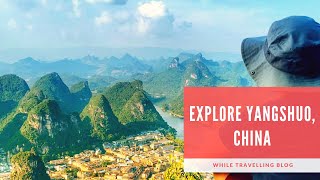
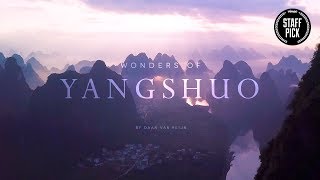
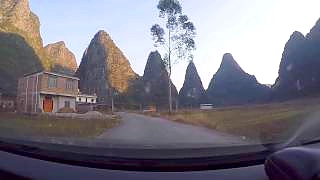
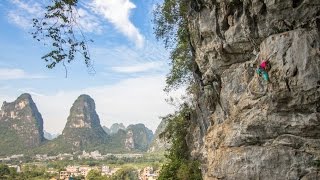
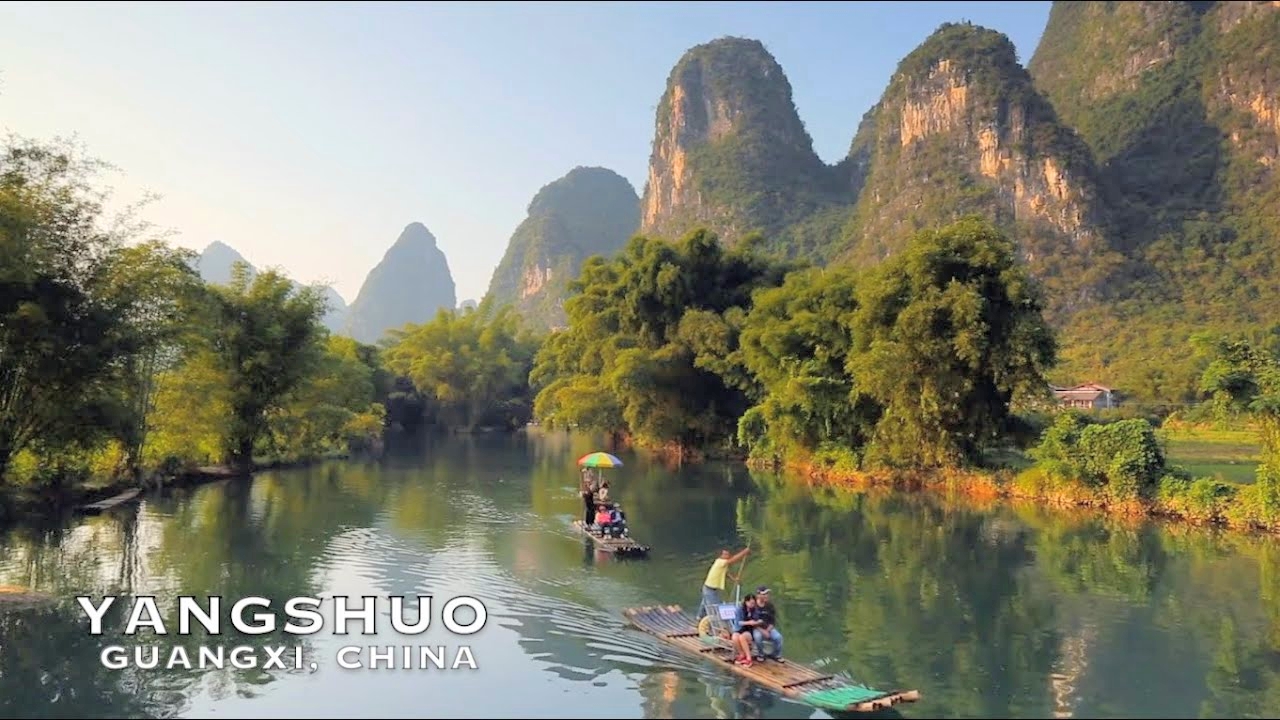
GuangXi province in south China. A very picturesque place, with thousands of tall karst limestone hills.


[640],shadow=true,start=,stop=

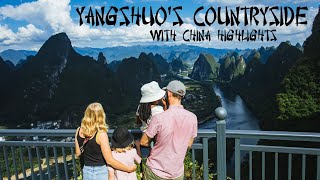
Yangshuo, situated in Guangxi Zhuang Autonomous Region in southern China, is renowned for its breathtaking karst landscapes, serene rivers, and vibrant local culture. Here's a guide for visitors to Yangshuo:

Natural Beauty:
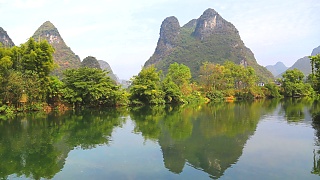
Karst Mountains: Yangshuo is famous for its iconic karst mountains, which rise sharply from the surrounding plains, creating a dramatic and picturesque landscape. Visitors can explore these unique limestone formations by hiking, biking, or taking boat cruises along the Li River.

Li River: The Li River, one of China's most scenic waterways, meanders through the karst mountains of Yangshuo, offering stunning vistas at every turn. A leisurely boat cruise along the Li River is a must-do activity for visitors, providing opportunities to admire the breathtaking scenery and capture iconic views of the karst peaks reflected in the water.

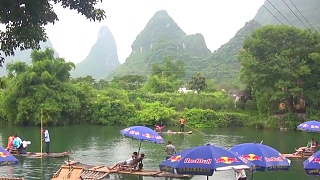
Yulong River: The Yulong River, a tributary of the Li River, is another picturesque waterway that flows through Yangshuo's countryside. Visitors can enjoy bamboo rafting or kayaking on the Yulong River, passing through idyllic villages, rice paddies, and bamboo groves along the way.

Outdoor Activities:
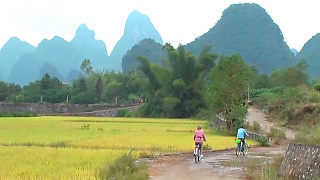
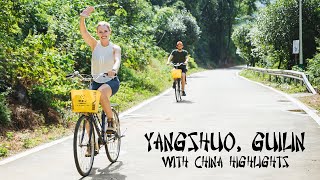
Cycling: Yangshuo is a cyclist's paradise, with scenic countryside roads and trails that wind through rice fields, orchards, and traditional villages. Renting a bicycle and exploring the surrounding countryside at a leisurely pace is a popular activity for visitors.

Rock Climbing: With its towering karst cliffs and limestone peaks, Yangshuo is a premier rock climbing destination in China. Experienced climbers and beginners alike can find suitable routes and climbing spots in the area, with options for guided tours and equipment rental available.

Cultural Experiences:
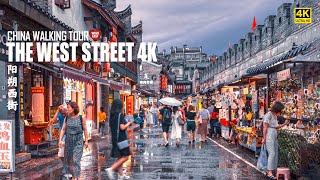
West Street: West Street (Xi Jie) is the main thoroughfare in Yangshuo's town center and a hub of activity for tourists and locals alike. Lined with shops, restaurants, cafes, and bars, West Street offers a vibrant atmosphere and is a great place to shop for souvenirs, sample local cuisine, and soak in the town's unique charm.

Impression Sanjie Liu: Directed by renowned filmmaker Zhang Yimou, Impression Sanjie Liu is a spectacular outdoor performance staged on the Li River. Featuring a cast of hundreds of performers, including local fishermen and farmers, the show combines music, dance, and light effects to showcase the natural beauty and cultural heritage of the area.

Practical Tips:
Weather: Yangshuo has a subtropical climate with mild winters and hot, humid summers. The best time to visit is during the spring (March to May) and autumn (September to November) when the weather is most pleasant and the landscapes are lush and green.

Accommodation: Yangshuo offers a range of accommodation options, including guesthouses, boutique hotels, and hostels catering to various budgets and preferences. Staying in the town center allows visitors to easily access attractions, restaurants, and transportation options.

Local Cuisine: Don't miss the opportunity to sample Yangshuo's delicious local cuisine, which includes specialties such as beer fish and Guilin rice noodles. Many restaurants in Yangshuo offer outdoor seating with panoramic views of the surrounding karst landscape.

Yangshuo's stunning natural scenery, outdoor activities, and vibrant cultural scene make it a popular destination for travelers seeking to explore the beauty of southern China. Whether cruising along the Li River, cycling through the countryside, or immersing oneself in the town's bustling street life, Yangshuo offers unforgettable experiences for visitors of all ages and interests.
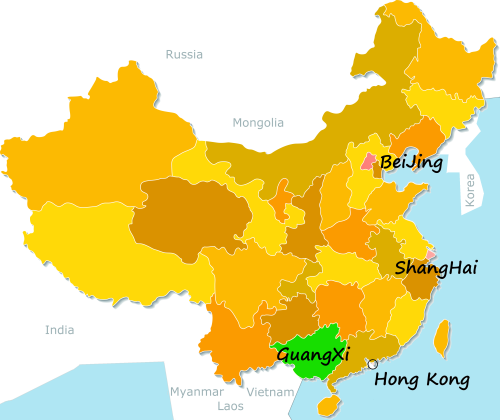
GuangXi map

Related Videos


Featured Videos

Geopolitics and China; July 2022
With Brian Berletic and Angelo Giuliano ... STEM = science, technology, engineering, mathematics.
Voice of China music feast
A new collection of songs / auditions from the wonderful Voice of China. With 2017 (series 4) judges Wang Feng, Na Ying, Harlem Yu and Jay Chou; plus a few songs from series 2 and 3 ... 00:01 The Voice of China 4 Trailer (Wang Feng, Na Ying, Harlem Yu & Jay Chou) 01:38 Chen Bing (陈冰) - "盛夏光年" (Eternal Summer) [S03] 04:45 Bek (别日克) - "Volare" [S04] 08:08 Zhou Shen (周深) - "欢颜" (Your Smiling Face) [S03] 11:34 Zhang Dandan (张丹丹) - "爱是一颗幸福的子弹" (Love Is A Happy Bullet) [S03] 15:00 Lin Yan (林燕) - "别来纠缠我" (Don't Pester Me) [S04] 18:39 Zhang Xin (张新) - "Fallin'" [S02] 21:14 Zhu Ke (朱克) - "离不开你" (Can't Leave You) [S02] 24:08 Saya Chang (张惠春) - "怎么说我不爱你" (How Can You Say I Don't Love You) [S04] 27:31 Li Zhixian (李致贤) & Chyi Chin (齐秦) - "火柴天堂" (Matchstick Heaven) [S03] 29:35 Bei Bei (贝贝) - "花火" (Fireworks) [S04] *** BeijingBuzzz Top Choice 33:16 Will Jay (刘伟男) - "Lemon Tree" [S04] 37:03 Rocky Chan (陈乐基) - "月半小夜曲" (Half Moon Serenade) [S03] 40:35 Jóhannes Koo (古振邦) - "Say Something" [S04] 44:27 Abigail Garza (李安安) - "I Surrender" [S04] 48:39 Lotus Zhang (张姝) - "一起摇摆" (Let's Rock) [S04] 52:26 Zhao Han (赵晗) - "煎熬" (Torment) [S02] 55:52 Cui Tianqi (崔天琪) - "Mad World" [S02] 58:59 Li Wenhui (李文慧) - "Yellow" [S04] 1:03:04 Tan Xuanyuan (谭轩辕) - "Sill Loving You" [S04] 1:06:24 Zhang Jingyi (张婧懿) - "玫瑰" (Rose) [S03] 1:09:47 Yao Beina (姚贝娜) - "也许明天" (Maybe Tomorrow) [S02], July 2013 ### 1:13:11 Taskyn (塔斯肯) - "Dudarai" (Дударай) [S02] ### Yao Beina (aka Bella Yao), 姚贝娜, 26 September 1981 – 16 January 2015 (aged 33; breast cancer). Among much more, she sang in the CCTV Spring Festival Gala twice, and the pop version of Let It Go in the Disney film Frozen for the Mandarin Chinese dub when the film was released in China. Read more ... It's been a while, but here is over 2 hours of great music.
The exquisitely beautiful YuanYang rice terraces, YunNan province
A beautiful waterfall in YunNan - LuoPing JiuLong ...
Hair / scalp cleanse
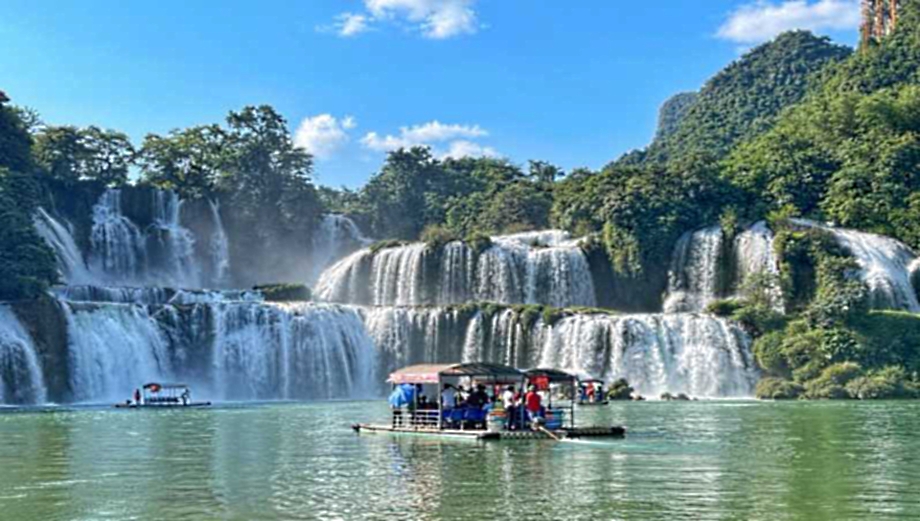
DaXin County, GuangXi 广西 province – karst peaks near MingShi and DeTian Falls
Near / on the border with Vietnam ...
Hong Kong City Guide
Welcome to Hong Kong! Explore the vibrant city of Hong Kong, where East meets West in a dazzling fusion of culture, cuisine, and modernity. From towering skyscrapers to tranquil islands, Hong Kong offers a captivating experience. About Hong Kong Hong Kong is a dynamic city known for its stunning skyline, bustling street markets, and picturesque harbor. As a Special Administrative Region of China, Hong Kong has its own unique blend of Chinese and Western influences. Key features of Hong Kong include its vibrant nightlife, world-class dining scene, and diverse shopping options. Top Attractions Victoria Peak: Ride the Peak Tram for panoramic views of Hong Kong's skyline. Star Ferry: Take a scenic ride across Victoria Harbour between Hong Kong Island and Kowloon. Ngong Ping 360: Visit Lantau Island and see the Tian Tan Buddha statue. Temple Street Night Market: Explore this lively market for street food, souvenirs, and bargain shopping. Victoria Harbour Light Show: Watch the Symphony of Lights show illuminating Hong Kong's skyscrapers. Ocean Park: Enjoy thrilling rides and see marine life at this popular amusement park. Stanley Market: Visit this waterfront market for arts, crafts, and seaside dining. Wong Tai Sin Temple: Experience traditional Chinese architecture and visit a popular Taoist temple. Hong Kong Disneyland: Discover magical attractions and meet Disney characters. Culture and History Hong Kong's culture is a blend of ancient traditions and modern influences. Chinese Festivals: Experience traditional festivals like Chinese New Year and Mid-Autumn Festival. Colonial Heritage: Explore historic sites such as the Former British Consulate and Western District Public Cargo Working Area. Lamma Island: Escape to this laid-back island with hiking trails and seafood restaurants. Hong Kong Heritage Museum: Learn about the city's history, art, and culture through exhibitions. Dining in Hong Kong Hong Kong is a food lover's paradise, offering a wide range of culinary delights. Dim Sum: Enjoy traditional Cantonese dumplings and tea at famous dim sum restaurants. Street Food: Try local favorites like egg waffles, fish balls, and roast meat on rice. Seafood: Feast on fresh seafood at fishing villages like Sai Kung or Lei Yue Mun. Michelin-Starred Dining: Indulge in gourmet cuisine at acclaimed restaurants around the city. Shopping in Hong Kong Explore Hong Kong's diverse shopping scene, from luxury boutiques to bustling street markets. Causeway Bay: Shop for international brands and designer labels in this vibrant shopping district. Mong Kok: Browse through markets like Ladies' Market and Sneakers Street for trendy fashion and accessories. Central District: Discover upscale shopping malls and department stores in Hong Kong's financial hub. Stanley Village: Find unique gifts, home decor, and clothing at this waterfront market. Getting Around Hong Kong Explore Hong Kong's efficient transportation network to navigate the city and its surrounding areas. MTR (Mass Transit Railway): Use the extensive subway system to reach major attractions and districts. Star Ferry: Take a scenic ferry ride across Victoria Harbour between Hong Kong Island and Kowloon. Trams: Ride the iconic double-decker trams for a leisurely tour of Hong Kong Island. Buses and Minibuses: Use public buses or minibus services for convenient transportation. Taxis and Ride-Hailing: Hail taxis or use ride-hailing apps like Uber for quick trips. Where to Stay in Hong Kong Choose from a variety of accommodations in Hong Kong, ranging from luxury hotels to budget-friendly guesthouses. Luxury Hotels: Experience world-class hospitality at luxury hotels in Central, Tsim Sha Tsui, or Causeway Bay. Boutique Hotels: Stay in stylish boutique hotels offering personalized services and unique designs. Hostels and Guesthouses: Budget-friendly options with shared facilities, ideal for backpackers and solo travelers. Serviced Apartments: Rent furnished apartments for extended stays and added convenience. Practical Tips for Visitors Best Time to Visit: Visit in autumn (October to December) for pleasant weather and clear skies. Language: English and Cantonese are widely spoken; use basic phrases for communication. Currency: Use Hong Kong Dollars (HKD); major credit cards accepted in most establishments. Etiquette: Respect local customs and traditions; queue patiently and avoid loud behavior in public. Safety: Hong Kong is generally safe, but be cautious in crowded areas and watch for traffic. Internet Access: Stay connected with free Wi-Fi available in public areas and cafes. Enjoy Your Trip to Hong Kong! Get ready for an unforgettable journey in Hong Kong, where every corner reveals something new and exciting. Whether you're exploring iconic landmarks or savoring delicious street food, Hong Kong promises an enriching travel experience.
ShangHai local walk
With Wei's Travel ...
Aerial views of LuoPing 罗平, YunNan and XingYi 兴义, GuiZhou
Best month to see the yellow canola fields is March.
Turpan in the Gobi desert, XinJiang, Kazakh prefecture
With Little Chinese Everywhere ... Bonus film - Uyghur life in Turpan desert oasis ... Welcome to Turpan, Oasis of the Gobi Desert Introduction Top Attractions Activities Local Culture Local Cuisine Visitor Tips Getting There Introduction Turpan, also known as Turfan, is a city oasis located in the Gobi Desert of XinJiang, in the Kazakh Autonomous Prefecture. This ancient city is one of the hottest and driest places in China, yet it is renowned for its lush vineyards, ancient ruins, and unique cultural heritage. Turpan is an important stop on the ancient Silk Road and has a rich history that spans thousands of years, with influences from various cultures, including Uyghur, Han Chinese, and Central Asian. Despite its harsh desert climate, Turpan is famous for its agricultural produce, particularly grapes, thanks to its innovative karez irrigation system. The city is a fascinating blend of ancient history and vibrant local culture, making it a must-visit destination for travelers exploring XinJiang. Top Attractions Jiaohe Ancient City Jiaohe Ancient City, also known as Yarghul, is one of the best-preserved ancient cities in the world. Dating back over 2,000 years, Jiaohe was once a bustling city on the Silk Road. The city is situated on a plateau surrounded by deep valleys, making it a natural fortress. Visitors can explore the ruins of this ancient city, including its well-preserved streets, houses, temples, and administrative buildings. The site offers a fascinating glimpse into the life of a Silk Road city. Flaming Mountains The Flaming Mountains are one of the most iconic natural landmarks in Turpan. These red sandstone mountains are named for the intense heat they radiate, especially during the summer months, when the surface temperatures can soar above 70°C (158°F). The mountains appear to be ablaze, particularly at sunset, when they glow in various shades of red and orange. The Flaming Mountains are steeped in legend and have been immortalized in the classic Chinese novel "Journey to the West." Bezeklik Thousand Buddha Caves The Bezeklik Thousand Buddha Caves are a series of cave temples carved into the cliffs of the Mutou Valley. These caves date back to the 5th to 14th centuries and contain exquisite murals that depict scenes from Buddhist scriptures and the daily life of the time. The caves are a testament to the spread of Buddhism along the Silk Road and offer insight into the cultural and religious exchanges that took place in this region. Grape Valley Grape Valley is a lush oasis in the heart of the desert, famous for its vineyards and production of sweet Turpan grapes. The valley is a refreshing contrast to the surrounding desert and offers a peaceful retreat with its shady vineyards, running streams, and traditional Uyghur houses. Visitors can stroll through the vineyards, taste fresh grapes and raisins, and learn about the traditional methods of grape cultivation and drying. Karez Irrigation System The Karez Irrigation System is an ancient engineering marvel that has been vital to the survival of Turpan's agriculture in the arid desert environment. This underground network of channels, wells, and tunnels brings water from the distant Tianshan Mountains to the city, allowing the cultivation of crops in the desert. Visitors can explore the Karez Museum to learn about the history and operation of this ingenious system and see how it has sustained life in Turpan for centuries. Activities Exploring Ancient Ruins: Discover the rich history of Turpan by exploring ancient sites such as Jiaohe Ancient City and the Bezeklik Thousand Buddha Caves. These sites offer a fascinating insight into the city's past and the cultures that have influenced it. Vineyard Tours: Take a guided tour of the vineyards in Grape Valley, where you can learn about grape cultivation, taste fresh produce, and enjoy the serene beauty of this desert oasis. Hiking in the Flaming Mountains: For those who enjoy the outdoors, hiking in the Flaming Mountains offers an opportunity to experience the dramatic landscape up close. Early morning or late afternoon hikes are recommended to avoid the intense heat. Cultural Experiences: Immerse yourself in the local culture by visiting traditional Uyghur villages, attending local festivals, or enjoying performances of Uyghur music and dance. Museum Visits: Visit local museums such as the Turpan Museum and the Karez Museum to gain a deeper understanding of the region's history, culture, and technological achievements. Local Culture Turpan is a melting pot of cultures, with significant influences from Uyghur, Han Chinese, and Central Asian traditions. The Uyghur people, who are the dominant ethnic group in the region, have a rich cultural heritage that is reflected in their language, music, dance, and cuisine. Uyghur music and dance are vibrant and expressive, often featuring lively rhythms, stringed instruments like the dutar, and intricate dance movements. Traditional Uyghur dances are a highlight of local festivals and celebrations, where people gather to perform and enjoy these cultural expressions. The local architecture is also distinctive, with traditional Uyghur houses often featuring courtyards, intricate wooden carvings, and grape trellises providing shade in the hot desert climate. Visitors to Turpan can explore these traditional homes and learn about the customs and daily life of the Uyghur people. Local Cuisine Turpan is renowned for its delicious Uyghur cuisine, which features a variety of flavorful dishes that reflect the region's agricultural abundance and cultural diversity. Some must-try dishes include: Polo (Uyghur Pilaf): A traditional Uyghur dish made with rice, lamb, carrots, and spices, often served with raisins or other dried fruits. Polo is a staple of Uyghur cuisine and is enjoyed on special occasions and everyday meals alike. Kebabs: Grilled lamb skewers seasoned with a blend of spices and often served with flatbread. Kebabs are a popular street food in Turpan and are a must-try for meat lovers. Nan: Uyghur flatbread, known as nan, is a common accompaniment to many meals. It is often baked in a traditional tandoor oven and can be served plain or topped with sesame seeds. Grape Dishes: Given Turpan's fame for its grapes, you'll find many dishes that incorporate this fruit, including grape juice, grape syrup, and dishes featuring dried grapes (raisins). Lagman: A hand-pulled noodle dish typically served with a stir-fry of meat and vegetables. Lagman is a hearty and flavorful dish that showcases the culinary skills of the Uyghur people. Visitor Tips Best Time to Visit: The best time to visit Turpan is during the spring (April to June) and autumn (September to October) when the weather is milder and more comfortable for outdoor activities. Summers can be extremely hot, with temperatures often exceeding 40°C (104°F). Hydration: Given the extreme heat and arid climate, it's essential to stay hydrated while exploring Turpan. Always carry plenty of water with you and take breaks in the shade to avoid heat exhaustion. Clothing: Lightweight, breathable clothing is recommended, along with a wide-brimmed hat and sunglasses to protect against the strong sun. In the cooler months, bring layers as temperatures can drop significantly at night. Respect Local Customs: Turpan has a diverse cultural heritage, so it's important to be respectful of local customs, particularly when visiting religious sites or interacting with the Uyghur community. Safety: Stay on designated paths when exploring ancient sites and natural attractions. The terrain can be rugged, and temperatures can be extreme, so caution is advised. Getting There Turpan is located in the eastern part of XinJiang, and there are several options for getting there: By Air: The nearest airport is Turpan Jiaohe Airport, which has flights to and from major cities such as Urumqi, Beijing, and Shanghai. From the airport, you can take a taxi or bus to the city center. By Train: Turpan is well-connected by rail, with the Turpan North Railway Station serving as a major stop on the Lanzhou-XinJiang High-Speed Railway. Trains from Urumqi, Lanzhou, and other major cities offer convenient access to Turpan. By Bus: Long-distance buses operate from Urumqi and other nearby cities to Turpan. The bus ride offers scenic views of the desert and mountains along the way. By Car: If you prefer to drive, Turpan is accessible via highways from Urumqi and other parts of XinJiang. The drive offers a unique opportunity to experience the vast landscapes of the Gobi Desert.

Tag search ?