ChengDu Pandas 成都潘达

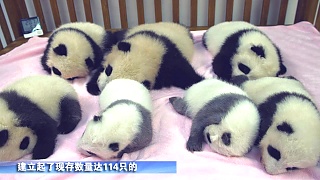
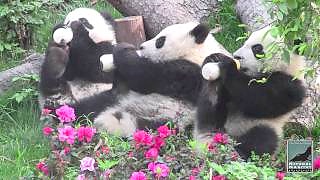
Panda Kindergarten - ChengDu Panda Base, SiChuan province

[640],shadow=true,start=,stop=
[320],shadow=true,start=,stop=[320],shadow=true,start=,stop=[320],shadow=true,start=,stop=[320],shadow=true,start=,stop=[320],shadow=true,start=,stop=

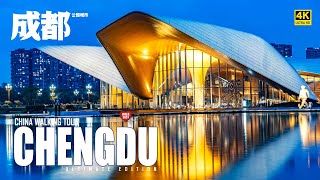
Chengdu, the capital of Sichuan Province in southwest China, is a vibrant city known for its rich history, spicy cuisine, and relaxed lifestyle. Here's a guide for tourists visiting Chengdu:

Cultural and Historical Attractions:
Chengdu Research Base of Giant Panda Breeding: One of the most popular attractions in Chengdu, this conservation center allows visitors to observe giant pandas in a semi-natural habitat.

Jinli Ancient Street: Located next to Wuhou Shrine, Jinli Ancient Street is a bustling pedestrian street lined with traditional Sichuan-style buildings, shops, teahouses, and street food stalls.

Wuhou Shrine: Dedicated to Zhuge Liang, a famous military strategist of the Three Kingdoms period, and Liu Bei, the emperor of the Shu Kingdom, Wuhou Shrine is a historic complex with beautiful gardens and ancient architecture.

Du Fu Thatched Cottage: This museum and park commemorates the Tang Dynasty poet Du Fu and features reconstructions of his former residence and gardens.

Culinary Delights:
Sichuan Cuisine: Chengdu is renowned for its spicy and flavorful Sichuan cuisine. Don't miss the opportunity to try local specialties like mapo tofu, hot pot, and dandan noodles.

Hot Pot: Chengdu's hot pot is famous nationwide. Enjoy a communal dining experience where you cook various meats, vegetables, and other ingredients in a bubbling pot of spicy broth.

Natural Beauty:
Mount Qingcheng: Located about an hour's drive from Chengdu, Mount Qingcheng is one of the birthplaces of Taoism and offers picturesque hiking trails, ancient temples, and serene scenery.

Jiuzhaigou Valley: While it's a bit further from Chengdu (requiring a flight or long bus ride), Jiuzhaigou Valley is a UNESCO World Heritage Site known for its stunning turquoise lakes, waterfalls, and colorful forests.

Modern Attractions:
Chengdu Research Base of Tianfu Giant Panda Breeding: In addition to the Giant Panda Breeding Base, this newer facility focuses on breeding and research for giant pandas and other endangered species.

Sichuan Opera: Experience traditional Sichuan opera performances featuring colorful costumes, face-changing (bian lian) techniques, acrobatics, and puppet shows.

Practical Tips:
Transportation: Chengdu has an efficient public transportation system, including a subway and buses. Taxis and ride-hailing services like DiDi are also readily available.

Weather: Chengdu has a humid subtropical climate with mild winters and hot, humid summers. It's advisable to check the weather forecast before your trip and pack accordingly.

Language: While Mandarin is the official language, the local dialect in Chengdu is Sichuanese. English may not be widely spoken outside of tourist areas, so consider learning a few basic phrases or carrying a translation app.

Chengdu offers a blend of cultural heritage, culinary delights, and natural beauty, making it an enticing destination for travelers seeking an authentic Chinese experience. Whether you're exploring historic sites, savoring spicy cuisine, or marveling at the region's natural wonders, Chengdu is sure to leave a lasting impression.
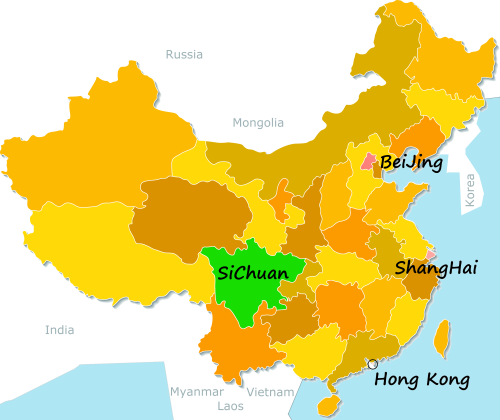
SiChuan map

Related Videos


Featured Videos

Walks in China – in 4K …
With Walk East ... [videogallery id=UCip2HiAmspOVMeh0yxMcEaA]
Beautiful BeiJing in the snow
Including the Forbidden City, the Great Wall of China and JingShan Park. With Seiu Travel ...
ShangHai light show – celebrations begin for the 100 years anniversary of the CPC on July 1st 2021
Plus, BeiJing ... And more ...
WeiShan, YunNan province
With China Road Tales ...
ZhouZhuang water town, JiangSu province
With DuckTravel ... Welcome to ZhouZhuang Discover the Venice of the East About ZhouZhuang ZhouZhuang, known as the "Venice of the East," is one of the most famous water towns in China. Located in Kunshan, Jiangsu province, it is renowned for its well-preserved ancient residential houses, elegant watery views, and profound cultural background. The town has a history of over 900 years and retains the style and pattern of its ancient past, with many houses built in the Ming and Qing Dynasties. Attractions Shuangqiao (Twin Bridges) Shuangqiao, also known as the Twin Bridges, is the most famous site in ZhouZhuang. The two bridges, Shide Bridge and Yong'an Bridge, are connected at a right angle and have become a symbol of the town. Fu'an Bridge Fu'an Bridge, built in 1355, is an architectural gem with a unique combination of a bridge, tower, and pavilion. It offers a picturesque view of the waterways and houses. Zhang House The Zhang House, built in the Ming Dynasty, covers an area of over 1,800 square meters. It showcases classic Chinese residential architecture and beautifully decorated interiors. Shen House The Shen House, constructed in 1742, is another example of traditional Chinese architecture. It features 100 rooms and a garden, reflecting the life of a wealthy merchant family. Local Food ZhouZhuang is not only famous for its scenery but also for its delicious local food. Here are some must-try dishes: Wansan Pork Hock: A famous dish named after the wealthy merchant Shen Wansan. The pork hock is braised to perfection with a rich, savory flavor. Sanwei Glutinous Rice Balls: A traditional snack made from glutinous rice with sweet, salty, and spicy fillings, representing the three flavors. Fish Delicacies: Freshwater fish dishes are a staple in ZhouZhuang, often cooked with local herbs and spices to enhance their natural flavors. Transport ZhouZhuang is easily accessible from major cities like Shanghai and Suzhou. Here are some ways to get there: By Bus: Regular buses run from Shanghai and Suzhou to ZhouZhuang, taking about 1-2 hours. By Car: You can drive from Shanghai to ZhouZhuang in about 1.5 hours. Parking is available at the entrance of the town. By Tour: Many travel agencies offer day trips to ZhouZhuang, including transportation and guided tours.
PuZheHei, SanSe, YunNan province
BaMei village ...
First time in China – ChengDu, capital city of SiChuan province
With Ride With Gabi ...
Charming WuXi : HuiShan ancient town, JiangSu province – canal and DongLin Academy
With Seiu Travel ... With Wei's Travel ... Huishan Ancient Town Travel Guide Overview Huishan Ancient Town, located in Wuxi, Jiangsu Province, is a well-preserved historical town known for its rich cultural heritage, ancient temples, traditional gardens, and ancestral halls. It provides visitors with a glimpse into China’s past with its classical architecture and serene atmosphere. How to Get There By Train: Take a high-speed train to Wuxi Railway Station or Wuxi East Railway Station, then take a taxi or public transport to the ancient town. By Bus: Local buses such as 45, 88, and 89 stop near the entrance of Huishan Ancient Town. By Car: Easily accessible via major highways leading to Wuxi, with parking available near the entrance. Main Attractions Huishan Temple: A historic Buddhist temple featuring beautiful statues and peaceful gardens. Ancestral Halls: Over a hundred ancestral halls belonging to various Chinese families, showcasing traditional architecture and family heritage. Jichang Garden: A classical Chinese garden known for its tranquil atmosphere, ponds, and traditional pavilions. Huishan Spring: A famous water source considered one of the best in southern China. Best Time to Visit The best time to visit Huishan Ancient Town is during spring (March-May) and autumn (September-November) when the weather is pleasant, and the scenery is at its most beautiful. Local Cuisine Wuxi-style Spare Ribs: A sweet and savory pork rib dish famous in the region. Huishan Clay Pot Noodles: A delicious noodle dish cooked in a clay pot with rich broth and toppings. Steamed Dumplings: Juicy dumplings filled with pork and soup, a local specialty. Tips for Visitors Wear comfortable walking shoes, as there are many cobblestone paths. Early morning visits offer a quieter and more picturesque experience. Local shops sell handmade crafts and souvenirs unique to the region. ***** Welcome to the Kingdom of Wu: A Visitor Guide and History Introduction to the Kingdom of Wu The Kingdom of Wu, a historical region in eastern China, is a land of profound cultural heritage, natural beauty, and historical significance. Centered around the modern city of Wuxi and extending to areas like Suzhou and Hangzhou, the Kingdom of Wu was one of the most influential states during the Spring and Autumn (770–476 BCE) and Warring States (475–221 BCE) periods. Today, the region is celebrated for its classical gardens, ancient waterways, and contributions to Chinese art, literature, and philosophy. History of the Kingdom of Wu The Kingdom of Wu emerged as a powerful state during the Zhou Dynasty, with its capital initially located in modern-day Suzhou. It played a pivotal role in Chinese history, particularly during the Spring and Autumn period, when it rivaled the states of Yue and Chu. The kingdom is famously associated with the legendary King Helü, who ruled during the 6th century BCE and is credited with constructing the Grand Canal and strengthening Wu's military. The Kingdom of Wu is also central to the story of Sun Tzu, the ancient military strategist and author of The Art of War. Sun Tzu served as a general under King Helü, and his strategies helped Wu achieve significant victories. The region's history is deeply intertwined with the development of Chinese civilization, particularly in areas like agriculture, silk production, and water management. Cultural Highlights of the Kingdom of Wu 1. Classical Gardens The Kingdom of Wu is renowned for its classical Chinese gardens, which are masterpieces of landscape design. These gardens, such as the Humble Administrator's Garden in Suzhou, feature intricate layouts, serene ponds, and elegant pavilions. They reflect the Confucian ideals of harmony between humans and nature. 2. Silk Production The region has been a center of silk production for thousands of years. The ancient city of Wuxi, in particular, was a major hub for silk weaving and trade. Visitors can explore the history of silk at local museums and workshops. 3. Wu Opera and Music The Kingdom of Wu is the birthplace of Wu Opera, a traditional form of Chinese opera known for its melodic tunes and poetic lyrics. The region is also famous for its traditional music, particularly the pipa (a Chinese lute) and guqin (a seven-stringed zither). Key Cities and Attractions 1. Wuxi Wuxi, often called the "Pearl of Lake Tai," is a city steeped in history and natural beauty. Key attractions include Lake Tai, the Lingshan Grand Buddha, and Xihui Park. Wuxi's Grand Canal section is a testament to the region's historical importance as a transportation hub. 2. Suzhou Suzhou, the ancient capital of the Kingdom of Wu, is famous for its classical gardens, canals, and silk industry. The Humble Administrator's Garden, Tiger Hill, and the Suzhou Museum are must-visit sites. 3. Hangzhou Hangzhou, located to the south of the Kingdom of Wu, is celebrated for its West Lake, a UNESCO World Heritage Site. The city is also known for its tea culture, particularly Longjing (Dragon Well) tea. Practical Travel Tips Best Time to Visit: Spring (March to May) and autumn (September to November) offer mild weather and vibrant scenery. Getting There: The region is well-connected by high-speed trains. Major cities like Wuxi, Suzhou, and Hangzhou have their own train stations and airports. Accommodation: Options range from luxury hotels to budget-friendly hostels. Staying near key attractions like Lake Tai or West Lake is recommended. Local Transportation: Public transportation is efficient, with buses, metros, and taxis readily available. Cycling is also a popular way to explore the cities.
Real democracy – government by, for, and of the people
The true measure is : does the government work for the people, or vice versa. Is it a sham / illusion / deception 'democracy' - elections, where one is forced to choose between elite factions, that are basically the same ideology? 'Pick a card, any card ...' Or is there a better way based on merit and that is bottom up - a system that truly responds to, and cares for, the people? With Jerry's Take on China ... In China, the people are family. In the West, the people are livestock. -- Recently, out of the hundreds of countries in the world, three decided to suicide, to serve their puppet masters : the Philippines, Argentina and Italy. Will Taiwan (not a country) be next? Are they Chinese or just fodder on a US missile base ??? -- China has defended itself (hence the Great Wall), but never been expansionist ... YT comment : George-rj4fj : "They who point fingers at China, failed to notice the huge expansionism of the Euro-Caucasians throughout the world so that some 2/3 of the world speaks not only English and Spanish but have also been forced into adopting Western cultures, religion, history and clothing. Talk about "cultural genocide"! They who accuses China of "expansionism" are also ignorant of history. Mongolia and Manchuria became part of China not from Chinese Han expansionism of conquest but because China was conquered by the Mongols and the Manchus and became part of THEIR empires. So too did Tibet when it ran wars into China in an expanding of the Tibetan Empire - and was defeated and absorbed in turn. Chinese culture is an amalgamation of all the different cultures that were absorbed into the greater Chinese diaspora. They who do not know history and are content in creating their own versions from western propaganda make themselves foolish by opening their mouths on topical subjects that they have absolutely no idea about." Bonus film - Jerry Grey in conversation with Ben Norton ... With Reports on China ...

Tag search ?