Related Videos


Featured Videos
QianMen and GuoMao / CBD, BeiJing
QianMen : With Wei's Travel ... GuoMao / CBD : With Visit BeiJing ... SanLiTun ... MuTianYu Great Wall ...
ChengDu 成都 travel vlog
Provincial capital of SiChuan. Bonus film - a day in the life of a China vlogger ...
TeamLab, ShangHai – an awesome immersive audio-visual art experience
With FunFancie ... TeamLab is an interdisciplinary art collective and creative studio based in Japan that is renowned for its innovative and immersive digital art installations. It has expanded its presence globally. In Shanghai, TeamLab has created several immersive art experiences that blend digital technology, interactive elements, and traditional art forms to create breathtaking environments that engage the senses and encourage visitor participation. These exhibitions often feature a combination of projection mapping, interactive projections, LED lights, soundscapes, and sensor-based technology to create dynamic and interactive environments. One of the most notable exhibitions is TeamLab Borderless Shanghai, which is featured here. It is characterized by its seamless integration of digital art into physical spaces, creating a sense of boundless, dreamlike environments where visitors can explore and interact with the artwork freely. In these exhibitions, visitors are invited to walk through rooms filled with mesmerizing digital art installations that respond to their movements and interactions. For example, visitors may find themselves surrounded by vibrant, blooming flowers that change color as they move, or immersed in a digital ocean where schools of fish swim around them in response to their presence. The exhibition aims to create immersive experiences that evoke wonder, curiosity, and a sense of inter-connectedness with the world around us, unforgettable experiences that blur the boundaries between art, technology and the imagination.
Food and more – FunFancie in ShangHai (3)
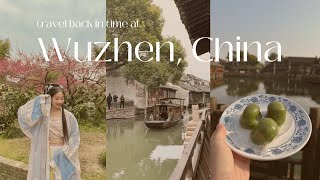
Scenes from ZhouZhuang 周庄 (2)
ZheJiang province
A drive through the grasslands of GanSu province
With Walk China ... Grasslands of Gansu Province travel guide Introduction The grasslands of Gansu Province are a breathtaking natural wonder, offering vast expanses of rolling hills, lush meadows, and vibrant wildflowers. These grasslands are home to diverse wildlife and traditional nomadic cultures, providing visitors with a unique and immersive experience. This guide will help you explore the beauty of Gansu's grasslands, including must-see attractions, local culture, and practical travel tips. Must-See Grasslands Maqu Grassland (玛曲草原) Maqu Grassland, located in the southern part of Gansu Province, is one of the most beautiful and well-preserved grasslands in China. The area is known for its rich biodiversity, including rare species of plants and animals. Visitors can experience traditional Tibetan nomadic culture, including horseback riding and staying in yurts. Gannan Tibetan Autonomous Prefecture (甘南藏族自治州) Gannan Tibetan Autonomous Prefecture is a region in Gansu known for its stunning landscapes and vibrant Tibetan culture. The grasslands here are dotted with monasteries, prayer flags, and nomadic camps. Highlights include the Labrang Monastery, one of the six great monasteries of the Gelug school of Tibetan Buddhism, and the Sangke Grassland, a perfect spot for camping and picnicking. Ruoergai Grassland (若尔盖草原) Ruoergai Grassland, also known as Zoige Grassland, is located at the border of Gansu and Sichuan provinces. It is one of the largest and most picturesque grasslands in China, featuring vast wetlands, rivers, and lakes. The area is home to numerous bird species, making it a paradise for bird watchers. Langmusi (郎木寺) Langmusi is a small town located on the border of Gansu and Sichuan provinces, known for its beautiful grasslands and Tibetan Buddhist monasteries. The town is surrounded by lush meadows and mountains, offering excellent opportunities for hiking and horse riding. The local monasteries, such as the Kirti Monastery and Sertri Monastery, are also worth visiting. Local Culture The grasslands of Gansu are home to a diverse range of ethnic groups, including Tibetans, Mongolians, and Hui Muslims. These communities have preserved their traditional ways of life, including nomadic herding, Tibetan Buddhism, and unique culinary traditions. Visitors can immerse themselves in local culture through homestays, attending festivals, and participating in traditional activities. Tibetan Festivals Tibetan festivals are an integral part of the cultural landscape in Gansu's grasslands. Key festivals include Losar (Tibetan New Year), Shoton (Yogurt Festival), and the Horse Racing Festival. These events feature traditional music, dance, religious rituals, and sports competitions, providing a vibrant and immersive cultural experience. Traditional Nomadic Life Experiencing the traditional nomadic lifestyle is a highlight of any visit to the grasslands. Visitors can stay in yurts, ride horses, and learn about the herding practices that have sustained these communities for centuries. This offers a unique insight into the symbiotic relationship between the nomads and their natural environment. Practical Travel Tips Best Time to Visit: The best time to visit the grasslands of Gansu is during the summer months (June to September) when the weather is mild, and the grasslands are in full bloom. Getting Around: Due to the vast and remote nature of the grasslands, hiring a local guide or joining a tour is recommended. Public transportation options are limited, and having a guide will enhance your experience. Accommodation: Accommodation options range from basic guesthouses to traditional yurts. Staying in a yurt provides a unique cultural experience, but it's essential to book in advance, especially during peak tourist season. Health and Safety: The high altitude of some grassland areas can cause altitude sickness. It's important to acclimatize gradually and stay hydrated. Be prepared for varying weather conditions and pack appropriate clothing. Respect Local Customs: When visiting Tibetan and other ethnic communities, respect local customs and traditions. Seek permission before taking photographs, especially in religious sites and of local people. Conclusion The grasslands of Gansu Province offer a unique and unforgettable travel experience, combining stunning natural landscapes with rich cultural heritage. Whether you're exploring the vast meadows, learning about nomadic traditions, or immersing yourself in Tibetan culture, the grasslands of Gansu provide a deep and enriching connection to the natural and cultural wonders of China. Use this guide to plan your journey and make the most of your visit to this extraordinary region.
The beautiful LiKeng ancient town, JiangXi province – don’t miss it
With Travel In China ... Visitor Guide to LiKeng Ancient Town, JiangXi Province Overview LiKeng Ancient Town, located in Wuyuan County of JiangXi Province, is a picturesque village known for its well-preserved architecture, traditional culture, and beautiful natural scenery. Often referred to as the "most beautiful village in China," LiKeng offers a glimpse into the country's rich history and rural life. Getting There By Air: The nearest airport is Jingdezhen Luojia Airport (JDZ), located about 90 kilometers from LiKeng. From the airport, you can take a bus or taxi to Wuyuan County and then a local bus or taxi to LiKeng. By Train: Wuyuan Railway Station is the closest train station, with connections to major cities like ShangHai, HangZhou, and NanChang. From the station, you can take a taxi or a local bus to LiKeng. By Bus: Long-distance buses are available from nearby cities to Wuyuan County. From Wuyuan County, you can take a local bus or taxi to reach LiKeng. Getting Around Walking: The best way to explore LiKeng is on foot. The village is small and pedestrian-friendly, allowing you to leisurely stroll through its charming streets. Biking: Renting a bicycle is a popular option for exploring the surrounding countryside and nearby attractions. Local Transport: Taxis and local buses are available for traveling to and from nearby towns and attractions. Main Attractions Ancient Architecture LiKeng is renowned for its well-preserved Ming and Qing Dynasty architecture. The traditional wooden houses, stone bridges, and narrow lanes reflect the town's rich history and cultural heritage. Li Family Ancestral Hall The Li Family Ancestral Hall is a significant historical site in LiKeng. It showcases intricate wood carvings, beautiful murals, and traditional Chinese architectural design. Stone Arch Bridges LiKeng is dotted with ancient stone arch bridges that add to its scenic charm. These bridges, with their elegant curves and historical significance, are perfect for photography and leisurely walks. Surrounding Countryside The countryside around LiKeng is known for its lush greenery, terraced fields, and beautiful tea plantations. Exploring the rural landscape offers a peaceful and picturesque experience. Local Cuisine LiKeng's cuisine is characterized by its use of fresh, locally-sourced ingredients and traditional cooking methods. Here are some must-try dishes: Wuyuan Steamed Fish: Fresh fish from the local rivers, steamed with a light seasoning to retain its natural flavors. Rice Wine Chicken: Chicken cooked with local rice wine, creating a tender and flavorful dish. Wild Vegetables: Various wild vegetables picked from the surrounding countryside, often stir-fried or used in soups. Wuyuan Green Tea: Enjoy a cup of locally-produced green tea, known for its fresh taste and health benefits. Shopping Local Handicrafts: LiKeng is known for its traditional handicrafts, including bamboo weaving, pottery, and wood carvings. These items make for unique souvenirs. Tea Shops: Purchase high-quality green tea from local tea shops, which offer a variety of teas produced in the surrounding area. Market Streets: Explore the market streets for local snacks, handmade goods, and other unique items reflecting the town's cultural heritage. Accommodation Traditional Guesthouses: Stay in a traditional guesthouse to experience the local lifestyle. Many guesthouses are located in historical buildings with charming courtyards. Mid-Range Hotels: There are several mid-range hotels in Wuyuan County offering comfortable accommodations with modern amenities. Budget Options: Budget travelers can find affordable lodging in hostels and budget hotels in and around LiKeng. Tips for Visitors Best Time to Visit: The best times to visit LiKeng are spring (March to May) and autumn (September to November) when the weather is mild and the scenery is at its most beautiful. Clothing: Wear comfortable walking shoes and dress in layers to accommodate changing temperatures. An umbrella or raincoat is useful during the rainy season. Respect Local Customs: Be respectful of local customs and traditions. Dress modestly and be mindful of local etiquette, especially when visiting historical and cultural sites. Language: While Mandarin is widely spoken, learning a few basic phrases or using a translation app can be very helpful. Plan Your Visit: LiKeng is best explored at a leisurely pace. Take your time to wander through the streets, visit local shops, and enjoy the tranquil atmosphere. Conclusion LiKeng Ancient Town in JiangXi Province offers a captivating blend of history, culture, and natural beauty. Whether you're exploring its ancient architecture, savoring local cuisine, or simply soaking in the serene atmosphere, LiKeng provides an unforgettable experience. Plan your visit carefully to make the most of your trip to this charming and picturesque village.
China’s watermelon season begins …
With DianXi XiaoGe ... Bonus films - mandarin oranges ... Grapes ... Plums ...
The beautiful Bund waterfront, ShangHai 上海
On the HuangPu River, facing PuDong, at the heart of ShangHai ...

Tag search ?