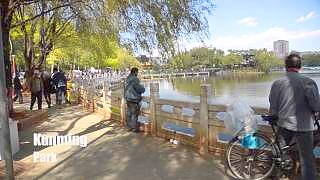
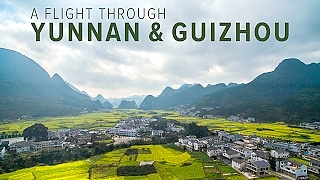
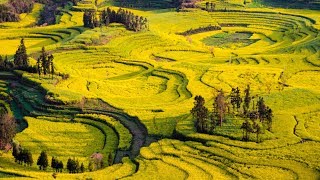
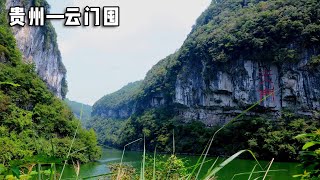
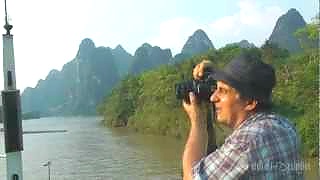
The beautiful DuoYiHe River 多疑和河, LuoPing, YunNan province

Filmed in March 2011 ...


[640],shadow=true,start=,stop=
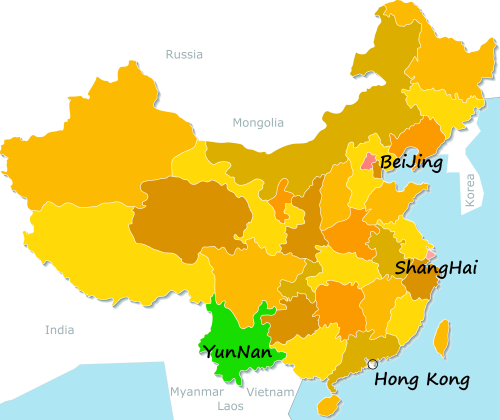
YunNan map
Related Videos


Featured Videos

The extraordinary LongJi (Dragon’s Backbone) rice terraces, GuangXi province
With EpicGlobe Walks ... Visitor Guide to the Longji Dragon’s Backbone Rice Terraces Introduction The Longji Dragon’s Backbone Rice Terraces, Longsheng County, Guangxi Province, are one of the most breathtaking agricultural landscapes in the world. These terraces, which resemble a dragon’s scales, were first built during the Yuan Dynasty (1271–1368) and have been maintained by the local Zhuang and Yao communities for centuries. The terraces are a testament to human ingenuity and harmony with nature. Best Time to Visit The Longji Rice Terraces are stunning year-round, but the best times to visit are: Spring (April–May): The terraces are filled with water, creating a mirror-like effect that reflects the sky and surrounding mountains. Summer (June–August): The rice paddies are lush and green, offering a vibrant landscape. Autumn (September–October): The rice turns golden, creating a warm, picturesque scene. Winter (November–February): The terraces are sometimes covered in snow, offering a serene and unique view. How to Get There The Longji Rice Terraces are approximately 100 kilometers from Guilin. Here’s how to reach them: By Bus: Take a bus from Guilin Bus Station to Longsheng (about 2 hours). From Longsheng, transfer to a local bus or taxi to the terraces (another 1 hour). By Private Car: Hiring a private car or taxi from Guilin is a convenient option and takes about 2.5 hours. By Tour: Many tour operators in Guilin offer day trips to the terraces, including transportation and guided tours. Main Attractions 1. Ping’an Terraces The Ping’an Terraces are the most accessible and popular section of the Longji Rice Terraces. Highlights include: Seven Stars with Moon: A cluster of seven small rice paddies surrounding a larger one, resembling stars and the moon. Nine Dragons and Five Tigers: A scenic spot where the terraces resemble dragons and tigers. 2. Jinkeng Terraces The Jinkeng Terraces are less crowded and offer stunning views. Key spots include: Golden Buddha Peak: The highest point in the area, offering panoramic views of the terraces. Yao Minority Villages: Visit the traditional villages of the Yao people, known for their long hair customs. Activities Hiking: Explore the terraces on foot via well-marked trails. Popular routes include Ping’an to Jinkeng and vice versa. Photography: Capture the stunning landscapes, especially during sunrise and sunset. Cultural Experiences: Visit local villages to learn about the Zhuang and Yao cultures, including traditional dances and handicrafts. Tips for Visitors Wear Comfortable Shoes: The terrain is hilly and uneven, so sturdy footwear is essential. Bring Layers: The weather can change quickly, especially at higher elevations. Stay Hydrated: Carry water, especially if you plan to hike. Respect Local Customs: Be mindful of the local cultures and traditions. Cash is King: Many local vendors and small businesses do not accept credit cards. Where to Stay There are several accommodation options near the terraces, ranging from guesthouses to boutique hotels. Popular choices include: Ping’an Village: Offers a range of guesthouses with stunning terrace views. Dazhai Village: Known for its Yao culture and cozy lodgings. Conclusion The Longji Dragon’s Backbone Rice Terraces are a must-visit destination for nature lovers, photographers, and cultural enthusiasts. Whether you’re hiking through the terraces, learning about local traditions, or simply soaking in the breathtaking views, this UNESCO World Heritage Site promises an unforgettable experience.
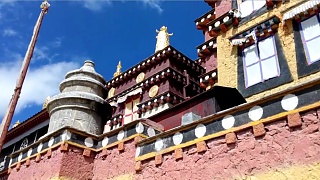
SongZanLin Tibetan monastery, ShanGri-La, YunNan province
With Perfect Day Pursuit ...
WuDangShan 武当山 Mountain – home of Taoism, birth place of TaiChi
HuBei province. With ShangGuan JieWen 上官杰文 ...
Learn Chinese – at a restaurant
How to order MaPo DoFu, GongBao JiDing ...
The West is cutting itself off from ‘the rest’ – Don’t miss it
With Ben Norton ... With Brian Berletic ... With FridayEveryday ... *** BeijingBuzzz does not necessarily agree with everything in each video *** With Owen Jones ... With Richard Medhurst ... With Yanis Varoufakis on Double Down News ...
50 traditional Chinese culture arts and crafts
Introduction China's traditional arts and crafts reflect its rich cultural heritage and diverse ethnic backgrounds. These art forms have been passed down through generations, showcasing exquisite craftsmanship and profound cultural significance. Here are the top 50 traditional Chinese arts and crafts, along with their origins and associated ethnicities. 1. Chinese Calligraphy (书法, Shūfǎ) Origin: Han Dynasty Ethnicity: Han Chinese calligraphy is the art of writing Chinese characters with a brush and ink. It is highly regarded for its aesthetic qualities and expressive potential. 2. Chinese Painting (国画, Guóhuà) Origin: Neolithic Period Ethnicity: Han Traditional Chinese painting involves brushwork on paper or silk, depicting landscapes, flowers, birds, and human figures. 3. Cloisonné (景泰蓝, Jǐngtàilán) Origin: Yuan Dynasty Ethnicity: Han Cloisonné is an ancient technique for decorating metalwork objects with enamel, featuring intricate patterns and vibrant colors. 4. Chinese Embroidery (刺绣, Cìxiù) Origin: Zhou Dynasty Ethnicity: Han, Miao, Yi, Zhuang Chinese embroidery is a decorative art that involves stitching intricate patterns onto fabrics using silk or cotton threads. 5. Paper Cutting (剪纸, Jiǎnzhǐ) Origin: Han Dynasty Ethnicity: Han Paper cutting is a folk art where designs are cut into paper, traditionally used for window decorations and festival celebrations. 6. Porcelain (瓷器, Cíqì) Origin: Shang Dynasty Ethnicity: Han Chinese porcelain, known for its delicate beauty and durability, has been highly prized for centuries and is often decorated with intricate designs. 7. Jade Carving (玉雕, Yùdiāo) Origin: Neolithic Period Ethnicity: Han Jade carving is the art of shaping jade into ornaments, figurines, and ritual objects, revered for its beauty and spiritual significance. 8. Chinese Opera Masks (戏曲面具, Xìqǔ Miànjù) Origin: Tang Dynasty Ethnicity: Han Opera masks are used in traditional Chinese theater to represent various characters and their traits through colors and patterns. 9. Silk Weaving (丝织, Sīzhī) Origin: Shang Dynasty Ethnicity: Han Silk weaving is an ancient craft involving the production of silk fabric, known for its smooth texture and luxurious appearance. 10. Chinese Knotting (中国结, Zhōngguó Jié) Origin: Tang and Song Dynasties Ethnicity: Han Chinese knotting is the art of creating decorative knots using a single length of cord, symbolizing good luck and prosperity. 11. Bronze Casting (青铜铸造, Qīngtóng Zhùzào) Origin: Shang Dynasty Ethnicity: Han Bronze casting is an ancient method of creating bronze objects, including vessels, weapons, and ritual items, through mold casting. 12. Batik (蜡染, Làrǎn) Origin: Han Dynasty Ethnicity: Miao, Buyi Batik is a traditional textile art involving wax-resist dyeing, creating intricate patterns on fabric, commonly practiced by the Miao and Buyi people. 13. Lacquerware (漆器, Qīqì) Origin: Neolithic Period Ethnicity: Han Lacquerware involves coating objects with lacquer to create a hard, shiny surface, often decorated with intricate designs and inlays. 14. Bamboo Weaving (竹编, Zhúbiān) Origin: Zhou Dynasty Ethnicity: Han Bamboo weaving is the craft of creating items like baskets, mats, and furniture using bamboo strips, valued for its durability and flexibility. 15. Chinese Puppetry (木偶戏, Mù'ǒuxì) Origin: Han Dynasty Ethnicity: Han Chinese puppetry involves using hand-crafted puppets to perform traditional stories and plays, combining art, music, and storytelling. 16. Thangka Painting (唐卡, Tángkǎ) Origin: 7th Century Ethnicity: Tibetan Thangka painting is a Tibetan Buddhist art form that involves creating religious images on cloth, used for meditation and teaching. 17. Pottery (陶器, Táoqì) Origin: Neolithic Period Ethnicity: Han Pottery is one of the earliest forms of Chinese art, with hand-crafted ceramic vessels used for cooking, storage, and rituals. 18. Chinese Shadow Puppetry (皮影戏, Píyǐngxì) Origin: Han Dynasty Ethnicity: Han Shadow puppetry involves manipulating flat puppets behind a screen to create shadows, telling stories with music and narration. 19. Rattan Weaving (藤编, Téngbiān) Origin: Ancient Times Ethnicity: Dai, Li Rattan weaving is the craft of making furniture, baskets, and other items using rattan, commonly practiced by the Dai and Li ethnic groups. 20. Dough Figurines (面人, Miànrén) Origin: Han Dynasty Ethnicity: Han Dough figurines are traditional folk art made from colored dough, sculpted into various characters, animals, and scenes. 21. Silver Jewelry Making (银饰, Yínshì) Origin: Tang Dynasty Ethnicity: Miao, Yi Silver jewelry making involves crafting intricate silver ornaments, often worn during festivals and ceremonies by the Miao and Yi people. 22. Chinese Seal Carving (篆刻, Zhuànkè) Origin: Zhou Dynasty Ethnicity: Han Seal carving is the art of engraving characters or designs onto stone or wood seals, used for stamping documents and artwork. 23. Tangka Embroidery (唐卡刺绣, Tángkǎ Cìxiù) Origin: 7th Century Ethnicity: Tibetan Tangka embroidery combines traditional embroidery techniques with religious themes, creating elaborate and colorful textile art. 24. Peking Opera Costumes (京剧服装, Jīngjù Fúzhuāng) Origin: Qing Dynasty Ethnicity: Han Peking Opera costumes are elaborate and symbolic garments worn by performers, representing different characters and social statuses. 25. Wooden Fish Carving (木鱼雕刻, Mùyú Diāokè) Origin: Tang Dynasty Ethnicity: Han Wooden fish carving is a traditional craft involving the creation of wooden fish sculptures, often used in Buddhist temples as percussion instruments. 26. Tie-Dye (扎染, Zhārǎn) Origin: Han Dynasty Ethnicity: Bai Tie-dye is a textile art practiced by the Bai people, involving the tying and dyeing of fabric to create intricate patterns and designs. 27. Paper Fans (纸扇, Zhǐshàn) Origin: Han Dynasty Ethnicity: Han Paper fans are traditional hand-held fans made from paper and bamboo, often decorated with calligraphy and paintings. 28. Dragon and Lion Dance (舞龙舞狮, Wǔlóng Wǔshī) Origin: Han Dynasty Ethnicity: Han The dragon and lion dance are traditional Chinese performances involving large, colorful costumes, performed during festivals to bring good luck. 29. Ethnic Costumes (民族服饰, Mínzú Fúshì) Origin: Varies Ethnicity: Various (e.g., Yi, Zhuang, Miao) Ethnic costumes are traditional garments worn by various ethnic groups in China, each with distinct styles, colors, and patterns reflecting their culture. 30. Kesi Weaving (缂丝, Kēsī) Origin: Tang Dynasty Ethnicity: Han Kesi weaving is a highly intricate form of silk tapestry weaving, creating detailed and colorful patterns often used for clothing and artwork. 31. Woodblock Printing (木版画, Mùbǎn Huà) Origin: Tang Dynasty Ethnicity: Han Woodblock printing is a technique for printing text, images, and patterns, involving carving designs into wooden blocks and pressing them onto paper or fabric. 32. Shadow Play (皮影戏, Píyǐngxì) Origin: Han Dynasty Ethnicity: Han Shadow play is a traditional form of storytelling using silhouetted figures manipulated behind a translucent screen, accompanied by music and narration. 33. Chinese Garden Design (中国园林, Zhōngguó Yuánlín) Origin: Han Dynasty Ethnicity: Han Chinese garden design is the art of creating harmonious landscapes that combine natural elements like rocks, water, and plants with architecture and art. 34. Miao Silver Jewelry (苗银, Miáo Yín) Origin: Qing Dynasty Ethnicity: Miao Miao silver jewelry is known for its intricate designs and craftsmanship, often worn during festivals and ceremonies by the Miao people. 35. Chinese Paper Umbrellas (油纸伞, Yóuzhǐ Sǎn) Origin: Han Dynasty Ethnicity: Han Paper umbrellas are traditional umbrellas made from oiled paper and bamboo, used for protection against rain and sun, and as decorative items. 36. Tibetan Thangka Painting (唐卡, Tángkǎ) Origin: 7th Century Ethnicity: Tibetan Tibetan Thangka painting involves creating religious images on cloth, used for meditation and teaching in Tibetan Buddhism. 37. Chinese Shadow Puppetry (皮影戏, Píyǐngxì) Origin: Han Dynasty Ethnicity: Han Shadow puppetry is a traditional form of storytelling using silhouetted figures manipulated behind a translucent screen, accompanied by music and narration. 38. Hunan Embroidery (湘绣, Xiāngxiù) Origin: Han Dynasty Ethnicity: Han Hunan embroidery is a traditional Chinese embroidery style known for its fine craftsmanship and lifelike images, often depicting nature and animals. 39. Guizhou Batik (贵州蜡染, Guìzhōu Làrǎn) Origin: Han Dynasty Ethnicity: Miao, Buyi Guizhou batik is a traditional textile art involving wax-resist dyeing, creating intricate patterns on fabric, commonly practiced by the Miao and Buyi people. 40. Tibetan Rugs (藏毯, Zàngtǎn) Origin: 7th Century Ethnicity: Tibetan Tibetan rugs are hand-woven woolen rugs known for their vibrant colors and intricate designs, used for both practical and decorative purposes. 41. Hanfu Clothing (汉服, Hànfú) Origin: Zhou Dynasty Ethnicity: Han Hanfu is traditional Chinese clothing worn by the Han people, characterized by flowing robes, wide sleeves, and intricate embroidery. 42. Tibetan Singing Bowls (西藏唱盘, Xīzàng Chàngpán) Origin: 8th Century Ethnicity: Tibetan Tibetan singing bowls are metal bowls that produce a resonant sound when struck or rubbed, used in meditation and healing practices. 43. Manchu Embroidery (满绣, Mǎnxiù) Origin: Qing Dynasty Ethnicity: Manchu Manchu embroidery is a traditional embroidery style known for its intricate designs and vibrant colors, often depicting nature and animals. 44. Suzhou Embroidery (苏绣, Sūxiù) Origin: Han Dynasty Ethnicity: Han Suzhou embroidery is a highly detailed and refined embroidery style known for its realistic images and delicate stitching, often depicting landscapes and flowers. 45. Traditional Chinese Musical Instruments (传统乐器, Chuántǒng Yuèqì) Origin: Various Ethnicity: Various Traditional Chinese musical instruments include the guzheng, erhu, pipa, and dizi, each with its own unique sound and playing technique, used in various forms of Chinese music. 46. Tibetan Butter Sculpture (酥油花, Sūyóu Huā) Origin: 7th Century Ethnicity: Tibetan Tibetan butter sculpture is a traditional art form involving the creation of intricate sculptures from colored butter, often used in religious ceremonies. 47. Yi Embroidery (彝绣, Yíxiù) Origin: Ancient Times Ethnicity: Yi Yi embroidery is a traditional embroidery style known for its bold colors and geometric patterns, often depicting nature and cultural symbols. 48. Dong Brocade (侗锦, Dòngjǐn) Origin: Han Dynasty Ethnicity: Dong Dong brocade is a traditional textile art practiced by the Dong people, known for its intricate patterns and vibrant colors, often used for clothing and household items. 49. Zhuang Brocade (壮锦, Zhuàngjǐn) Origin: Han Dynasty Ethnicity: Zhuang Zhuang brocade is a traditional textile art practiced by the Zhuang people, known for its intricate patterns and vibrant colors, often used for clothing and household items. 50. Traditional Chinese Tea Ceremony (茶道, Chá Dào) Origin: Tang Dynasty Ethnicity: Han The traditional Chinese tea ceremony is a cultural activity involving the ceremonial preparation and presentation of tea, reflecting Chinese values of harmony, respect, and tranquility. Conclusion These traditional Chinese arts and crafts offer a glimpse into the country's rich cultural heritage, showcasing the creativity and skill of various ethnic groups. They continue to be celebrated and preserved, contributing to the vibrant cultural tapestry of China.
The magnificently beautiful Temple of Heaven 天坛, BeiJing 北京
South of the Forbidden City and Tian'AnMen Square in central BeiJing, the blue sky city, lies this amazing Taoist temple, set in an abundant area (now park) of trees and a great place to visit. The wonderful architecture is brimming with symbolism and the park as a whole is a favorite for locals to hang out and practice Tai Chi or play JianZi (hacky sack), etc ...
Parkour tour of ShangHai 上海
Filmed in 2012 ...
ChengDu 成都 travel vlog
Provincial capital of SiChuan. Bonus film - a day in the life of a China vlogger ...

Tag search ?