Wonderful DaLi, YunNan province

With Walk East ...

[640],shadow=true,start=,stop=

Dali, located in Yunnan Province in southwestern China, is a charming and culturally rich destination that attracts visitors with its stunning natural scenery, ancient history, and vibrant local culture. Here's a guide for visitors to Dali:

Historical and Cultural Significance:
Ancient City: Dali Ancient City, also known as Dali Old Town, is a well-preserved historical town that dates back over 1,000 years. It served as the capital of the Kingdom of Dali during the Tang Dynasty and later as an important trading post on the ancient Tea Horse Road.

Bai Minority Culture: Dali is home to the Bai ethnic minority, whose unique culture and traditions are evident throughout the region. Visitors can explore Bai villages, interact with locals, and learn about their traditional customs, architecture, and craftsmanship.

Top Attractions:
Erhai Lake: One of Dali's most iconic natural attractions is Erhai Lake, a vast freshwater lake surrounded by picturesque landscapes. Visitors can take boat cruises on the lake, cycle along its shores, or hike to viewpoints for panoramic views of the water and surrounding mountains.

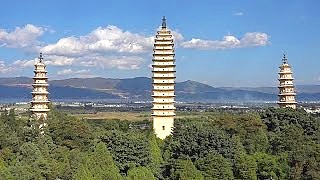
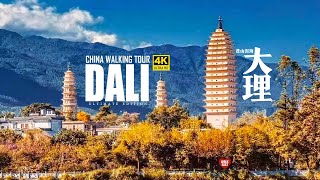
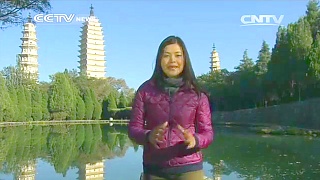
Three Pagodas of Chongsheng Temple: Located just outside Dali Ancient City, the Three Pagodas are iconic symbols of the region and date back to the Tang Dynasty. The pagodas are set against the backdrop of Cangshan Mountain and are surrounded by lush gardens and temples.

Cangshan Mountain: Cangshan Mountain is a scenic mountain range that towers over Dali and offers numerous hiking trails, scenic viewpoints, and opportunities for outdoor adventure. Visitors can hike to waterfalls, explore alpine meadows, and enjoy panoramic views of the valley below.

Xizhou Ancient Town: Xizhou Ancient Town is another well-preserved historical town near Dali, known for its traditional Bai architecture, historic courtyards, and vibrant market streets. Visitors can wander through the town's narrow alleyways, visit ancient temples, and sample local delicacies.

Cultural Experiences:
Bai Architecture: Explore the distinctive Bai architecture found throughout Dali, characterized by white-washed walls, gray tiled roofs, and intricately carved wooden decorations. Visitors can tour traditional Bai homes, visit ancient temples, and learn about local building techniques.

Cultural Performances: Experience traditional Bai music, dance, and theater performances at local venues and cultural centers in Dali. These performances often showcase traditional costumes, musical instruments, and storytelling techniques unique to the Bai culture.

Practical Tips:
Weather: Dali enjoys a mild climate year-round, but the best time to visit is during the spring (March to May) and autumn (September to November) when the weather is most pleasant and the landscapes are lush and green.

Transportation: Getting around Dali is convenient with its network of buses, taxis, and bicycles. Many attractions are within walking distance of Dali Ancient City, while others can be reached by public transportation or organized tours.

Accommodation: Dali offers a range of accommodation options, including boutique hotels, guesthouses, and traditional courtyard homes. Staying in Dali Ancient City allows visitors to immerse themselves in the town's historic atmosphere and vibrant culture.

Dali offers a captivating blend of natural beauty, cultural heritage, and traditional charm, making it an enchanting destination for visitors seeking to explore the treasures of Yunnan Province. Whether hiking in the mountains, wandering through ancient towns, or immersing oneself in local culture, Dali has something to offer for every traveler.
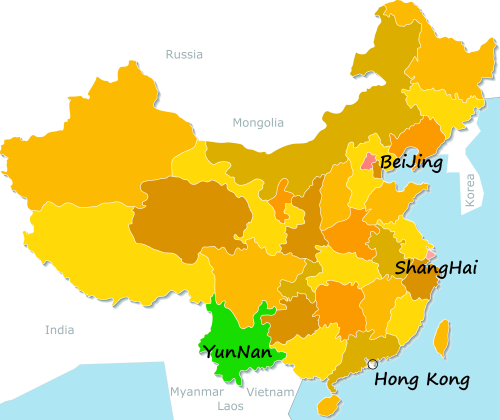
YunNan map

Related Videos


Featured Videos

Teaching English in SuZhou 苏州
YunNan special – with Little Chinese Everywhere – don’t miss it
Bright yellow canola fields and karst hills ... The HaNi rice terraces ... Above the clouds ... ShiPing Tofu (DoFu) ... YunNans's street food markets ... The Muslim minority in YunNan ...
The ‘Uyghur Tribunal’ : predictable and dangerous propaganda
Brian Berletic : "It is no coincidence that the so-called 'Uyghur Tribunal's 'final ruling' coincided with a dump of supposedly 'leaked' documents and the US-led 'diplomatic boycott' of the BeiJing 2022 Olympics. This is a massive propaganda campaign aimed at building hatred for China and justification for conflict with China." Circus, lies, propaganda, theater, kangaroo court. Manufacturing consent. And the mainstream media play their role as war propagandists; a disgrace to the human race. With The New Atlas ...
Hiking through the beautiful Tiger Leaping Gorge 虎跳峡
Tiger Leaping Gorge in YunNan province lies 60 kilometers north of LiJiang and is part of the UNESCO 'Three Parallel Rivers of Yunnan' World Heritage Site. The gorge in gorgeous 4K by Milosh Kitchovitch ... Hiking with Tim and Glo ... The site of the leaping rock close up, by Valpard ... The gorge is one of the world's deepest canyons and is populated by a few villages of the NaXi minority. Around 15 km in length, the gorge is located where the river passes between 5,600 meter high Jade Dragon Snow Mountain and the 5,400 meter high HaBa Snow Mountain in a series of rapids below steep 2000 meter cliffs. Legend says that in order to escape from a hunter, a tiger jumped across the river at its narrowest point (still 25 meters wide, though with a rock in the middle). There are a fair number of basic guesthouses for hikers, so your visit does not need to be rushed. These can also provide meals or snacks to passers by. The Hiking Trails. Hiking the entire length of the gorge is possible. There are two paths. The 'the high road' is well-maintained by the locals and marked, although sometimes narrow, and is used by the Naxi as part of everyday life. This trail is longer than the lower road, approximately 22 kilometers (14 miles), but more varied. It features a variety of micro-ecosystems and waterfalls, and is probably the best choice if you only take one of the paths. The 'low road' is a stretch of pavement (until recently a simple mule track) crossed by several waterfalls. This path more closely follows the Yangtze, so there are more views of the river and a stronger sense of being in a gorge. Where the high road descends to meet the lower road, one can climb down to the river near the Tiger Leaping Stone, the point at which the tiger is said to have leaped across in two bounds. Preparation That the gorge is outstandingly beautiful is coupled with the need for care. The environment is natural and so the almost absence of safety clutter puts the responsibility on the those visiting. Rockfalls are not unknown. Prepare for wet weather, which can arrive suddenly, and use suitable shoes. Take extra care when crossing wet rocks and in general don't take risks; think first. Don't go alone in case of accident. Take a mobile phone. Swimming and kayaking are extremely dangerous and must be avoided. Don't go off track; take a map (essential). Head back to your lodgings well before dusk as, being within a gorge, light fades quickly.
Mount DanXia 丹霞山 scenic area, GuangDong province
DānXiá Shān is a world famous UNESCO World Heritage Site Geo-Park. The area comprises a reddish sandstone which has been eroded over the years into a series of outcrops with spectacular cliffs and unusual rock formations. There are a number of temples in the mountains and many scenic paths. FuYiJiang River winds through the mountains and boat trips are possible.
30 Chinese drinks
30 popular drinks and beverages you might encounter in China, including traditional favorites and popular choices: Green Tea (绿茶, lǜchá) - Refreshing and commonly served in Chinese restaurants and households. Black Tea (红茶, hóngchá) - Another classic tea variety enjoyed across China. Oolong Tea (乌龙茶, wūlóngchá) - Semi-oxidized tea with a diverse range of flavors. Jasmine Tea (茉莉花茶, mòlìhuā chá) - Fragrant tea infused with jasmine flowers. Pu-erh Tea (普洱茶, pǔ'ěrchá) - A fermented tea known for its earthy flavor and health benefits. Chrysanthemum Tea (菊花茶, júhuā chá) - Light and floral tea made from chrysanthemum flowers. Hawthorn Juice (山楂汁, shānzhā zhī) - Tart and slightly sweet juice made from hawthorn berries. Coconut Water (椰子水, yēzi shuǐ) - Refreshing and hydrating natural drink from young coconuts. Soy Milk (豆浆, dòu jiāng) - Nutty and creamy beverage made from soybeans. Milk Tea (奶茶, nǎichá) - Popular sweetened tea with milk, often served cold or hot. Bubble Tea (珍珠奶茶, zhēnzhū nǎichá) - Sweetened tea or milk drink with chewy tapioca pearls. Lemon Tea (柠檬茶, níngméng chá) - Tea infused with lemon juice, often served cold. Lü Cheng Ice Tea (绿茶, lǜchá) - A popular bottled tea often found in convenience stores. Chrysanthemum Tea (菊花茶, júhuā chá) - Light and floral tea made from chrysanthemum flowers. Soy Milk (豆浆, dòu jiāng) - Nutty and creamy beverage made from soybeans. Milk Tea (奶茶, nǎichá) - Popular sweetened tea with milk, often served cold or hot. Bubble Tea (珍珠奶茶, zhēnzhū nǎichá) - Sweetened tea or milk drink with chewy tapioca pearls. Lemon Tea (柠檬茶, níngméng chá) - Tea infused with lemon juice, often served cold. Lü Cheng Ice Tea (绿茶冰, lǜchá bīng) - Bottled green tea served chilled with ice. Beer (啤酒, píjiǔ) - Commonly enjoyed alcoholic beverage in China, with popular brands like Tsingtao and Snow Beer. Rice Wine (米酒, mǐjiǔ) - Traditional Chinese alcoholic beverage made from fermented rice. Baijiu (白酒, báijiǔ) - Strong Chinese distilled spirit made from grains, commonly consumed during celebrations. Plum Juice (酸梅汤, suān méi tāng) - Tangy and sweet juice made from preserved plums. Winter Melon Tea (冬瓜茶, dōngguā chá) - Refreshing tea made from winter melon, often sweetened. Red Bean Soup (红豆汤, hóngdòu tāng) - Sweet soup made from boiled red beans, served hot or cold. Honey Citron Tea (柚子蜂蜜茶, yòuzi fēngmì chá) - Tea infused with honey and citron fruit, served hot. Laba Congee (腊八粥, làbā zhōu) - Sweet rice porridge traditionally enjoyed on Laba Festival, made with various ingredients like nuts and dried fruits. Wolfberry Tea (枸杞茶, gǒuqǐ chá) - Tea made from goji berries (wolfberries), known for their health benefits. Osmanthus Tea (桂花茶, guìhuā chá) - Fragrant tea made from osmanthus flowers, often sweetened. Lemon Water (柠檬水, níngméng shuǐ) - Simple infused water made with lemon slices and water. These are just a few examples of the diverse and delightful drinks you can enjoy in China. Each region may have its own specialties and variations of these beverages.
The Great Wall of China 长城 in autumn
Sections of the Great Wall near BeiJing, including HuangHua, filmed from a small, remote-controlled quad-copter drone; awesome ...
LingShan Grand Bhudda near WuXi  灵山大佛
With Shut-up and Travel ...
A trip to the beautiful Summer Palace 頤和園 in Beijing
In their last days as students at the Beijing University of Language and Culture, trips to the Summer Palace (YíHéYuán) and the ruins of, but still beautiful, 'Old Summer Palace' (YuanMingYuan). These are within walking distance of each other in west Beijing and both have metro (subway) stops. In neither film are all the scenic spots visited; but then these are huge places; both are well worth a visit when you're in Beijing ...

Tag search ?