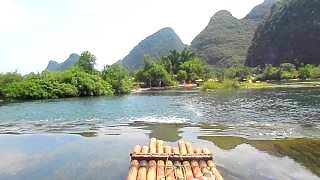
50 places to visit in GuangZhou

GuangZhou: 20 Kid-Friendly Places to Visit

  1. Canton Tower (广州塔 Guǎngzhōu Tǎ): Enjoy panoramic views of the city from one of the tallest towers in the world.
  2. Chimelong Paradise (长隆欢乐世界 Chánglóng Huānlè Shìjiè): Have fun with thrilling rides and entertainment for kids of all ages.
  3. Chimelong Safari Park (长隆野生动物园 Chánglóng Yěshēng Dòngwùyuán): See a variety of animals up close in this large safari park.
  4. Yuexiu Park (越秀公园 Yuèxiù Gōngyuán): Explore the lush greenery and iconic Five Ram Statue in this historic park.
  5. Guangzhou Zoo (广州动物园 Guǎngzhōu Dòngwùyuán): Visit the zoo to see pandas, elephants, and other animals.
  6. Haizhu Lake (海珠湖 Hǎizhū Hú): Take a leisurely stroll or enjoy boat rides on this picturesque lake.
  7. Guangzhou Children's Museum (广州儿童博物馆 Guǎngzhōu Értóng Bówùguǎn): Interactive museum with exhibits designed for children.
  8. Chimelong Water Park (长隆水上乐园 Chánglóng Shuǐshàng Lèyuán): Cool off in this water park featuring slides and pools.
  9. Guangzhou Science City (广州科学城 Guǎngzhōu Kēxué Chéng): Learn about science through interactive exhibits and demonstrations.
  10. Baiyun Mountain (白云山 Báiyún Shān): Hike or take a cable car to enjoy stunning views of the city from the mountain.
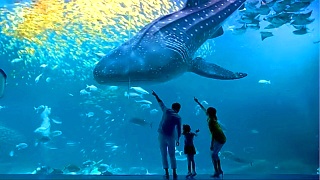
  11. Guangzhou Ocean World (广州海洋世界 Guǎngzhōu Hǎiyáng Shìjiè): Explore marine life and watch exciting performances at this aquarium.
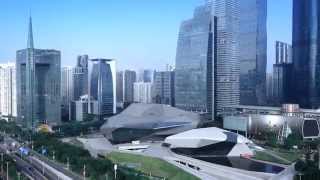
  12. Guangzhou Library (广州图书馆 Guǎngzhōu Túshūguǎn): Discover a wide range of books and resources in this modern library.
  13. Redtory Art and Design Factory (红专厂 Hóngzhuānchǎng): Explore art galleries and creative spaces in this former factory complex.
  14. Guangzhou Crocodile Park (广州鳄鱼园 Guǎngzhōu Èyú Yuán): See a variety of crocodile species and learn about their habitats.
  15. Haixinsha Island (海心沙岛 Hǎixīnshā Dǎo): Enjoy scenic views and outdoor activities on this artificial island along the Pearl River.
  16. Guangdong Museum (广东省博物馆 Guǎngdōng Shěng Bówùguǎn): Explore the history and culture of Guangdong Province through exhibits and artifacts.
  17. Guangzhou Children's Park (广州儿童公园 Guǎngzhōu Értóng Gōngyuán): Enjoy playgrounds, rides, and family-friendly activities in this park.
  18. South China Botanical Garden (华南植物园 Huánán Zhíwùyuán): Explore diverse plant collections and enjoy nature walks in this botanical garden.
  19. Guangzhou Sculpture Park (广州雕塑公园 Guǎngzhōu Diāosù Gōngyuán): Admire sculptures and art installations in this outdoor park.
  20. Baiyun International Convention Center (白云国际会议中心 Báiyún Guójì Huìyì Zhōngxīn): Attend events or explore the architectural marvels of this convention center.

30 More Places to Visit in GuangZhou

  1. Shamian Island (沙面岛 Shāmiàn Dǎo): Explore colonial architecture and tranquil surroundings on this historic island.
  2. Chen Clan Ancestral Hall (陈家祠 Chén Jiā Cí): Admire intricate architecture and traditional art in this ancestral hall.
  3. Guangzhou Opera House (广州大剧院 Guǎngzhōu Dàjùyuàn): Attend performances or admire the futuristic design of this opera house.
  4. Shangxiajiu Pedestrian Street (上下九步行街 Shàngxiàjiǔ Bùxíng Jiē): Shop for souvenirs and enjoy local delicacies on this bustling street.
  5. Guangzhou Museum of Art (广州艺术博物馆 Guǎngzhōu Yìshù Bówùguǎn): Discover contemporary Chinese art in this museum.
  6. Guangzhou Tower (小蛮腰 Xiǎo Mán Yāo): Visit this landmark tower for panoramic views and a revolving restaurant.
  7. Temple of the Six Banyan Trees (六榕寺 Liùróng Sì): Explore Buddhist art and architecture in this historic temple.
  8. Guangzhou Museum (广州博物馆 Guǎngzhōu Bówùguǎn): Learn about the history and culture of Guangzhou through exhibits and artifacts.
  9. White Cloud Mountain (白云山 Báiyún Shān): Hike or take a cable car to enjoy scenic views and explore caves.
  10. Guangzhou Opera House (广州大剧院 Guǎngzhōu Dàjùyuàn): Attend performances or admire the futuristic design of this opera house.
  11. Shangxiajiu Pedestrian Street (上下九步行街 Shàngxiàjiǔ Bùxíng Jiē): Shop for souvenirs and enjoy local delicacies on this bustling street.
  12. Guangzhou Museum of Art (广州艺术博物馆 Guǎngzhōu Yìshù Bówùguǎn): Discover contemporary Chinese art in this museum.
  13. Guangzhou Tower (小蛮腰 Xiǎo Mán Yāo): Visit this landmark tower for panoramic views and a revolving restaurant.
  14. Temple of the Six Banyan Trees (六榕寺 Liùróng Sì): Explore Buddhist art and architecture in this historic temple.
  15. Guangzhou Museum (广州博物馆 Guǎngzhōu Bówùguǎn): Learn about the history and culture of Guangzhou through exhibits and artifacts.
  16. White Cloud Mountain (白云山 Báiyún Shān): Hike or take a cable car to enjoy scenic views and explore caves.
  17. Guangzhou Flower City Square (花城广场 Huāchéng Guǎngchǎng): Enjoy the vibrant atmosphere and floral displays in this city square.
  18. Guangzhou Chimelong Golf Club (广州长隆高尔夫俱乐部 Guǎngzhōu Chánglóng Gāo'ěrfū Jùlèbù): Play golf and enjoy luxurious amenities at this golf club.
  19. Guangzhou Library (广州图书馆 Guǎngzhōu Túshūguǎn): Discover a wide range of books and resources in this modern library.
  20. Guangzhou Opera House (广州大剧院 Guǎngzhōu Dàjùyuàn): Attend performances or admire the futuristic design of this opera house.
  21. Shangxiajiu Pedestrian Street (上下九步行街 Shàngxiàjiǔ Bùxíng Jiē): Shop for souvenirs and enjoy local delicacies on this bustling street.
  22. Guangzhou Museum of Art (广州艺术博物馆 Guǎngzhōu Yìshù Bówùguǎn): Discover contemporary Chinese art in this museum.
  23. Guangzhou Tower (小蛮腰 Xiǎo Mán Yāo): Visit this landmark tower for panoramic views and a revolving restaurant.
  24. Temple of the Six Banyan Trees (六榕寺 Liùróng Sì): Explore Buddhist art and architecture in this historic temple.
  25. Guangzhou Museum (广州博物馆 Guǎngzhōu Bówùguǎn): Learn about the history and culture of Guangzhou through exhibits and artifacts.
  26. White Cloud Mountain (白云山 Báiyún Shān): Hike or take a cable car to enjoy scenic views and explore caves.
  27. Guangzhou Flower City Square (花城广场 Huāchéng Guǎngchǎng): Enjoy the vibrant atmosphere and floral displays in this city square.
  28. Guangzhou Chimelong Golf Club (广州长隆高尔夫俱乐部 Guǎngzhōu Chánglóng Gāo'ěrfū Jùlèbù): Play golf and enjoy luxurious amenities at this golf club.

Guangzhou, formerly known as Canton, is a dynamic metropolis located in southern China, serving as the capital of Guangdong Province. As one of China's oldest and largest cities, Guangzhou boasts a rich history, vibrant culture, and modern urban amenities. Here's a guide for tourists visiting Guangzhou:

Historical and Cultural Significance:
Historic Trading Hub: Guangzhou has a long history as a major trading port and commercial center, dating back over 2,000 years. It played a crucial role in the ancient Maritime Silk Road, facilitating trade and cultural exchange between China and other parts of the world.

Cultural Diversity: As a melting pot of cultures, Guangzhou has a diverse population, influenced by various ethnic groups and foreign traders throughout history. This cultural diversity is reflected in the city's cuisine, architecture, and traditions.

Top Attractions:
Canton Tower: As one of the tallest structures in China, the Canton Tower is an iconic landmark and a symbol of Guangzhou's modernity. Visitors can ascend the tower for panoramic views of the cityscape, dine in rotating restaurants, and experience thrilling attractions like the Sky Drop and Bubble Tram.

Yuexiu Park: This expansive park in the heart of Guangzhou is home to several attractions, including the iconic Five-Ram Statue, Zhenhai Tower, and the Guangzhou Museum. Visitors can stroll through lush gardens, admire ancient artifacts, and enjoy recreational activities like boating and tai chi.

Chen Clan Academy: Built during the Qing Dynasty, the Chen Clan Ancestral Hall (also known as the Chen Clan Academy) is a masterpiece of Lingnan architecture. It houses a vast collection of traditional art, wood carvings, and ancestral tablets, offering insights into the region's cultural heritage.

Shamian Island: Located along the Pearl River, Shamian Island is a tranquil oasis with tree-lined streets, colonial-era buildings, and charming cafes. Visitors can wander through the island's historic neighborhoods, admire European-style architecture, and relax by the waterfront.

Guangzhou Opera House: Designed by renowned architect Zaha Hadid, the Guangzhou Opera House is a striking architectural masterpiece that hosts world-class performances and cultural events. Visitors can attend opera, ballet, concerts, and other artistic performances in a stunning modern setting.

Culinary Delights:
Cantonese Cuisine: Guangzhou is famous for its delicious Cantonese cuisine, characterized by fresh seafood, dim sum, roast meats, and flavorful stir-fries. Visitors can sample authentic dishes at local restaurants, street food stalls, and traditional teahouses throughout the city.

Qingping Market: Explore Qingping Market, one of Guangzhou's oldest and largest markets, to experience the vibrant atmosphere and diverse array of local specialties. From exotic fruits and spices to live seafood and herbal remedies, the market offers a sensory feast for visitors.

Practical Tips:
Transportation: Getting around Guangzhou is convenient with its extensive public transportation system, including buses, taxis, and the Guangzhou Metro. The city's efficient transportation network makes it easy to navigate between attractions and neighborhoods.

Language: Mandarin Chinese is the official language spoken in Guangzhou, although Cantonese is also widely spoken by locals. English may not be widely understood, especially in more remote areas, so it's helpful to carry a phrasebook or translation app.

Weather: Guangzhou has a subtropical climate with hot, humid summers and mild winters. The best time to visit is during the cooler months from October to March when the weather is more comfortable for outdoor activities.

Currency: The currency used in China is the Chinese Yuan (CNY). Credit cards are widely accepted at hotels, restaurants, and shops in urban areas, but it's advisable to carry cash for small purchases and transactions.

Guangzhou offers a fascinating blend of ancient history, modernity, and cultural diversity, making it an enchanting destination for tourists seeking to explore the treasures of southern China. Whether marveling at iconic landmarks, savoring Cantonese cuisine, or immersing oneself in the city's vibrant culture, Guangzhou has something to offer for every traveler.
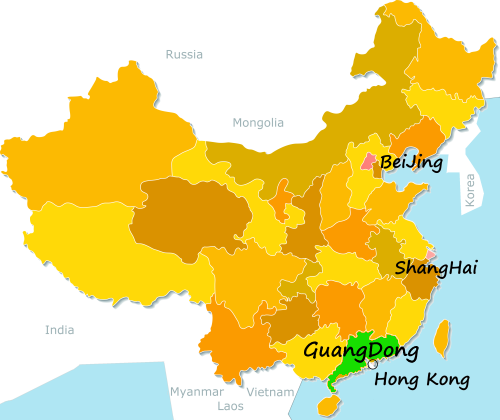
GuangDong map

Related Videos


Featured Videos

Narcissists, psychopaths and other toxic people
A first step in getting out of a trapped life, to a real life, is to become free of toxic people. Nobody is perfect; but most people know, to some extent, their faults, feel empathy and try to be better. But some people cannot see their faults, lack empathy and are always 'right' - the most important thing to know is that they cannot be 'fixed', understood, or healed by you (only a highly skilled psychotherapist stands a chance, and that's partly because there is no life relationship). If you cannot (yet) get away, at least become aware that it is not your problem. One can sense some similarities in dynamics with geo-politics. A variety of voices on this topic - in no particular order (may need multiple viewings because it can take time to understand more than superficially) ...
Taking a driverless robo-taxi in WuHan
With Barrett ...
The Temple of Heaven 天坛, BeiJing – video
Planning war on China – part 16
How we are brain-washed by propaganda / told what we believe. How war is peace, and aggression is the face being punched. With Daniel Dumbrill and Brian Berletic ... On Thailand ... On Cuba and China ...
Exploring HangZhou 杭州 …
Capital of ZheJiang province.
Riding the tram through NanJing’s futuristic HeXi CBD
With Walk East ... HeXi CBD visitor guide - NanJing Overview The Hexi Central Business District (Hexi CBD) is a modern and dynamic area located in the JianYe District of NanJing, China. Known for its impressive skyscrapers, luxury shopping malls, and vibrant business environment, Hexi CBD is a major commercial hub and a popular destination for both business and leisure visitors. Getting There Location: JianYe District, NanJing, JiangSu Province, China. Public Transport: By Metro: Take Metro Line 1 or Line 2 and get off at Yuantong Station, which is centrally located in Hexi CBD. By Bus: Numerous bus lines serve the Hexi CBD area. Key stops include the Yuantong Station and NanJing International Expo Center. By Taxi: Taxis are readily available throughout NanJing and can take you directly to Hexi CBD. Main Attractions Hexi CBD offers a variety of attractions and points of interest: NanJing International Expo Center: A major venue for exhibitions, conferences, and events, attracting visitors from around the world. JianYe Wanda Plaza: A large shopping complex offering a mix of high-end retail stores, dining options, and entertainment facilities. Eco-Tech Island: A scenic area with green spaces, walking paths, and eco-friendly initiatives, perfect for a leisurely stroll or relaxation. NanJing Olympic Sports Center: A state-of-the-art sports complex hosting various sports events and concerts. Hexi Central Park: A beautiful park offering a tranquil environment with gardens, lakes, and recreational facilities. Shopping and Dining Hexi CBD is a paradise for shopping and dining enthusiasts: Luxury Shopping: High-end shopping malls like Deji Plaza and JiMao Shopping Mall offer luxury brands and designer boutiques. Local Cuisine: Experience authentic JiangSu cuisine at renowned restaurants and local eateries. International Dining: The area features a wide range of international restaurants offering diverse cuisines from around the world. Cafes and Bars: Numerous cafes and bars provide a perfect spot to relax, enjoy a drink, and socialize. Business and Accommodation Hexi CBD is a key business district with excellent facilities and accommodation options: Business Centers: Modern office buildings and business centers host numerous multinational companies and enterprises. Hotels: Luxury hotels such as the Jinling Riverside Hotel and Hilton NanJing offer top-notch accommodation and amenities for business travelers. Conference Facilities: State-of-the-art conference and meeting facilities are available for business events and meetings. Activities Visitors can engage in a variety of activities in Hexi CBD: Shopping: Explore the numerous shopping malls and boutique stores. Dining: Enjoy a meal at one of the many restaurants offering a wide range of cuisines. Relaxing in Parks: Spend time in the green spaces and parks for a peaceful retreat. Attending Events: Participate in exhibitions, conferences, and sports events held at the various venues. Exploring Nightlife: Experience the vibrant nightlife with bars, clubs, and entertainment options. Visitor Tips Best Time to Visit: Spring and autumn are the best times to visit due to the pleasant weather. Wear Comfortable Shoes: The area is large and involves a lot of walking, so comfortable shoes are recommended. Plan Ahead: Check the schedule for events and exhibitions to make the most of your visit. Stay Connected: Free Wi-Fi is available in most public areas and shopping malls. Respect Local Customs: Be mindful of local customs and etiquette, especially in business settings. Nearby Attractions FuZi Miao (Confucius Temple): A historic site offering cultural insights and traditional architecture, located a short distance from Hexi CBD. XuanWu Lake: A scenic lake surrounded by parks, ideal for boating and leisurely walks. NanJing Museum: One of China's leading museums, showcasing extensive collections of historical and cultural artifacts. Conclusion The Hexi CBD in NanJing is a vibrant and modern district offering a mix of business, shopping, dining, and entertainment experiences. Whether you're a business traveler, a shopper, or simply looking to explore a dynamic urban area, Hexi CBD provides an exciting and memorable experience.
To live, you must first die (psychology / philosophy)
To be free, is to be off the time-lapse trajectory of the past into the future. This means to stop rationalizing and die to the past - only then one can truly live in the present moment. The past is still the past, but one is no longer its hostage. What stands in the way of a true life is - you - that is, the past, that one thinks of as 'me' (a mush of programming and fantasies - the noise that precludes clarity). The truth is simple; but it is not easy. One must be aware of one's thoughts and see them not as you but as relics; to see these thoughts as what they really are and not be ruled by them. The first, and crucial, step is to see how one has been hijacked by the past. To be free, is to be free of the past. Truth is not about believing, or 'knowing', a bunch of concepts; truth is being real. At BB, we can recommend Alan Watts, Jiddu Krishnamurti and Gabor Mate as sincere and wise voices to explore this more; though there are many others, these are straight talkers (some of their talks are featured here). The thing is - the guide is not the truth, it is only a guide; never trust in or believe a guide as though it is the truth - either you simply believe this or that, or you are true. Don't be an addict - to a belief. Don't be an addict to your past and ego. 10,000 years and 100,000 books of philosophy distilled into a few sentences. Once out of the prison of the past, everything else becomes clear. Kyle Cease talks with Tom Bilyeu ... Bonus film - with Jiddu Krishnamurti ... Bonus film 2 - with Alan Watts ...
The awesome ChengDe – China’s ancient royal summer retreat / mountain resort
With CGTN / Travelogue ... The eight surrounding temples - with Beijing Old Liu ... With Silver Walks ... ChengDe visitor guide Overview ChengDe, located in HeBei province, is home to China's ancient royal summer retreat, known as the ChengDe Mountain Resort. This UNESCO World Heritage Site is a historical complex of palaces, gardens, and temples used by the Qing dynasty emperors as a summer escape. The resort, surrounded by beautiful natural landscapes, showcases the grandeur and elegance of Chinese imperial architecture. History Construction of the ChengDe Mountain Resort began in 1703 under the reign of Emperor Kangxi of the Qing dynasty and took nearly 90 years to complete. The resort served as a summer residence for Qing emperors, providing a cooler climate and a peaceful retreat from the summer heat of Beijing. It also served as a political center for managing affairs with ethnic minorities and foreign dignitaries. Main Attractions Rehe Palace The Rehe Palace is the central area of the ChengDe Mountain Resort, where the emperors conducted state affairs and received guests. The palace complex includes several halls and pavilions, each with its unique architectural features and historical significance. Lake Area The lake area of the resort is a serene and picturesque section featuring a series of interconnected lakes and islands. The lakes are surrounded by pavilions, bridges, and gardens, offering stunning views and a peaceful ambiance. Plain Area The plain area is an expansive open space designed to mimic the landscapes of the northern grasslands. It includes grazing areas, hunting grounds, and fields used for archery and other activities. The area reflects the Qing emperors' admiration for the vast, open plains of their Manchu heritage. Temple of Universal Peace (PuNing Temple) The Temple of Universal Peace, also known as PuNing Temple, is one of the Eight Outer Temples built around the ChengDe Mountain Resort. The temple is famous for its large wooden statue of Avalokitesvara (Guanyin) and its beautiful architectural blend of Han and Tibetan styles. Temple of Putuo Zongcheng The Temple of Putuo Zongcheng, inspired by the Potala Palace in Tibet, is another significant temple near the resort. It was built to celebrate the emperor's birthday and to strengthen ties with Tibetan Buddhism. The temple complex is an impressive display of Tibetan-style architecture. Culture and Traditions ChengDe Mountain Resort and its surrounding temples are a testament to the Qing dynasty's cultural and religious diversity. The site reflects the harmonious coexistence of Han Chinese, Tibetan, Mongolian, and other ethnic traditions. Visitors can witness traditional Chinese architecture, Tibetan Buddhist art, and Mongolian cultural elements, all within the resort complex. Activities and Experiences Guided Tours Consider joining a guided tour to explore the ChengDe Mountain Resort and its temples. Knowledgeable guides provide insights into the history, architecture, and cultural significance of the site, enhancing your visit. Hiking and Nature Walks The resort is surrounded by beautiful natural landscapes, including mountains, forests, and rivers. Visitors can enjoy hiking and nature walks along the well-maintained trails, offering stunning views and a chance to appreciate the area's natural beauty. Local Cuisine While in ChengDe, be sure to sample the local cuisine. The region is known for its unique dishes, such as ChengDe roasted lamb, Manchu-style hotpot, and various traditional snacks. Local restaurants and food stalls offer a taste of authentic HeBei flavors. Accommodation ChengDe offers a range of accommodation options, from luxury hotels to budget-friendly guesthouses. Staying in a local hotel provides convenient access to the resort and other attractions in the area. Many hotels offer traditional Chinese decor and modern amenities, ensuring a comfortable and memorable stay. Travel Tips Best Time to Visit: The best time to visit ChengDe is during spring (April to June) and autumn (September to November) when the weather is mild and the scenery is at its best. Getting There: ChengDe is accessible by train or bus from Beijing. The high-speed train from Beijing to ChengDe takes approximately 2 hours. Local transportation options include taxis and buses. Opening Hours: The ChengDe Mountain Resort is open daily from 8:00 AM to 5:00 PM. The surrounding temples have similar opening hours. Entrance Fees: There is an entrance fee for the ChengDe Mountain Resort and additional fees for visiting the surrounding temples. Combo tickets are available for multiple attractions. Dress Comfortably: Wear comfortable walking shoes and dress in layers, as the weather can change quickly, especially in the mountainous areas. Respect Local Customs: When visiting temples and historical sites, be respectful of local customs and traditions. Always ask for permission before taking photos of people.
Geopolitics update, February 2024
With Ben Becker ... With Vijay Prashad ... With Jan Oberg ... With Cyrus Janssen ... With BreakThrough News ... With Jeffrey Sachs and Judge Napolitano (8th Feb.) ... With George Galloway (11th Feb.) ... With Scott Ritter (14th / 9th Feb.) ... With Ben Norton - on de-dolarisation and CBDCs (central bank digital currencies) ...

Tag search ?