Palestine – crimes against humanity

Speaking up for the voiceless.

With ChristianMalaza (Christian Malazarte), Judge Napolitano and many other true humanitarians ...

[640],shadow=true,start=,stop=

Bonus film - The Propaganda War, with the late investigative journalist John Pilger ...
[320],shadow=true,start=,stop=

Related Videos


Featured Videos

BeiJing walking tour
With Walk East ...
Grand View Garden, BeiJing
Grand View Garden (DaGuanYuan) is a large imperial style garden; a recreation of the famous garden described in the classic Chinese novel "Dream of the Red Chamber" (also known as "A Dream of Red Mansions" or "The Story of the Stone"), written by Cao Xueqin during the Qing dynasty. The construction of Grand View Garden began in 1984 and was completed in 1986. It covers an area of about 12 hectares (30 acres) and is designed to resemble the garden as described in the novel, with pavilions, corridors, artificial hills, ponds, and lush vegetation. Visitors to Grand View Garden can explore various scenic spots and cultural attractions that are inspired by the characters and events from "Dream of the Red Chamber." Some of the highlights include: Grand View Tower (Daguanyuanlou): This central pavilion serves as the main entrance to the garden and offers panoramic views of the surrounding landscape. It is a popular spot for visitors to take photos and admire the scenery. Baochai Hall (Baochaifang): Named after one of the principal characters in the novel, Baochai Hall is a traditional Chinese-style building where visitors can learn about the life and culture of the Qing dynasty elite. Jia Baoyu's Room (Jiabaojuyuan): This recreation of the protagonist's living quarters gives visitors a glimpse into the daily life of the fictional Jia family. The room is furnished with antique furniture and decorations reminiscent of the Qing dynasty. Peach Blossom Island (Taoyuandong): Inspired by the idyllic setting described in the novel, Peach Blossom Island features winding paths, lush vegetation, and a tranquil pond surrounded by peach trees. It is a peaceful retreat within the garden where visitors can relax and enjoy nature. The Eighteen Scenes of the Grand View Garden: These scenic spots are based on the poetic descriptions found in "Dream of the Red Chamber" and include attractions such as the Lotus Fragrance Pavilion, the Mountain of Toads, and the Three Wisdoms Hall. In addition to its historical and cultural significance, Grand View Garden also hosts various cultural events, performances, and exhibitions throughout the year, including traditional Chinese opera performances, calligraphy demonstrations, and art exhibitions. Overall, Grand View Garden offers visitors a unique opportunity to immerse themselves in the world of "Dream of the Red Chamber" and experience the beauty and elegance of traditional Chinese garden design. It is a popular destination for both tourists and locals alike, providing a tranquil escape from the bustling city of Beijing.
Spring Festival Chinese Opera party 春节戏曲晚会, 2016
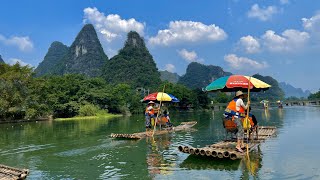
YangShuo 阳朔 – ‘my kind of adventure’
GuangXi province ...
The classical gardens of SuZhou, JiangSu 苏州 (Scenic China Special, 2018 – 6)
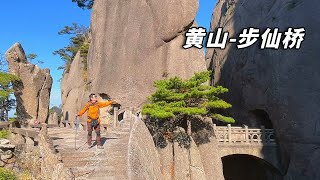
A guide to visiting HuangShan (Yellow Mountain), AnHui province
Huangshan, also known as the Yellow Mountains, is a renowned mountain range in southern Anhui Province. Famous for its stunning granite peaks, ancient pine trees, hot springs, and the mystical sea of clouds, Huangshan is a UNESCO World Heritage site and a popular destination for tourists and photographers. This guide provides an in-depth look at the best attractions, activities, and tips for visiting Huangshan. Top Attractions The Five Peaks of Huangshan Huangshan features several notable peaks, each offering unique scenery and experiences: Lotus Peak (Lianhua Peak): The highest peak at 1,864 meters, providing panoramic views and a challenging climb. Bright Summit (Guangming Ding): Known for its breathtaking sunrise and sunset views. Celestial Capital Peak (Tiandu Peak): Famous for its steep, narrow paths and stunning vistas. Purple Cloud Peak (Ziyun Peak): Offers a unique perspective of the mountain range. Beginning-to-Believe Peak (Shixin Peak): Known for its dense pine trees and excellent viewpoints. Sea of Clouds The Sea of Clouds is one of Huangshan's most spectacular phenomena. This natural wonder occurs when fog envelops the valleys and lower peaks, leaving the higher peaks to appear as islands floating in a white sea. Hot Springs The hot springs at the foot of Huangshan are famous for their therapeutic properties. The springs have been a popular attraction for centuries and provide a relaxing way to unwind after a day of hiking. Pine Trees The ancient pine trees of Huangshan are known for their unique shapes and resilience, often growing out of rocky crevices. The most famous of these is the Greeting Pine (Ying Ke Song), which appears to welcome visitors with its outstretched branches. Flying-Over Rock This balanced rock is perched precariously on a narrow ledge and is a popular spot for photography. The rock appears to defy gravity and offers incredible views of the surrounding peaks. Geology of Huangshan Huangshan's distinctive landscape is primarily composed of granite, which has been shaped by millions of years of geological activity. The mountain's sharp peaks, deep valleys, and unique rock formations are the result of tectonic uplift and erosion. The granite's resistance to weathering has created the dramatic, jagged peaks that characterize the region. Touring Huangshan Planning Your Visit A visit to Huangshan typically takes two to three days to fully appreciate the main highlights. Here is a suggested itinerary: Day 1: Arriving and Initial Exploration Morning: Arrive at Huangshan and take the Yungu Cable Car to the top. Check into a mountain hotel to drop off your luggage. Afternoon: Explore the Beginning-to-Believe Peak and enjoy the stunning views and unique pine trees. Evening: Watch the sunset from Bright Summit. Day 2: Main Peaks and Scenic Areas Early Morning: Wake up early to catch the sunrise from Bright Summit. Mid-Morning: Hike to Lotus Peak, the highest peak, for panoramic views. Afternoon: Visit Flying-Over Rock and take in the stunning views of the sea of clouds if conditions are right. Evening: Relax at the mountain hotel or explore more of the scenic spots at a leisurely pace. Day 3: Descending and Hot Springs Morning: Take the Yungu Cable Car down to the base of the mountain. Mid-Morning: Visit the hot springs at the base of the mountain for a relaxing soak. Afternoon: Explore the nearby ancient villages such as Hongcun or Xidi before departing. Activities and Experiences Hiking Huangshan offers a variety of hiking trails ranging from easy walks to challenging climbs. The trails are well-marked and offer breathtaking views at every turn. Popular routes include the circular path that covers the major peaks and the hike from the base to the summit. Photography The dramatic landscapes of Huangshan provide endless opportunities for photography. Key spots include the Sea of Clouds, the unique pine trees, and the panoramic views from the peaks. Local Cuisine After a day of hiking, enjoy local Anhui cuisine, known for its use of fresh ingredients and rich flavors. Specialties include stinky tofu, mandarin fish, and bamboo shoots. There are several restaurants and food stalls at the base of the mountain and near the cable car stations. Travel Tips Best Time to Visit The best times to visit Huangshan are spring (April to June) and autumn (September to November) when the weather is mild and the scenery is at its most vibrant. Summer can be hot and crowded, while winter offers fewer tourists and the chance to see the mountains covered in snow. Getting There Huangshan is accessible by train, bus, and air. The nearest city is Huangshan City (Tunxi), from where you can take a bus or taxi to the mountain. Huangshan Tunxi International Airport has flights from major Chinese cities, and the Huangshan North Railway Station is connected to the high-speed rail network. Accommodation Accommodation options range from budget hostels to mid-range hotels in Huangshan City and near the mountain. For a unique experience, consider staying overnight on the mountain in a guesthouse or hotel, which allows you to catch the sunrise and sunset from the peaks. Tickets and Passes Purchase entrance tickets at the mountain's gates. There are separate tickets for the cable cars and hot springs. Consider buying a multi-day pass if you plan to explore all the main peaks and scenic areas. Guides and Tours Hiring a local guide can enhance your experience by providing insights into the mountain's history, culture, and geology. Many tour operators offer packages that include transportation, tickets, and guided tours.
Angela Chang – A Diao 阿刁 – music
Bamboo basket weaving 传统竹编提篮
Awesome traditional craft skills; beautiful. With XiaoXi's Culinary Idyll 我们的小喜 ...
JingDeZhen 景德镇 : Why porcelain is commonly known as China
JingDeZhen, in JiangXi province, is known as the Porcelain Capital' because it has been producing pottery for over 1,700 years. JingDeZhen is close to the best quality deposits of petuntse, or porcelain stone, in China, as well as being surrounded by forests, mostly of pine, providing wood for the kilns. It also has river connections flowing both north and south, facilitating transport of the fragile wares. Its best-known high quality porcelain wares have been QingBai in the Song and Yuan dynasties, blue and white porcelain from the 1330s, and the 'famille rose# (and other 'famille' colors) during the Qing dynasty.

Tag search ?