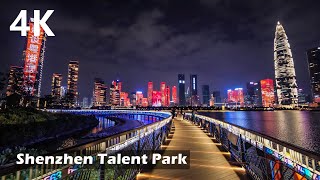
ShenZhen walking tour

With China Look Group ...

[640],shadow=true,start=,stop=

Shenzhen is a modern metropolis located in Guangdong Province, bordering Hong Kong to the south. Known as China's first Special Economic Zone, Shenzhen has transformed from a fishing village into a bustling city known for its innovation, technology, and vibrant culture. Here's what you need to know as a tourist visiting Shenzhen:

Modern Landmarks and Skyscrapers:
Shenzhen Bay Park: This expansive waterfront park offers stunning views of Shenzhen's skyline and the Hong Kong skyline across the bay. It's a popular spot for leisurely strolls, cycling, and picnics.

Shenzhen Civic Center: Admire the futuristic architecture of the Shenzhen Civic Center, which includes landmarks such as the Shenzhen Concert Hall, Shenzhen Library, and Shenzhen Museum.

Ping An Finance Centre: Marvel at one of the tallest skyscrapers in China and the fourth-tallest in the world, featuring an observation deck on the 116th floor offering panoramic views of the city.

Theme Parks and Entertainment:
Window of the World: Explore miniature replicas of famous landmarks from around the world, including the Eiffel Tower, the Taj Mahal, and the Great Wall of China, all in one place.

Happy Valley: This amusement park offers thrilling rides, live entertainment, and themed areas catering to visitors of all ages, making it a popular destination for families and thrill-seekers.

Shopping and Dining:
Huaqiangbei Electronics Market: Known as the world's largest electronics market, Huaqiangbei is a paradise for tech enthusiasts, offering everything from gadgets and components to accessories and repairs.

Coco Park: This upscale shopping and dining district features a wide range of boutiques, department stores, restaurants, bars, and cafes, catering to both locals and tourists.

Cultural and Historical Sites:
Dafen Oil Painting Village: Explore this vibrant artist community known for its reproduction oil paintings, where you can watch artists at work and purchase artworks at affordable prices.

Fairy Lake Botanical Garden: Escape the urban hustle and bustle at this expansive botanical garden, featuring lush greenery, scenic walking trails, and a diverse collection of plants and flowers.

Practical Tips:
Transportation: Shenzhen has a well-developed public transportation system, including the metro, buses, and taxis. The metro is the most convenient way to get around the city, with signs and announcements in both Chinese and English.

Language: Mandarin is the official language, but Cantonese and English are also widely spoken, especially in tourist areas, hotels, and restaurants.

Weather: Shenzhen has a subtropical climate with mild, dry winters and hot, humid summers. The best times to visit are spring (March to May) and autumn (September to November) when the weather is pleasant and comfortable.

Visa: Depending on your nationality, you may need a visa to enter China. Check the latest visa requirements and apply in advance if necessary.

Shenzhen offers a dynamic mix of modern attractions, cultural experiences, and shopping opportunities, making it an exciting destination for tourists seeking a taste of urban life in China. Whether you're interested in technology, entertainment, or simply exploring a vibrant city, Shenzhen has something for everyone.
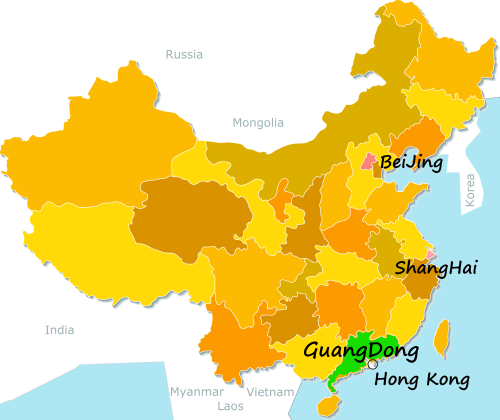
GuangDong map

Related Videos


Featured Videos

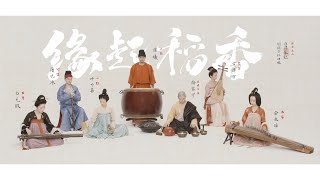
Tang dynasty music – with Zi De GuQin Studio
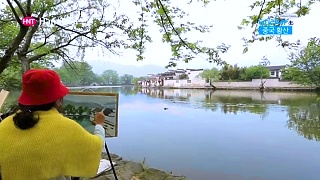
Scenes of ancient China – HongCun 宏村
Filmed in July 2013. With Sticker Travel. First film shows the village of HongCun in AnHui province. Scenes from the film 'Crouching Tiger, Hidden Dragon' were filmed in HongCun, which is close to the south slope of Mount HuangShan and a UNESCO World Heritage site. The second film shows some places from WuYuan County, JiangXi province, including LiKeng village. Many of the well-preserved structures here date back to the Tang Dynasty, around 700 AD.
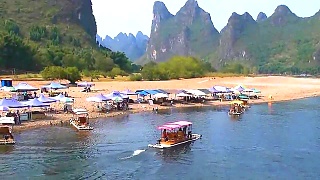
YangShuo  阳朔 ! GuangXi province
This beautiful film shows the Li River, YuLong River, bamboo rafting and cruise, plus cycling and hot-air balooning. Plus a few scenes from the outdoor performance Impressions Liu San Jie. 15 minutes in paradise ...
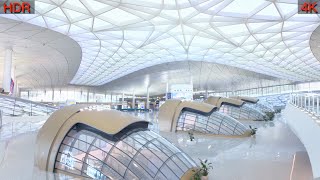
HangZhou West railway station
With CN Walking ...
50 places to visit in Hong Kong
Hong Kong: 20 Kid-Friendly Places to Visit Ocean Park Hong Kong (海洋公園 Hǎiyáng Gōngyuán): Amusement park with marine life exhibits, animal shows, and rides. Hong Kong Disneyland (香港迪士尼乐园 Xiānggǎng Díshìní Lèyuán): Magical theme park with Disney characters, rides, and attractions. The Peak Tram (山顶缆车 Shāndǐng Lǎnchē): Ride the iconic tram to Victoria Peak for panoramic views of the city. Hong Kong Zoological and Botanical Gardens (香港动植物公园 Xiānggǎng Dòngzhíwù Gōngyuán): Explore diverse plant and animal species in these gardens. Nan Lian Garden (南莲园池 Nán Lián Yuánchí): Tranquil Chinese garden with scenic ponds, pavilions, and bonsai trees. Hong Kong Space Museum (香港太空馆 Xiānggǎng Tàikōng Guǎn): Discover space science and astronomy through interactive exhibits. Hong Kong Science Museum (香港科学馆 Xiānggǎng Kēxué Guǎn): Interactive science exhibits and an Omnimax theater. Hong Kong Museum of History (香港历史博物馆 Xiānggǎng Lìshǐ Bówùguǎn): Exhibits on Hong Kong's history, culture, and heritage. Noah's Ark Hong Kong (香港挪亚方舟公园 Xiānggǎng Nuóyà Fāngzhōu Gōngyuán): Themed attraction with a replica of Noah's Ark and educational exhibits. Lamma Island (南丫岛 Nányā Dǎo): Explore beaches, hiking trails, and seafood restaurants on this tranquil island. Wetland Park (香港湿地公园 Xiānggǎng Shīdì Gōngyuán): Nature reserve with boardwalks, birdwatching, and educational exhibits. Trick Eye Museum (幻境艺术馆 Huàn Jìng Yìshù Guǎn): Interactive art museum with optical illusions and 3D exhibits. Hong Kong Maritime Museum (香港海事博物馆 Xiānggǎng Hǎishì Bówùguǎn): Exhibits on Hong Kong's maritime heritage and seafaring history. Discovery Bay (愉景湾 Yújǐng Wān): Relaxing beach area with water sports, dining, and shopping. Butterfly Beach (蝴蝶湾 Húdié Wān): Picturesque beach with clear water and gentle waves. Hong Kong Toy Museum (香港玩具博物馆 Xiānggǎng Wánjù Bówùguǎn): Vintage and collectible toys from different eras. Lantau Island (大屿山 Dàyǔ Shān): Giant Buddha statue, Ngong Ping 360 cable car, and hiking trails. Kowloon Park (九龙公园 Jiǔlóng Gōngyuán): Green space with playgrounds, aviaries, and a swimming pool. Ma Wan Park (馬灣公園 Mǎwān Gōngyuán): Theme park with attractions like the Ma Wan Tung Wan Beach. Lion Rock Park (狮子山公园 Shīzǐ Shān Gōngyuán): Hiking trails with views of the city skyline and Lion Rock. Hong Kong: 30 More Places to Visit Victoria Harbour (维多利亚港 Wéiduōlìyà Gǎng): Iconic harbor with stunning views, ferries, and the Symphony of Lights. Temple Street Night Market (庙街夜市 Miào Jiē Yèshì): Bustling market with street food, souvenirs, and fortune tellers. Stanley Market (赤柱市集 Chìzhù Shìjí): Waterfront market with clothing, accessories, and handicrafts. Peak Circle Walk (山顶环道 Shāndǐng Huán Dào): Scenic walking trail around Victoria Peak with panoramic views. Lamma Island Family Walk (南丫岛家庭步行径 Nányā Dǎo Jiātíng Bùxíng Jìng): Easy coastal walk with sea views and seafood restaurants. Nan Lian Garden (南莲园池 Nán Lián Yuánchí): Tranquil Chinese garden with scenic ponds, pavilions, and bonsai trees. Lantau Trail (大屿山径 Dàyǔ Shān Jìng): Hiking trail covering Lantau Island's scenic landscapes and beaches. Tai O Fishing Village (大澳渔村 Dà'ào Yúcūn): Traditional fishing village with stilt houses and seafood delicacies. Nan Lian Garden (南莲园池 Nán Lián Yuánchí): Tranquil Chinese garden with scenic ponds, pavilions, and bonsai trees. Chi Lin Nunnery (志蓮淨苑 Zhìlián Jìngyuàn): Buddhist monastery with elegant architecture and tranquil gardens. Man Mo Temple (文武廟 Mùi Móu): Historic temple dedicated to the gods of literature and martial arts. Ngong Ping Village (昂坪村 Ángpíng Cūn): Cultural village near the Tian Tan Buddha with shops and restaurants. Sai Kung Town (西贡镇 Xīgòng Zhèn): Fishing town with seafood restaurants, hiking trails, and beaches. Hong Kong Heritage Museum (香港文化博物馆 Xiānggǎng Wénhuà Bówùguǎn): Exhibits on Hong Kong's art, culture, and history. PMQ (元创方 Yuán Chuàng Fāng): Creative hub with shops, studios, and exhibitions in a historic building. Golden Bauhinia Square (金紫荆广场 Jīn Zǐjīng Guǎngchǎng): Landmark square with a giant bauhinia statue and harbor views. Tsim Sha Tsui Promenade (尖沙咀海滨长廊 Jiānshāzuǐ Hǎibīn Chángláng): Waterfront promenade with views of Victoria Harbour and the skyline. Repulse Bay (浅水湾 Qiǎnshuǐ Wān): Scenic beach with golden sands, clear water, and beachside dining. Mai Po Nature Reserve (米埔自然保护区 Mǐbù Zìrán Bǎohùqū): Wetlands with birdwatching hides, mangroves, and wildlife. Hong Kong Museum of Art (香港艺术馆 Xiānggǎng Yìshù Guǎn): Exhibits on Chinese and international art in a modern building. Star Ferry (天星小轮 Tiānxīng Xiǎolún): Iconic ferry service between Hong Kong Island and Kowloon. Lugard Road Lookout (盧吉道 Lu Jídào): Scenic trail with views of Victoria Harbour and the city skyline. Hong Kong Heritage Discovery Centre (香港文物探知中心 Xiānggǎng Wénwù Tànzhī Zhōngxīn): Exhibits on Hong Kong's archaeology, heritage, and history. Dr. Sun Yat-sen Museum (孙中山纪念馆 Sūn Zhōngshān Jìniànguǎn): Museum dedicated to the life and legacy of Dr. Sun Yat-sen. Hong Kong Tramways (香港电车 Xiānggǎng Diànchē): Historic tram system running along Hong Kong Island's north coast. Hong Kong Heritage Discovery Centre (香港文物探知中心 Xiānggǎng Wénwù Tànzhī Zhōngxīn): Exhibits on Hong Kong's archaeology, heritage, and history. Lung Fu Shan Country Park (龙虎山郊野公园 Lónghǔ Shān Jiāoyě Gōngyuán): Hiking trails and scenic views near Victoria Peak. Hong Kong Park (香港公园 Xiānggǎng Gōngyuán): Urban park with aviaries, a greenhouse, and tranquil gardens. Dragon's Back Trail (龙脊径 Lóngjǐ Jìng): Scenic hiking trail with panoramic views of the coastline and islands.
The Harbin 哈尔滨 Snow and Ice Festival 2019
First time in China – ChengDu, capital city of SiChuan province
With Ride With Gabi ...
The enduring Silk Road
A documentary series by RT. Text by RT. The Ancient Silk Road was a trade route that began in China in the 2nd century BC and, for more than 1700 years, linked Europe and Asia. As well as goods, it facilitated a cultural exchange between the continents, knowledge, religion, art, philosophy and tradition all passed back and forth between distant nations. Modern China now has the strongest economy in Asia and is a major world power. This series examines the enduring influence of the Silk Road in making the nation what it is today and how its legacy still thrives in China. PART ONE From the 2nd century BC onwards, the great Silk Road was a vital trade route that provided a link between Eurasian countries. It began during China’s Han dynasty and eventually stretched all the way to Rome. Throughout its 17 centuries of existence, it played a crucial role in enabling cultural interaction between nations and peoples all over the continents. As well as establishing economic ties, it also facilitated the exchange between countries of knowledge, religious practice, architectural styles, art, philosophy and traditions. Modern Chinese culture has been heavily influenced by centuries of trade with neighbouring countries. Today, there are still sites in China that preserve the history of the Silk Road and the country’s role in it. Tang West Market Museum in the city of Xi'an marks the ancient starting point of the Silk Road and displays relics unearthed from what used to be a major centre for international trade. The Silk Route Museum in the city of Jiuquan celebrates the first ever customs checkpoint in history. This city served as an outpost on China’s border with unforgiving and perilous nomadic lands. Meanwhile, a network of grottos called the Mogao Caves bears witness to Buddhism arriving and thriving in China. Today, China remains true to the well-established tradition of cultural exchange with its neighbours. 2016-2017 are dedicated to furthering Russo-Chinese relations and bilateral media ties. The history of collaboration between the two countries dates back as far as 400 years, when religious missionaries crossed the borders to introduce the other side to their homeland’s rich cultural practices. PART TWO China is developing a unique blend of socialism and capitalism. The state-owned sector dominates but there has been a sudden surge in privately owned businesses operating in a new market economy. The two systems coexist in apparent harmony despite the seemingly contradictory ideologies of capitalism and communism. Private businesses began to appear after the country’s economic reforms of the late 1970s, ushered in by then premier, Deng Xiaoping. The emergence of private entrepreneurship led to rapid economic development for China. The country is still among the world’s fastest growing economies and is often the first to tap into new markets. To further expand its regional economic influence, China has launched a programme to revive the famous old Silk Road. They are confident that the route will develop new international markets and forge new business alliances. The multifaceted programme involves improving road infrastructure and modernising key cities along the ancient Silk trading route. They are also creating more favourable conditions for business with incentives like company tax breaks and duty-free towns near the borders with neighbouring countries. The project has been dubbed the ‘One Belt, One Road initiative’, and involves cooperation with more than 60, mostly neighbouring countries, with Russia among the major partners. RTD examines examples of Sino-Russian cooperation carried out under the ‘One Belt, One Road’ umbrella, including large-scale government projects and private trade deals with Russian customers. PART THREE - The Ancient Silk Road was a major trade route that linked Europe and Asia between the 2nd century BC and the late 16th AD. - Modern China is a rapidly growing economy. “One Belt, One Road” is an initiative to revive the Silk Road to help the country play a bigger role in global affairs. - Ancient towns that were once key outposts on the Silk Road are undergoing rapid growth both economically and in infrastructure as they are to reprise their roles as major trading waypoints along the route - Citizens now enjoy new business opportunities and contribute further to developing their cities In its heyday, the ancient Silk Road was Eurasia’s most important trade route, connecting two rich continents to facilitate trade and cultural exchange. Modern-day China has seen near constant economic growth. It boasts of several record figures, including the highest number of skyscrapers and the longest railroads. Five years ago, the government announced a new plan, “One Belt, One Road”, an initiative to revive the Silk Road. The strategy seeks to help China play a bigger role in global affairs through developing an infrastructure that will unite the countries of the two continents under a cohesive economic area. Many ancient Chinese cities that were once outposts along the Silk Road, desert oases or transport hubs are now rapidly transforming themselves into megacities, so that they can, once again, service and profit from the trade route. New businesses are opening, facilitated by the development of a reliable transport system, which in turn brings greater tourist flow. Some cities are also grated the status of special economic area, offering attractive tax incentives to foreign investors. We visit two very different cities; Lanchjou and Urumchi, united by the Silk Road’s history. Both are experiencing rapid development. We meet businessmen who tell us how it feels to watch their home towns transform into economically and politically significant conurbations and how it inspires them to aim for international markets and seek new outlets for their businesses to grow.
The mystery of LaoZi, the creator of Taoism

Tag search ?