 The Canton Tower, GuangZhou, GuangDong province
With Walk East ...
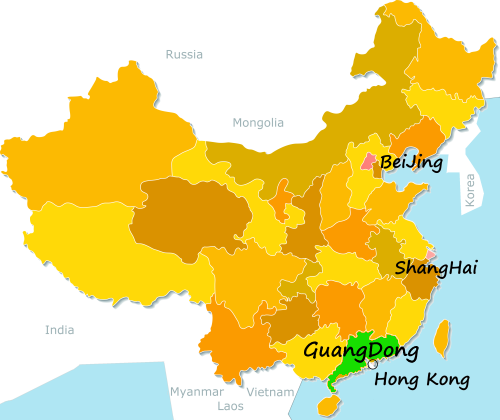
[640],shadow=true,start=,stop=Guangzhou, formerly known as Canton, is a dynamic metropolis located in southern China, serving as the capital of Guangdong Province. As one of China's oldest and largest cities, Guangzhou boasts a rich history, vibrant culture, and modern urban amenities. Here's a guide for tourists visiting Guangzhou:
Historical and Cultural Significance:
Historic Trading Hub: Guangzhou has a long history as a major trading port and commercial center, dating back over 2,000 years. It played a crucial role in the ancient Maritime Silk Road, facilitating trade and cultural exchange between China and other parts of the world.
Cultural Diversity: As a melting pot of cultures, Guangzhou has a diverse population, influenced by various ethnic groups and foreign traders throughout history. This cultural diversity is reflected in the city's cuisine, architecture, and traditions.
Top Attractions:
Canton Tower: As one of the tallest structures in China, the Canton Tower is an iconic landmark and a symbol of Guangzhou's modernity. Visitors can ascend the tower for panoramic views of the cityscape, dine in rotating restaurants, and experience thrilling attractions like the Sky Drop and Bubble Tram.
Yuexiu Park: This expansive park in the heart of Guangzhou is home to several attractions, including the iconic Five-Ram Statue, Zhenhai Tower, and the Guangzhou Museum. Visitors can stroll through lush gardens, admire ancient artifacts, and enjoy recreational activities like boating and tai chi.
Chen Clan Academy: Built during the Qing Dynasty, the Chen Clan Ancestral Hall (also known as the Chen Clan Academy) is a masterpiece of Lingnan architecture. It houses a vast collection of traditional art, wood carvings, and ancestral tablets, offering insights into the region's cultural heritage.
Shamian Island: Located along the Pearl River, Shamian Island is a tranquil oasis with tree-lined streets, colonial-era buildings, and charming cafes. Visitors can wander through the island's historic neighborhoods, admire European-style architecture, and relax by the waterfront.
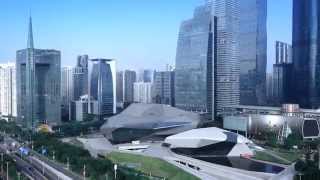
Guangzhou Opera House: Designed by renowned architect Zaha Hadid, the Guangzhou Opera House is a striking architectural masterpiece that hosts world-class performances and cultural events. Visitors can attend opera, ballet, concerts, and other artistic performances in a stunning modern setting.
Culinary Delights:
Cantonese Cuisine: Guangzhou is famous for its delicious Cantonese cuisine, characterized by fresh seafood, dim sum, roast meats, and flavorful stir-fries. Visitors can sample authentic dishes at local restaurants, street food stalls, and traditional teahouses throughout the city.
Qingping Market: Explore Qingping Market, one of Guangzhou's oldest and largest markets, to experience the vibrant atmosphere and diverse array of local specialties. From exotic fruits and spices to live seafood and herbal remedies, the market offers a sensory feast for visitors.
Practical Tips:
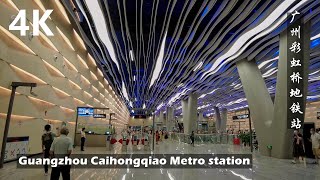
Transportation: Getting around Guangzhou is convenient with its extensive public transportation system, including buses, taxis, and the Guangzhou Metro. The city's efficient transportation network makes it easy to navigate between attractions and neighborhoods.
Language: Mandarin Chinese is the official language spoken in Guangzhou, although Cantonese is also widely spoken by locals. English may not be widely understood, especially in more remote areas, so it's helpful to carry a phrasebook or translation app.
Weather: Guangzhou has a subtropical climate with hot, humid summers and mild winters. The best time to visit is during the cooler months from October to March when the weather is more comfortable for outdoor activities.
Currency: The currency used in China is the Chinese Yuan (CNY). Credit cards are widely accepted at hotels, restaurants, and shops in urban areas, but it's advisable to carry cash for small purchases and transactions.
Guangzhou offers a fascinating blend of ancient history, modernity, and cultural diversity, making it an enchanting destination for tourists seeking to explore the treasures of southern China. Whether marveling at iconic landmarks, savoring Cantonese cuisine, or immersing oneself in the city's vibrant culture, Guangzhou has something to offer for every traveler.