With Erich Fromm ...
[640],shadow=true,start=,stop=The Art of Being ...
Live more ...
 To Have or to Be – the art of love (philosophy)
With Erich Fromm ...
[640],shadow=true,start=,stop=The Art of Being ...

|
Hong Kong: 20 Kid-Friendly Places to Visit
Ocean Park Hong Kong (海洋公園 Hǎiyáng Gōngyuán): Amusement park with marine life exhibits, animal shows, and rides.
Hong Kong Disneyland (香港迪士尼乐园 Xiānggǎng Díshìní Lèyuán): Magical theme park with Disney characters, rides, and attractions.
The Peak Tram (山顶缆车 Shāndǐng Lǎnchē): Ride the iconic tram to Victoria Peak for panoramic views of the city.
Hong Kong Zoological and Botanical Gardens (香港动植物公园 Xiānggǎng Dòngzhíwù Gōngyuán): Explore diverse plant and animal species in these gardens.
Nan Lian Garden (南莲园池 Nán Lián Yuánchí): Tranquil Chinese garden with scenic ponds, pavilions, and bonsai trees.
Hong Kong Space Museum (香港太空馆 Xiānggǎng Tàikōng Guǎn): Discover space science and astronomy through interactive exhibits.
Hong Kong Science Museum (香港科学馆 Xiānggǎng Kēxué Guǎn): Interactive science exhibits and an Omnimax theater.
Hong Kong Museum of History (香港历史博物馆 Xiānggǎng Lìshǐ Bówùguǎn): Exhibits on Hong Kong's history, culture, and heritage.
Noah's Ark Hong Kong (香港挪亚方舟公园 Xiānggǎng Nuóyà Fāngzhōu Gōngyuán): Themed attraction with a replica of Noah's Ark and educational exhibits.
Lamma Island (南丫岛 Nányā Dǎo): Explore beaches, hiking trails, and seafood restaurants on this tranquil island.
Wetland Park (香港湿地公园 Xiānggǎng Shīdì Gōngyuán): Nature reserve with boardwalks, birdwatching, and educational exhibits.
Trick Eye Museum (幻境艺术馆 Huàn Jìng Yìshù Guǎn): Interactive art museum with optical illusions and 3D exhibits.
Hong Kong Maritime Museum (香港海事博物馆 Xiānggǎng Hǎishì Bówùguǎn): Exhibits on Hong Kong's maritime heritage and seafaring history.
Discovery Bay (愉景湾 Yújǐng Wān): Relaxing beach area with water sports, dining, and shopping.
Butterfly Beach (蝴蝶湾 Húdié Wān): Picturesque beach with clear water and gentle waves.
Hong Kong Toy Museum (香港玩具博物馆 Xiānggǎng Wánjù Bówùguǎn): Vintage and collectible toys from different eras.
Lantau Island (大屿山 Dàyǔ Shān): Giant Buddha statue, Ngong Ping 360 cable car, and hiking trails.
Kowloon Park (九龙公园 Jiǔlóng Gōngyuán): Green space with playgrounds, aviaries, and a swimming pool.
Ma Wan Park (馬灣公園 Mǎwān Gōngyuán): Theme park with attractions like the Ma Wan Tung Wan Beach.
Lion Rock Park (狮子山公园 Shīzǐ Shān Gōngyuán): Hiking trails with views of the city skyline and Lion Rock.
Hong Kong: 30 More Places to Visit
Victoria Harbour (维多利亚港 Wéiduōlìyà Gǎng): Iconic harbor with stunning views, ferries, and the Symphony of Lights.
Temple Street Night Market (庙街夜市 Miào Jiē Yèshì): Bustling market with street food, souvenirs, and fortune tellers.
Stanley Market (赤柱市集 Chìzhù Shìjí): Waterfront market with clothing, accessories, and handicrafts.
Peak Circle Walk (山顶环道 Shāndǐng Huán Dào): Scenic walking trail around Victoria Peak with panoramic views.
Lamma Island Family Walk (南丫岛家庭步行径 Nányā Dǎo Jiātíng Bùxíng Jìng): Easy coastal walk with sea views and seafood restaurants.
Nan Lian Garden (南莲园池 Nán Lián Yuánchí): Tranquil Chinese garden with scenic ponds, pavilions, and bonsai trees.
Lantau Trail (大屿山径 Dàyǔ Shān Jìng): Hiking trail covering Lantau Island's scenic landscapes and beaches.
Tai O Fishing Village (大澳渔村 Dà'ào Yúcūn): Traditional fishing village with stilt houses and seafood delicacies.
Nan Lian Garden (南莲园池 Nán Lián Yuánchí): Tranquil Chinese garden with scenic ponds, pavilions, and bonsai trees.
Chi Lin Nunnery (志蓮淨苑 Zhìlián Jìngyuàn): Buddhist monastery with elegant architecture and tranquil gardens.
Man Mo Temple (文武廟 Mùi Móu): Historic temple dedicated to the gods of literature and martial arts.
Ngong Ping Village (昂坪村 Ángpíng Cūn): Cultural village near the Tian Tan Buddha with shops and restaurants.
Sai Kung Town (西贡镇 Xīgòng Zhèn): Fishing town with seafood restaurants, hiking trails, and beaches.
Hong Kong Heritage Museum (香港文化博物馆 Xiānggǎng Wénhuà Bówùguǎn): Exhibits on Hong Kong's art, culture, and history.
PMQ (元创方 Yuán Chuàng Fāng): Creative hub with shops, studios, and exhibitions in a historic building.
Golden Bauhinia Square (金紫荆广场 Jīn Zǐjīng Guǎngchǎng): Landmark square with a giant bauhinia statue and harbor views.
Tsim Sha Tsui Promenade (尖沙咀海滨长廊 Jiānshāzuǐ Hǎibīn Chángláng): Waterfront promenade with views of Victoria Harbour and the skyline.
Repulse Bay (浅水湾 Qiǎnshuǐ Wān): Scenic beach with golden sands, clear water, and beachside dining.
Mai Po Nature Reserve (米埔自然保护区 Mǐbù Zìrán Bǎohùqū): Wetlands with birdwatching hides, mangroves, and wildlife.
Hong Kong Museum of Art (香港艺术馆 Xiānggǎng Yìshù Guǎn): Exhibits on Chinese and international art in a modern building.
Star Ferry (天星小轮 Tiānxīng Xiǎolún): Iconic ferry service between Hong Kong Island and Kowloon.
Lugard Road Lookout (盧吉道 Lu Jídào): Scenic trail with views of Victoria Harbour and the city skyline.
Hong Kong Heritage Discovery Centre (香港文物探知中心 Xiānggǎng Wénwù Tànzhī Zhōngxīn): Exhibits on Hong Kong's archaeology, heritage, and history.
Dr. Sun Yat-sen Museum (孙中山纪念馆 Sūn Zhōngshān Jìniànguǎn): Museum dedicated to the life and legacy of Dr. Sun Yat-sen.
Hong Kong Tramways (香港电车 Xiānggǎng Diànchē): Historic tram system running along Hong Kong Island's north coast.
Hong Kong Heritage Discovery Centre (香港文物探知中心 Xiānggǎng Wénwù Tànzhī Zhōngxīn): Exhibits on Hong Kong's archaeology, heritage, and history.
Lung Fu Shan Country Park (龙虎山郊野公园 Lónghǔ Shān Jiāoyě Gōngyuán): Hiking trails and scenic views near Victoria Peak.
Hong Kong Park (香港公园 Xiānggǎng Gōngyuán): Urban park with aviaries, a greenhouse, and tranquil gardens.
Dragon's Back Trail (龙脊径 Lóngjǐ Jìng): Scenic hiking trail with panoramic views of the coastline and islands.
|
|
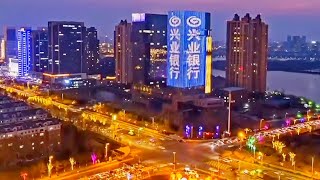
With Valeriy Blank ...
|
|
|
ChongQing: 20 Kid-Friendly Places to Visit
Chongqing Zoo (重庆动物园 Chóngqìng Dòngwùyuán): Visit pandas, tigers, and other animals in this zoo.
Huguang Guild Hall (湖广会馆 Húguǎng Huìguǎn): Enjoy Sichuan opera performances and traditional arts.
Three Gorges Museum (重庆中国三峡博物馆 Chóngqìng Zhōngguó Sānxiá Bówùguǎn): Learn about the history and culture of the Three Gorges region.
Chongqing Science and Technology Museum (重庆科技馆 Chóngqìng Kējìguǎn): Discover interactive exhibits on science and technology.
Chongqing Children's Library (重庆市儿童图书馆 Chóngqìng Shì Értóng Túshūguǎn): Explore a wide range of children's books and resources.
Chongqing People's Square (重庆人民广场 Chóngqìng Rénmín Guǎngchǎng): Enjoy outdoor activities and cultural events in this central square.
Chongqing Grand Theater (重庆大剧院 Chóngqìng Dàjùyuàn): Attend performances and concerts in this modern theater.
Chongqing Happy Valley (重庆欢乐谷 Chóngqìng Huānlègǔ): Amusement park with thrilling rides and entertainment.
Chongqing People's Park (重庆人民公园 Chóngqìng Rénmín Gōngyuán): Relax in green spaces and enjoy outdoor activities.
Chongqing Zoo (重庆动物园 Chóngqìng Dòngwùyuán): Visit pandas, tigers, and other animals in this zoo.
Huguang Guild Hall (湖广会馆 Húguǎng Huìguǎn): Enjoy Sichuan opera performances and traditional arts.
Three Gorges Museum (重庆中国三峡博物馆 Chóngqìng Zhōngguó Sānxiá Bówùguǎn): Learn about the history and culture of the Three Gorges region.
Chongqing Science and Technology Museum (重庆科技馆 Chóngqìng Kējìguǎn): Discover interactive exhibits on science and technology.
Chongqing Children's Library (重庆市儿童图书馆 Chóngqìng Shì Értóng Túshūguǎn): Explore a wide range of children's books and resources.
Chongqing People's Square (重庆人民广场 Chóngqìng Rénmín Guǎngchǎng): Enjoy outdoor activities and cultural events in this central square.
Chongqing Grand Theater (重庆大剧院 Chóngqìng Dàjùyuàn): Attend performances and concerts in this modern theater.
Chongqing Happy Valley (重庆欢乐谷 Chóngqìng Huānlègǔ): Amusement park with thrilling rides and entertainment.
Chongqing People's Park (重庆人民公园 Chóngqìng Rénmín Gōngyuán): Relax in green spaces and enjoy outdoor activities.
ChongQing: 30 More Places to Visit
Ciqikou Ancient Town (磁器口古镇 Cíqìkǒu Gǔzhèn): Explore historic streets, shops, and teahouses in this ancient town.
Chongqing Art Museum (重庆美术馆 Chóngqìng Měishùguǎn): Discover contemporary and traditional Chinese art in this museum.
Chongqing Great Hall of the People (重庆人民大礼堂 Chóngqìng Rénmín Dàlǐtáng): Visit this iconic building for cultural performances and events.
Chongqing Wulong Karst National Geology Park (重庆武隆喀斯特国家地质公园 Chóngqìng Wǔlóng Kāsītè Guójiā Dìzhì Gōngyuán): Explore karst landscapes, caves, and natural wonders.
Chongqing Chaotianmen Square (重庆朝天门广场 Chóngqìng Cháotiānmén Guǎngchǎng): Enjoy views of the Yangtze and Jialing rivers from this square.
Chongqing Hongya Cave (重庆洪崖洞 Chóngqìng Hóngyá Dòng): Explore traditional architecture, shops, and restaurants in this cave complex.
Chongqing Ronghui Hot Springs (重庆融汇温泉 Chóngqìng Rónghuì Wēnquán): Relax in natural hot springs and enjoy spa treatments.
Chongqing Jiefangbei Pedestrian Street (重庆解放碑步行街 Chóngqìng Jiěfàngbēi Bùxíng Jiē): Shop for souvenirs, snacks, and electronics on this bustling street.
Chongqing International Expo Center (重庆国际博览中心 Chóngqìng Guójì Bólǎn Zhōngxīn): Attend exhibitions, trade shows, and events in this modern venue.
Chongqing Eling Park (重庆鹅岭公园 Chóngqìng Élǐng Gōngyuán): Enjoy panoramic views of Chongqing from this hilltop park.
Chongqing Nanshan Botanical Garden (重庆南山植物园 Chóngqìng Nánshān Zhíwùyuán): Explore diverse plant collections and enjoy outdoor activities.
Chongqing Stilwell Museum (重庆史迪威博物馆 Chóngqìng Shǐdíwēi Bówùguǎn): Learn about General Stilwell and World War II history in this museum.
Chongqing Yangtze River Cableway (重庆长江索道 Chóngqìng Chángjiāng Suǒdào): Enjoy panoramic views of the Yangtze River from this cable car.
Chongqing Railway Museum (重庆铁路博物馆 Chóngqìng Tiělù Bówùguǎn): Explore the history of railways in China at this museum.
Chongqing Wansheng Black Valley (重庆万盛黑山谷 Chóngqìng Wànshèng Hēishān Gǔ): Discover scenic landscapes and outdoor activities in this valley.
Chongqing Guanyin Bridge Pedestrian Street (重庆观音桥步行街 Chóngqìng Guānyīnqiáo Bùxíng Jiē): Shop for fashion, accessories, and souvenirs on this pedestrian street.
Chongqing Wanzhou Pagoda (重庆万州白鹤塔 Chóngqìng Wànzhōu Báihè Tǎ): Visit this historic pagoda for panoramic views of the city.
Chongqing Diaoyu Fortress (重庆钓鱼城 Chóngqìng Diàoyú Chéng): Explore ancient military fortifications and enjoy scenic views.
Chongqing White Crane Forest Park (重庆白鹤林公园 Chóngqìng Báihè Lín Gōngyuán): Enjoy nature trails, wildlife, and birdwatching in this park.
Chongqing Railway Museum (重庆铁路博物馆 Chóngqìng Tiělù Bówùguǎn): Explore the history of railways in China at this museum.
Furong Cave (芙蓉洞 Fúróng Dòng): Discover stunning stalactites and stalagmites in this natural cave outside Chongqing.
Qutang Gorge (瞿塘峡 Qútáng Xiá): Cruise through this scenic gorge on the Yangtze River.
|
|
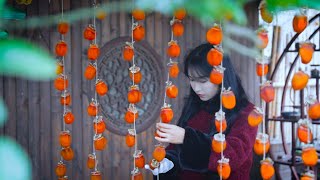
Persimmons taste like no other fruit. They have a silky, slippery texture and taste kind of like the fabulous fruity love child of a mango and a roasted sweet pepper, with some cinnamon in the background. They are rich and tangy and sweet, all at the same time. --- TreeHugger
May the red, red persimmons bring you a happy, prosperous New Year !
愿一串串的红柿子给大家带来新一年的柿柿顺心 ❤️
|
|
|
ShangHai: 20 Kid-Friendly Places to Visit
Shanghai Disneyland (上海迪士尼乐园 Shànghǎi Díshìní Lèyuán): Enjoy magical attractions and meet Disney characters at this theme park.
Ocean Aquarium (上海海洋水族馆 Shànghǎi Hǎiyáng Shuǐzúguǎn): Explore marine life exhibits and interactive displays.
Century Park (世纪公园 Shìjì Gōngyuán): Relax in green spaces and enjoy boating on the lake in this expansive park.
Shanghai Natural History Museum (上海自然博物馆 Shànghǎi Zìrán Bówùguǎn): Learn about dinosaurs, fossils, and natural history.
Shanghai Science and Technology Museum (上海科技馆 Shànghǎi Kējìguǎn): Discover interactive exhibits on science and technology.
Shanghai Zoo (上海动物园 Shànghǎi Dòngwùyuán): Visit pandas, monkeys, and other animals in this popular zoo.
Shanghai Children's Museum (上海儿童博物馆 Shànghǎi Értóng Bówùguǎn): Interactive museum with exhibits designed for children.
Happy Valley Shanghai (上海欢乐谷 Shànghǎi Huānlègǔ): Amusement park with thrilling rides and entertainment.
Shanghai Ocean Aquarium (上海海洋水族馆 Shànghǎi Hǎiyáng Shuǐzúguǎn): Explore marine life exhibits and interactive displays.
Shanghai Changfeng Ocean World (上海长风海洋世界 Shànghǎi Chángfēng Hǎiyáng Shìjiè): Enjoy a variety of aquatic attractions and shows.
Shanghai Botanical Garden (上海植物园 Shànghǎi Zhíwùyuán): Explore diverse plant collections and enjoy outdoor activities.
Shanghai Circus World (上海马戏城 Shànghǎi Mǎxì Chéng): Watch acrobatic performances and circus acts.
Shanghai Disney Store (上海迪士尼商店 Shànghǎi Díshìní Shāngdiàn): Shop for Disney merchandise and souvenirs.
Shanghai Natural Wild-Insect Kingdom (上海自然野生昆虫馆 Shànghǎi Zìrán Yěshēng Kūnchóngguǎn): Learn about insects and their habitats.
Shanghai Haichang Ocean Park (上海海昌海洋公园 Shànghǎi Hǎichāng Hǎiyáng Gōngyuán): Enjoy marine-themed attractions and shows.
Shanghai Madame Tussauds (上海杜莎夫人蜡像馆 Shànghǎi Dùshā Fūrén Làxiàngguǎn): Pose with lifelike wax figures of celebrities.
Shanghai Happy Valley (上海欢乐谷 Shànghǎi Huānlègǔ): Amusement park with thrilling rides and entertainment.
Shanghai Film Park (上海电影公园 Shànghǎi Diànyǐng Gōngyuán): Explore film sets and learn about movie production.
Shanghai Changfeng Park (上海长风公园 Shànghǎi Chángfēng Gōngyuán): Enjoy green spaces and outdoor activities.
Shanghai Changfeng Ocean World (上海长风海洋世界 Shànghǎi Chángfēng Hǎiyáng Shìjiè): Enjoy a variety of aquatic attractions and shows.
ShangHai: 30 More Places to Visit
The Bund (外滩 Wàitān): Enjoy iconic skyline views and colonial architecture along the Huangpu River.
Yu Garden (豫园 Yù Yuán): Explore classical Chinese gardens and traditional architecture.
Shanghai Tower (上海中心大厦 Shànghǎi Zhōngxīn Dàshà): Visit one of the tallest buildings in the world for breathtaking views.
Nanjing Road (南京路 Nánjīng Lù): Shop for souvenirs, fashion, and electronics on this bustling shopping street.
Jin Mao Tower (金茂大厦 Jīn Mào Dàshà): Visit this skyscraper for observation decks and a luxurious hotel.
Shanghai World Financial Center (上海环球金融中心 Shànghǎi Huánqiú Jīnróng Zhōngxīn): Enjoy panoramic views from the Skywalk Observatory.
Shanghai Museum (上海博物馆 Shànghǎi Bówùguǎn): Explore Chinese art and artifacts in this renowned museum.
Tianzifang (田子坊 Tiánzǐ Fāng): Wander through narrow alleys filled with shops, galleries, and cafes.
Power Station of Art (上海当代艺术博物馆 Shànghǎi Dāngdài Yìshù Bówùguǎn): Explore contemporary art exhibitions in a former power station.
Shanghai Urban Planning Exhibition Center (上海城市规划展示馆 Shànghǎi Chéngshì Guīhuà Zhǎnshì Guǎn): Learn about the development of Shanghai through interactive exhibits.
Shanghai French Concession (上海法租界 Shànghǎi Fǎ Zūjiè): Explore leafy streets, historic buildings, and trendy boutiques.
Longhua Temple (龙华寺 Lónghuá Sì): Visit one of the oldest and largest Buddhist temples in Shanghai.
Zhujiajiao Water Town (朱家角 Zhūjiājiǎo): Explore ancient canals, bridges, and traditional architecture in this historic water town.
Xintiandi (新天地 Xīntiāndì): Shop, dine, and explore entertainment venues in this renovated historic area.
Huangpu River Cruise (黄浦江游船 Huángpǔ Jiāng Yóuchuán): Enjoy scenic views of Shanghai's skyline from the river.
Shanghai Tower (上海中心大厦 Shànghǎi Zhōngxīn Dàshà): Visit one of the tallest buildings in the world for breathtaking views.
Nanjing Road (南京路 Nánjīng Lù): Shop for souvenirs, fashion, and electronics on this bustling shopping street.
Jin Mao Tower (金茂大厦 Jīn Mào Dàshà): Visit this skyscraper for observation decks and a luxurious hotel.
Shanghai World Financial Center (上海环球金融中心 Shànghǎi Huánqiú Jīnróng Zhōngxīn): Enjoy panoramic views from the Skywalk Observatory.
Shanghai Museum (上海博物馆 Shànghǎi Bówùguǎn): Explore Chinese art and artifacts in this renowned museum.
Tianzifang (田子坊 Tiánzǐ Fāng): Wander through narrow alleys filled with shops, galleries, and cafes.
Power Station of Art (上海当代艺术博物馆 Shànghǎi Dāngdài Yìshù Bówùguǎn): Explore contemporary art exhibitions in a former power station.
Shanghai Urban Planning Exhibition Center (上海城市规划展示馆 Shànghǎi Chéngshì Guīhuà Zhǎnshì Guǎn): Learn about the development of Shanghai through interactive exhibits.
Shanghai French Concession (上海法租界 Shànghǎi Fǎ Zūjiè): Explore leafy streets, historic buildings, and trendy boutiques.
Longhua Temple (龙华寺 Lónghuá Sì): Visit one of the oldest and largest Buddhist temples in Shanghai.
Zhujiajiao Water Town (朱家角 Zhūjiājiǎo): Explore ancient canals, bridges, and traditional architecture in this historic water town.
Xintiandi (新天地 Xīntiāndì): Shop, dine, and explore entertainment venues in this renovated historic area.
Huangpu River Cruise (黄浦江游船 Huángpǔ Jiāng Yóuchuán): Enjoy scenic views of Shanghai's skyline from the river.
|
|
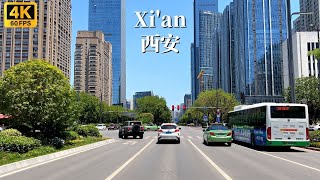
In ShaanXi province. With Chinese Street View ...
|
|
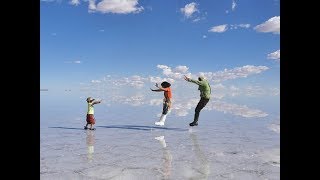
A very special world trip by an amazing Chinese family.
Don't miss it ...
|
|
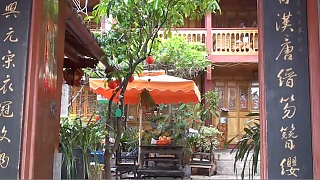
South China.
|
|
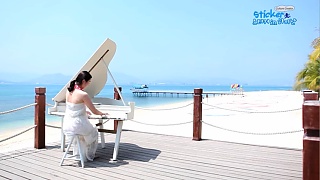
Bonus film - 'DIY Wedding Photos', in LiJiang 丽江, a micro movie 浪漫的旅拍婚紗影像 ...
|