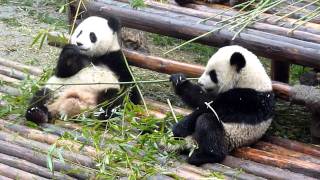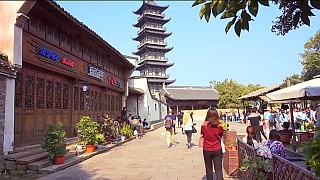
ChengDu 成都 Panda Base

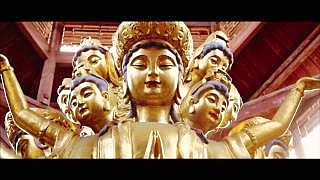
Plus a glimpse of the LeShan Giant Buddha.

SiChuan province.


[640],shadow=true,start=,stop=

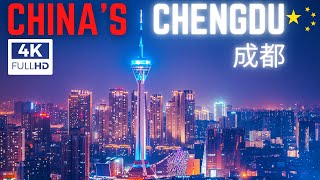
Chengdu, the capital of Sichuan Province in southwest China, is a vibrant city known for its rich history, spicy cuisine, and relaxed lifestyle. Here's a guide for tourists visiting Chengdu:

Cultural and Historical Attractions:
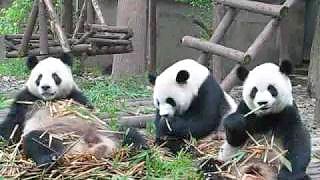
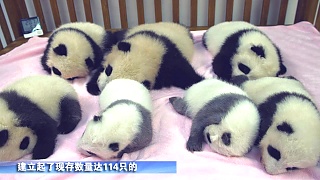
Chengdu Research Base of Giant Panda Breeding: One of the most popular attractions in Chengdu, this conservation center allows visitors to observe giant pandas in a semi-natural habitat.

Jinli Ancient Street: Located next to Wuhou Shrine, Jinli Ancient Street is a bustling pedestrian street lined with traditional Sichuan-style buildings, shops, teahouses, and street food stalls.

Wuhou Shrine: Dedicated to Zhuge Liang, a famous military strategist of the Three Kingdoms period, and Liu Bei, the emperor of the Shu Kingdom, Wuhou Shrine is a historic complex with beautiful gardens and ancient architecture.

Du Fu Thatched Cottage: This museum and park commemorates the Tang Dynasty poet Du Fu and features reconstructions of his former residence and gardens.

Culinary Delights:
Sichuan Cuisine: Chengdu is renowned for its spicy and flavorful Sichuan cuisine. Don't miss the opportunity to try local specialties like mapo tofu, hot pot, and dandan noodles.

Hot Pot: Chengdu's hot pot is famous nationwide. Enjoy a communal dining experience where you cook various meats, vegetables, and other ingredients in a bubbling pot of spicy broth.

Natural Beauty:
Mount Qingcheng: Located about an hour's drive from Chengdu, Mount Qingcheng is one of the birthplaces of Taoism and offers picturesque hiking trails, ancient temples, and serene scenery.

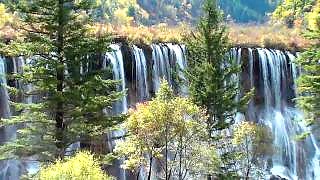
Jiuzhaigou Valley: While it's a bit further from Chengdu (requiring a flight or long bus ride), Jiuzhaigou Valley is a UNESCO World Heritage Site known for its stunning turquoise lakes, waterfalls, and colorful forests.

Modern Attractions:
Chengdu Research Base of Tianfu Giant Panda Breeding: In addition to the Giant Panda Breeding Base, this newer facility focuses on breeding and research for giant pandas and other endangered species.

Sichuan Opera: Experience traditional Sichuan opera performances featuring colorful costumes, face-changing (bian lian) techniques, acrobatics, and puppet shows.

Practical Tips:
Transportation: Chengdu has an efficient public transportation system, including a subway and buses. Taxis and ride-hailing services like DiDi are also readily available.

Weather: Chengdu has a humid subtropical climate with mild winters and hot, humid summers. It's advisable to check the weather forecast before your trip and pack accordingly.

Language: While Mandarin is the official language, the local dialect in Chengdu is Sichuanese. English may not be widely spoken outside of tourist areas, so consider learning a few basic phrases or carrying a translation app.

Chengdu offers a blend of cultural heritage, culinary delights, and natural beauty, making it an enticing destination for travelers seeking an authentic Chinese experience. Whether you're exploring historic sites, savoring spicy cuisine, or marveling at the region's natural wonders, Chengdu is sure to leave a lasting impression.
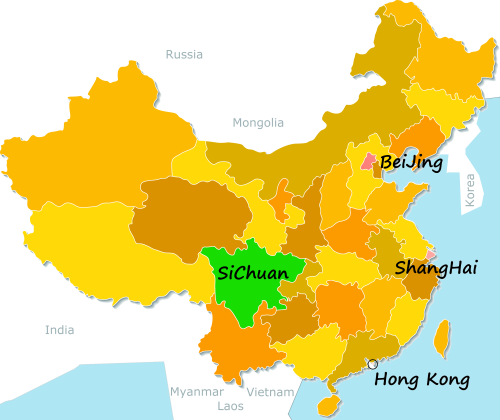

SiChuan map

Related Videos


Featured Videos

Martin Jacques on the 100th anniversary of the Communist Party of China (CPC)
This is NanNing city, GuangXi province
With Fly Over China ...
ShangHai city
With Wei's Travel ...
ShangHai night walk – including seasonal lights
Bonus film - QingDao (a port city south east of BeiJing) ... Bonus film 2 - TianJin (a port city a little to the east of BeiJing) at Christmas ... Bonus film 3 - MiuMiu Guitar girl ...
The ‘Forbidden City’ of GuiYang, GuiZhou province
China 中国 in the snow …
Tropical Hainan Island to Harbin in China's north east The Harbin Snow and Ice Festival (every January) Beijing - the Forbidden City ZhangJiaJie HuangShan Snowboarding at NanShan, Beijing 'My Shangri-la - a trip through Yunnan province 'One can never forget LiJiang' - Yunnan province 'Beautiful snow county is my home' - HeiLongJiang province
RollerCoaster ride at Happy Valley, BeiJing 北京
2012.
A guide to the magnificent Forbidden City (Palace Museum) in BeiJing
With Lulu's Daily In China ... Welcome to the Forbidden City Explore the imperial palace and ancient architecture of the Forbidden City in Beijing. Introduction The Forbidden City, also known as the Palace Museum, is a vast imperial palace complex in Beijing, China. It served as the home of emperors and their households, as well as the ceremonial and political center of the Chinese government for almost 500 years. Location The Forbidden City is located in the Dongcheng District in the heart of Beijing, directly north of Tiananmen Square. History The construction of the Forbidden City began in 1406 and was completed in 1420. It was the Chinese imperial palace from the Ming dynasty to the end of the Qing dynasty, housing 24 emperors. The complex covers 72 hectares (178 acres) and consists of 980 surviving buildings with 8,886 rooms. In 1925, the Forbidden City was transformed into the Palace Museum, showcasing extensive collections of artwork and artifacts from the imperial collections of the Ming and Qing dynasties. It was designated a UNESCO World Heritage Site in 1987. Attractions Meridian Gate (Wu Men): The main entrance to the Forbidden City, known for its grand architecture and historical significance. Hall of Supreme Harmony (Taihe Dian): The largest hall in the Forbidden City, used for major ceremonial occasions. Hall of Central Harmony (Zhonghe Dian): A smaller, intimate hall where the emperor prepared and rested before ceremonies. Hall of Preserving Harmony (Baohe Dian): Used for banquets and later for imperial examinations. Palace of Heavenly Purity (Qianqing Gong): The emperor's residence, representing his supreme authority. Hall of Union (Jiaotai Dian): A hall connecting the emperor's and empress's palaces, symbolizing their union. Palace of Earthly Tranquility (Kunning Gong): The residence of the empress and the site for imperial weddings. Imperial Garden: A serene garden area with ancient trees, rockeries, and pavilions, used by the imperial family for leisure. Clock and Watch Gallery: Displays a vast collection of timepieces from the imperial collection. Treasure Gallery: Houses valuable artifacts, including jade, gold, and other treasures from the imperial era. Activities Exploring historical buildings and courtyards Visiting museum exhibitions Photography Participating in guided tours Attending cultural performances and events Facilities Visitor Center Restrooms Gift Shops Cafes and Restaurants Parking Lots Audio Guide Rentals Guided Tour Services Visitor Tips Wear comfortable walking shoes. Bring water and snacks, especially if you plan to stay for several hours. Visit early in the morning or late in the afternoon to avoid crowds. Check the weather forecast and dress appropriately. Respect the cultural and historical significance of the site; behave appropriately and follow all rules and guidelines. Plan your visit to include the main attractions and leave time for exploring lesser-known areas.
LuoYang, HeNan province
With Walk East ...

Tag search ?