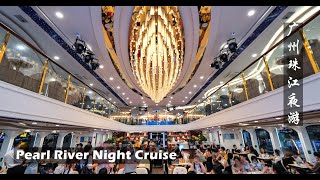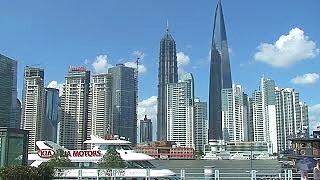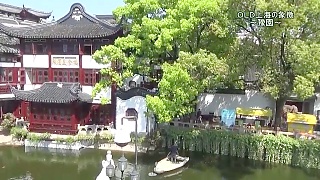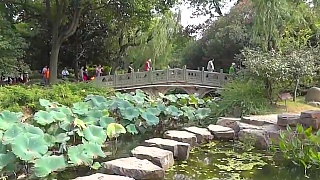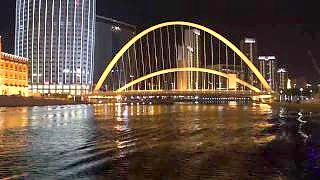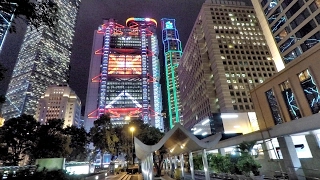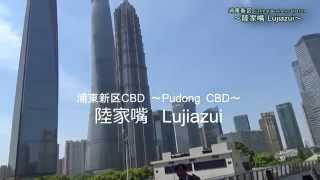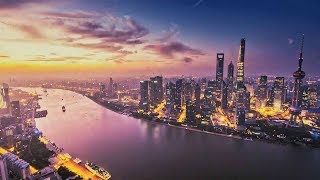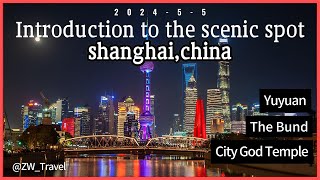
An evening cruise along the HuangPu river in ShangHai 上海

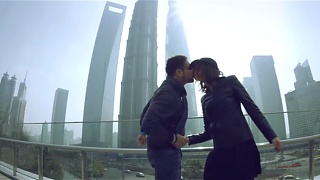
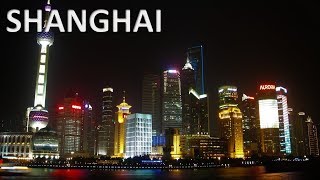
Within ShangHai, the HuangPu River has an average width of 400 meters and is crossed by many subway train lines, other tunnels, bridges and ferries.

The river divides the city into two regions: PuDong to the east and PuXi (the older part of Shanghai that includes the Bund) to the west. It is the last major tributory of the YangTse River before the East China Sea.

[640],shadow=true,start=,stop=

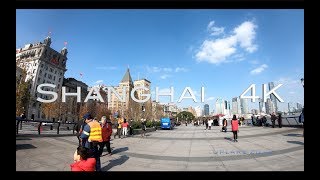
Bonus film - a stroll along the Bund, in 4k / UHD ...

[320],shadow=true,start=,stop=

Shanghai is one of China's most dynamic and cosmopolitan cities, blending a rich history with modern skyscrapers and vibrant culture. Here's what you need to know as a tourist visiting Shanghai:

Historical and Cultural Landmarks:
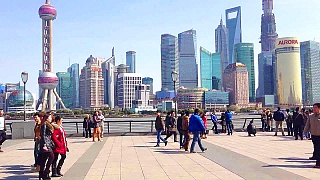
The Bund: This iconic waterfront promenade along the Huangpu River features colonial-era buildings on one side and futuristic skyscrapers on the other, offering stunning views of Shanghai's skyline.

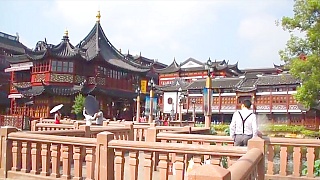
Yu Garden: Dating back to the Ming dynasty, Yu Garden is a classical Chinese garden with pavilions, ponds, and rockeries. The nearby Yu Garden Bazaar is a great place to shop for souvenirs and traditional crafts.

Shanghai Museum: Home to an extensive collection of Chinese art and artifacts, including bronzes, ceramics, paintings, and calligraphy, the Shanghai Museum is a must-visit for history and art enthusiasts.

Jing'an Temple: One of Shanghai's most famous Buddhist temples, Jing'an Temple is known for its beautiful architecture, peaceful atmosphere, and towering golden Buddha statue.

Modern Attractions:
Shanghai Tower: Ascend to the observation deck of this iconic skyscraper, the tallest in China and the second-tallest in the world, for panoramic views of the city.

The Oriental Pearl TV Tower: Another iconic landmark, this futuristic tower offers observation decks, a glass-bottomed skywalk, and a revolving restaurant.

Shanghai Disneyland: Located in the Pudong district, Shanghai Disneyland offers a magical experience for visitors of all ages with its themed lands, attractions, and entertainment.

Shopping and Entertainment:
Nanjing Road: One of the world's busiest shopping streets, Nanjing Road is lined with department stores, boutiques, and restaurants. Don't miss the nearby pedestrian-friendly Nanjing Road East, known for its lively atmosphere and street performers.

Xintiandi: This upscale shopping, dining, and entertainment district features a mix of traditional Shikumen-style buildings and modern amenities, making it a popular destination for locals and tourists alike.

French Concession: Explore this historic neighborhood known for its tree-lined streets, charming cafes, boutiques, and art galleries.

Culinary Delights:
Shanghai Cuisine: Sample local specialties such as xiaolongbao (soup dumplings), shengjianbao (pan-fried dumplings), and Shanghai-style noodles.

Street Food: Wander through the city's bustling food markets and snack streets to taste a variety of street foods, from savory pancakes to grilled skewers.

Practical Tips:
Transportation: Shanghai has an efficient public transportation system, including the subway, buses, and taxis. Consider purchasing a rechargeable transportation card for convenience.

Language: While Mandarin is the official language, English is widely spoken in tourist areas, hotels, and restaurants.

Weather: Shanghai experiences four distinct seasons, with hot, humid summers and chilly winters. The best times to visit are spring (March to May) and autumn (September to November) when the weather is mild and comfortable.

Etiquette: Respect local customs and traditions, such as using polite language and avoiding loud behavior in public places.

Shanghai offers a captivating blend of old and new, with its historic landmarks, modern skyscrapers, vibrant culture, and delectable cuisine. Whether you're interested in history, architecture, shopping, or dining, Shanghai has something to offer every type of visitor.

Related Videos


Featured Videos

Exploring TengChong, YunNan province
With Clare Traveling Pandaland ... Tengchong, Yunnan Province: A Visitor's Guide Tengchong, located in the western part of Yunnan Province near the border with Myanmar, is a gem of natural beauty, rich history, and unique culture. Known for its volcanic landscapes, hot springs, and historical significance, it offers a mix of relaxation, adventure, and cultural exploration. How to Get There By Air: Tengchong Tuofeng Airport connects the city to major Chinese cities like Kunming and Chengdu. By Road: A scenic drive from Kunming takes around 8–10 hours by car or bus, passing through the mountainous Yunnan terrain. Top Attractions 1. Rehai Hot Springs Why Visit: Known as "Hot Sea," this geothermal area has over 80 hot spring pools, each with unique properties. Some are perfect for a relaxing soak, while others are too hot and are used for steaming food or traditional therapies. Don’t Miss: Try the therapeutic spa treatments or soak in an outdoor pool surrounded by lush greenery. 2. Tengchong Volcanic Geothermal National Park Highlights: Home to dormant volcanic craters and lava fields, this park offers hiking trails with breathtaking views. Activities: Climb up volcanoes like Dakongshan (Large Empty Mountain) for panoramic views, or explore the Lava Stone Forest. 3. Heshun Ancient Town Why Visit: A quaint town filled with cobbled streets, traditional Yunnan-style homes, and a rich history of overseas Chinese who returned home. Must-See: Visit the Heshun Library, one of the oldest private libraries in China, and explore the charming teahouses and ancestral halls. 4. Beihai Wetlands Overview: This serene area features floating meadows and diverse bird species. Activities: Take a boat ride through the wetlands or enjoy bird-watching during migratory seasons. 5. Yunfeng Mountain Why Visit: A sacred Taoist site with an ancient temple at its peak. What to Do: Hike or take a cable car up the mountain, then enjoy stunning views of the surrounding countryside. 6. Dianmian Anti-Japanese War Memorial Historical Importance: Tengchong was a key battleground during WWII. This memorial honors the local and international soldiers who fought against Japanese forces. What to See: Artifacts, photographs, and the reconstructed battle sites. Cultural Highlights Traditional Crafts: Tengchong is famous for its jade carving. Visit local workshops to see artisans at work or purchase unique jade jewelry. Ethnic Diversity: Experience the culture of the Bai, Dai, and Lisu ethnic groups through their festivals, dances, and cuisines. Local Cuisine Signature Dishes: Guoqiao Mixian (Crossing-the-Bridge Noodles): A flavorful noodle soup with a variety of toppings. Bamboo Rice: Sticky rice cooked in bamboo tubes. Tengchong Fried Pork: Crispy pork stir-fried with local spices. Mushroom Hotpot: A must-try with Yunnan’s diverse range of wild mushrooms. Snacks: Don’t miss the fengmi baba (honey glutinous rice cake) or fried potato balls. Best Time to Visit Spring and Autumn (March–May, September–November): These seasons offer mild weather and clear skies, perfect for outdoor exploration. Winter (December–February): Ideal for enjoying the hot springs, though mornings and evenings can be chilly. Shopping Jade and Gemstones: Tengchong is renowned for its high-quality jade. Look for authentic pieces in certified stores. Local Handicrafts: Embroidered textiles, wooden carvings, and bamboo products make great souvenirs. Tea: Yunnan is known for its Pu’er and black teas, widely available in Tengchong. Practical Tips Language: Mandarin is widely spoken, though some locals speak Yunnan dialects. Learn a few basic phrases for ease of communication. Currency: Bring enough cash, as rural areas may not accept cards or digital payments. Transportation: Rent a bicycle or use tuk-tuks to explore small towns like Heshun. Clothing: Pack layers, as temperatures can fluctuate between day and night, especially in the mountains. Day Trips Ruili: A bustling border town with vibrant markets and a mix of Chinese and Burmese cultures. Myanmar Border: Visit the border towns to experience the unique blend of Chinese and Burmese influences. Tengchong is a destination that beautifully combines natural wonders, cultural depth, and historical significance, offering something for every traveler.

Rock guitar goddess – YO YO (PinXi Liu) plays Glasgow Kiss …
Don't miss it ! A musician at one with the music. Wei wu wei - no effort (no separation) - literally, action without action. First kiss - the one you'll never forget ... Cover - John Petrucci. Bonus film - Asian shredding - a jam with Li-sa-X from Japan - "Little Wings" ...

HangZhou West railway station
With CN Walking ...
100 useful conversational phrases for Chinese language learners
Bonus film - two hours of pronunciation practice ...
SuZhou, AnHui province, where modernity and tradition meet
With Walk East ...
A motorcycle trip through Inner Mongolia 内蒙古
The beautiful, wide-open grasslands of north China ... Bonus film - Mongolian music : 'Silent Sky' by the HAYA Band with DaiQing TaNa ...
Explore XinJiang 新疆, China’s far west
With Qog Bazar ... XinJiang, officially the XinJiang Uyghur Autonomous Region, is a provincial-level autonomous region of China in the northwest of the country. Whether the magnificent natural scenes or the hospitable people, it's a priceless treasure to see and feel. [videogallery id=UCcDC6XZ5wmZ8NYG3zNSyclQ num=6]
China to Laos high speed rail link – win-win with the BRI
With The New Atlas ... Bonus films ...
Something different – nuclear winter
With Brian Toon ... With Carl Sagan (1985) ...

Tag search ?