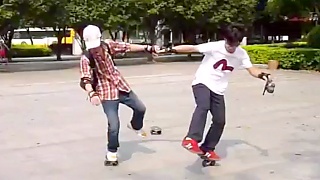
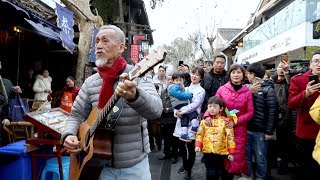
Rafa’s Chinese New Year

HeYuan city, GuangDong province.

With Rafa Goes Around! ...

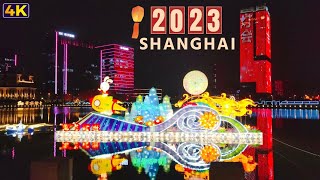
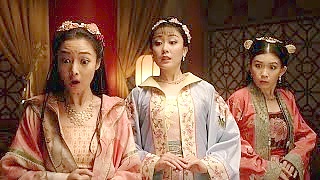
[640],shadow=true,start=,stop=Chinese New Year (CNY), also known as the Spring Festival, is the most important traditional holiday in China, marking the beginning of the lunar new year. It is celebrated by Chinese communities around the world, as well as in other East Asian countries such as Taiwan, Singapore, and Malaysia. Here's an overview of Chinese New Year and its traditions:

Timing and Duration:
Lunar Calendar: Chinese New Year follows the lunar calendar, with the date falling between late January and mid-February each year. The exact date varies because it is based on the lunar phases.

Festival Period: The celebrations typically last for 15 days, beginning on the eve of Chinese New Year and ending with the Lantern Festival on the 15th day of the lunar calendar.

Traditions and Customs:
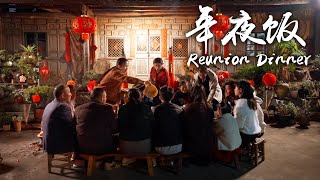
Family Reunions: Chinese New Year is a time for families to come together and celebrate. Many people travel long distances to reunite with their relatives, leading to the largest annual human migration in the world, known as Chunyun.

Cleaning and Decoration: In the days leading up to Chinese New Year, families clean their homes to sweep away bad luck and make way for good fortune. They also decorate their homes with red lanterns, couplets (duilian), and paper cutouts featuring auspicious symbols.

Chinese New Year's Eve Dinner: The New Year's Eve dinner, known as 'reunion dinner' (??? tuánniánfàn), is a lavish feast shared with family members. Traditional dishes include fish (symbolizing prosperity), dumplings (symbolizing wealth), and various other symbolic foods.

Red Envelopes (Hongbao): Red envelopes containing money are given as gifts during Chinese New Year, especially to children and unmarried individuals. The red color symbolizes good luck and wards off evil spirits.

Fireworks and Firecrackers: Fireworks and firecrackers are set off at midnight on New Year's Eve and throughout the festival period to scare away evil spirits and bring good luck.

Lion and Dragon Dances: Colorful lion and dragon dances are performed in streets, parks, and public squares to bring prosperity and good fortune to communities.

Zodiac Animals:
Each Year is Associated with an Animal: Chinese New Year is symbolized by one of the 12 animals in the Chinese zodiac cycle. Each animal is believed to influence the personality traits and destiny of individuals born in that year.

Travel and Celebrations:
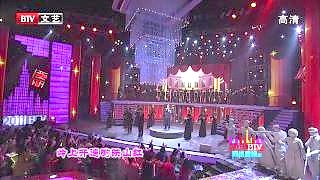
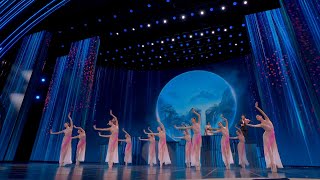
Spring Festival Gala: The Spring Festival Gala, broadcasted on Chinese television on New Year's Eve, features a variety of performances, skits, and musical acts. It is one of the most-watched television programs in the world.

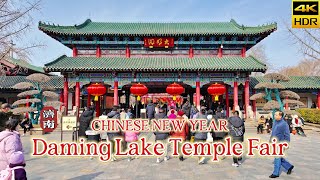
Temple Fairs: Traditional temple fairs are held throughout China during Chinese New Year, offering food stalls, performances, games, and cultural activities for visitors to enjoy.

Chinese New Year is a time of joy, reunion, and renewal, filled with rich traditions and customs that have been passed down through generations. It is a celebration of family, community, and the arrival of spring, marking a fresh beginning and the promise of prosperity in the year ahead.
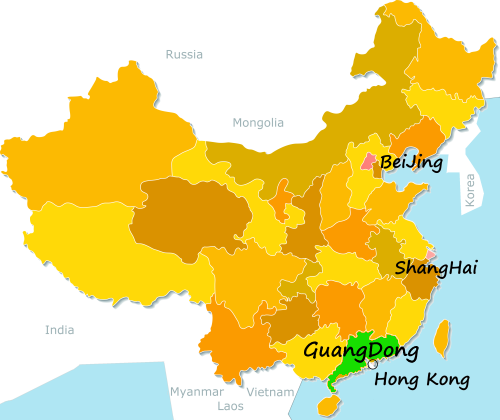
GuangDong map

Related Videos


Featured Videos

4 days in GuiLin and YangShuo, GuangXi province
With Heideexyz ... "For years, I've heard Guilin's landscape to be the most beautiful in the world, but is it true? In this travel vlog, we went to find out for ourselves - from escaping from the skyscrapers in Hong Kong in business class on the high speed rail, finding the real life painting on the 20RMB note, to staying in a hotel where the windows are facing the iconic ancient karst mountains of Yangshuo, in Guilin!"
Now you’re in Beijing 北京 … (Flashback – almost 10 years !)
Original posting - December 2014. Starting with 'Now you're in Beijing (commie jungle mix)', music video. Plus Beijing's popular attractions, a trip to the blue sky city, QianHai Lake (in central Beijing), the BeiJing to ShangHai sleeper train, and The Forbidden City (documentary; in English) bonus films ... 'Now you're in Beijing ...' - think about it - you're in Beijing, China - it might be different but that is here and not there; sure some things could be better - such as rights and protections for migrant workers, but Rome wasn't built in a day, as they say. A few words on the Hu JinTao / Wen JiaBao era - definately one of China's most successful jumps forward; a major rise in prosperity for all, the growth of great infrastructure, such as the high-speed rail system, and much more, the Beijing Olympics, the Shanghai World Expo, space exploration, and the list goes on ... A happy retirement to two leaders who helped guide China back to greatness ! Mao ZeDong unified the country and helped defeat the Japanese invaders, and for that is a national hero. But things didn't go so well subsequently and on his death the 'Gang of Four' were arrested and China took a new path, though slowly at first following the courageous efforts of Deng XiaoPing. But it was not until circa 1990 that China really began to take off. So its rise to greatness, once more, is remarkable for having been achieved, from so little, in just 25 years. Obviously, they have done most things very right.
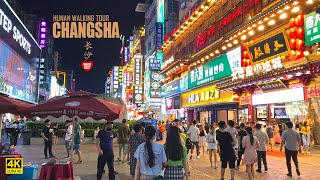
ChangSha night drive, HuNan province
"I want to take you on a tour of the night view of Changsha City. The city's nights are very lively, with streets brightly lit even at 2 a.m. We start our journey from the famous tourist attraction, the Orange Island Bridge, where the winds are strong and the lights of the buildings are beautiful and well-organized. The carefully designed lights create a unified and futuristic atmosphere. We then visit Wanda Plaza and the Golden Eagle International Shopping Center, where the towering buildings are particularly spectacular at night. Finally, we arrive at the pedestrian street on HuangXing Road, where the commercial area is exceptionally lively." With CN Walking ...
Snow fall at the Forbidden City, BeiJing
Bonus film - ZhongShan Park ...
JiuXiang Caves Scenic Area ä¹ä¹¡é£Žæ™¯åŒº, YunNan province
JiuXiang Scenic Area lies about 70 kilometres from KunMing and 47 km from the town of YiLiang. In JiuXiang, rivers and streams criss-cross karst hills and mountains. There are more than one hundred caves here that form one of the largest cave groups in China. The stalactites in the caves take on many forms in different colours. Found in the caves are numerous natural bridges, valleys, steams and waterfalls, which constitute a wonderful subterranean world. With a total area of about 200 square kilometres, JiuXiang consists of five smaller scenic areas.
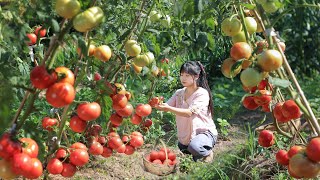
Tomatoes in Chinese cooking
A beautiful film by Wild Girl ...
Evening Walk in Dalian’s Oriental Water City
With Gecko Walks ...
ShangHai Summer – don’t miss it !
With Wei's Travel ... ShangHai can be considered a 'garden city' due to its extensive green spaces, parks, and efforts to integrate nature within its urban environment. Here are some key aspects that contribute to this : ### Extensive Green Spaces and Parks 1. **Large Urban Parks**: Shanghai is home to numerous large parks such as Century Park, Gongqing Forest Park, and Shanghai Botanical Garden. These parks provide significant green spaces within the city and offer residents and visitors places to relax and enjoy nature. 2. **Green Belt**: The city has developed green belts and corridors that integrate natural elements into the urban landscape, helping to connect different green spaces and providing continuous natural areas for walking, cycling, and leisure. ### Historical and Traditional Gardens 3. **Traditional Chinese Gardens**: Shanghai boasts several well-preserved traditional Chinese gardens, such as Yu Garden (YuYuan), which exemplify classical Chinese garden design with ponds, rockeries, pavilions, and intricate landscaping. These gardens reflect the city's historical commitment to integrating nature with urban living. ### Urban Greening Initiatives 4. **Street Landscaping**: Many of Shanghai's streets are lined with trees, flowers, and shrubs, contributing to a greener urban environment. The city has invested in extensive landscaping to enhance the aesthetic appeal and environmental quality of its streets and boulevards. 5. **Vertical Gardens and Green Roofs**: Shanghai has embraced innovative urban greening techniques such as vertical gardens and green roofs on buildings. These initiatives help to increase the amount of greenery in densely populated urban areas and contribute to better air quality and urban biodiversity. ### Green Urban Planning 6. **Sustainable Development**: Shanghai's urban planning policies emphasize sustainable development and the creation of eco-friendly urban spaces. This includes the development of eco-districts and the incorporation of green spaces into new residential and commercial developments. 7. **Waterfront Revitalization**: The revitalization of waterfront areas along the Huangpu River and Suzhou Creek has included the creation of green promenades, parks, and recreational areas that provide residents with access to nature and enhance the city's overall green infrastructure. ### Community and Public Engagement 8. **Public Involvement**: The city encourages public participation in maintaining and developing green spaces through community gardens and public involvement initiatives. This engagement helps to foster a sense of ownership and responsibility for the city's natural environments. ### Environmental Conservation 9. **Biodiversity Conservation**: Efforts to preserve and enhance biodiversity within the city, such as the creation of urban wildlife habitats and conservation areas, contribute to Shanghai's identity as a garden city. ### Seasonal Flower Displays 10. **Flower Festivals and Displays**: Shanghai hosts various flower festivals and seasonal floral displays that enhance the city's visual appeal and celebrate its botanical diversity. These events attract tourists and residents alike, further emphasizing the city's green character. ### Conclusion Shanghai's commitment to integrating green spaces and nature into its urban environment through parks, traditional gardens, innovative greening techniques, and sustainable urban planning practices helps to position it as a 'garden city.' These efforts not only enhance the city's aesthetic appeal but also contribute to the well-being of its residents and the sustainability of its urban ecosystem.
Exquisite lodges in the most beautiful locations on the Tibetan plateau
Experience the rich culture and breathtaking scenery ...

Tag search ?