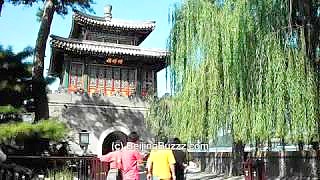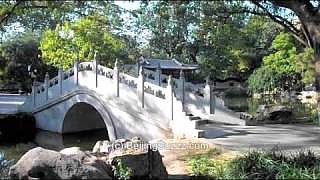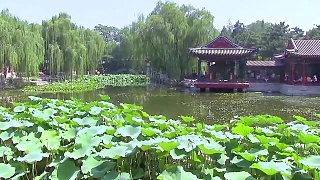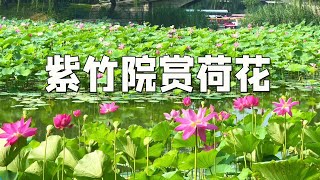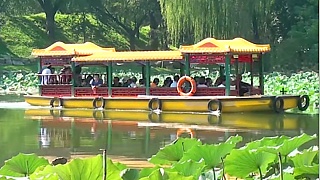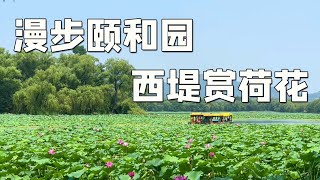
Boating through lotuses, BeiHai Park 北海公园, BeiJing

South east section of the lake.


[640],shadow=true,start=,stop=

Beijing, the capital city of China, is a vibrant metropolis steeped in history, culture, and modernity. Here's a brief overview of what you can expect as a tourist in Beijing:

Historical Landmarks:
The Great Wall of China: One of the most iconic structures in the world, the Great Wall is easily accessible from Beijing. Mutianyu and Badaling sections are popular among tourists.

Forbidden City (Palace Museum): A UNESCO World Heritage Site, this vast imperial palace complex was home to Chinese emperors for over 500 years. It houses numerous halls, courtyards, and historical artifacts.

Temple of Heaven: A masterpiece of Chinese architecture, this ancient temple complex served as a place of worship for emperors to pray for good harvests.

Summer Palace: A stunning ensemble of lakes, gardens, and palaces, the Summer Palace served as a retreat for emperors during the Qing dynasty.

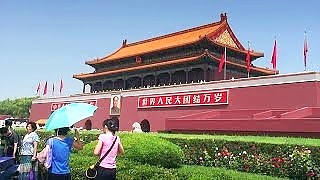
Tiananmen Square: One of the largest city squares in the world, Tiananmen Square is flanked by important landmarks such as the Monument to the People's Heroes, the Great Hall of the People, and the Mausoleum of Mao Zedong.

Cultural Sites:
Beijing Hutongs: Explore the narrow alleyways and traditional courtyard residences of Beijing's historic neighborhoods. You can take a rickshaw tour or simply wander around on foot.

Beijing Opera: Experience traditional Chinese opera performances at venues like the Liyuan Theater or the Chang'an Grand Theatre.

798 Art District: A hub of contemporary art and culture, this former industrial area is now home to numerous galleries, studios, and cafes.

Modern Attractions:
Olympic Park: Visit iconic structures such as the Bird's Nest (National Stadium) and the Water Cube (National Aquatics Center) from the 2008 Beijing Olympics.

CBD (Central Business District): Marvel at the futuristic skyline of Beijing's modern business district, which includes landmarks like the CCTV Headquarters and the China World Trade Center Tower III.

Culinary Delights:
Peking Duck: Indulge in Beijing's most famous dish, crispy roast duck served with pancakes, scallions, and hoisin sauce.

Street Food: Explore the city's vibrant street food scene and sample local delicacies like jianbing (savory crepes), lamb skewers, and dumplings.

Practical Tips:
Transportation: Beijing has an extensive public transportation system, including the subway, buses, and taxis. However, traffic can be heavy, so plan your travels accordingly.

Language: While English is not widely spoken, especially outside tourist areas, many signs and transportation announcements are in English. It's helpful to carry a translation app or a phrasebook.

Weather: Beijing experiences four distinct seasons, with hot summers and cold winters. The best times to visit are spring (April to June) and autumn (September to October) when the weather is mild and comfortable.

Etiquette: Respect local customs and traditions, such as removing your shoes before entering someone's home and using both hands to pass or receive items.

Beijing offers a rich tapestry of experiences for tourists, blending ancient heritage with modern innovations. Whether you're fascinated by history, culture, or culinary delights, there's something for everyone in this dynamic city.
Related Videos


Featured Videos

Chinese New Year fireworks in a BeiJing hutong …
ShiChaHai, 2018
A quick walk around the New World area of central ShangHai, plus the Expo Culture Park
With Little Journey ... Bonus film - the Expo Culture Park ... New World City, located to the west of Nanjing Road pedestrian street. The New World area in Shanghai is a vibrant and bustling commercial and entertainment district located in the Huangpu District, one of the city's most central and historic areas. Here are some key highlights and features of the New World area: ### 1. **Shopping and Retail** - **New World City Mall**: This is one of the prominent shopping malls in the area, offering a wide variety of local and international brands. It has multiple floors with fashion, electronics, and lifestyle stores, catering to diverse shopping needs. - **Nanjing Road**: Adjacent to the New World area, Nanjing Road is one of the world's busiest shopping streets, lined with large department stores, specialty shops, and boutiques. ### 2. **Dining and Entertainment** - **Restaurants and Cafes**: The area is home to numerous dining options ranging from upscale restaurants to casual cafes. Visitors can enjoy a variety of cuisines including traditional Chinese, Asian fusion, and Western dishes. - **Entertainment Venues**: The New World area features various entertainment options such as cinemas, karaoke bars, and live performance venues. The Shanghai Grand Theatre and the Lyceum Theatre are notable nearby cultural spots offering a range of performances including plays, musicals, and concerts. ### 3. **Tourist Attractions** - **People's Square**: Located close to the New World area, People's Square is a major public square and a central hub for cultural and social activities. It houses the Shanghai Museum, Shanghai Urban Planning Exhibition Hall, and the People's Park. - **Madame Tussauds Shanghai**: This famous wax museum is a popular attraction where visitors can see lifelike wax figures of celebrities, historical figures, and cultural icons. ### 4. **Transportation** - **Metro Access**: The New World area is well-connected by Shanghai's extensive metro system. People's Square Station, which is one of the busiest interchange stations, serves lines 1, 2, and 8, providing easy access to other parts of the city. - **Road Networks**: The area is also accessible by various bus routes and taxis, making it convenient for both locals and tourists to reach. ### 5. **Cultural and Historic Significance** - **Historic Architecture**: The area around New World features a mix of modern and historic architecture, reflecting Shanghai's rich cultural heritage and rapid modernization. - **Local Culture**: Visitors can experience the local culture through street performances, traditional markets, and seasonal festivals that often take place in and around the New World area. Overall, the New World area in Shanghai is a dynamic and multifaceted district that offers a blend of shopping, dining, entertainment, and cultural experiences, making it a must-visit for anyone exploring the city. Expo Culture Park, also known as Shanghai Expo Culture Park, is a significant green space and cultural area located in the Pudong District of Shanghai. Developed on the former site of the 2010 Shanghai World Expo, the park is designed to be a major urban green space and cultural landmark. Here are some key features and highlights of Expo Culture Park: ### 1. **Green Spaces and Natural Scenery** - **Large Green Areas**: The park features extensive green spaces, including lawns, gardens, and tree-lined paths. It's designed to provide a natural retreat within the urban environment. - **Floral Displays**: Various sections of the park are dedicated to flower gardens and seasonal floral displays, offering vibrant colors and scents throughout the year. ### 2. **Cultural and Artistic Installations** - **Public Art**: The park is home to numerous public art installations and sculptures, contributing to its cultural atmosphere. These works often reflect themes related to nature, urban life, and the legacy of the Expo. - **Exhibition Halls**: There are exhibition spaces within the park where cultural events, art exhibitions, and community activities are regularly held. ### 3. **Recreational Facilities** - **Walking and Cycling Paths**: The park has well-maintained paths for walking, jogging, and cycling, making it a popular spot for outdoor exercise. - **Children's Play Areas**: Designated areas with playgrounds and interactive installations cater to families with children, offering safe and engaging environments for play. ### 4. **Water Features** - **Lakes and Waterways**: The park includes several artificial lakes and waterways, adding to the scenic beauty and providing habitats for local wildlife. - **Boating**: Visitors can often rent boats to explore the lakes, enjoying a peaceful activity amidst the urban setting. ### 5. **Theater and Performance Venues** - **Open-Air Theaters**: The park includes open-air theaters and performance spaces where concerts, theatrical performances, and cultural festivals are held. - **Music and Dance Performances**: Regularly scheduled performances and events showcase both traditional and contemporary music and dance, drawing both locals and tourists. ### 6. **Environmental Sustainability** - **Eco-Friendly Design**: The park is designed with sustainability in mind, incorporating green building practices, renewable energy sources, and water conservation measures. - **Biodiversity Conservation**: Efforts are made to preserve and enhance local biodiversity, with native plant species and habitats integrated into the park's design. ### 7. **Historical Significance** - **Legacy of the Expo**: As the site of the 2010 Shanghai World Expo, the park retains elements that commemorate the event, including some of the original pavilions and structures that have been repurposed for cultural and recreational use. ### 8. **Accessibility** - **Transportation**: The park is easily accessible via public transportation, including metro lines and buses. It’s located in a well-connected area of Pudong, making it convenient for visitors from across the city. - **Visitor Facilities**: The park is equipped with visitor centers, restrooms, and dining options, ensuring a comfortable experience for guests. Expo Culture Park serves as a significant cultural and recreational hub in Shanghai, providing a blend of natural beauty, cultural enrichment, and historical significance. It’s a prime example of urban renewal, transforming the legacy of the Expo into a lasting public asset for the city.
E-bike life in China
As we always say - live more ... : )
Moon Festival night walk at Yu Garden in ShangHai
With Wei's Travel ...
BingLing Temple 炳灵寺 Grottoes, YongJing, GanSu province
A beautiful series of grottoes filled with Buddhist sculpture carved into natural caves and caverns in a canyon along the Yellow River. It lies just north of where the Yellow River empties into the LiuJiaXia Reservoir.
A trip to LiTang 礼堂 in SiChuan province – video
LiTang is a predominantly Tibetan-culture town in SiChuan province. It lies at an altitude of 4,000 meters, one of the highest towns in the world.
MingShui ancient town, JiNan, ShanDong province
With China Walking Tour ... Visitor Guide to MingShui Ancient Town, ShanDong Province Overview MingShui Ancient Town, located in the city of JiNan in ShanDong Province, is a well-preserved historical town with a rich cultural heritage. Known for its traditional architecture, charming streets, and historical sites, MingShui offers a fascinating glimpse into the life and culture of ancient China. Getting There By Air: The nearest airport is JiNan Yaoqiang International Airport (TNA), located about 50 kilometers from MingShui. From the airport, you can take a taxi or a shuttle bus to MingShui. By Train: JiNan Railway Station and JiNan East Railway Station offer convenient connections to MingShui. From these stations, you can take a local bus or taxi to reach MingShui. By Bus: Long-distance buses from nearby cities such as JiNan and Tai'an provide direct routes to MingShui. The main bus station in MingShui is MingShui Long-Distance Bus Station. Getting Around Walking: MingShui Ancient Town is best explored on foot, allowing you to fully appreciate the historical architecture and charming streets. Biking: Renting a bicycle is a great way to explore the surrounding areas and nearby attractions at your own pace. Local Transport: Taxis and local buses are available for traveling to and from different parts of MingShui and JiNan. Main Attractions MingShui Old Street MingShui Old Street is the heart of the ancient town, lined with traditional buildings, shops, and tea houses. Strolling along this street, you can experience the charm of old China and discover local handicrafts, snacks, and souvenirs. Yunmen Temple This historic Buddhist temple is a significant cultural site in MingShui. The temple features ancient architecture, beautiful gardens, and intricate statues, making it a peaceful place for reflection and exploration. MingShui Ancient City Wall The ancient city wall of MingShui is a testament to the town's historical importance. Visitors can walk along the wall and enjoy panoramic views of the town and its surroundings. Shuiyue Pavilion Shuiyue Pavilion is a beautiful structure located near a serene pond, offering a picturesque setting for photography and relaxation. The pavilion is a great spot to enjoy the tranquility of the town. Traditional Folk Houses Scattered throughout MingShui are traditional folk houses that showcase the architectural styles and living conditions of ancient Chinese families. These houses provide a fascinating look into the past. Local Cuisine MingShui's cuisine is characterized by its use of fresh ingredients and traditional cooking methods. Here are some must-try dishes: MingShui Tofu: This locally made tofu is known for its delicate texture and rich flavor, often served with a variety of sauces and garnishes. Shandong Pancakes: A popular local snack, these thin pancakes are typically filled with vegetables, meat, or seafood. Local Noodles: Hand-pulled noodles served with a variety of toppings, including vegetables, meat, and savory broths. Traditional Pastries: Try the local pastries, which are often filled with sweet or savory ingredients and baked to perfection. Shopping Local Handicrafts: MingShui is known for its traditional handicrafts, including pottery, paper-cutting, and embroidery. These items make for unique souvenirs. Antique Shops: Explore local antique shops for historical artifacts, vintage items, and collectibles. Local Markets: Purchase fresh produce, local snacks, and traditional items at the town's bustling markets. Accommodation Traditional Inns: For an authentic experience, consider staying in a traditional inn or guesthouse, which often feature historical architecture and local decor. Mid-Range Hotels: Options such as the MingShui Hotel and local boutique hotels provide comfortable accommodations at reasonable prices. Budget Hotels: For budget travelers, hostels and budget hotels in and around MingShui offer affordable and convenient lodging. Tips for Visitors Best Time to Visit: The best times to visit MingShui are spring (April to June) and autumn (September to November) when the weather is mild and pleasant. Clothing: Wear comfortable walking shoes and dress in layers to accommodate changing temperatures. An umbrella or raincoat is useful during the rainy season. Respect Local Customs: Be respectful of local customs and traditions. Dress modestly and be mindful of local etiquette, especially when visiting historical and cultural sites. Language: While Mandarin is widely spoken, learning a few basic phrases or using a translation app can be very helpful. Plan Your Visit: MingShui is best explored at a leisurely pace. Take your time to wander through the streets, visit local shops, and enjoy the tranquil atmosphere. Conclusion MingShui Ancient Town, with its rich history, traditional architecture, and serene environment, offers a unique and memorable travel experience. Whether you're exploring ancient streets, savoring local cuisine, or visiting historical sites, MingShui provides an unforgettable glimpse into the past. Plan your visit carefully to make the most of your trip to this charming town in ShanDong Province.
QuanZhou city, FuJian province
With Seiu Travel ...
TianJin 天津 !
30 minutes east of Beijing by high speed rail lies the important coastal port city of TianJin

Tag search ?