252 meters above ShangHai 上海

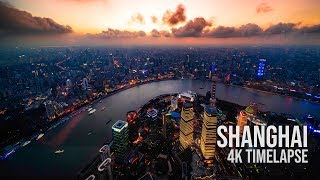
At the Oriental Pearl Tower ...

[640],shadow=true,start=33,stop=

Shanghai is one of China's most dynamic and cosmopolitan cities, blending a rich history with modern skyscrapers and vibrant culture. Here's what you need to know as a tourist visiting Shanghai:

Historical and Cultural Landmarks:
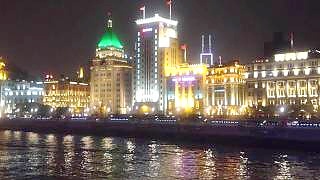
The Bund: This iconic waterfront promenade along the Huangpu River features colonial-era buildings on one side and futuristic skyscrapers on the other, offering stunning views of Shanghai's skyline.

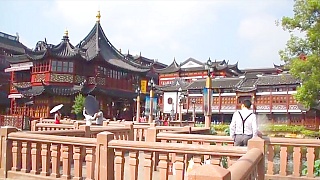
Yu Garden: Dating back to the Ming dynasty, Yu Garden is a classical Chinese garden with pavilions, ponds, and rockeries. The nearby Yu Garden Bazaar is a great place to shop for souvenirs and traditional crafts.

Shanghai Museum: Home to an extensive collection of Chinese art and artifacts, including bronzes, ceramics, paintings, and calligraphy, the Shanghai Museum is a must-visit for history and art enthusiasts.

Jing'an Temple: One of Shanghai's most famous Buddhist temples, Jing'an Temple is known for its beautiful architecture, peaceful atmosphere, and towering golden Buddha statue.

Modern Attractions:
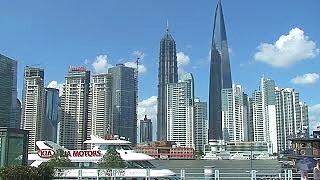
Shanghai Tower: Ascend to the observation deck of this iconic skyscraper, the tallest in China and the second-tallest in the world, for panoramic views of the city.

The Oriental Pearl TV Tower: Another iconic landmark, this futuristic tower offers observation decks, a glass-bottomed skywalk, and a revolving restaurant.

Shanghai Disneyland: Located in the Pudong district, Shanghai Disneyland offers a magical experience for visitors of all ages with its themed lands, attractions, and entertainment.

Shopping and Entertainment:
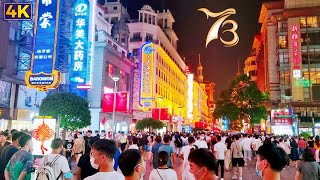
Nanjing Road: One of the world's busiest shopping streets, Nanjing Road is lined with department stores, boutiques, and restaurants. Don't miss the nearby pedestrian-friendly Nanjing Road East, known for its lively atmosphere and street performers.

Xintiandi: This upscale shopping, dining, and entertainment district features a mix of traditional Shikumen-style buildings and modern amenities, making it a popular destination for locals and tourists alike.

French Concession: Explore this historic neighborhood known for its tree-lined streets, charming cafes, boutiques, and art galleries.

Culinary Delights:
Shanghai Cuisine: Sample local specialties such as xiaolongbao (soup dumplings), shengjianbao (pan-fried dumplings), and Shanghai-style noodles.

Street Food: Wander through the city's bustling food markets and snack streets to taste a variety of street foods, from savory pancakes to grilled skewers.

Practical Tips:
Transportation: Shanghai has an efficient public transportation system, including the subway, buses, and taxis. Consider purchasing a rechargeable transportation card for convenience.

Language: While Mandarin is the official language, English is widely spoken in tourist areas, hotels, and restaurants.

Weather: Shanghai experiences four distinct seasons, with hot, humid summers and chilly winters. The best times to visit are spring (March to May) and autumn (September to November) when the weather is mild and comfortable.

Etiquette: Respect local customs and traditions, such as using polite language and avoiding loud behavior in public places.

Shanghai offers a captivating blend of old and new, with its historic landmarks, modern skyscrapers, vibrant culture, and delectable cuisine. Whether you're interested in history, architecture, shopping, or dining, Shanghai has something to offer every type of visitor.
Related Videos


Featured Videos

The awesome Snow and Ice Festival, Harbin, HeiLongJiang province
With Ken Abroad ... Bonus film - first time on the ShangHai Metro ...
A night walk around Central, Hong Kong 香港
Plus, Hong Kong's Victoria Harbor at night ...
Ning in Hong Kong 香港
NanJing city drive, JiangSu province
With Chinese Street View ...
YuLong River 遇龙河 rafting, YangShuo
Beautiful scenery; GuangXi province. A delightful two hour trip from ChaoYang Pier to GongNong Bridge ...
The two rivers, four lakes cruise, GuiLin 桂林
In GuangXi province. Beautiful ...
Snow fall at the Forbidden City, BeiJing
Bonus film - ZhongShan Park ...
ShangHai Summer – don’t miss it !
With Wei's Travel ... ShangHai can be considered a 'garden city' due to its extensive green spaces, parks, and efforts to integrate nature within its urban environment. Here are some key aspects that contribute to this : ### Extensive Green Spaces and Parks 1. **Large Urban Parks**: Shanghai is home to numerous large parks such as Century Park, Gongqing Forest Park, and Shanghai Botanical Garden. These parks provide significant green spaces within the city and offer residents and visitors places to relax and enjoy nature. 2. **Green Belt**: The city has developed green belts and corridors that integrate natural elements into the urban landscape, helping to connect different green spaces and providing continuous natural areas for walking, cycling, and leisure. ### Historical and Traditional Gardens 3. **Traditional Chinese Gardens**: Shanghai boasts several well-preserved traditional Chinese gardens, such as Yu Garden (YuYuan), which exemplify classical Chinese garden design with ponds, rockeries, pavilions, and intricate landscaping. These gardens reflect the city's historical commitment to integrating nature with urban living. ### Urban Greening Initiatives 4. **Street Landscaping**: Many of Shanghai's streets are lined with trees, flowers, and shrubs, contributing to a greener urban environment. The city has invested in extensive landscaping to enhance the aesthetic appeal and environmental quality of its streets and boulevards. 5. **Vertical Gardens and Green Roofs**: Shanghai has embraced innovative urban greening techniques such as vertical gardens and green roofs on buildings. These initiatives help to increase the amount of greenery in densely populated urban areas and contribute to better air quality and urban biodiversity. ### Green Urban Planning 6. **Sustainable Development**: Shanghai's urban planning policies emphasize sustainable development and the creation of eco-friendly urban spaces. This includes the development of eco-districts and the incorporation of green spaces into new residential and commercial developments. 7. **Waterfront Revitalization**: The revitalization of waterfront areas along the Huangpu River and Suzhou Creek has included the creation of green promenades, parks, and recreational areas that provide residents with access to nature and enhance the city's overall green infrastructure. ### Community and Public Engagement 8. **Public Involvement**: The city encourages public participation in maintaining and developing green spaces through community gardens and public involvement initiatives. This engagement helps to foster a sense of ownership and responsibility for the city's natural environments. ### Environmental Conservation 9. **Biodiversity Conservation**: Efforts to preserve and enhance biodiversity within the city, such as the creation of urban wildlife habitats and conservation areas, contribute to Shanghai's identity as a garden city. ### Seasonal Flower Displays 10. **Flower Festivals and Displays**: Shanghai hosts various flower festivals and seasonal floral displays that enhance the city's visual appeal and celebrate its botanical diversity. These events attract tourists and residents alike, further emphasizing the city's green character. ### Conclusion Shanghai's commitment to integrating green spaces and nature into its urban environment through parks, traditional gardens, innovative greening techniques, and sustainable urban planning practices helps to position it as a 'garden city.' These efforts not only enhance the city's aesthetic appeal but also contribute to the well-being of its residents and the sustainability of its urban ecosystem.
Hiking the GongGa mountain trail, SiChuan province
With Men's Journal ... About the GongGa Trail Mount GongGa, also known as Minya Konka, is the highest peak in SiChuan province, China, standing at 7,556 meters (24,790 feet). The Gongga Trail offers a challenging yet rewarding trekking experience, featuring stunning landscapes, glaciers, and traditional Tibetan villages. It is a popular destination for adventurers and nature enthusiasts looking to explore the remote and pristine beauty of the region. Hiking Trails Hailuogou Glacier Park Trail The Hailuogou Glacier Park Trail is one of the most accessible routes on Mount Gongga. It features stunning views of glaciers, hot springs, and lush forests. This trail is suitable for trekkers of all levels and can be completed in 2-3 days. Yulongxi Trail The Yulongxi Trail offers a more challenging trek with breathtaking scenery, including high-altitude lakes, meadows, and snow-capped peaks. This trail takes about 4-5 days to complete and requires a good level of fitness. Kangding to Gongga Monastery Trail This trail starts in Kangding and leads to the Gongga Monastery, providing trekkers with an opportunity to experience local Tibetan culture and stunning natural beauty. The trek takes approximately 5-6 days. Old Chengdu-Kangding Tea-Horse Road This historic trail follows the ancient trade route, offering a blend of cultural and natural attractions. Trekkers can enjoy scenic vistas, traditional villages, and historical sites along the way. The trek can take 7-10 days depending on the chosen route. Famous Guesthouses Hailuogou Grand Hotel Located at the entrance of Hailuogou Glacier Park, Hailuogou Grand Hotel offers comfortable accommodation and easy access to the glacier. It is a great base for starting the trek. Gongga Shan Hotel Situated in Kangding, Gongga Shan Hotel provides modern amenities and a convenient location for trekkers heading towards Mount Gongga. The hotel offers stunning views of the surrounding mountains. Konka International Youth Hostel Located in the town of Luding, Konka International Youth Hostel is popular among backpackers and budget travelers. It offers basic accommodation and a friendly atmosphere. Minya Konka Guesthouse Near the Gongga Monastery, Minya Konka Guesthouse provides an authentic Tibetan experience with traditional architecture and hospitality. It is a perfect stop for trekkers on the Kangding to Gongga Monastery Trail. Transport Mount Gongga and the Gongga Trail are accessible from major cities in Sichuan province. Here are some ways to get there: From Chengdu: Buses and private transfers are available from Chengdu to Kangding, taking approximately 6-7 hours. From Kangding, you can hire a local guide or take a bus to the trailhead. From Kangding: Local buses and taxis can take you to various trailheads, including Hailuogou Glacier Park and Yulongxi. The journey time varies depending on the destination. By Car: Renting a car is a flexible option for those who prefer driving. The roads to Kangding and surrounding areas are well-maintained, offering scenic views along the way.

Tag search ?