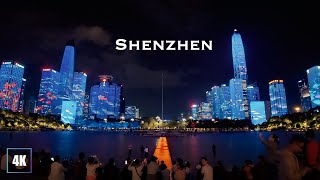
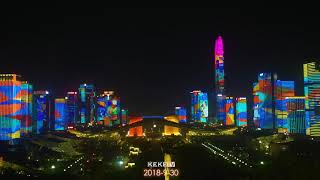
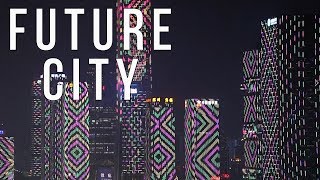
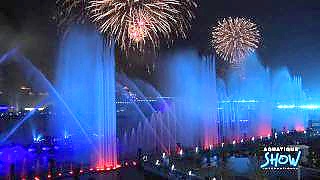
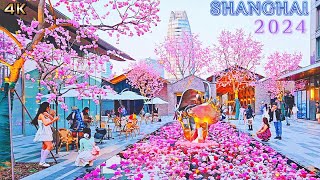
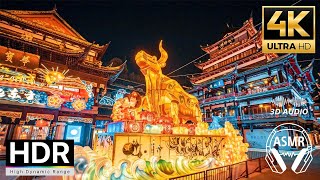
 ShangHai light show – celebrations begin for the 100 years anniversary of the CPC on July 1st 2021
Plus, BeiJing ...
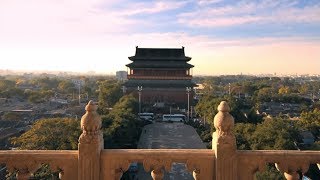
Beijing, the capital city of China, is a vibrant metropolis steeped in history, culture, and modernity. Here's a brief overview of what you can expect as a tourist in Beijing:
Historical Landmarks:
The Great Wall of China: One of the most iconic structures in the world, the Great Wall is easily accessible from Beijing. Mutianyu and Badaling sections are popular among tourists.
Forbidden City (Palace Museum): A UNESCO World Heritage Site, this vast imperial palace complex was home to Chinese emperors for over 500 years. It houses numerous halls, courtyards, and historical artifacts.
Temple of Heaven: A masterpiece of Chinese architecture, this ancient temple complex served as a place of worship for emperors to pray for good harvests.
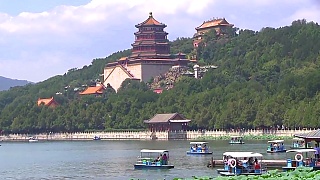
Summer Palace: A stunning ensemble of lakes, gardens, and palaces, the Summer Palace served as a retreat for emperors during the Qing dynasty.
Tiananmen Square: One of the largest city squares in the world, Tiananmen Square is flanked by important landmarks such as the Monument to the People's Heroes, the Great Hall of the People, and the Mausoleum of Mao Zedong.
Cultural Sites:
Beijing Hutongs: Explore the narrow alleyways and traditional courtyard residences of Beijing's historic neighborhoods. You can take a rickshaw tour or simply wander around on foot.
Beijing Opera: Experience traditional Chinese opera performances at venues like the Liyuan Theater or the Chang'an Grand Theatre.
798 Art District: A hub of contemporary art and culture, this former industrial area is now home to numerous galleries, studios, and cafes.
Modern Attractions:
Olympic Park: Visit iconic structures such as the Bird's Nest (National Stadium) and the Water Cube (National Aquatics Center) from the 2008 Beijing Olympics.
CBD (Central Business District): Marvel at the futuristic skyline of Beijing's modern business district, which includes landmarks like the CCTV Headquarters and the China World Trade Center Tower III.
Culinary Delights:
Peking Duck: Indulge in Beijing's most famous dish, crispy roast duck served with pancakes, scallions, and hoisin sauce.
Street Food: Explore the city's vibrant street food scene and sample local delicacies like jianbing (savory crepes), lamb skewers, and dumplings.
Practical Tips:
Transportation: Beijing has an extensive public transportation system, including the subway, buses, and taxis. However, traffic can be heavy, so plan your travels accordingly.
Language: While English is not widely spoken, especially outside tourist areas, many signs and transportation announcements are in English. It's helpful to carry a translation app or a phrasebook.
Weather: Beijing experiences four distinct seasons, with hot summers and cold winters. The best times to visit are spring (April to June) and autumn (September to October) when the weather is mild and comfortable.
Etiquette: Respect local customs and traditions, such as removing your shoes before entering someone's home and using both hands to pass or receive items.
Beijing offers a rich tapestry of experiences for tourists, blending ancient heritage with modern innovations. Whether you're fascinated by history, culture, or culinary delights, there's something for everyone in this dynamic city.
Shanghai is one of China's most dynamic and cosmopolitan cities, blending a rich history with modern skyscrapers and vibrant culture. Here's what you need to know as a tourist visiting Shanghai:
Historical and Cultural Landmarks:
The Bund: This iconic waterfront promenade along the Huangpu River features colonial-era buildings on one side and futuristic skyscrapers on the other, offering stunning views of Shanghai's skyline.
Yu Garden: Dating back to the Ming dynasty, Yu Garden is a classical Chinese garden with pavilions, ponds, and rockeries. The nearby Yu Garden Bazaar is a great place to shop for souvenirs and traditional crafts.
Shanghai Museum: Home to an extensive collection of Chinese art and artifacts, including bronzes, ceramics, paintings, and calligraphy, the Shanghai Museum is a must-visit for history and art enthusiasts.
Jing'an Temple: One of Shanghai's most famous Buddhist temples, Jing'an Temple is known for its beautiful architecture, peaceful atmosphere, and towering golden Buddha statue.
Modern Attractions:
Shanghai Tower: Ascend to the observation deck of this iconic skyscraper, the tallest in China and the second-tallest in the world, for panoramic views of the city.
The Oriental Pearl TV Tower: Another iconic landmark, this futuristic tower offers observation decks, a glass-bottomed skywalk, and a revolving restaurant.
Shanghai Disneyland: Located in the Pudong district, Shanghai Disneyland offers a magical experience for visitors of all ages with its themed lands, attractions, and entertainment.
Shopping and Entertainment:
Nanjing Road: One of the world's busiest shopping streets, Nanjing Road is lined with department stores, boutiques, and restaurants. Don't miss the nearby pedestrian-friendly Nanjing Road East, known for its lively atmosphere and street performers.
Xintiandi: This upscale shopping, dining, and entertainment district features a mix of traditional Shikumen-style buildings and modern amenities, making it a popular destination for locals and tourists alike.
French Concession: Explore this historic neighborhood known for its tree-lined streets, charming cafes, boutiques, and art galleries.
Culinary Delights:
Shanghai Cuisine: Sample local specialties such as xiaolongbao (soup dumplings), shengjianbao (pan-fried dumplings), and Shanghai-style noodles.
Street Food: Wander through the city's bustling food markets and snack streets to taste a variety of street foods, from savory pancakes to grilled skewers.
Practical Tips:
Transportation: Shanghai has an efficient public transportation system, including the subway, buses, and taxis. Consider purchasing a rechargeable transportation card for convenience.
Language: While Mandarin is the official language, English is widely spoken in tourist areas, hotels, and restaurants.
Weather: Shanghai experiences four distinct seasons, with hot, humid summers and chilly winters. The best times to visit are spring (March to May) and autumn (September to November) when the weather is mild and comfortable.
Etiquette: Respect local customs and traditions, such as using polite language and avoiding loud behavior in public places.
Shanghai offers a captivating blend of old and new, with its historic landmarks, modern skyscrapers, vibrant culture, and delectable cuisine. Whether you're interested in history, architecture, shopping, or dining, Shanghai has something to offer every type of visitor.