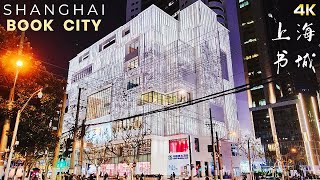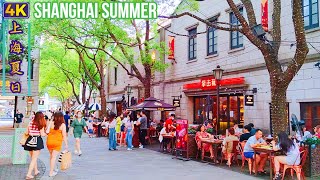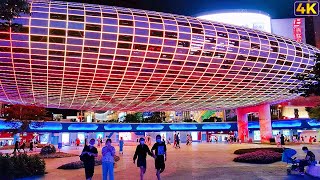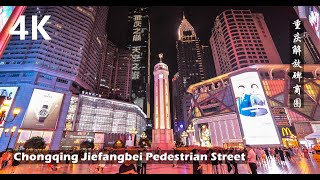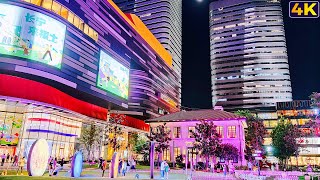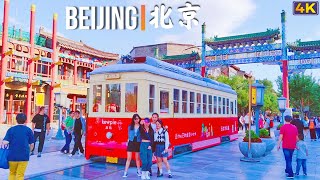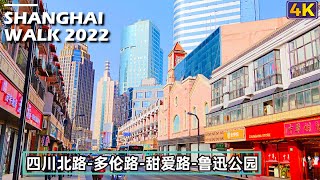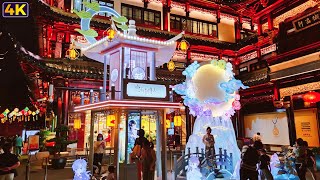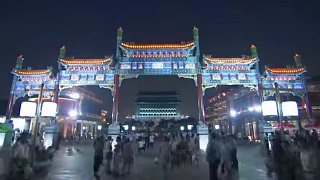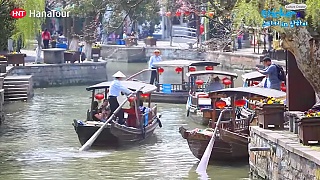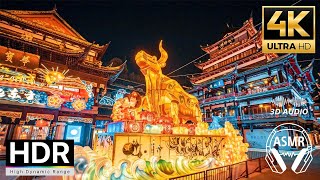
ShangHai’s mega malls

With Wei's Travel ...

[640],shadow=true,start=,stop=

Shanghai is one of China's most dynamic and cosmopolitan cities, blending a rich history with modern skyscrapers and vibrant culture. Here's what you need to know as a tourist visiting Shanghai:

Historical and Cultural Landmarks:
The Bund: This iconic waterfront promenade along the Huangpu River features colonial-era buildings on one side and futuristic skyscrapers on the other, offering stunning views of Shanghai's skyline.

Yu Garden: Dating back to the Ming dynasty, Yu Garden is a classical Chinese garden with pavilions, ponds, and rockeries. The nearby Yu Garden Bazaar is a great place to shop for souvenirs and traditional crafts.

Shanghai Museum: Home to an extensive collection of Chinese art and artifacts, including bronzes, ceramics, paintings, and calligraphy, the Shanghai Museum is a must-visit for history and art enthusiasts.

Jing'an Temple: One of Shanghai's most famous Buddhist temples, Jing'an Temple is known for its beautiful architecture, peaceful atmosphere, and towering golden Buddha statue.

Modern Attractions:
Shanghai Tower: Ascend to the observation deck of this iconic skyscraper, the tallest in China and the second-tallest in the world, for panoramic views of the city.

The Oriental Pearl TV Tower: Another iconic landmark, this futuristic tower offers observation decks, a glass-bottomed skywalk, and a revolving restaurant.

Shanghai Disneyland: Located in the Pudong district, Shanghai Disneyland offers a magical experience for visitors of all ages with its themed lands, attractions, and entertainment.

Shopping and Entertainment:
Nanjing Road: One of the world's busiest shopping streets, Nanjing Road is lined with department stores, boutiques, and restaurants. Don't miss the nearby pedestrian-friendly Nanjing Road East, known for its lively atmosphere and street performers.

Xintiandi: This upscale shopping, dining, and entertainment district features a mix of traditional Shikumen-style buildings and modern amenities, making it a popular destination for locals and tourists alike.

French Concession: Explore this historic neighborhood known for its tree-lined streets, charming cafes, boutiques, and art galleries.

Culinary Delights:
Shanghai Cuisine: Sample local specialties such as xiaolongbao (soup dumplings), shengjianbao (pan-fried dumplings), and Shanghai-style noodles.

Street Food: Wander through the city's bustling food markets and snack streets to taste a variety of street foods, from savory pancakes to grilled skewers.

Practical Tips:
Transportation: Shanghai has an efficient public transportation system, including the subway, buses, and taxis. Consider purchasing a rechargeable transportation card for convenience.

Language: While Mandarin is the official language, English is widely spoken in tourist areas, hotels, and restaurants.

Weather: Shanghai experiences four distinct seasons, with hot, humid summers and chilly winters. The best times to visit are spring (March to May) and autumn (September to November) when the weather is mild and comfortable.

Etiquette: Respect local customs and traditions, such as using polite language and avoiding loud behavior in public places.

Shanghai offers a captivating blend of old and new, with its historic landmarks, modern skyscrapers, vibrant culture, and delectable cuisine. Whether you're interested in history, architecture, shopping, or dining, Shanghai has something to offer every type of visitor.


Related Videos


Featured Videos

A look around the Forbidden City 紫禁城 in BeiJing
Filmed in July 2011 Video by Orien Travel http://www.orientravel.pl
ShuHe ancient town, just north of LiJiang, YunNan province
"ShuHe Ancient Town, known as "ShaoWu" in NaXi language, was formed by the JuBao Mountain behind the village, which is shaped like a pile of peaks. It is also an important well-preserved market town on the Ancient Tea-Horse Road, a living specimen of the NaXi ancestors’ transition from farming civilization to commercial civilization, and a model of market town construction formed by opening up to the outside world and caravan activities. ShuHe Ancient Town, BaiSha Ancient Town and DaYan Ancient Town together form the World Heritage Site of LiJiang Ancient Town. Xu XiaKe once passed by ShuHe River when he visited JieTuo Forest in ZhiShan. "Ten Harmonies" is the ancient name of today's ShuHe." With Bob's Street Snapshots ...
Beginners’ Chinese language
Fun teacher ... [videogallery type=playlist id=PLneZiE_zP2-wKOn0bDZ1p5VEph5GvHbl7 c=3 num=50]
XianYuFeng 仙宇峰 ‘Sky’ Temple, GuiZhou
Beautiful natural scenery in north west China (north XinJiang 新疆)
North XinJiang province, including Kanas Lake. Awesome ! With Hogin Chen ...
XiaoQiKong Scenic Area, LiBo, GuiZhou province
XiaoQiKong Scenic Area, LiBo, GuiZhou : A Visitor’s Guide The Xiaoqikong Scenic Area, or "Seven Small Arches," is a UNESCO World Heritage site located in Libo County, Guizhou Province. This breathtaking natural haven is famous for its karst landscapes, dense forests, crystal-clear rivers, and historic stone bridges. Its name derives from a 19th-century stone bridge with seven arches, which is the centerpiece of the park. How to Get There By Air: The nearest airport is Libo Airport, which has flights from major cities like Guiyang. From the airport, it's about an hour's drive to the scenic area. By Train: Libo is accessible via high-speed rail. From the Libo Railway Station, take a taxi or local bus to Xiaoqikong. By Bus: Direct buses from Guiyang or other nearby cities to Libo are available. From Libo town, a short local bus or taxi ride will bring you to the park. Entrance and Fees Opening Hours: 8:00 AM – 5:30 PM (varies by season). Admission Fee: Approximately 110–150 RMB (varies depending on the season and package options, including shuttle services). Top Attractions in Xiaoqikong Scenic Area 1. The Seven Small Arches Bridge Overview: This Qing Dynasty stone bridge, with seven small arches spanning a turquoise river, is the park's namesake and one of its most iconic sights. Don’t Miss: The surrounding waters reflect lush greenery, creating a picture-perfect scene for photography. 2. The Water Forest Unique Feature: Trees grow directly out of the water in this surreal wetland area. The intertwining roots and crystal-clear streams create an enchanting atmosphere. Activities: Walk along the wooden pathways and admire the unique ecosystem. 3. 68-Level Waterfalls Description: A cascading series of small waterfalls stretch over several kilometers, forming a mesmerizing chain of white foam and turquoise pools. Tip: Visit early in the morning for fewer crowds and better lighting for photos. 4. Green Canyon (Lushui Valley) Highlight: This narrow canyon is filled with lush vegetation and dramatic karst formations. What to Do: Follow the trail that winds through the canyon for stunning views of cliffs, caves, and water features. 5. Mandarin Duck Lake Why Visit: A serene lake surrounded by dense forest, where you can spot pairs of mandarin ducks and other waterfowl. Activities: Rent a boat to explore the lake or enjoy a picnic on its shores. 6. The Ancient Banyan Feature: A massive banyan tree with sprawling roots and branches that provide a mystical and serene setting. Significance: This is one of the oldest trees in the area, revered by locals. 7. Qinglong Waterfall Overview: A grand waterfall set amidst lush green cliffs. What to Do: Hike up to the viewing platform for the best angle of this magnificent cascade. Activities and Experiences Hiking Trails: The park features several well-maintained trails, ranging from easy walks to more challenging hikes. Most trails pass through diverse landscapes, from karst caves to dense bamboo forests. Boat Rides: Enjoy scenic boat rides on Mandarin Duck Lake or the surrounding waterways. Wildlife Spotting: The area is home to diverse flora and fauna, including rare species like the Guizhou golden monkey and colorful butterflies. Photography: The vibrant turquoise waters, lush greenery, and karst formations make Xiaoqikong a photographer’s paradise. Local Cuisine Rice Noodles (Mixian): A staple dish in Guizhou, served in rich broth with fresh herbs and spices. Sour Fish Soup: A tangy and spicy local specialty made with freshwater fish. Sticky Rice Dumplings: Perfect for a quick snack while exploring. Wild Vegetable Dishes: Many restaurants in the area use locally foraged vegetables, prepared simply to highlight their natural flavors. Best Time to Visit Spring (March–May): The park is lush and vibrant, with waterfalls at their fullest due to seasonal rains. Autumn (September–November): Cooler weather and the surrounding forest's changing colors make this the most picturesque season. Tips for Visitors Transportation Within the Park: Shuttle buses are available for an additional fee and are highly recommended to cover the large area efficiently. Clothing: Wear comfortable walking shoes and pack layers, as the weather can change quickly in the mountains. Photography Gear: Bring a waterproof bag for your camera or phone, as many attractions involve water. Stay Hydrated: Carry water, especially if hiking longer trails, as shops may not be available in remote areas. Crowds: Visit early in the morning or during weekdays to avoid peak tourist times. Nearby Attractions Daqikong Scenic Area: A complementary park nearby with its own set of natural wonders, including deeper gorges and caves. Libo Zhangjiang Scenic Spot: Another UNESCO World Heritage site featuring pristine rivers and karst landscapes. Ethnic Villages: Visit local Buyi, Miao, and Shui villages to experience traditional customs, architecture, and festivals. Xiaoqikong Scenic Area is a destination where natural beauty, tranquility, and adventure come together. Whether you're an avid hiker, a nature lover, or a history enthusiast, this scenic area offers something unique and unforgettable.
On the Chinese Onion
With DianXi XiaoGe ... Bonus film - wasabi ... Bonus film - cherries ... Bonus film - taro flowers ...
Geopolitics update – January 2025 (Red Note, and much more …)
Red Note, Trump, BRICS, and much more .. YT comments : "If a government is elected, but acts against the interests of the people, why should you call it democratic? If a government that is not elected works in the interests of the people, why should you consider it undemocratic?" “The US is not scared of other countries getting your information, they’re scared that you’ll get information from other countries”.
DunHuang oasis in the Gobi desert, GanSu province
With Little Chinese Everywhere ...

Tag search ?