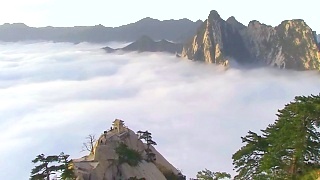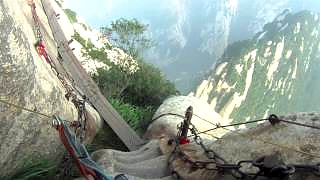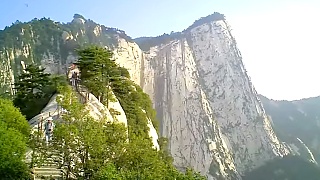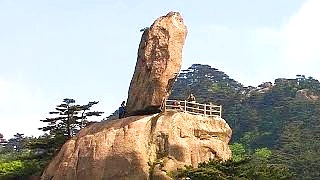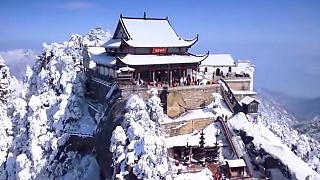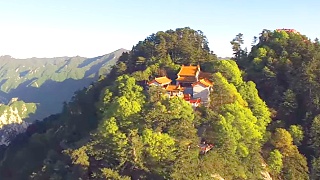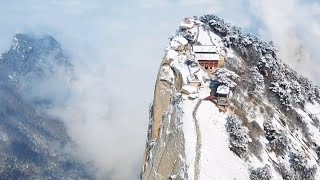
The ‘Plank Walk’ at HuaShan 华山 mountain

In ShaanXi province.

[640],shadow=true,start=15,stop=
[320],shadow=true,start=,stop=

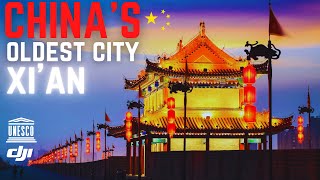
Xi'an, located in the heart of Shaanxi Province in northwest China, is one of the oldest cities in China and served as the capital for numerous dynasties, including the Qin, Han, and Tang. Renowned for its rich history, cultural heritage, and iconic landmarks, Xi'an is a must-visit destination for tourists. Here's a guide for tourists visiting Xi'an:

Historical and Cultural Significance:
Ancient Capital: Xi'an served as the capital of China for over 13 dynasties and played a crucial role in shaping Chinese history and civilization. It was the starting point of the ancient Silk Road, facilitating trade and cultural exchange between China and the West.

Terracotta Army: One of Xi'an's most famous attractions is the Terracotta Army, a vast collection of life-sized terracotta sculptures depicting the armies of Qin Shi Huang, the first Emperor of China. Discovered in 1974, the Terracotta Army is a UNESCO World Heritage site and a symbol of China's rich cultural heritage.

Top Attractions:
Terracotta Army Museum: Located about 30 kilometers east of Xi'an, the Terracotta Army Museum is home to thousands of intricately crafted terracotta warriors, horses, and chariots. Visitors can explore the excavation pits, marvel at the craftsmanship, and learn about the history of the Qin Dynasty.

Ancient City Wall: Xi'an is renowned for its well-preserved ancient city wall, which dates back to the Ming Dynasty. Stretching over 13 kilometers in length, the wall offers panoramic views of the city and is a popular spot for walking, cycling, and sightseeing.

Muslim Quarter: Explore the vibrant Muslim Quarter, located near the Drum Tower and Great Mosque of Xi'an. This bustling neighborhood is known for its lively street markets, traditional Islamic architecture, and delicious street food, including lamb skewers, roujiamo (Chinese hamburger), and hand-pulled noodles.

Big Wild Goose Pagoda: Built during the Tang Dynasty, the Big Wild Goose Pagoda is a prominent Buddhist landmark in Xi'an. Visitors can climb the pagoda for panoramic views of the city or explore the surrounding temple complex and gardens.

Shaanxi History Museum: Discover the rich history and culture of Shaanxi Province at the Shaanxi History Museum. The museum houses a vast collection of artifacts, including ancient pottery, bronze ware, jade, and Tang Dynasty murals, providing insights into the region's heritage.

Practical Tips:
Transportation: Getting around Xi'an is convenient with its extensive public transportation system, including buses, taxis, and the Xi'an Metro. Bicycle rentals are also available for exploring the city at a leisurely pace.

Weather: Xi'an has a continental climate with hot summers and cold winters. The best time to visit is during spring (April to May) and autumn (September to October) when the weather is pleasant and comfortable.

Language: Mandarin Chinese is the official language spoken in Xi'an, although English may not be widely spoken, especially in more remote areas. It's helpful to learn some basic phrases or carry a phrasebook or translation app.

Currency: The currency used in China is the Chinese Yuan (CNY). Credit cards are accepted at most hotels, restaurants, and shops in urban areas, but it's advisable to carry cash for small purchases and transactions.

Xi'an offers a fascinating blend of ancient history, cultural heritage, and modern urban life, making it an enchanting destination for tourists seeking to explore the wonders of ancient China. Whether marveling at the Terracotta Army, walking along the ancient city wall, or sampling delicious street food in the Muslim Quarter, Xi'an has something to offer for every traveler.
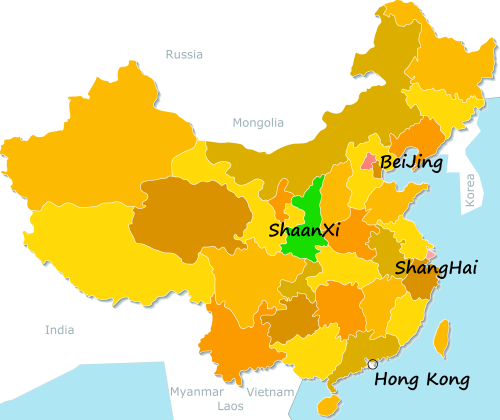
ShaanXi map

Related Videos


Featured Videos

Cycling the Karakoram Highway, from Kashgar to the Pakistan border
There are beautiful mountains, lakes and grasslands along one of the world's highest modern roads - XinJiang province ...
China 中国 from the air – a breathtaking journey …
These amazing films capture the beauty of nature and city ... Don't miss it ! The best videographers. The best music. Turn up the volume; relax; let's go ... Hong Kong The Great Wall (JinShanLing / SiMaTai, close to Beijing) QingHai province JiuZhaiGou and HuangLong, SiChuan province Crescent Moon Spring / Lake, 6 km from DunHuang, GanSu province, north west China Guilin and YangShuo, GuangXi province The Tibetan Plateau, far south west China HuiZhou, GuangDong province, south east China TianShan Mountain area, XinJiang province, far west China MoGao Grotto, YuMenGuan, YangGuan, JiaYuGuan, YaDan, DanXia; all in GanSu province Tian Tan Giant Buddha, Hong Kong GuangZhou, provincial capital of GuangDong and close to Hong Kong Various places in China
A trip to JiaYuGuan 嘉峪关, western end of the Great Wall – video
JiaYuGuan is the first pass at the western end of the Great Wall of China. It lies 6 kilometers southwest of the city of JiaYuGuan in GanSu province. The fortress lies between two hills and near to an oasis that was then on the western edge of China. According to legend, when JiaYuGuan was being planned, the official in charge asked the designer to estimate the number of bricks required; the designer surprised the official by giving him an exact number. The official questioned his judgment, asking him if he was sure that would be enough, so the designer added one brick to the total. When JiaYuGuan was finished, there was one brick left over, which was placed loose on one of the gates, where it remains today. Nearby are the DunHuang Caves (also known as the MoGau Caves); these grottoes date from the 4th century AD and contain Buddhist art from over the next thousand years.
GuangZhou 广州 night drone flight
GuangDong province ...
A guide to the meaning of place names in China
These elements are commonly used in various combinations to form place names throughout China, reflecting geographical features, cultural aspects, and historical significance. Tiān 天 - Heaven: TianAnMen 天安门 - TianAnMen Mén 门 - Gate: DongMen 东门 - East Gate Sì 寺 - Temple: ShaoLinSi 少林寺 - ShaoLin Temple Shān 山 - Mountain: HuangShan 黄山 - Yellow Mountain Hé 河 - River: HuangHe 黄河 - Yellow River Jiāng 江 - River (large): ChangJiang 长江 - Yangtze River Hú 湖 - Lake: XiHu 西湖 - West Lake Hǎi 海 - Sea: QingDao 青岛 - QingDao Zhōu 州 - State or Prefecture: GuangZhou 广州 - GuangZhou Shì 市 - City: ShangHai 市 - ShangHai City Zhèn 镇 - Town: ZhouZhuang 镇 周庄镇 - ZhouZhuang Town Cūn 村 - Village: ZhouCun 周村 - Zhou Village Miào 庙 - Temple: WenMiao 文庙 - Confucius Temple Qiáo 桥 - Bridge: LuGouQiao 卢沟桥 - Marco Polo Bridge Dòng 洞 - Cave: YunGang ShiKu 云冈石窟 - YunGang Grottoes Bǎo 堡 - Fort or Castle: ZhangJiaJie 张家界 - ZhangJiaJie Tái 台 - Platform or Terrace: DongTai 东台 - DongTai Lǐng 岭 - Ridge or Mountain Range: WuLing 五岭 - Five Ridges Gǎng 港 - Harbor or Port: XiangGang 香港 - Hong Kong Yuàn 苑 - Park or Garden: YiHeYuan 颐和园 - Summer Palace Quán 泉 - Spring: JiNan 济南 - JiNan Wān 湾 - Bay: ShenZhen Wan 深圳湾 - ShenZhen Bay Dǎo 岛 - Island: HaiNan Dao 海南岛 - HaiNan Island Chéng 城 - City or Town: NanJing Cheng 南京城 - NanJing City Guǎngchǎng 广场 - Square: TianAnMen GuangChang 天安门广场 - TianAnMen Square Gōng 宫 - Palace: GuGong 故宫 - Forbidden City Yuàn 院 - Courtyard or Compound: BeiJing DaXue 北京大学 - Peking University Cūnzhuāng 村庄 - Village: ZhouZhuang Cun 周庄村 - ZhouZhuang Village Qū 区 - District or Area: ChaoYang Qu 朝阳区 - ChaoYang District Lù 路 - Road or Street: Chang'An Lu 长安路 - Chang'An Road Jiē 街 - Street: WangFuJing Jie 王府井街 - WangFuJing Street Fāng 坊 - Lane or Alley: NanLuoGuXiang 南锣鼓巷 - NanLuoGuXiang Běi 北 - North: BeiJing 北京 - BeiJing Nán 南 - South: NanJing 南京 - NanJing Dōng 东 - East: DongGuan 东莞 - DongGuan Xī 西 - West: Xi'An 西安 - Xi'An Zhōng 中 - Central: ZhongShan 中山 - ZhongShan Wài 外 - Outer: WaiTan 外滩 - The Bund Nèi 内 - Inner: NeiMengGu 内蒙古 - Inner Mongolia Xīn 新 - New: XinJiang 新疆 - XinJiang Jiù 旧 - Old: JiuJinShan 旧金山 - San Francisco Shàng 上 - Upper: ShangHai 上海 - ShangHai Xià 下 - Lower: XiaGuan 下关 - XiaGuan Qián 前 - Front: QianMen 前门 - QianMen Hòu 后 - Back: HouHai 后海 - HouHai Cháng 长 - Long: ChangChun 长春 - ChangChun Duǎn 短 - Short: DuanShan 短山 - DuanShan Gāo 高 - High: GaoXiong 高雄 - KaoHsiung Dī 低 - Low: DiCun 低村 - DiCun Dà 大 - Big: DaTong 大同 - DaTong Xiǎo 小 - Small: XiaoZhen 小镇 - XiaoZhen Lóng 龙 - Dragon: LongYan 龙岩 - LongYan Fèng 凤 - Phoenix: FengYang 凤阳 - FengYang Fú 福 - Fortune: FuZhou 福州 - FuZhou Ān 安 - Peace: Xi'An 西安 - Xi'An Qìng 庆 - Celebration: QingYang 庆阳 - QingYang Xīng 兴 - Prosperous: XingHua 兴化 - XingHua Jí 吉 - Lucky: JiLin 吉林 - JiLin Xiáng 祥 - Auspicious: XiangFu 祥符 - XiangFu Guāng 光 - Light: GuangZhou 广州 - GuangZhou Míng 明 - Bright: MingGuang 明光 - MingGuang Hékǒu 河口 - River Mouth: HeKou 河口 - HeKou Qiáotóu 桥头 - Bridgehead: QiaoTou 桥头 - QiaoTou Shānjiǎo 山脚 - Foothill: ShanJiao 山脚 - ShanJiao Hǎibīn 海滨 - Seaside: HaiBin 海滨 - HaiBin Mǎtóu 码头 - Wharf: MaTou 码头 - MaTou Gǔ 古 - Ancient: GuZhen 古镇 - GuZhen Wén 文 - Culture: WenHua Cun 文化村 - WenHua Village Chāng 昌 - Flourishing: ChangPing 昌平 - ChangPing Cuì 翠 - Emerald (green): CuiHu 翠湖 - CuiHu Jīn 金 - Gold: JinShan 金山 - JinShan Yín 银 - Silver: YinChuan 银川 - YinChuan Qīng 青 - Blue/Green: QingDao 青岛 - QingDao Hóng 红 - Red: HongHe 红河 - HongHe Huáng 黄 - Yellow: HuangShan 黄山 - HuangShan Bái 白 - White: BaiYun 白云 - BaiYun Hēi 黑 - Black: HeiLongJiang 黑龙江 - HeiLongJiang Yáng 阳 - Sun: LuoYang 洛阳 - LuoYang Yīn 阴 - Shade: YinShan 阴山 - YinShan Xīng 星 - Star: XingZi 星子 - XingZi Yuè 月 - Moon: YueLiang Wan 月亮湾 - Moon Bay Huā 花 - Flower: HuaDu 花都 - HuaDu Cǎo 草 - Grass: CaoYuan 草原 - Grassland Shù 树 - Tree: ShuCun 树村 - ShuCun Lín 林 - Forest: LinHai 林海 - LinHai Yuán 园 - Garden: YuanLin 园林 - YuanLin Nóng 农 - Agricultural: NongChang 农场 - NongChang Gōng 工 - Industrial: GongYe Qu 工业区 - GongYe District Shāng 商 - Commercial: ShangYe Jie 商业街 - Commercial Street Xué 学 - Learning: XueYuan Lu 学院路 - XueYuan Road Yī 医 - Medical: YiYuan Jie 医院街 - YiYuan Street Zhàn 站 - Station: HuoChe Zhan 火车站 - Train Station Shì 室 - Room: BanGong Shi 办公室 - Office Lóu 楼 - Building: GaoLou 高楼 - Tall Building Qū 区 - Area/District: ShiQu 市区 - Urban Area Yuánqū 园区 - Park/Zone: GongYe YuanQu 工业园区 - Industrial Park Jīdì 基地 - Base: KeJi JiDi 科技基地 - Technology Base Jiēdào 街道 - Street: Gu JieDao 古街道 - Ancient Street Xiǎoqū 小区 - Residential area: XiaoQū 小区 - Residential Area Zhōngxīn 中心 - Center: Shi ZhōngXīn 市中心 - City Center Chinese city names and their meanings : BeiJing 北京 - North Capital ShangHai 上海 - Above Sea ChongQing 重庆 - Double Celebration TianJin 天津 - Heavenly Ford GuangZhou 广州 - Expansive Prefecture ShenZhen 深圳 - Deep Ditch ChengDu 成都 - Become Capital Nanjing 南京 - South Capital Xi'An 西安 - Western Peace HangZhou 杭州 - Hang Prefecture Wuhan 武汉 - Combined from WuChang (武昌) and HanKou (汉口) SuZhou 苏州 - Su Prefecture Shenyang 沈阳 - Rising Sun Dongguan 东莞 - East Pass Ningbo 宁波 - Tranquil Waves Qingdao 青岛 - Green Island Guiyang 贵阳 - Precious Sun Haikou 海口 - Sea Mouth Kunming 昆明 - Bright Merits Xiamen 厦门 - Door of the House
The West’s true goal and propaganda war
With Daniel Dumbrill ... Daniel talks with Max Blumenthal of Moderate Rebels ... More from the Moderate Rebels channel ... The 'threat' is that of a good example. In China, the people are family. In the West, the people are merely livestock. In the West, it is government by and for the elite (though wrapped in the candyfloss of elections). The Military Industrial Complex plays a part, but the biggest part is the western elites' superiority complex - colonialism never went away, it just became more subtle (but no less brutal).
LeShan Giant Buddha 乐山大佛 scenic area, SiChuan province
The Giant Buddha, which is around 70 meters in height, was carved out from the hill during the Tang dynasty (618–907). It took 90 years to complete. The LeShan Giant Buddha is part of the Mount Emei Scenic Area, which is a UNESCO World Heritage Site. This area has exceptionally diverse vegetation, ranging from subtropical to sub-alpine pine forests. Over time, additional temples established nearby making this an important place in Buddhism. There is a lot to see and explore. Slideshow (with some great photos) :
The beauty, history and culture of HangZhou, ZheJiang province
With CGTN ... Bonus film - the Asian Games sports infrastructure - with Rafa Goes Around! ... Hangzhou, the capital of Zhejiang Province in eastern China, is renowned for its historic relics and natural beauty. Located at the southern end of the Grand Canal, which extends to Beijing, Hangzhou has been one of China's most renowned and prosperous cities for much of the last millennium. Marco Polo reportedly described the city as "the finest and most splendid city in the world." Historical Significance Hangzhou has a rich history dating back over 2,200 years to the Qin Dynasty. It became a significant city during the Sui Dynasty when the Grand Canal was constructed. During the Southern Song Dynasty (1127-1279), Hangzhou was the capital of China, a period that significantly boosted its status and prosperity. West Lake One of Hangzhou’s most famous attractions is West Lake (Xī Hú). This UNESCO World Heritage site is celebrated for its scenic beauty, inspiring poets, scholars, and artists since the 9th century. The lake is surrounded by temples, pagodas, gardens, and artificial islands. Major attractions around West Lake include the Broken Bridge, Su Causeway, and Leifeng Pagoda. Lingyin Temple Lingyin Temple, also known as the Temple of the Soul's Retreat, is one of the largest and wealthiest Buddhist temples in China. It was founded in 328 AD during the Eastern Jin Dynasty. The temple is famous for its grand halls, numerous pagodas, and Buddhist grottoes, particularly the Feilai Feng grottoes, which contain hundreds of stone carvings of Buddhist figures. Longjing Tea Hangzhou is the origin of the world-famous Longjing (Dragon Well) tea. Longjing Tea Village, located in the hills west of West Lake, offers a picturesque setting where visitors can learn about tea cultivation, enjoy tea tastings, and experience traditional tea ceremonies. The tea is renowned for its high quality, green color, fragrant aroma, sweet taste, and flat leaves. Grand Canal The Grand Canal, a UNESCO World Heritage site, is the longest canal or artificial river in the world. Hangzhou marks the southern end of this ancient waterway, which played a crucial role in the cultural and economic development of the region. Visitors can take boat rides to explore the historical and cultural sights along the canal. Modern Hangzhou Today, Hangzhou is a blend of traditional and modern influences. It is an important economic hub, home to numerous high-tech industries and the headquarters of Alibaba Group, one of the world's largest e-commerce companies. The city's infrastructure is well-developed, with a high-speed railway, an international airport, and a comprehensive metro system. Tourism and Culture Hangzhou is a popular tourist destination, attracting millions of visitors each year. The city hosts various cultural festivals, such as the West Lake International Expo, the China International Tea Expo, and the Hangzhou International Marathon. Hangzhou cuisine, known for its light and fresh flavors, is also a highlight for visitors, with famous dishes like Dongpo Pork and West Lake Fish in Vinegar Gravy.  
LianYunGang 连云港, JiangSu province
LiánYúnGǎng's tourist attractions include : Lian Island Resort, 连岛 A beautiful island connected to LianYun district by a 7 kilometer (4 miles) sea dyke, the longest in China. There are two main beach and swimming areas. Lian Island is also home to an annual music extravaganza that features some of China's most famous pop stars. Huaguo Mountain, 花果山

Tag search ?