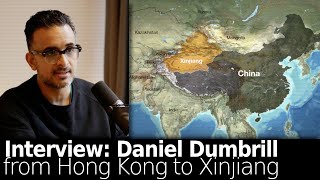
What is China really like – fact and fiction

An interesting interview that looks into Western propaganda ...

[640],shadow=true,start=,stop=

Bonus film - a talk by professor Kishore Mahbubani ...
[320],shadow=true,start=277,stop=

Related Videos


Featured Videos

The Great Wall of China at JianKou 箭扣, BeiJing
The JianKou ('Arrow Head') section of the Great Wall is one of the most picturesque. It is also un-restored; and with steep inclines and long drops, also one of the most dangerous. JianKou lies between the MuTianYu and HuangHua sections. Filmed and edited by vimeo.com/niffgurd. More about JianKou Great Wall
Planning war on China – part 35
Feels like the West has gone crazy - part 35 ! Really hope this is the last part of what we thought would be just 2 parts - but the insane West's attacks simply don't abate; so here we are, not knowing how far they will go in their push for war ... With George Galloway - don't miss it ... One World - One family. It's not rocket science. Meanwhile (in the real world, outside the West's frothing at the mouth bid for global tyranny) ... Us and Them - music - Roger Waters live in concert ... Escape the madness - calm, meditative / oneness / rejuvenation / thanksgiving music - release stress, and once again become a beacon of love. Because it is not about me. It is about we ... One more - Chris Hedges in conversation with Hamza Yusuf ... "What is a fool but someone who doesn't know who they are or where they're going." - Hamza Yusuf
Harbin City Summer Visitor Guide – A Romantic Resort Destination
With Seiu Travel ... Harbin City Summer Visitor Guide - A Romantic Resort Destination Introduction Harbin, the capital of Heilongjiang Province, is often known for its ice and snow festival, but it is also a charming summer destination. With its mix of Russian architecture, lush parks, and romantic atmosphere, Harbin is perfect for couples seeking a summer getaway. This guide will help you explore the best of Harbin in the warmer months, focusing on its romantic appeal. Key Attractions 1. Central Street (Zhongyang Dajie) Central Street is Harbin's most famous pedestrian street, lined with European-style buildings, boutique shops, and cafes. A stroll down this street offers a glimpse into Harbin's rich cultural heritage and a romantic atmosphere with street performers and outdoor dining. 2. Harbin Sun Island Scenic Area Located on the north bank of the Songhua River, Sun Island is a beautiful park ideal for picnics, leisurely walks, and enjoying nature. In summer, the island is filled with blooming flowers and greenery, making it a perfect spot for couples to relax and enjoy the scenery. 3. St. Sophia Cathedral This stunning Russian Orthodox church is an architectural marvel and one of Harbin's most iconic landmarks. The cathedral, with its green onion-shaped domes, is a romantic backdrop for photos and offers a glimpse into Harbin's Russian past. 4. Songhua River Cruise A cruise on the Songhua River is a must-do for couples visiting Harbin. The gentle breeze and scenic views of the city's skyline create a romantic ambiance. Evening cruises are especially popular, offering a chance to see the city lights reflecting on the water. Romantic Activities Evening Walks: Take a stroll along the Songhua River or in Zhaolin Park. The soft glow of street lamps and the serene environment provide a perfect setting for romantic evening walks. Horse Carriage Rides: Central Street offers horse-drawn carriage rides, adding a touch of old-world romance as you ride through the historic parts of the city. Visit to Siberian Tiger Park: For couples who love wildlife, visiting the nearby Siberian Tiger Park can be an adventurous yet memorable experience. Café Hopping: Explore the numerous cafes along Central Street. Enjoy a quiet coffee break with pastries and soak in the atmosphere of Harbin's unique blend of Russian and Chinese culture. Boat Rides on Sun Island: Rent a boat on Sun Island and enjoy a peaceful ride on the lake, surrounded by lush greenery and the sounds of nature. Romantic Dining Options Harbin offers a variety of dining experiences, from fine dining to casual eateries, catering to romantic outings. Here are some recommended spots: Huamei Restaurant: Known for its Russian-style architecture and dishes, Huamei offers an authentic experience. Try the borscht, Russian bread, and hearty meat dishes. Modern Hotel: A historic hotel with a famous bakery, offering delicious Russian and European pastries. It's a great place for afternoon tea or a sweet treat. Lucy's Café and Restaurant: Located on Central Street, Lucy's offers a cozy atmosphere with a mix of Chinese and Western cuisine. The outdoor seating is perfect for a summer evening. 1918 Coffee Shop: A quaint café located in a historic building, offering a charming ambiance and a range of coffee and light snacks. Ideal for a relaxed and romantic coffee break. Practical Tips for Visitors Best Time to Visit: Summer months (June to August) are ideal for enjoying Harbin's outdoor attractions and pleasant weather. What to Wear: Summer temperatures in Harbin are mild, but evenings can be cool. Bring light, comfortable clothing for daytime and a light jacket for the evening. Language: While Chinese is the main language, English is not widely spoken. Having a translation app or a phrasebook can be helpful. Currency: The local currency is the Chinese Yuan (CNY). It's advisable to carry some cash as not all places accept credit cards. Transportation: Harbin has a reliable public transport system, including buses and taxis. Central Street and many attractions are walkable.
Beautiful YangShuo 阳朔 and GuiLin 桂林 from the air
ShenZhen 深圳 stroll
Modern China, center of business and commerce, began here, in GuangDong province, south east China, just forty years ago, following the vision and effort of Deng XiaoPing (1904 - 1997). Deng XiaoPing opened China to the world, as it had been during the long period of a prior golden age with the Silk Road to the Middle East and Europe (by land) and other parts of south east Asia and as far as Africa via the Silk Road of the Sea. His policies are credited with helping China to develop in the most startling transformation that the world has ever seen, raising the standard of living of hundreds of millions. This followed his Southern Tour of 1992 when the likelihood of adoption of his vision still looked slim. Deng was also a key player in the return of Hong Kong to China in 1997. Too far. some might say, but without this move, the position to debate that would not now exist. Let's take a stroll along a street in the downtown on a spring evening ...
The awesomely beautiful ancient town of LiJiang  丽江, YunNan province, in Ultra HD / 4K
Don't miss this great film ! LiJiang is a UNESCO World Heritage Site; "LiJiang is an exceptional ancient town set in a dramatic landscape which represents the harmonious fusion of different cultural traditions to produce an urban landscape of outstanding quality."
On cholesterol and statins – and CoQ10 – the real truth
Don't stop your statins without consulting your doctor. But do consider supplementing with CoQ10, which can ease statin side-effects.
Mount QingCheng (青城山) and DuJiangYan (都江堰), near ChengDu, SiChuan province
With Char 787 ... With Nick in China ... Visitor Guide: Mount Qingcheng & Dujiangyan Introduction Mount Qingcheng (青城山) and Dujiangyan (都江堰) are two of Sichuan's most famous cultural and natural landmarks. Located near Chengdu, they offer a unique blend of breathtaking scenery, ancient engineering marvels, and deep-rooted Taoist traditions. This guide will help you explore these sites and understand their spiritual significance. Note: Both Mount Qingcheng and Dujiangyan are UNESCO World Heritage Sites, recognized for their cultural and historical importance. Mount Qingcheng (青城山) What to See Shangqing Palace (上清宫): One of the most important Taoist temples on the mountain, Shangqing Palace is a serene place for reflection and meditation. It offers insights into Taoist practices and is surrounded by lush greenery. Tianshi Cave (天师洞): This cave is said to be where Zhang Daoling, the founder of the Way of the Celestial Masters, practiced Taoism. It is a sacred site for Taoist pilgrims. Jianfu Palace (建福宫): A quieter spot on the mountain, Jianfu Palace is perfect for those looking to experience the peacefulness of Taoism in a more secluded environment. Natural Scenery: Mount Qingcheng is known for its dense forests, tranquil pathways, and beautiful mountain views, embodying the Taoist principle of harmony with nature. Activities Hiking: Explore the mountain's many trails, which vary in difficulty. The trails wind through ancient temples, caves, and pavilions, offering both spiritual and physical rejuvenation. Meditation and Tai Chi: Engage in meditation or Tai Chi sessions at various temples, guided by local Taoist practitioners. This is a great way to connect with the spiritual atmosphere of the mountain. Photography: Capture the natural beauty of the mountain, with its misty peaks and verdant landscapes, which are often compared to a classical Chinese painting. Visitor Information Location: About 65 kilometers (40 miles) west of Chengdu. Opening Hours: 8:00 AM - 6:00 PM daily. Best Time to Visit: Spring and autumn offer the best weather for hiking and sightseeing. How to Get There: You can take a high-speed train from Chengdu to Qingchengshan Station, followed by a short bus or taxi ride to the mountain. Dujiangyan (都江堰) What to See Yuzui (鱼嘴): The "Fish Mouth" is the central part of the Dujiangyan irrigation system, where the Min River is split into two channels. It is a marvel of ancient engineering that showcases the Taoist principle of working in harmony with nature. Baopingkou (宝瓶口): This "Bottle-Neck Channel" regulates water flow into the irrigation system, another example of the Taoist-inspired design that emphasizes balance and non-interference. Erwang Temple (二王庙): A temple dedicated to Li Bing and his son, the architects of Dujiangyan. The temple is a place of worship and offers great views of the irrigation system and surrounding mountains. Activities Walking Tours: Explore the ancient irrigation system on foot, with guided tours available to explain the history and engineering behind Dujiangyan. Temple Visits: Participate in traditional ceremonies at Erwang Temple, where you can learn about the spiritual significance of water in Taoism. Boat Rides: Take a boat ride on the Min River to experience the irrigation system from a different perspective and enjoy the scenic views. Visitor Information Location: Approximately 56 kilometers (35 miles) northwest of Chengdu. Opening Hours: 8:00 AM - 6:00 PM daily. Best Time to Visit: Spring and autumn, when the weather is mild and the scenery is at its best. How to Get There: Buses and trains run regularly from Chengdu to Dujiangyan City. From there, local transportation can take you directly to the site. Tips for Visitors Dress Comfortably: Wear comfortable shoes and clothing suitable for hiking and walking. The weather can change quickly, so bring a light jacket. Respect the Culture: When visiting temples, be respectful of religious practices. Quiet reflection is encouraged, and photography may be restricted in certain areas. Stay Hydrated: Bring water, especially during the warmer months. There are also small vendors selling drinks and snacks along the trails. Consider a Guided Tour: Hiring a guide can enhance your experience by providing detailed information about the historical and cultural significance of the sites. Contact Information Mount Qingcheng Visitor Center: +86 28 87288101 Dujiangyan Visitor Center: +86 28 87136100 Tourist Information Hotline: 12301 (China National Tourism Administration)
The spectacular DeTian Waterfalls 德天瀑布
GuangXi Province, on the border with Vietnam. Filmed in June 2009.

Tag search ?