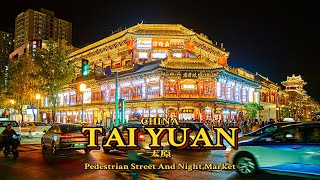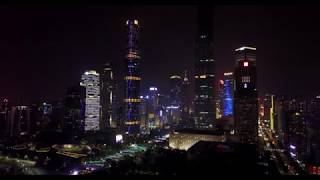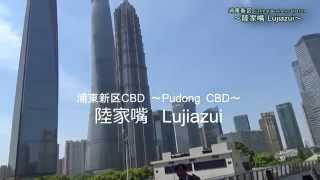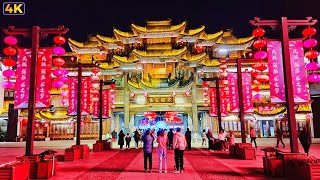
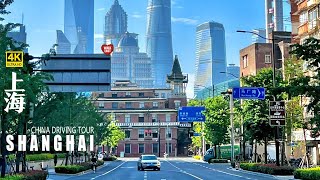
ShangHai night walk 2023

With Walk East ...

[640],shadow=true,start=,stop=

Shanghai is one of China's most dynamic and cosmopolitan cities, blending a rich history with modern skyscrapers and vibrant culture. Here's what you need to know as a tourist visiting Shanghai:

Historical and Cultural Landmarks:
The Bund: This iconic waterfront promenade along the Huangpu River features colonial-era buildings on one side and futuristic skyscrapers on the other, offering stunning views of Shanghai's skyline.

Yu Garden: Dating back to the Ming dynasty, Yu Garden is a classical Chinese garden with pavilions, ponds, and rockeries. The nearby Yu Garden Bazaar is a great place to shop for souvenirs and traditional crafts.

Shanghai Museum: Home to an extensive collection of Chinese art and artifacts, including bronzes, ceramics, paintings, and calligraphy, the Shanghai Museum is a must-visit for history and art enthusiasts.

Jing'an Temple: One of Shanghai's most famous Buddhist temples, Jing'an Temple is known for its beautiful architecture, peaceful atmosphere, and towering golden Buddha statue.

Modern Attractions:
Shanghai Tower: Ascend to the observation deck of this iconic skyscraper, the tallest in China and the second-tallest in the world, for panoramic views of the city.

The Oriental Pearl TV Tower: Another iconic landmark, this futuristic tower offers observation decks, a glass-bottomed skywalk, and a revolving restaurant.

Shanghai Disneyland: Located in the Pudong district, Shanghai Disneyland offers a magical experience for visitors of all ages with its themed lands, attractions, and entertainment.

Shopping and Entertainment:
Nanjing Road: One of the world's busiest shopping streets, Nanjing Road is lined with department stores, boutiques, and restaurants. Don't miss the nearby pedestrian-friendly Nanjing Road East, known for its lively atmosphere and street performers.

Xintiandi: This upscale shopping, dining, and entertainment district features a mix of traditional Shikumen-style buildings and modern amenities, making it a popular destination for locals and tourists alike.

French Concession: Explore this historic neighborhood known for its tree-lined streets, charming cafes, boutiques, and art galleries.

Culinary Delights:
Shanghai Cuisine: Sample local specialties such as xiaolongbao (soup dumplings), shengjianbao (pan-fried dumplings), and Shanghai-style noodles.

Street Food: Wander through the city's bustling food markets and snack streets to taste a variety of street foods, from savory pancakes to grilled skewers.

Practical Tips:
Transportation: Shanghai has an efficient public transportation system, including the subway, buses, and taxis. Consider purchasing a rechargeable transportation card for convenience.

Language: While Mandarin is the official language, English is widely spoken in tourist areas, hotels, and restaurants.

Weather: Shanghai experiences four distinct seasons, with hot, humid summers and chilly winters. The best times to visit are spring (March to May) and autumn (September to November) when the weather is mild and comfortable.

Etiquette: Respect local customs and traditions, such as using polite language and avoiding loud behavior in public places.

Shanghai offers a captivating blend of old and new, with its historic landmarks, modern skyscrapers, vibrant culture, and delectable cuisine. Whether you're interested in history, architecture, shopping, or dining, Shanghai has something to offer every type of visitor.

Related Videos


Featured Videos

MiuMiu at eight years old birthday – Pachelbel’s Canon in D, in rock guitar
Zhu Ni ShengRi KuaiLe (Happy Birthday to You) 祝你生日快乐 🎂 ! You rock 🎵 MiuMiu GuitarGirl's eighth birthday song. "I didn't expect that !" Thank you for the music :) 🎸 Awesome shredding - don't miss it ... Bonus film - SunnyDay (cover, Jay Chou) 周杰伦 晴天 翻唱 ... Plus - L'Internationale 国际歌 ... 'And this is my flamenco guitar masterclass' ... Guitar factory visit (fascinating) ... A Soft Heart | MiuMiu's MV 心太软 华语经典 ... Receiving a YouTube silver plaque ...
The fake left and colonialism in the new cold war
YT video comment - "the more freedom is pretended, the more propaganda is needed ..."
Fun trip to HaiNan 海南 and YunNan 云南 provinces
University exchange to SanYa University 三亚 大学 (SānYà DàXué), HaiNan, plus a trip to south YunNan ...
‘Socialism with Chinese characteristics’
A view by Professor Wolff ...
The US is trying to destabilize all of the BRICS countries
With Through The Eyes Of and Scott Ritter ...
The Spring Festival Gala 2019 – music and dance highlights
From CCTV / CGTN ...
Tibetan Buddhist music and landscape – Alan
Alan Dawa Dolma sings one of the most beautiful Tibetan Buddhist songs called Laydrei (Karma), in her angelic voice ...
A taste of China at home : Chilli Oil
Introduction: Chili oil is a versatile and flavorful condiment widely used in Chinese cuisine, particularly in SiChuan and HuNan dishes. It adds heat, depth and aroma to a variety of dishes, from noodles and stir-fries to dumplings and marinades. Making chili oil at home allows you to customize the flavors and heat level to your preference, and it's surprisingly simple to prepare, with just a few key ingredients. Ingredients: A neutral Oil: Choose a neutral oil with a high smoke point, such as canola oil, grape-seed oil, or peanut oil. This will serve as the base for the chili oil and carry the flavors of the aromatics and spices. Dried Chilies: Use dried chili peppers of your choice, such as Chinese facing-heaven chilies, Thai bird's eye chilies, or arbol chilies; but any will be fine. Adjust the quantity based on your preferred level of heat. If whole dried chilies, crumble into flakes. Some sliced fresh chilis can also be included. Sichuan Peppercorns: Optional but highly recommended for authentic Sichuan flavor. Sichuan peppercorns add a citrusy, floral aroma and a distinctive numbing sensation to the chili oil. Can be bought at a Chinese grocery store or online. Aromatics: Garlic, ginger, and scallions are common aromatics used in chili oil. They add depth and complexity to the flavor profile. Spices: Optional spices such as star anise and cloves can be added for additional flavor and complexity. Salt: A pinch of salt enhances the overall flavor of the chili oil. Method: Prepare the Ingredients: If using whole dried chilies, remove the stems and cut or tear them into smaller pieces. Peel and slice the garlic and ginger. Cut the scallions into small pieces. Infuse the oil: In a saucepan or skillet, heat the neutral oil over low to medium heat. Add the dried chilies, Sichuan peppercorns (if using), garlic, ginger, plus any optional spices. Cook gently, stirring occasionally, until the aromatics are fragrant and slightly golden, about 10-15 minutes. Cool the oil: Remove the pan from the heat and let the oil cool. This allows the flavors to infuse into the oil. Strain the oil: Once the oil has cooled, strain it through a fine-mesh sieve or cheesecloth into a clean container. Storage: In an airtight container, store the chili oil in a cool, dark place or in the refrigerator for longer shelf life. Tips: Adjust the quantity of dried chilies and SiChuan peppercorns to your preferred level of heat and numbing sensation. Experiment with different aromatics and spices to customize the flavor of your chili oil. A little sesame oil can be added at the end to further enhance the flavor and aroma of the chili oil. Toasted sesame oil, in particular, adds a rich, nutty flavor that complements the spices and aromatics. Be careful not to overheat the oil, as this can cause the aromatics and spices to burn and develop off-flavors. Enjoy your homemade chili oil drizzled over noodles, stir-fries, dumplings, or any dish that could use a spicy kick and aromatic depth! Give some to your friends and relatives : )
YongFu Temple, HangZhou
Located within the LingYing Scenic Area, the temple lies in a beautiful and tranquil setting. With Go Around China ...

Tag search ?