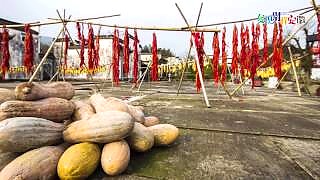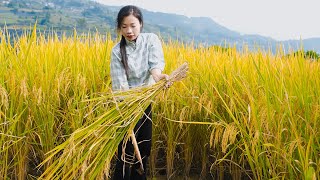
This is GuiZhou 贵州 province

GuìZhōu is a mountainous province in south China known for its ancient rural villages and diverse ethnic minority groups, including the Miao, Bai and Dong.

[640],shadow=true,start=,stop=
[320],shadow=true,start=1,stop= [320],shadow=true,start=1,stop=

ZhaoXing village and YinTan village * JiangBang rice terraces * GaoHua village * XiaoWeng village * BiaSha village * ZhanLi village * LangDe village * JiDao Miao village * ShiQiao village * PaiMuo village *

[320],shadow=true,start=50,stop= [350],shadow=true,start=50,stop=[350],shadow=true,start=50,stop=[350],shadow=true,start=50,stop=[350],shadow=true,start=50,stop=[350],shadow=true,start=50,stop=[350],shadow=true,start=50,stop=[350],shadow=true,start=50,stop=[350],shadow=true,start=50,stop=[350],shadow=true,start=50,stop=
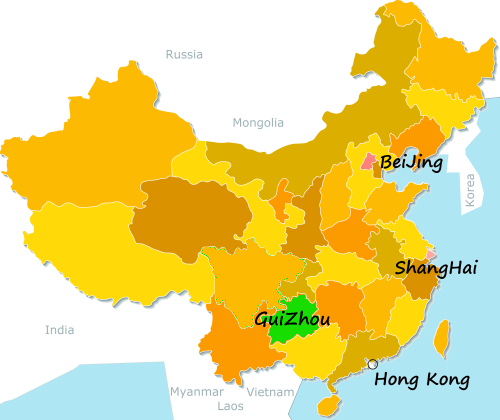
GuiZhou map
Related Videos


Featured Videos

Something different – Our beautiful Earth
Walk East in BeiJing – the Forbidden City, Summer Palace, Temple of Heaven
WuHan city night drive, HuBei province
With Walk East ...
A motorcycle trip through Inner Mongolia 内蒙古
The beautiful, wide-open grasslands of north China ... Bonus film - Mongolian music : 'Silent Sky' by the HAYA Band with DaiQing TaNa ...
ZhengZhou 郑州 and around, HeNan province
Explore the local sights and dishes with four lively Chinese girls from Singapore ...
Restoring ancient pottery for the Palace Museum
Closing ceremony of the ShenZhen 深圳 Universiade 2011 – video
Order : 1: Cultural performances 2: Cultural performances 3: Songs 4: National flags 5: Speeches 6: Handover to Kazan, Russian Federation The last two videos are a taster of the atmosphere inside the main stadium during the last week.
A trip to the sacred HuangShan Mountain 黃山, AnHui province
HuangShan is well known for its beautiful scenery, sunsets and sunrises, unusually shaped granite peaks, ancient pine trees, hot springs, winter snow, and views of the clouds from above. Some of the peaks rise more than 1,800 meters (6,000 feet). HuangShan is a frequent subject in traditional Chinese paintings and literature. HuangShan is a UNESCO World Heritage Site, and one of China's most popular tourist destinations. The HuangShan area is also noted for Chinese teas of high quality. In the first film, a group of photographers spend a week on the Yellow Mountain and show that patience and dedication pays off ...
How to eat Hot Pot 火锅 HuǒGuō, plus ingredients – in both Chinese script and pinyin
Hot pot dining is a communal and interactive meal enjoyed by many in China and beyond. A hot pot meal consists of a simmering broth into which fresh ingredients are cooked, then dipped into a sauce before eating, bit by bit. Meats are thinly sliced and can cook in just 20 seconds (be sure to cook only one slice at a time). One can have tomatoes or cucumber as a side dish to eat raw. Typically, the dipping sauce is sesame sprinkled with chopped spring onions though one add add various condiments such as chopped garlic. Spicy (Hot) Broth (麻辣汤 - Má là tāng): This broth is typically made with a combination of chili peppers, Sichuan peppercorns, garlic, ginger, and various spices. It's known for its fiery and numbing flavor, characteristic of Sichuan cuisine. It adds a spicy kick to the ingredients cooked in the hot pot, offering a tingling sensation on the palate. Non-Spicy (Not Hot) Broth (清汤 - Qīng tāng): This broth is a milder option compared to the spicy broth. It's often made with a clear or lightly flavored base, such as chicken, pork, or vegetable broth. It allows the natural flavors of the ingredients to shine through without the overpowering heat of spices. It's a popular choice for those who prefer a more subtle and refreshing taste. Two-in-One (Yuan Yang) Broth (鸳鸯锅 - Yuān yāng guō): The two-in-one broth offers the best of both worlds by dividing the hot pot into two sections, allowing diners to enjoy both spicy and non-spicy options simultaneously. One side typically contains the spicy broth, while the other side contains the non-spicy broth. It caters to groups with varying preferences, providing a versatile dining experience where everyone can find something they enjoy. Meat: * Beef: Niú Ròu (牛肉) * Lamb: Yáng Ròu (羊肉) * Chicken: Jī Ròu (鸡肉) Pork: Zhū Ròu (猪肉) Sausages: Xiāng Cháng (香肠) * Fish / Shrimp/Prawn Balls: Yú Qiú / Xiā Qiú (鱼球 / 虾球) Seafood: - Shrimp: Xiā (虾) - Fish: Yú (鱼) - Shellfish: Háimǔ (海蜇) - Mussels: Gēn Mǔli (蚌肉) - Squid: Yóu Yú (鱿鱼) Vegetables: * Coriander: Xīng Cài (香菜) Potato slices: TǔDòu (土豆) Tomatoes: Fān Qié (番茄) Cucumber: HuángGuā (黄瓜) Bean Sprouts: Dà Suàn (大蒜) Lotus Root: Lián'ǒu (莲藕) Bamboo Shoots: Zhú Sǔn (竹笋) Cabbage: Xīng Cài (白菜) Spinach: Bō Cài (菠菜) Mushrooms: - * Enoki Mushroom (long thin white): Jīn Zhēngū (金针菇) - * Shiitake Mushroom: Xiāng Gū (香菇) - Oyster Mushroom: Mù Ěr (木耳) - Wood Ear Mushroom: Xīng'ěr (杏鲍菇) - King Oyster Mushroom: Xìng Bàogū (杏鲍菇) Tofu: * Iced Tofu: Dòng Dòufu (冻豆腐) * Tofu Skin: Dòu Pí (豆皮) Firm Tofu: Làn Dòufu (蓝豆腐) Silken Tofu: Dòufu Rǔ (豆腐乳) Bean Curd Sheets: Dòu Piàn (豆片) Noodles: * Clear (bean) Noodles: Tāng Fěn (汤粉) Rice Noodles: Mǐ Fěn (米粉) Udon Noodles: Wǔdūn Miàn (乌冬面) Other Ingredients: * Dumplings: JiǎoZi (饺子) Eggs: Jī Dàn (鸡蛋) Fried Dough Sticks: Yóu Tiáo (油条) Sauce Bowl: * Sesame Sauce: Zhī Málà Jiàng (芝麻麻辣酱) Peanut Sauce: Huā Shēng Jiàng (花生酱) Condiments one can add to sauce bowl: * Scallions (chopped spring onions): Cōng Jiàng Yóu (葱酱油) Soy Sauce: Jiàng Yóu (酱油) Vinegar: Cù (醋) Chili Sauce: Làjiāo Jiàng (辣椒酱) Garlic Sauce: Sào Jiàng (臊酱) Sesame Oil: Zhī Yóu (芝麻油) Well known hot pot chains include XiaoBu XiaoBu and HaiDiLao but one can also enjoy many one-off independent restaurants.

Tag search ?