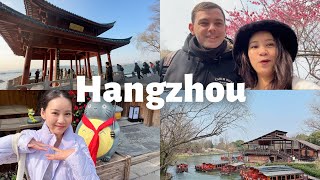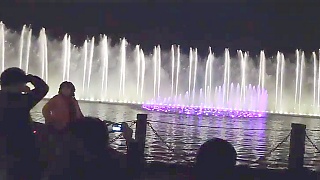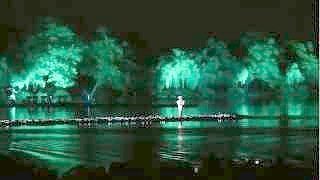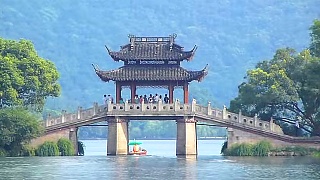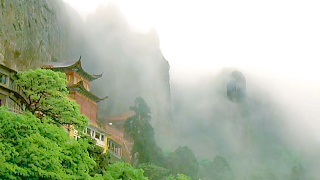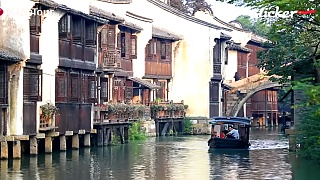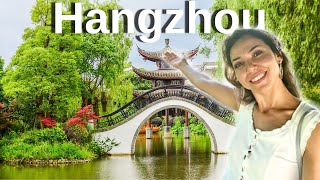
The West Lake 西湖, HangZhou 杭州

ZheJiang province.

A beautiful place to relax ...

[640],shadow=true,start=,stop=

Hangzhou, located in eastern China's Zhejiang province, is renowned for its picturesque West Lake, traditional tea culture, and historic sites. Here's a guide for tourists visiting Hangzhou:

West Lake and Scenic Areas:
West Lake (Xi Hu): This UNESCO World Heritage Site is the centerpiece of Hangzhou's natural beauty, with its serene waters, pagodas, gardens, and surrounding hills. Visitors can take boat cruises, stroll along the lakeside paths, or rent bicycles to explore the area.

Leifeng Pagoda: Situated on the southern shore of West Lake, this historic pagoda offers panoramic views of the lake and the city skyline.

Lingyin Temple (Temple of the Soul's Retreat): One of the most important Buddhist temples in China, Lingyin Temple features ancient rock carvings, serene courtyards, and a large statue of Buddha.

Xixi Wetland Park: Explore the tranquil waterways, traditional villages, and lush greenery of this scenic wetland park, located on the outskirts of Hangzhou.

Tea Culture:
Longjing (Dragon Well) Tea Plantations: Hangzhou is famous for producing Longjing tea, one of China's most prized green teas. Visitors can tour the tea plantations in the nearby hills, learn about the tea-making process, and sample freshly brewed Longjing tea.

National Tea Museum: Learn about the history, cultivation, and cultural significance of tea in China at this informative museum located on the outskirts of Hangzhou.

Historic and Cultural Sites:
Six Harmonies Pagoda (Liuhe Pagoda): This ancient pagoda offers panoramic views of the Qiantang River and the surrounding countryside. It also houses a small museum showcasing Buddhist artifacts.

Hefang Street (Qinghefang Ancient Street): Stroll along this historic street lined with traditional shops, teahouses, and snack stalls selling local delicacies and handicrafts.

China National Silk Museum: Discover the art of silk production and the history of the silk trade in China at this museum, which features exhibits on silk weaving, dyeing techniques, and cultural artifacts.

Modern Attractions:
Hangzhou Grand Canal: Take a boat cruise along the Grand Canal, the world's longest and oldest canal, to admire the historic architecture and bustling waterfront scenes.

Hangzhou CBD (Central Business District): Explore the modern side of Hangzhou with its skyscrapers, shopping malls, and vibrant nightlife.

Practical Tips:
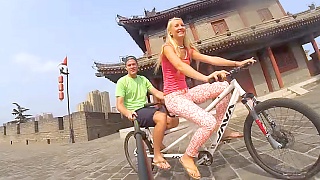
Transportation: Hangzhou has an extensive public transportation network, including buses, subways, and taxis. Bicycles and electric scooters are also popular options for getting around the city.

Weather: Hangzhou has a humid subtropical climate with hot, humid summers and mild, damp winters. Spring and autumn are the best times to visit when the weather is pleasant and the landscapes are at their most beautiful.

Language: Mandarin Chinese is the official language, but English may not be widely spoken outside of tourist areas. It's helpful to learn a few basic phrases or carry a translation app.

Hangzhou's blend of natural beauty, cultural heritage, and modern amenities makes it a captivating destination for tourists. Whether you're exploring historic sites, indulging in tea culture, or simply enjoying the tranquility of West Lake, Hangzhou offers a memorable experience for visitors of all interests.
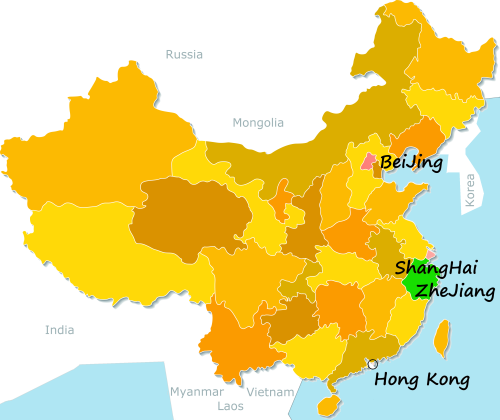
ZheJiang map

Related Videos


Featured Videos

Reunion dinner for Chinese New Year (YunNan)
With DianXi XiaoGe ...
On human rights, propaganda and trade – don’t miss it
With Jerry's Take on China ... YT comment : "It is win-win versus win-lose. Two very different mindsets". YT comment : "Propaganda is about decoupling what people 'know' from reality. Insanity is believing your own propaganda". YT comment : "A bully does not want competition at all. Rules are always bend to suit their own agenda and arms are twisted to coerce who is the big daddy on the playground. Moreover deploying half truth tactics or false flags to raise fear are common tactics in their playbook." YT comment : "Fear is the only reason the U.S. wanted to contain China. When tariffs failed, technology sanctions followed. When both tariffs and sanctions failed, de-coupling became the buzzword. And when de-coupling was found to hurt the U.S. economy more than China's, it was changed to de-risking which in effect means a "slow de-coupling" until a more appropriate time. And now, fear has invaded European minds and the Europeans want to adopt the American low-life tactics. Twenty years ago, American muscle cars and reliable Japanese cars plus reputable German, French and Swedish cars and even newbies from South Korea were selling like hot cakes in the Chinese market and each and every maker made a fortune in China. Nowadays, however, the U.S. has no hope of selling anything to China -- not only industrial products but also agricultural produce which are easily replaced by many other countries around the globe. Sooner or later, the world will be divided into 2 camps: one that embraces worldwide integration and the other a closed economy that fears competition. The acceleration of the de-dollarization movement will speed up the divide even further, to the point that it may break the world monetary system in half." Bonus films - on China's economy - with Peter Walker and Thinkers Forum ... On the Belt and Road Initiative and how it shows China's vision for Development - with BRIX Sweden and Stephen Brawer ...
LiuZhou 柳州 city, GuangXi province
A visual guide to QuanZhou 泉州, FuJian province
QuanZhou was once one of China's major ports for foreign traders. It was visited by Marco Polo who praised it as one of the most prosperous and glorious cities in the world. As its harbor is not suitable for larger ships, its significance as a port has reduced but retains abundant cultural heritage.
The beautiful Humble Administrator’s Garden in SuZhou, JiangSu province
With Lulu's Daily In China ... Humble Administrator's Garden Visitor Guide Overview The Humble Administrator's Garden, located in SuZhou, JiangSu province, is one of the most famous classical gardens in China. Built in the early 16th century during the Ming Dynasty, this garden is a masterpiece of Chinese landscape design, featuring beautiful pavilions, serene ponds, lush greenery, and exquisite rock formations. It is a UNESCO World Heritage Site and a must-visit destination for anyone interested in traditional Chinese garden art. History The garden was originally created by Wang XianChen, a retired government official, who sought to design a peaceful retreat for himself. Over the centuries, the garden changed hands multiple times, undergoing various renovations and expansions. Despite these changes, the garden has retained its original layout and classical elements, reflecting the aesthetics and philosophical principles of traditional Chinese gardens. Main Attractions Central Garden The Central Garden is the heart of the Humble Administrator's Garden, featuring a large pond surrounded by lush plants, winding paths, and elegant pavilions. Key highlights include: Lotus Pavilion: A beautiful structure overlooking the pond, offering a tranquil spot to enjoy the view of blooming lotus flowers in summer. Hall of Distant Fragrance: Named after the lotus flowers whose fragrance can be smelled from afar, this hall is one of the garden's main buildings, known for its elegant design. Eastern Garden The Eastern Garden features a series of smaller ponds, rockeries, and pavilions, creating a more intimate and secluded atmosphere. Notable features include: Small Flying Rainbow Bridge: A charming stone bridge that arches gracefully over a small pond. Hall of 36 Mandarin Ducks: Named after the mandarin ducks often seen in Chinese art, this hall offers picturesque views of the surrounding landscape. Western Garden The Western Garden is characterized by its open spaces and carefully arranged rockeries and plantings. Highlights include: Hall of the Thirty-Six Mandarin Ducks: Featuring beautiful carvings and a serene ambiance. GuanYun Peak: A striking rock formation representing a mountain peak, showcasing the garden's sophisticated use of stones. Architecture and Design The Humble Administrator's Garden exemplifies the principles of traditional Chinese garden design, which seeks to create harmony between nature and human-made structures. The garden's architecture and layout incorporate the following elements: Water Features: Ponds and streams are central to the garden's design, reflecting the sky and surrounding plants, and adding a sense of tranquility. Rockeries: Carefully arranged rocks and rock formations symbolize mountains and add a dynamic visual element to the landscape. Pavilions and Halls: These structures provide spaces for relaxation and contemplation, offering various perspectives of the garden. Plantings: A diverse array of plants, including bamboo, lotus, and seasonal flowers, enhance the garden's beauty and symbolize different virtues and qualities. Visiting Tips Best Time to Visit: The garden is beautiful year-round, but spring and summer are particularly lovely when flowers are in bloom. Autumn offers stunning foliage, and winter provides a peaceful, serene atmosphere. Opening Hours: The garden is open daily from 7:30 AM to 5:30 PM (hours may vary seasonally). Getting There: The garden is located in the heart of SuZhou and is easily accessible by public transportation or taxi. The nearest metro station is Lindun Road Station (Line 1). Guided Tours: Consider hiring a local guide or joining a guided tour to gain deeper insights into the garden's history, architecture, and cultural significance. Photography: The garden offers countless photo opportunities. Be sure to bring your camera and take your time capturing the beauty of the landscape. Respect the Environment: Help preserve the garden by not picking flowers, climbing on rocks, or littering. Respect the tranquility of the space and other visitors.
Health special 2 : diet and Covid; diet and statins
Metabolic disease from a poor or wrong diet is the underlying root cause of disease. But medicine is driven by profit and has a major influence on public policy. With Aseem Malhotra. Bonus film on big pharma and Covid rmna vaccines ...
Jane Zhang 張靚穎
A beautiful voice; a musical treat :) The multi award-winning, international superstar diva - the inimitable Jane Zhang ... 無法言喻 Indescribable Love - a charming music video天下無雙 (Tian Xia Wu Shuang) Unparalleled in this World - theme from the film Return of The Condor Heroes, 2006印象西湖 Impression West Lake, with composer Kitaro (see the stunning show with this name in HangZhou, set on the lake)
QinHuangDao 秦皇岛
Where the Great Wall of China meets the sea, HeBei province, east from BeiJing ...
Rap around BeiJing 北京 – videos
Good scenes from around BeiJing ...

Tag search ?