Related Videos


Featured Videos

West Lake 西湖 boat trip, HangZhou 杭州
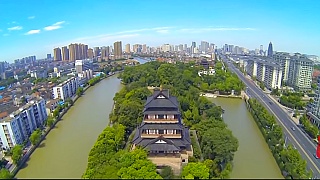
ZheJiang province. Xī Hú is a fresh water lake with the city on side. There are numerous temples, pagodas, gardens, bridges and artificial islands within and around the lake. West Lake is a UNESCO World Heritage Site as an outstanding example of Chinese garden arts and the guiding principle of harmony between human and nature.
Amazing, beautiful ZhangJiaJie 张家界
In HuNan province. Plus a detailed documentary film. Discover why to the Chinese nature is not just a pretty background, but that human life is rooted in nature; that nature is as a holy text of which we are a part ...
Chinese language : ‘Thank you’ and ‘you’re welcome’
Continuing our visitors' Chinese language guide ...
Exploring China 中国 – a solo backpacking adventure …
An (English-speaking) Italian explores the mountains and cities of China ... Part 1 : GuangZhou (GuangDong) | ShangHai | HangZhou (ZheJiang) Part 2 : HuangShan (AnHui) | JiuHuaShan (AnHui) | Xi'An (ShaanXi) Part 3 : Xi'An (ShaanXi) | HuaShan (ShaanXi) | HohHot (Inner Mongolia) Bonus film ... BeiJing, ShangHai, Xi'An, GuiLin ... Plus, even more bonus films, starting with - Diabolo around China ...
A guide to visiting HuangShan (Yellow Mountain), AnHui province
Huangshan, also known as the Yellow Mountains, is a renowned mountain range in southern Anhui Province. Famous for its stunning granite peaks, ancient pine trees, hot springs, and the mystical sea of clouds, Huangshan is a UNESCO World Heritage site and a popular destination for tourists and photographers. This guide provides an in-depth look at the best attractions, activities, and tips for visiting Huangshan. Top Attractions The Five Peaks of Huangshan Huangshan features several notable peaks, each offering unique scenery and experiences: Lotus Peak (Lianhua Peak): The highest peak at 1,864 meters, providing panoramic views and a challenging climb. Bright Summit (Guangming Ding): Known for its breathtaking sunrise and sunset views. Celestial Capital Peak (Tiandu Peak): Famous for its steep, narrow paths and stunning vistas. Purple Cloud Peak (Ziyun Peak): Offers a unique perspective of the mountain range. Beginning-to-Believe Peak (Shixin Peak): Known for its dense pine trees and excellent viewpoints. Sea of Clouds The Sea of Clouds is one of Huangshan's most spectacular phenomena. This natural wonder occurs when fog envelops the valleys and lower peaks, leaving the higher peaks to appear as islands floating in a white sea. Hot Springs The hot springs at the foot of Huangshan are famous for their therapeutic properties. The springs have been a popular attraction for centuries and provide a relaxing way to unwind after a day of hiking. Pine Trees The ancient pine trees of Huangshan are known for their unique shapes and resilience, often growing out of rocky crevices. The most famous of these is the Greeting Pine (Ying Ke Song), which appears to welcome visitors with its outstretched branches. Flying-Over Rock This balanced rock is perched precariously on a narrow ledge and is a popular spot for photography. The rock appears to defy gravity and offers incredible views of the surrounding peaks. Geology of Huangshan Huangshan's distinctive landscape is primarily composed of granite, which has been shaped by millions of years of geological activity. The mountain's sharp peaks, deep valleys, and unique rock formations are the result of tectonic uplift and erosion. The granite's resistance to weathering has created the dramatic, jagged peaks that characterize the region. Touring Huangshan Planning Your Visit A visit to Huangshan typically takes two to three days to fully appreciate the main highlights. Here is a suggested itinerary: Day 1: Arriving and Initial Exploration Morning: Arrive at Huangshan and take the Yungu Cable Car to the top. Check into a mountain hotel to drop off your luggage. Afternoon: Explore the Beginning-to-Believe Peak and enjoy the stunning views and unique pine trees. Evening: Watch the sunset from Bright Summit. Day 2: Main Peaks and Scenic Areas Early Morning: Wake up early to catch the sunrise from Bright Summit. Mid-Morning: Hike to Lotus Peak, the highest peak, for panoramic views. Afternoon: Visit Flying-Over Rock and take in the stunning views of the sea of clouds if conditions are right. Evening: Relax at the mountain hotel or explore more of the scenic spots at a leisurely pace. Day 3: Descending and Hot Springs Morning: Take the Yungu Cable Car down to the base of the mountain. Mid-Morning: Visit the hot springs at the base of the mountain for a relaxing soak. Afternoon: Explore the nearby ancient villages such as Hongcun or Xidi before departing. Activities and Experiences Hiking Huangshan offers a variety of hiking trails ranging from easy walks to challenging climbs. The trails are well-marked and offer breathtaking views at every turn. Popular routes include the circular path that covers the major peaks and the hike from the base to the summit. Photography The dramatic landscapes of Huangshan provide endless opportunities for photography. Key spots include the Sea of Clouds, the unique pine trees, and the panoramic views from the peaks. Local Cuisine After a day of hiking, enjoy local Anhui cuisine, known for its use of fresh ingredients and rich flavors. Specialties include stinky tofu, mandarin fish, and bamboo shoots. There are several restaurants and food stalls at the base of the mountain and near the cable car stations. Travel Tips Best Time to Visit The best times to visit Huangshan are spring (April to June) and autumn (September to November) when the weather is mild and the scenery is at its most vibrant. Summer can be hot and crowded, while winter offers fewer tourists and the chance to see the mountains covered in snow. Getting There Huangshan is accessible by train, bus, and air. The nearest city is Huangshan City (Tunxi), from where you can take a bus or taxi to the mountain. Huangshan Tunxi International Airport has flights from major Chinese cities, and the Huangshan North Railway Station is connected to the high-speed rail network. Accommodation Accommodation options range from budget hostels to mid-range hotels in Huangshan City and near the mountain. For a unique experience, consider staying overnight on the mountain in a guesthouse or hotel, which allows you to catch the sunrise and sunset from the peaks. Tickets and Passes Purchase entrance tickets at the mountain's gates. There are separate tickets for the cable cars and hot springs. Consider buying a multi-day pass if you plan to explore all the main peaks and scenic areas. Guides and Tours Hiring a local guide can enhance your experience by providing insights into the mountain's history, culture, and geology. Many tour operators offer packages that include transportation, tickets, and guided tours.
GuanDi Temple (Temple of Guan Yu), DaTong, ShanXi province
With Andy see the World ... Guandi Temple (关帝庙), commonly referred to as the Grand Temple, is dedicated to the worship of Guan Yu, a revered general from the Three Kingdoms period. Originally built during the Yuan Dynasty, the temple remarkably retains its original Yuan Dynasty hall, making it the only surviving Yuan Dynasty structure within the Datong Ancient City. The architectures in the scenic area include: Shanmen (Mountain Gate): The entrance to Guandi Temple is marked by the Shanmen, a three-bay wide structure with a suspended mountain-style roof. The gate is adorned with a couplet inscribed on it, reading “Loyalty to the Han dynasty in the three kingdoms, ambition in one book of Spring and Autumn,” which reflects the values and aspirations attributed to Guan Yu. Chongsheng Hall (Passing Hall): Inside the Chongsheng Hall, a majestic bronze statue of Guan Yu riding a horse dominates the space. Standing at 3.3 meters tall and weighing two tons, the statue exudes the heroic and commanding presence of Guan Yu as a military leader. Main Hall (Wusheng Hall): The Wusheng Hall is the central structure of the temple complex, notable for its single-eave nine-ridge roof covered with glittering glazed tiles. The interior of the hall features a three-bay shrine at the front, connected by two finely carved golden columns. The shrine includes intricate wooden niches designed in the style of ancient wooden structures, with detailed carvings and a double-eave hip-and-gable roof. The niches are adorned with decorative patterns, and the space is embellished with colored paintings and gold-plated elements, showcasing the exquisite craftsmanship of the Qing Dynasty. Jieyi Garden (Brotherhood Garden): Located in the west courtyard, Jieyi Garden houses the Jieyi Hall and the Wuhou Shrine. In spring, the garden comes alive with blossoming peach flowers, filling the air with a delightful fragrance. Guandi Temple (Temple of Guan Yu), Datong Guandi Temple, also known as the Temple of Guan Yu, is a historic and culturally significant site located in Datong, Shanxi province. Dedicated to Guan Yu, a legendary general from the Three Kingdoms period, the temple is a testament to his enduring legacy as a symbol of loyalty, righteousness, and bravery. Here’s a detailed guide to everything you need to know about this remarkable temple. History and Background The Guandi Temple in Datong dates back to the Yuan Dynasty (1271–1368), with subsequent renovations during the Ming (1368–1644) and Qing (1644–1912) dynasties. Guan Yu, the temple’s namesake, was a revered general during the Three Kingdoms period and later deified as a god of war and loyalty. The temple was built to honor his virtues and has since become a place of worship and cultural significance. Architecture and Layout The temple is a fine example of traditional Chinese temple architecture, featuring: Grand Hall (Main Hall): The central hall houses a large statue of Guan Yu, depicted in his iconic pose with a long beard and a guandao (a type of pole weapon). Stone Tablets: Inscriptions on stone tablets detail the history of the temple and the life of Guan Yu. Courtyards: The temple complex includes several courtyards, each with its own unique features, such as ancient trees and decorative carvings. Roof Decorations: The roofs are adorned with intricate glazed tiles and statues of mythical creatures, symbolizing protection and good fortune. Main Attractions Here’s a detailed look at the must-see spots within the Guandi Temple: 1. Statue of Guan Yu The centerpiece of the temple is the imposing statue of Guan Yu, which stands in the Grand Hall. The statue is crafted with meticulous detail, showcasing Guan Yu’s威严 (majestic presence) and his iconic weapon, the Green Dragon Crescent Blade. 2. Stone Tablets and Inscriptions Scattered throughout the temple, these tablets provide historical insights into Guan Yu’s life and the temple’s construction. Some inscriptions are written in ancient calligraphy, adding to the temple’s cultural value. 3. Ancient Trees The temple grounds are home to several ancient trees, some of which are hundreds of years old. These trees add to the serene and timeless atmosphere of the temple. 4. Decorative Carvings The temple features intricate wood and stone carvings, depicting scenes from Chinese mythology and Guan Yu’s legendary exploits. These carvings are a testament to the skill and artistry of ancient Chinese craftsmen. Cultural Significance Guandi Temple is not just a place of worship but also a cultural landmark that reflects the values of loyalty, righteousness, and bravery embodied by Guan Yu. Key cultural aspects include: Worship of Guan Yu: Guan Yu is worshipped as a god of war, loyalty, and righteousness, and is also considered a protector of businesses. Visitors often pray for success, protection, and good fortune. Festivals and Rituals: During important festivals, such as Guan Yu’s Birthday (24th day of the 6th lunar month), the temple hosts ceremonies and performances. These events attract devotees and tourists alike, creating a vibrant atmosphere. Symbolism: The temple’s architecture and artifacts are rich in symbolism, reflecting traditional Chinese beliefs and values. How to Get There Guandi Temple is located in the heart of Datong, making it easily accessible: By Public Transport: Take a local bus or taxi to the temple. It’s a short ride from Datong’s city center. By Car: If you’re driving, parking is available near the temple. Best Time to Visit Spring (April–June): Pleasant weather and blooming flowers make this an ideal time to visit. Autumn (September–October): Cool temperatures and clear skies provide perfect conditions for exploring. During Festivals: Visiting during Guan Yu’s Birthday or other festivals offers a unique cultural experience. Travel Tips Dress Modestly: As a place of worship, it’s respectful to dress modestly when visiting the temple. Respect Local Customs: Follow temple etiquette, such as not touching artifacts and maintaining a quiet demeanor. Hire a Guide: Consider hiring a local guide to gain deeper insights into the temple’s history and significance. Combine with Other Attractions: Datong is home to other famous sites like the Yungang Grottoes and Hanging Temple, so plan a combined itinerary. Why Visit Guandi Temple? Guandi Temple is a must-visit destination for: History Enthusiasts: Learn about Guan Yu’s legendary life and the temple’s rich history. Cultural Explorers: Experience traditional Chinese architecture, art, and religious practices. Spiritual Seekers: Pay homage to Guan Yu and seek blessings for loyalty, success, and protection. Whether you’re drawn by history, culture, or spirituality, Guandi Temple in Datong offers a fascinating and enriching experience.
A weekend in HangZhou 杭州
Join Tim and Glo as they visit West Lake, the LongJing tea terraces, chill out with a hot-pot (that's chilli not tomato, btw) and more in HangZhou, ZheJiang province, east China, just 120 miles / 180 km from ShangHai ... What better way to end a misty, rainy day at the lake than a Hot Pot ... Bonus film - back in ShangHai, popping out for fried rice and chicken street food take away, passing the Bund and YuYuan Gardens by bicycle ...
This is KaiFeng 开封, HeNan province
KāiFēng was once the capital of the Song dynasty, and is one of the Eight Ancient Capitals of China. Located along the southern bank of the Yellow River, it borders the provincial capital of ZhengZhou to the west.
On the 20th anniversary of the US invasion of Iraq
With Scott Ritter ... With The Grayzone ... With Double Down News ...

Tag search ?