The Road Home (movie extract)

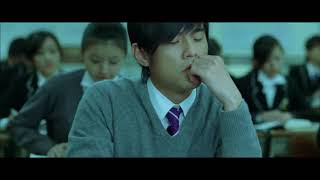
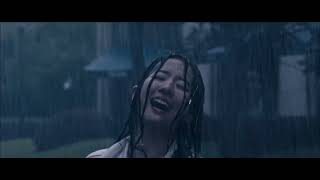
The Road Home is a 1999 film directed by Zhang Yimou.


The Road Home was written by author Bao Shi, who adapted the screenplay from his novel, Remembrance. The film marked the cinematic debut of actress Zhang ZiYi. Also starred Sun HongLei.


Winner:Grand Prix Silver Bear Berlin Film Festival 2000. Winner:Audience Award World Cinema Sundance Film Festival 2001.


[640],shadow=true,start=,stop=

Related Videos


Featured Videos

Lavender Manor, NingXia
A trip to KunMing, ‘Spring City’, capital of YunNan province
With Feeding Foca ... Welcome to KunMing: The Spring City KunMing, the capital of YunNan province, is known for its pleasant climate, rich history, and stunning natural scenery. This guide will help you explore the best of what KunMing has to offer. Top Attractions in KunMing Stone Forest (Shilin) A UNESCO World Heritage Site, the Stone Forest is a remarkable natural wonder featuring towering limestone formations. It's located about 90 kilometers from KunMing and is a must-visit for nature lovers. Dianchi Lake Dianchi Lake, also known as KunMing Lake, is the largest freshwater lake in Yunnan. Visitors can enjoy boating, walking along the lakeside, and visiting nearby temples. Green Lake Park (Cuihu Park) Located in the heart of KunMing, Green Lake Park is a peaceful retreat with beautiful lotus ponds, pavilions, and walking paths. It's a great spot for relaxation and people-watching. Yuantong Temple Yuantong Temple is one of the oldest Buddhist temples in KunMing, dating back over 1,200 years. The temple features a unique layout with a large pond in the center and beautiful architecture. Local Cuisine KunMing is famous for its diverse and flavorful cuisine. Here are some must-try dishes: Crossing the Bridge Noodles (Guo Qiao Mi Xian) A traditional Yunnan dish consisting of a bowl of hot broth, rice noodles, and various toppings like meat, vegetables, and herbs. The dish is served with the ingredients separate, allowing you to mix them as you like. Steam Pot Chicken (Qi Guo Ji) This dish is cooked in a unique clay pot that traps steam, resulting in tender and flavorful chicken. It's often served with medicinal herbs for added health benefits. Yunnan Rice Cakes (Er Kuai) These chewy rice cakes are a staple in Yunnan cuisine. They can be stir-fried, grilled, or served in soups. Transportation KunMing is well-connected and easy to navigate. Here are some transportation options: KunMing Changshui International Airport The airport is located about 25 kilometers from the city center and offers domestic and international flights. Taxis and airport shuttles are available for transportation to the city. Public Buses KunMing has an extensive public bus network that covers most of the city. Buses are affordable and a convenient way to get around. Metro KunMing's metro system is modern and efficient, with several lines connecting key areas of the city. It's a great option for avoiding traffic. Taxis and Ride-Hailing Taxis are widely available, and ride-hailing apps are popular in KunMing. They offer a convenient way to travel, especially for shorter distances. Best Time to Visit KunMing is known as the "Spring City" due to its mild climate year-round. However, the best time to visit is from March to October, when the weather is most pleasant and the flowers are in full bloom. Tips for Visitors Wear comfortable shoes, as many attractions involve walking or hiking. Bring sunscreen and a hat, as the sun can be strong, especially at higher altitudes. Learn a few basic Mandarin phrases, as English is not widely spoken outside tourist areas. Respect local customs and traditions, especially when visiting temples and religious sites. Enjoy your trip to KunMing!
50 places to visit in ShenZhen
ShenZhen: 20 Kid-Friendly Places to Visit Window of the World (世界之窗 Shìjiè Zhī Chuāng): Theme park with replicas of famous landmarks from around the world. Happy Valley (欢乐谷 Huānlègǔ): Amusement park with rides, shows, and attractions for all ages. Shenzhen Safari Park (深圳野生动物园 Shēnzhèn Yěshēng Dòngwùyuán): Safari park with a variety of animals, shows, and interactive experiences. Sea World (海上世界 Hǎishàng Shìjiè): Waterfront area with restaurants, shops, and entertainment venues. Shenzhen Children's Palace (深圳市少年宫 Shēnzhèn Shì Shàonián Gōng): Cultural center offering classes, workshops, and performances for children. Fairy Lake Botanical Garden (仙湖植物园 Xiān Hú Zhíwùyuán): Botanical garden with plant collections, walking trails, and scenic landscapes. Shenzhen Splendid China Folk Village (深圳锦绣中华民俗村 Shēnzhèn Jǐnxiù Zhōnghuá Mínsú Cūn): Theme park with exhibits on Chinese culture, history, and traditions. Shenzhen Mangrove Nature Reserve (深圳红树林自然保护区 Shēnzhèn Hóngshùlín Zìrán Bǎohù Qū): Nature reserve with mangrove forests, boardwalks, and birdwatching. Dameisha Beach (大梅沙海滨公园 Dà Méishā Hǎibīn Gōngyuán): Beach park with sandy shores, water sports, and seaside attractions. Xiaomeisha Beach (小梅沙海滨公园 Xiǎo Méishā Hǎibīn Gōngyuán): Beach park with swimming areas, water slides, and recreational facilities. Shenzhen Lianhuashan Park (深圳莲花山公园 Shēnzhèn Liánhuā Shān Gōngyuán): Park with gardens, temples, and scenic views of the city. Shenzhen Children's Library (深圳市少年儿童图书馆 Shēnzhèn Shì Shàonián Értóng Túshūguǎn): Library with children's books, storytelling sessions, and educational activities. Shenzhen Science Museum (深圳科技馆 Shēnzhèn Kējìguǎn): Museum with interactive exhibits, experiments, and demonstrations on science and technology. Shenzhen Happy Harbor (深圳欢乐港湾 Shēnzhèn Huānlè Gǎngwān): Waterfront area with shops, restaurants, and entertainment options for families. Shenzhen Museum (深圳博物馆 Shēnzhèn Bówùguǎn): Museum with exhibits on Shenzhen's history, culture, and development. Shenzhen International Garden and Flower Expo Park (深圳国际园林花卉博览园 Shēnzhèn Guójì Yuánlín Huāhuì Bólǎn Yuán): Park with botanical gardens, flower displays, and cultural events. Shenzhen Poly Theatre (深圳保利剧院 Shēnzhèn Bǎolì Jùyuàn): Performing arts venue with theater productions, concerts, and shows suitable for families. Shenzhen OCT Harbour (深圳华侨城欢乐港湾 Shēnzhèn Huáqiáochéng Huānlè Gǎngwān): Waterfront area with shopping, dining, and entertainment options overlooking the bay. Shenzhen Guanlan Printmaking Base (深圳观澜版画基地 Shēnzhèn Guānlán Bǎnhuà Jīdì): Art village with printmaking studios, galleries, and workshops. Shenzhen Fairy Lake Botanical Garden (深圳仙湖植物园 Shēnzhèn Xiān Hú Zhíwùyuán): Botanical garden with plant collections, walking trails, and scenic landscapes. ShenZhen: 30 More Places to Visit Shenzhen Window of the World (深圳世界之窗 Shēnzhèn Shìjiè Zhī Chuāng): Theme park with replicas of famous landmarks from around the world. Shenzhen Happy Valley (深圳欢乐谷 Shēnzhèn Huānlègǔ): Amusement park with rides, shows, and attractions for all ages. Shenzhen Safari Park (深圳野生动物园 Shēnzhèn Yěshēng Dòngwùyuán): Safari park with a variety of animals, shows, and interactive experiences. Shenzhen Sea World (深圳海上世界 Shēnzhèn Hǎishàng Shìjiè): Waterfront area with restaurants, shops, and entertainment venues. Shenzhen Children's Palace (深圳市少年宫 Shēnzhèn Shì Shàonián Gōng): Cultural center offering classes, workshops, and performances for children. Shenzhen Fairy Lake Botanical Garden (深圳仙湖植物园 Shēnzhèn Xiān Hú Zhíwùyuán): Botanical garden with plant collections, walking trails, and scenic landscapes. Shenzhen Splendid China Folk Village (深圳锦绣中华民俗村 Shēnzhèn Jǐnxiù Zhōnghuá Mínsú Cūn): Theme park with exhibits on Chinese culture, history, and traditions. Shenzhen Mangrove Nature Reserve (深圳红树林自然保护区 Shēnzhèn Hóngshùlín Zìrán Bǎohù Qū): Nature reserve with mangrove forests, boardwalks, and birdwatching. Shenzhen Dameisha Beach (深圳大梅沙海滨公园 Shēnzhèn Dà Méishā Hǎibīn Gōngyuán): Beach park with sandy shores, water sports, and seaside attractions. Shenzhen Xiaomeisha Beach (深圳小梅沙海滨公园 Shēnzhèn Xiǎo Méishā Hǎibīn Gōngyuán): Beach park with swimming areas, water slides, and recreational facilities. Shenzhen Lianhuashan Park (深圳莲花山公园 Shēnzhèn Liánhuā Shān Gōngyuán): Park with gardens, temples, and scenic views of the city. Shenzhen Children's Library (深圳市少年儿童图书馆 Shēnzhèn Shì Shàonián Értóng Túshūguǎn): Library with children's books, storytelling sessions, and educational activities. Shenzhen Science Museum (深圳科技馆 Shēnzhèn Kējìguǎn): Museum with interactive exhibits, experiments, and demonstrations on science and technology. Shenzhen Happy Harbor (深圳欢乐港湾 Shēnzhèn Huānlè Gǎngwān): Waterfront area with shops, restaurants, and entertainment options for families. Shenzhen Museum (深圳博物馆 Shēnzhèn Bówùguǎn): Museum with exhibits on Shenzhen's history, culture, and development. Shenzhen International Garden and Flower Expo Park (深圳国际园林花卉博览园 Shēnzhèn Guójì Yuánlín Huāhuì Bólǎn Yuán): Park with botanical gardens, flower displays, and cultural events. Shenzhen Poly Theatre (深圳保利剧院 Shēnzhèn Bǎolì Jùyuàn): Performing arts venue with theater productions, concerts, and shows suitable for families. Shenzhen OCT Harbour (深圳华侨城欢乐港湾 Shēnzhèn Huáqiáochéng Huānlè Gǎngwān): Waterfront area with shopping, dining, and entertainment options overlooking the bay. Shenzhen Guanlan Printmaking Base (深圳观澜版画基地 Shēnzhèn Guānlán Bǎnhuà Jīdì): Art village with printmaking studios, galleries, and workshops. Shenzhen Fairy Lake Botanical Garden (深圳仙湖植物园 Shēnzhèn Xiān Hú Zhíwùyuán): Botanical garden with plant collections, walking trails, and scenic landscapes. Shenzhen Window of the World (深圳世界之窗 Shēnzhèn Shìjiè Zhī Chuāng): Theme park with replicas of famous landmarks from around the world. Shenzhen Happy Valley (深圳欢乐谷 Shēnzhèn Huānlègǔ): Amusement park with rides, shows, and attractions for all ages. Shenzhen Safari Park (深圳野生动物园 Shēnzhèn Yěshēng Dòngwùyuán): Safari park with a variety of animals, shows, and interactive experiences. Shenzhen Sea World (深圳海上世界 Shēnzhèn Hǎishàng Shìjiè): Waterfront area with restaurants, shops, and entertainment venues. Shenzhen Children's Palace (深圳市少年宫 Shēnzhèn Shì Shàonián Gōng): Cultural center offering classes, workshops, and performances for children. Shenzhen Fairy Lake Botanical Garden (深圳仙湖植物园 Shēnzhèn Xiān Hú Zhíwùyuán): Botanical garden with plant collections, walking trails, and scenic landscapes. Shenzhen Splendid China Folk Village (深圳锦绣中华民俗村 Shēnzhèn Jǐnxiù Zhōnghuá Mínsú Cūn): Theme park with exhibits on Chinese culture, history, and traditions. Shenzhen Mangrove Nature Reserve (深圳红树林自然保护区 Shēnzhèn Hóngshùlín Zìrán Bǎohù Qū): Nature reserve with mangrove forests, boardwalks, and birdwatching.
XiaMen city view
A beautiful port city in southeast China's FuJian province ...
The awesome ChengDe – China’s ancient royal summer retreat / mountain resort
With CGTN / Travelogue ... The eight surrounding temples - with Beijing Old Liu ... With Silver Walks ... ChengDe visitor guide Overview ChengDe, located in HeBei province, is home to China's ancient royal summer retreat, known as the ChengDe Mountain Resort. This UNESCO World Heritage Site is a historical complex of palaces, gardens, and temples used by the Qing dynasty emperors as a summer escape. The resort, surrounded by beautiful natural landscapes, showcases the grandeur and elegance of Chinese imperial architecture. History Construction of the ChengDe Mountain Resort began in 1703 under the reign of Emperor Kangxi of the Qing dynasty and took nearly 90 years to complete. The resort served as a summer residence for Qing emperors, providing a cooler climate and a peaceful retreat from the summer heat of Beijing. It also served as a political center for managing affairs with ethnic minorities and foreign dignitaries. Main Attractions Rehe Palace The Rehe Palace is the central area of the ChengDe Mountain Resort, where the emperors conducted state affairs and received guests. The palace complex includes several halls and pavilions, each with its unique architectural features and historical significance. Lake Area The lake area of the resort is a serene and picturesque section featuring a series of interconnected lakes and islands. The lakes are surrounded by pavilions, bridges, and gardens, offering stunning views and a peaceful ambiance. Plain Area The plain area is an expansive open space designed to mimic the landscapes of the northern grasslands. It includes grazing areas, hunting grounds, and fields used for archery and other activities. The area reflects the Qing emperors' admiration for the vast, open plains of their Manchu heritage. Temple of Universal Peace (PuNing Temple) The Temple of Universal Peace, also known as PuNing Temple, is one of the Eight Outer Temples built around the ChengDe Mountain Resort. The temple is famous for its large wooden statue of Avalokitesvara (Guanyin) and its beautiful architectural blend of Han and Tibetan styles. Temple of Putuo Zongcheng The Temple of Putuo Zongcheng, inspired by the Potala Palace in Tibet, is another significant temple near the resort. It was built to celebrate the emperor's birthday and to strengthen ties with Tibetan Buddhism. The temple complex is an impressive display of Tibetan-style architecture. Culture and Traditions ChengDe Mountain Resort and its surrounding temples are a testament to the Qing dynasty's cultural and religious diversity. The site reflects the harmonious coexistence of Han Chinese, Tibetan, Mongolian, and other ethnic traditions. Visitors can witness traditional Chinese architecture, Tibetan Buddhist art, and Mongolian cultural elements, all within the resort complex. Activities and Experiences Guided Tours Consider joining a guided tour to explore the ChengDe Mountain Resort and its temples. Knowledgeable guides provide insights into the history, architecture, and cultural significance of the site, enhancing your visit. Hiking and Nature Walks The resort is surrounded by beautiful natural landscapes, including mountains, forests, and rivers. Visitors can enjoy hiking and nature walks along the well-maintained trails, offering stunning views and a chance to appreciate the area's natural beauty. Local Cuisine While in ChengDe, be sure to sample the local cuisine. The region is known for its unique dishes, such as ChengDe roasted lamb, Manchu-style hotpot, and various traditional snacks. Local restaurants and food stalls offer a taste of authentic HeBei flavors. Accommodation ChengDe offers a range of accommodation options, from luxury hotels to budget-friendly guesthouses. Staying in a local hotel provides convenient access to the resort and other attractions in the area. Many hotels offer traditional Chinese decor and modern amenities, ensuring a comfortable and memorable stay. Travel Tips Best Time to Visit: The best time to visit ChengDe is during spring (April to June) and autumn (September to November) when the weather is mild and the scenery is at its best. Getting There: ChengDe is accessible by train or bus from Beijing. The high-speed train from Beijing to ChengDe takes approximately 2 hours. Local transportation options include taxis and buses. Opening Hours: The ChengDe Mountain Resort is open daily from 8:00 AM to 5:00 PM. The surrounding temples have similar opening hours. Entrance Fees: There is an entrance fee for the ChengDe Mountain Resort and additional fees for visiting the surrounding temples. Combo tickets are available for multiple attractions. Dress Comfortably: Wear comfortable walking shoes and dress in layers, as the weather can change quickly, especially in the mountainous areas. Respect Local Customs: When visiting temples and historical sites, be respectful of local customs and traditions. Always ask for permission before taking photos of people.
ShuHe ancient town, YunNan province
With DuckTravel ...
ShangHai 上海 from the sky
Fat Fiction – healthy nutrition documentary
Why the 'low fat diet recommendation' has killed millions and which fats are good and which are deadly. With Mark Hyman, Jason Fung, and more ...
‘Socialism with Chinese characteristics’
A view by Professor Wolff ...

Tag search ?