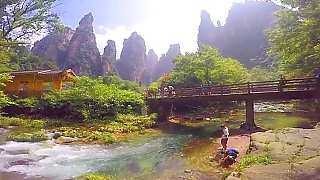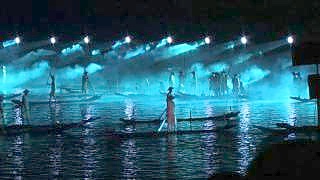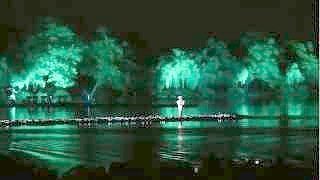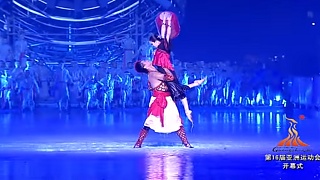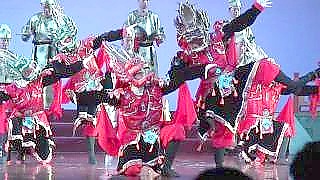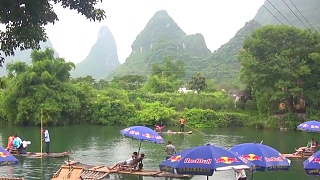
Beautiful scenes from the outdoor show ‘Liu SanJie’ 刘三姐

YangShuo, GuangXi province.

[640],shadow=true,start=,stop=

Yangshuo, situated in Guangxi Zhuang Autonomous Region in southern China, is renowned for its breathtaking karst landscapes, serene rivers, and vibrant local culture. Here's a guide for visitors to Yangshuo:

Natural Beauty:
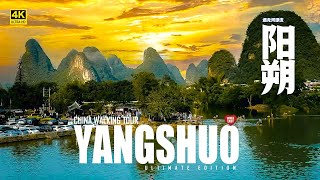
Karst Mountains: Yangshuo is famous for its iconic karst mountains, which rise sharply from the surrounding plains, creating a dramatic and picturesque landscape. Visitors can explore these unique limestone formations by hiking, biking, or taking boat cruises along the Li River.

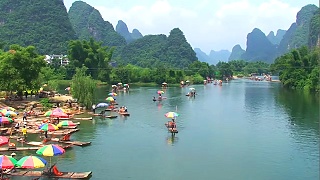
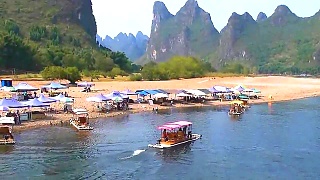
Li River: The Li River, one of China's most scenic waterways, meanders through the karst mountains of Yangshuo, offering stunning vistas at every turn. A leisurely boat cruise along the Li River is a must-do activity for visitors, providing opportunities to admire the breathtaking scenery and capture iconic views of the karst peaks reflected in the water.

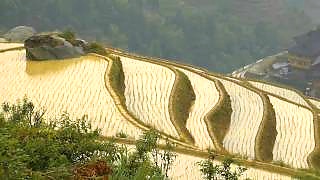
Yulong River: The Yulong River, a tributary of the Li River, is another picturesque waterway that flows through Yangshuo's countryside. Visitors can enjoy bamboo rafting or kayaking on the Yulong River, passing through idyllic villages, rice paddies, and bamboo groves along the way.

Outdoor Activities:
Cycling: Yangshuo is a cyclist's paradise, with scenic countryside roads and trails that wind through rice fields, orchards, and traditional villages. Renting a bicycle and exploring the surrounding countryside at a leisurely pace is a popular activity for visitors.

Rock Climbing: With its towering karst cliffs and limestone peaks, Yangshuo is a premier rock climbing destination in China. Experienced climbers and beginners alike can find suitable routes and climbing spots in the area, with options for guided tours and equipment rental available.

Cultural Experiences:
West Street: West Street (Xi Jie) is the main thoroughfare in Yangshuo's town center and a hub of activity for tourists and locals alike. Lined with shops, restaurants, cafes, and bars, West Street offers a vibrant atmosphere and is a great place to shop for souvenirs, sample local cuisine, and soak in the town's unique charm.

Impression Sanjie Liu: Directed by renowned filmmaker Zhang Yimou, Impression Sanjie Liu is a spectacular outdoor performance staged on the Li River. Featuring a cast of hundreds of performers, including local fishermen and farmers, the show combines music, dance, and light effects to showcase the natural beauty and cultural heritage of the area.

Practical Tips:
Weather: Yangshuo has a subtropical climate with mild winters and hot, humid summers. The best time to visit is during the spring (March to May) and autumn (September to November) when the weather is most pleasant and the landscapes are lush and green.

Accommodation: Yangshuo offers a range of accommodation options, including guesthouses, boutique hotels, and hostels catering to various budgets and preferences. Staying in the town center allows visitors to easily access attractions, restaurants, and transportation options.

Local Cuisine: Don't miss the opportunity to sample Yangshuo's delicious local cuisine, which includes specialties such as beer fish and Guilin rice noodles. Many restaurants in Yangshuo offer outdoor seating with panoramic views of the surrounding karst landscape.

Yangshuo's stunning natural scenery, outdoor activities, and vibrant cultural scene make it a popular destination for travelers seeking to explore the beauty of southern China. Whether cruising along the Li River, cycling through the countryside, or immersing oneself in the town's bustling street life, Yangshuo offers unforgettable experiences for visitors of all ages and interests.
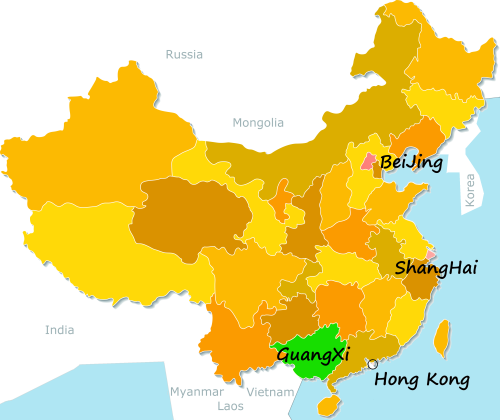

GuangXi map

Related Videos


Featured Videos

The ancient ShanTang River and ShanTang Street, SuZhou, JiangSu province
With Pandaland Villager ... Visitor Guide to ShanTang River and ShanTang Street, SuZhou Overview ShanTang River and ShanTang Street, located in SuZhou, JiangSu Province, are renowned for their picturesque beauty and historical significance. Often referred to as the "Venice of the East," ShanTang Street is a perfect blend of traditional Chinese architecture, serene waterways, and vibrant local culture, making it a must-visit destination. Historical Background of ShanTang River ShanTang River, also known as the "Seven-Li Shantang," was originally constructed in 825 AD during the Tang Dynasty. The construction was overseen by Bai Juyi, a renowned poet and the then governor of SuZhou. The canal was built to connect SuZhou city with HuQiu (Tiger Hill), facilitating trade and transportation while providing a scenic route for travelers. The project was an ambitious undertaking aimed at promoting economic development and improving water management in the region. The construction of the canal also helped to control flooding and provided a reliable source of water for irrigation, which was crucial for local agriculture. Over the centuries, ShanTang River became a vital artery for the transportation of goods and people. It also served as a cultural hub, with the development of markets, temples, and residential areas along its banks. The river and the adjacent ShanTang Street became synonymous with prosperity and cultural richness, attracting scholars, merchants, and artists who contributed to the flourishing of SuZhou. Getting There By Air: The nearest airport is SuZhou Sunan Shuofang International Airport (WUX), located about 40 kilometers from the city center. From the airport, you can take a taxi or a shuttle bus to reach ShanTang Street. By Train: SuZhou Railway Station is well-connected with major cities like Shanghai, HangZhou, and Nanjing. From the station, you can take a local bus or taxi to reach ShanTang Street. By Bus: SuZhou is well-served by long-distance buses from nearby cities. The main bus station in SuZhou is SuZhou North Bus Station, from where you can take a local bus or taxi to ShanTang Street. Getting Around Walking: The best way to explore ShanTang Street is on foot, allowing you to fully appreciate the historical buildings, quaint shops, and beautiful scenery. Boating: Taking a boat ride along the ShanTang River offers a unique perspective of the ancient town and its waterways. Local Transport: Taxis and local buses are available for traveling to and from different parts of SuZhou. Main Attractions ShanTang Street This ancient street, with a history of over 1,100 years, stretches for about 3.5 kilometers along the ShanTang River. It is lined with well-preserved traditional buildings, charming shops, tea houses, and restaurants, offering a delightful walking experience. ShanTang River The ShanTang River is a scenic waterway that flows through the heart of the town. Boat rides along the river provide a tranquil and picturesque journey, showcasing the town's beautiful bridges, ancient buildings, and lush gardens. Pingjiang Road Located nearby, Pingjiang Road is another historic street that complements your visit to ShanTang Street. Known for its classical SuZhou gardens, traditional houses, and cultural sites, it offers a deeper understanding of SuZhou's rich heritage. Baosheng Temple Baosheng Temple, located along ShanTang Street, is a historic Buddhist temple with beautiful architecture and serene gardens. It provides a peaceful retreat and a glimpse into the town's religious heritage. Tiger Hill Just a short distance from ShanTang Street, Tiger Hill is a popular tourist attraction known for its natural beauty, historical sites, and the iconic Yunyan Pagoda, often referred to as the "Leaning Tower of China." Local Cuisine SuZhou's cuisine is known for its delicate flavors and emphasis on fresh, seasonal ingredients. Here are some must-try dishes: Sweet and Sour Mandarin Fish: A signature dish of SuZhou, featuring fresh fish cooked in a sweet and tangy sauce. Squirrel-Shaped Mandarin Fish: A beautifully presented dish with a crispy exterior and tender meat, often served with a sweet and sour sauce. SuZhou Noodles: Hand-pulled noodles served in a rich broth with various toppings, including pork, shrimp, and vegetables. Local Pastries: Try the traditional SuZhou-style mooncakes and other pastries filled with sweet or savory ingredients. Shopping Local Handicrafts: ShanTang Street is famous for its traditional handicrafts, including silk products, embroidery, and paper-cutting. These items make for unique souvenirs. Antique Shops: Explore local antique shops for historical artifacts, vintage items, and collectibles. Tea Houses: Purchase high-quality Chinese tea from the local tea houses along ShanTang Street. Accommodation Traditional Inns: For an authentic experience, consider staying in a traditional inn or guesthouse, which often feature historical architecture and local decor. Mid-Range Hotels: Options such as the SuZhou Garden Hotel and local boutique hotels provide comfortable accommodations at reasonable prices. Luxury Hotels: For a high-end stay, consider hotels like the SuZhou Marriott Hotel or the SuZhou Jinji Lake Grand Hotel, both offering excellent amenities and service. Tips for Visitors Best Time to Visit: The best times to visit ShanTang Street are spring (April to June) and autumn (September to November) when the weather is mild and pleasant. Clothing: Wear comfortable walking shoes and dress in layers to accommodate changing temperatures. An umbrella or raincoat is useful during the rainy season. Respect Local Customs: Be respectful of local customs and traditions. Dress modestly and be mindful of local etiquette, especially when visiting historical and cultural sites. Language: While Mandarin is widely spoken, learning a few basic phrases or using a translation app can be very helpful. Plan Your Visit: ShanTang Street is best explored at a leisurely pace. Take your time to wander through the streets, visit local shops, and enjoy the tranquil atmosphere. Conclusion ShanTang River and ShanTang Street, with their rich history, traditional architecture, and picturesque scenery, offer a unique and memorable travel experience. Whether you're exploring ancient streets, savoring local cuisine, or taking a serene boat ride along the river, ShanTang provides an unforgettable glimpse into SuZhou's past. Plan your visit carefully to make the most of your trip to this charming destination in JiangSu Province.
Wedding photos at beautiful JiuZhaiGou 九寨沟
'Nine Villages Valley' in SiChuan province ...
Weather by season across China
Weather Summary for Selected Cities in China: Beijing: Spring: Daytime temperatures: 11°C to 24°C, Nighttime temperatures: 2°C to 13°C. Spring in Beijing is generally mild and dry, with occasional sandstorms in March and April. Summer: Daytime temperatures: 29°C to 31°C, Nighttime temperatures: 17°C to 24°C. Beijing summers are hot and humid, with frequent thunderstorms and occasional heatwaves. Autumn: Daytime temperatures: 18°C to 26°C, Nighttime temperatures: 7°C to 15°C. Autumn is considered the best time to visit Beijing, with clear skies, comfortable temperatures, and colorful foliage. Winter: Daytime temperatures: 2°C to 5°C, Nighttime temperatures: -9°C to -1°C. Beijing winters are cold and dry, with occasional snowfall and freezing temperatures. Shanghai: Spring: Daytime temperatures: 15°C to 24°C, Nighttime temperatures: 8°C to 16°C. Spring in Shanghai is mild and humid, with occasional rain showers and rapid temperature changes. Summer: Daytime temperatures: 26°C to 32°C, Nighttime temperatures: 20°C to 26°C. Shanghai summers are hot and humid, with frequent rainfall and occasional typhoons. Autumn: Daytime temperatures: 23°C to 28°C, Nighttime temperatures: 16°C to 22°C. Autumn is relatively comfortable in Shanghai, with mild temperatures and clear skies. Winter: Daytime temperatures: 8°C to 12°C, Nighttime temperatures: 1°C to 6°C. Shanghai winters are cool and damp, with occasional cold snaps and drizzly weather. Hong Kong: Spring: Daytime temperatures: 23°C to 28°C, Nighttime temperatures: 19°C to 23°C. Spring in Hong Kong is warm and humid, with occasional fog and showers. Summer: Daytime temperatures: 29°C to 32°C, Nighttime temperatures: 25°C to 28°C. Hong Kong summers are hot, humid, and rainy, with frequent thunderstorms and occasional typhoons. Autumn: Daytime temperatures: 27°C to 29°C, Nighttime temperatures: 23°C to 25°C. Autumn is considered the best time to visit Hong Kong, with comfortable temperatures and lower humidity levels. Winter: Daytime temperatures: 18°C to 20°C, Nighttime temperatures: 14°C to 18°C. Hong Kong winters are mild and dry, with occasional cold fronts bringing cooler temperatures. Chengdu: Spring: Daytime temperatures: 16°C to 22°C, Nighttime temperatures: 9°C to 15°C. Spring in Chengdu is mild and humid, with occasional rain showers and blooming flowers. Summer: Daytime temperatures: 26°C to 29°C, Nighttime temperatures: 18°C to 21°C. Chengdu summers are warm and humid, with frequent rainfall and occasional heatwaves. Autumn: Daytime temperatures: 19°C to 24°C, Nighttime temperatures: 12°C to 16°C. Autumn is considered the best time to visit Chengdu, with comfortable temperatures and clear skies. Winter: Daytime temperatures: 9°C to 12°C, Nighttime temperatures: 3°C to 6°C. Chengdu winters are cool and damp, with occasional fog and drizzle. Guilin: Spring: Daytime temperatures: 20°C to 26°C, Nighttime temperatures: 13°C to 18°C. Spring in Guilin is warm and humid, with occasional rain showers and blooming flowers. Summer: Daytime temperatures: 29°C to 33°C, Nighttime temperatures: 21°C to 24°C. Guilin summers are hot and humid, with frequent rainfall and occasional heatwaves. Autumn: Daytime temperatures: 24°C to 28°C, Nighttime temperatures: 17°C to 20°C. Autumn is relatively comfortable in Guilin, with mild temperatures and clear skies. Winter: Daytime temperatures: 11°C to 14°C, Nighttime temperatures: 6°C to 9°C. Guilin winters are cool and damp, with occasional fog and drizzle.
Happiness versus pleasure
One can see this distinction in the wider society too - East vs. West; cultures with different foundations - long term (family, infrastructure, community, the arts) versus short term (hype, sex, gossip, war). Mature versus immature. We versus me. The immature mind thinks 'me'; the mature mind understands that life is really about 'we'. Maturity is when one grows beyond the narcissism phase *. 'I' am just a small part of a bigger 'I' - humanity. With Dr. Robert Lustig ... One is controlled when one believes what one has been told (sold). Freedom is removing these mind chains and seeing reality. ----- * (footnote) At BB, we think that narcissism is a development phase that most transition out of; but some stay there and it can become exaggerated. The traditional views might also be true; likely, there is an interplay involved. ----- ----- Aside #1 : Q : Why does BB have so much content about health - nutrition and mental well-being ? A : Because it is fundamental to everything else; one cannot see the beauty of life if one's mind is mixed up; one cannot live life to the full if one is ill. ----- ----- Aside #2 : Confucius : One can grow from everybody one meets. On life's journey, one will meet wise people - learn from them; one will also meet foolish people - look deep within to see if one also has these follies.
YongFu Temple, HangZhou
Located within the LingYing Scenic Area, the temple lies in a beautiful and tranquil setting. With Go Around China ...
Scenes from JinShanLing 金山岭 Great Wall, BeiJing
About 2 1/2 hours NNE from BeiJing city center ...
SanYa 三亚, HaiNan 海南 island
Snack time in Macau 澳门
With Sticker Travel ...
A late autumn trip to the Great Wall 长城 of China
The picturesque JinShanLing to SiMaTai section, north east of Beijing ...

Tag search ?