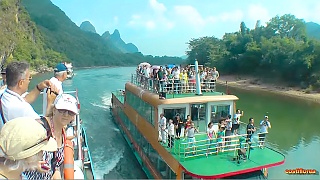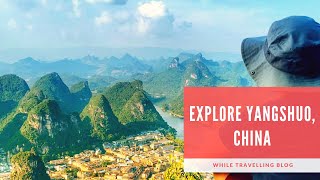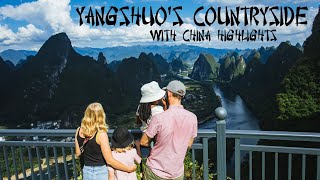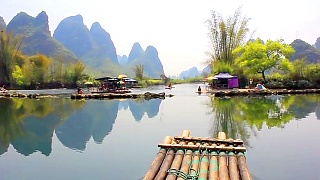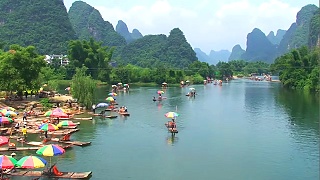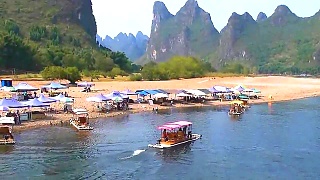
Beautiful YangShuo, GuangXi province

With JacobysJourneys ...

[640],shadow=true,start=,stop=

Bonus film with BeijingBuzzz ...

[320],shadow=true,start=,stop=

Yangshuo, situated in Guangxi Zhuang Autonomous Region in southern China, is renowned for its breathtaking karst landscapes, serene rivers, and vibrant local culture. Here's a guide for visitors to Yangshuo:

Natural Beauty:
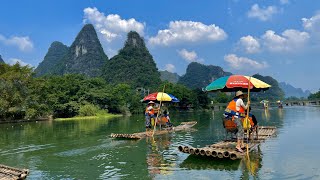
Karst Mountains: Yangshuo is famous for its iconic karst mountains, which rise sharply from the surrounding plains, creating a dramatic and picturesque landscape. Visitors can explore these unique limestone formations by hiking, biking, or taking boat cruises along the Li River.

Li River: The Li River, one of China's most scenic waterways, meanders through the karst mountains of Yangshuo, offering stunning vistas at every turn. A leisurely boat cruise along the Li River is a must-do activity for visitors, providing opportunities to admire the breathtaking scenery and capture iconic views of the karst peaks reflected in the water.

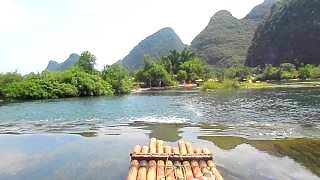
Yulong River: The Yulong River, a tributary of the Li River, is another picturesque waterway that flows through Yangshuo's countryside. Visitors can enjoy bamboo rafting or kayaking on the Yulong River, passing through idyllic villages, rice paddies, and bamboo groves along the way.

Outdoor Activities:
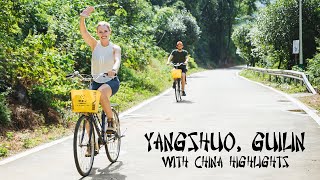
Cycling: Yangshuo is a cyclist's paradise, with scenic countryside roads and trails that wind through rice fields, orchards, and traditional villages. Renting a bicycle and exploring the surrounding countryside at a leisurely pace is a popular activity for visitors.

Rock Climbing: With its towering karst cliffs and limestone peaks, Yangshuo is a premier rock climbing destination in China. Experienced climbers and beginners alike can find suitable routes and climbing spots in the area, with options for guided tours and equipment rental available.

Cultural Experiences:
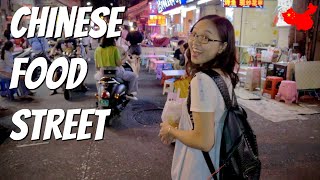
West Street: West Street (Xi Jie) is the main thoroughfare in Yangshuo's town center and a hub of activity for tourists and locals alike. Lined with shops, restaurants, cafes, and bars, West Street offers a vibrant atmosphere and is a great place to shop for souvenirs, sample local cuisine, and soak in the town's unique charm.

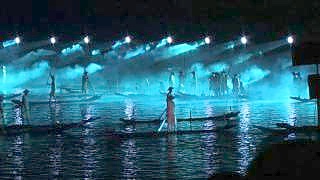
Impression Sanjie Liu: Directed by renowned filmmaker Zhang Yimou, Impression Sanjie Liu is a spectacular outdoor performance staged on the Li River. Featuring a cast of hundreds of performers, including local fishermen and farmers, the show combines music, dance, and light effects to showcase the natural beauty and cultural heritage of the area.

Practical Tips:
Weather: Yangshuo has a subtropical climate with mild winters and hot, humid summers. The best time to visit is during the spring (March to May) and autumn (September to November) when the weather is most pleasant and the landscapes are lush and green.

Accommodation: Yangshuo offers a range of accommodation options, including guesthouses, boutique hotels, and hostels catering to various budgets and preferences. Staying in the town center allows visitors to easily access attractions, restaurants, and transportation options.

Local Cuisine: Don't miss the opportunity to sample Yangshuo's delicious local cuisine, which includes specialties such as beer fish and Guilin rice noodles. Many restaurants in Yangshuo offer outdoor seating with panoramic views of the surrounding karst landscape.

Yangshuo's stunning natural scenery, outdoor activities, and vibrant cultural scene make it a popular destination for travelers seeking to explore the beauty of southern China. Whether cruising along the Li River, cycling through the countryside, or immersing oneself in the town's bustling street life, Yangshuo offers unforgettable experiences for visitors of all ages and interests.
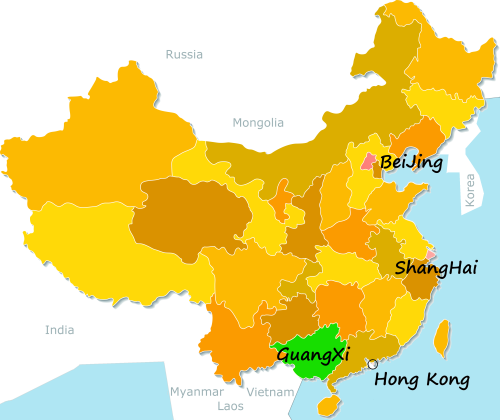
GuangXi map

Related Videos


Featured Videos

The Garden of Harmonious Interests, the Summer Palace 頤和園, BeiJing
A delightful garden within a garden. New HD version; filmed in August 2010.
A taste of China at home : HoiSin sauce
Introduction: Hoisin sauce is a thick, flavorful condiment commonly used in Chinese cuisine as a dipping sauce, marinade, or glaze for meat dishes. While store-bought hoisin sauce is readily available, making it at home allows you to control the ingredients and customize the flavor to your taste preferences. This DIY hoisin sauce recipe is simple to prepare and uses easily sourced ingredients. Ingredients: 1/4 cup soy sauce 2 tablespoons peanut butter (smooth) 1 tablespoon honey or molasses 1 tablespoon rice vinegar or apple cider vinegar 1 clove garlic, minced 1 teaspoon sesame oil 1/2 teaspoon Chinese five-spice powder 1/4 teaspoon black pepper 1/4 teaspoon salt 1/4 teaspoon chili oil or paste, or sriracha or other chili sauce (optional, for heat) Method: Combine Ingredients: In a small bowl, whisk together the soy sauce, peanut butter, honey or molasses, rice vinegar, minced garlic, sesame oil, Chinese five-spice powder, black pepper, and chili paste (if using). Mix until smooth and well combined. Adjust Consistency: If the hoisin sauce is too thick, you can thin it out with a little water or additional soy sauce. If it's too thin, you can add more peanut butter or honey to thicken it to your desired consistency. Taste and Adjust: Taste the hoisin sauce and adjust the seasoning as needed. You can add more soy sauce for saltiness, honey for sweetness, vinegar for acidity, or chili paste for heat, according to your taste preferences. Store: Transfer the homemade hoisin sauce to a clean, airtight container and store it in the refrigerator for up to 2 weeks. Allow the flavors to meld together for at least an hour before using the sauce. Usage Tips: Use homemade hoisin sauce as a dipping sauce for spring rolls, dumplings, or roasted meats. Brush it on grilled chicken, pork, or tofu as a flavorful marinade or glaze. Stir it into stir-fries or noodle dishes for added depth of flavor. Adjust the sweetness, saltiness, and spiciness of the hoisin sauce to suit your taste preferences. Enjoy your homemade hoisin sauce in your favorite Chinese dishes! Hoisin sauce is commonly used as a condiment for Peking Duck. Peking Duck is a famous dish from Beijing (formerly known as Peking), where roasted duck is served with thin pancakes, along with condiments such as hoisin sauce, sliced scallions, and cucumber. When enjoying Peking Duck, diners typically spread hoisin sauce onto a pancake, then add slices of roasted duck, along with some sliced scallions and cucumber. The pancake is then rolled up and eaten as a delicious and flavorful wrap. Hoisin sauce complements the rich, savory flavor of the roasted duck with its sweet, salty, and umami notes. It adds depth and complexity to each bite and enhances the overall dining experience. While hoisin sauce is a key component of Peking Duck, you can also use it as a condiment for other dishes, such as stir-fries, grilled meats, spring rolls, and more. Its versatility makes it a popular choice in Chinese cuisine.
MeiDaiZhao Temple (Lamasery), Inner Mongolia
With Nick in China ... Meidaizhao Temple Visitor Guide Located near Baotou in Inner Mongolia, Meidaizhao Temple (also known as Meidaizhao Lamasery) is a unique cultural landmark that blends Tibetan Buddhism with Mongolian and Han architectural influences. This guide provides everything you need to know for an enriching visit to this historical and spiritual site. Overview of Meidaizhao Temple History & Significance: Built in the late 16th century, during the reign of the Ming Dynasty, Meidaizhao Temple is one of the most important Tibetan Buddhist monasteries in Inner Mongolia. It was initially a palace for Altan Khan, a Mongol leader who played a key role in introducing Tibetan Buddhism to the region. The temple later evolved into a lamasery and continues to serve as a significant religious site for both monks and pilgrims. Architecture: Meidaizhao’s architecture is a fascinating blend of Mongolian, Tibetan, and Han Chinese styles, making it stand out among other temples in the region. The complex is surrounded by a fortress-like wall, and inside, visitors will find beautifully painted murals, prayer halls, and courtyards that reflect its spiritual importance and artistic beauty. Key Attractions in Meidaizhao Temple Main Prayer Hall The Main Prayer Hall, or "Sükhbaatar," is the heart of Meidaizhao Temple. This large, ornate building is used for religious ceremonies and prayers. Visitors can observe monks conducting rituals and admire the intricately painted murals that depict Buddhist stories and deities. White Pagoda One of the most iconic features of Meidaizhao is the White Pagoda, which stands tall against the backdrop of the vast grasslands. This stupa, a symbol of enlightenment in Buddhism, is a popular spot for pilgrims who come to offer prayers and walk clockwise around the structure for blessings. Mongolian Fortress Walls The temple complex is encircled by fortress-like walls that reflect its historical role as a defensive palace for Altan Khan. Walking along these walls provides stunning views of the surrounding landscape and offers a glimpse into the temple's past as a political and military stronghold. Buddhist Murals Inside the temple, visitors can find elaborate Buddhist murals that are well-preserved despite their age. These murals depict Tibetan Buddhist figures, scenes from religious texts, and Mongolian motifs, showcasing the cultural fusion that defines Meidaizhao. Travel Tip: Don't miss the chance to observe monks performing traditional Tibetan Buddhist rituals in the Main Hall. These ceremonies are deeply spiritual and offer a rare glimpse into the religious life of the lamasery. Practical Travel Information for Meidaizhao Temple When to Visit The best time to visit Meidaizhao Temple is during the late spring and early autumn months (May to October), when the weather is mild, and the grasslands surrounding the temple are lush and green. Summer can be warm, but it is also the peak season for local festivals, while winter is harsh and cold, making outdoor exploration difficult. Getting to Meidaizhao By Air: The nearest major airport is Baotou Airport, about 80 kilometers from the temple. From Baotou, you can hire a taxi or take a local bus to reach Meidaizhao. By Train: Baotou is well-connected by train to major cities in China. After arriving in Baotou, buses or taxis can take you directly to the temple. By Bus: Local buses operate from Baotou and other nearby towns, offering a budget-friendly option for reaching the temple. Private tours also often include transportation to the temple as part of their package. Accommodation There are limited accommodation options near Meidaizhao Temple. Most visitors stay in Baotou, which has a wide range of hotels, from budget to luxury. If you're interested in a more immersive experience, some guesthouses in the area offer basic lodging close to the temple grounds. It is recommended to book in advance, especially during peak seasons. Cultural Sensitivity As Meidaizhao is an active religious site, visitors should show respect by dressing modestly and refraining from loud conversations within the temple complex. Photography may be restricted in certain areas, especially inside prayer halls. Always ask for permission before taking photos of monks or religious ceremonies. Local Cuisine Inner Mongolian cuisine is known for its hearty, meat-heavy dishes. Near Meidaizhao, you can find local eateries serving traditional Mongolian food such as mutton, dairy products (such as milk tea and cheese), and a variety of grilled meats. For a unique experience, try the local "suutei tsai" (Mongolian milk tea) or "huoguo" (Mongolian hotpot). Travel Tip: If you visit during a local festival, such as the Naadam Festival, you’ll have the opportunity to witness traditional Mongolian sports like wrestling and horse racing. These cultural events add an extra dimension to your visit. Suggested Itinerary for Exploring Meidaizhao Temple Day 1: Arrive in Baotou and explore the city’s museums or enjoy a local Mongolian meal. In the afternoon, travel to Meidaizhao and take a walk around the temple's exterior, exploring the fortress walls and nearby grasslands. Day 2: Spend the morning exploring the temple complex. Visit the Main Prayer Hall to observe religious ceremonies, explore the White Pagoda, and admire the murals. Enjoy a traditional lunch at a local restaurant before returning to Baotou. Day 3: If time allows, visit nearby attractions such as the Dazhao Temple in Hohhot or take a tour of the Inner Mongolian grasslands for a more in-depth exploration of the region’s natural beauty and nomadic culture.
China’s watermelon season begins …
With DianXi XiaoGe ... Bonus films - mandarin oranges ... Grapes ... Plums ...
Website upgrade may cause some downtime
We need to upgrade our server around the 23rd November which might entail some downtime for our website - maybe hours, maybe days. So, if at that time we are not loading, don't panic, as we will be back as soon as possible. Anyone out there who knows about PHP and fixing old code (partly WordPress), do let us know if you can lend a hand. As always, a big thank you to all our visitors; let's get to 20 years of BB ! : )
China 中国 in the winter snow …
As the mini ice-age begins to engage (and the 'global warming' hoax lies in tatters) - a reprieve of our much-loved 'Winter in China' mix; with great music, including ColdPlay and much more ...
Fireworks and music on the eve of the ShangHai 上海 World Expo – video
Beautiful, extended scenes. The concert featured many international stars, dance and wonderful stagecraft and the finale combined fireworks with bold lighting, fountains and dramatic music ...
NanNing walk, GuangXi province
The West’s information firewall
With Daniel Dumbrill ... 'None are more hopelessly enslaved than those who falsely believe they are free' — Johann Wolfgang Von Goethe. More generally, belief is the end of truth - BB. In the West, slavery never ended - it became the whole flock. Metal chains were replaced by mental chains. 'Mind control' - control the people by controlling what they 'know'. The 'cold war' is an info war. Simply look at what is being done rather than what is said is being done. Else a firewall will be constructed in your mind, beyond which you cannot see reality. In China, the people are family. In the West, the people are merely livestock, to benefit the elite. This really is not a wild exaggeration - it is the truth and the real reason for the cold war - elite rule versus everyone should prosper and be happy. The idea that 'all lives matter', is the threat to neo-feudalists, who wave slogans of freedom and human rights and democracy, while redistributing wealth to themselves.

Tag search ?