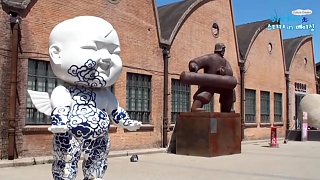
The 798 艺术区 Arts Zone at DaShanZi in Beijing

North east Beijing. An area of disused factories born again as galleries, cafes, bookshops, boutiques ...

[640],shadow=true,start=,stop=
[320],shadow=true,start=,stop=
[320],shadow=true,start=,stop=
[320],shadow=true,start=,stop=
[320],shadow=true,start=,stop=
[320],shadow=true,start=,stop=
[320],shadow=true,start=,stop=

Beijing, the capital city of China, is a vibrant metropolis steeped in history, culture, and modernity. Here's a brief overview of what you can expect as a tourist in Beijing:

Historical Landmarks:
The Great Wall of China: One of the most iconic structures in the world, the Great Wall is easily accessible from Beijing. Mutianyu and Badaling sections are popular among tourists.

Forbidden City (Palace Museum): A UNESCO World Heritage Site, this vast imperial palace complex was home to Chinese emperors for over 500 years. It houses numerous halls, courtyards, and historical artifacts.

Temple of Heaven: A masterpiece of Chinese architecture, this ancient temple complex served as a place of worship for emperors to pray for good harvests.

Summer Palace: A stunning ensemble of lakes, gardens, and palaces, the Summer Palace served as a retreat for emperors during the Qing dynasty.

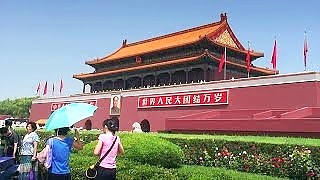
Tiananmen Square: One of the largest city squares in the world, Tiananmen Square is flanked by important landmarks such as the Monument to the People's Heroes, the Great Hall of the People, and the Mausoleum of Mao Zedong.

Cultural Sites:
Beijing Hutongs: Explore the narrow alleyways and traditional courtyard residences of Beijing's historic neighborhoods. You can take a rickshaw tour or simply wander around on foot.

Beijing Opera: Experience traditional Chinese opera performances at venues like the Liyuan Theater or the Chang'an Grand Theatre.

798 Art District: A hub of contemporary art and culture, this former industrial area is now home to numerous galleries, studios, and cafes.

Modern Attractions:
Olympic Park: Visit iconic structures such as the Bird's Nest (National Stadium) and the Water Cube (National Aquatics Center) from the 2008 Beijing Olympics.

CBD (Central Business District): Marvel at the futuristic skyline of Beijing's modern business district, which includes landmarks like the CCTV Headquarters and the China World Trade Center Tower III.

Culinary Delights:
Peking Duck: Indulge in Beijing's most famous dish, crispy roast duck served with pancakes, scallions, and hoisin sauce.

Street Food: Explore the city's vibrant street food scene and sample local delicacies like jianbing (savory crepes), lamb skewers, and dumplings.

Practical Tips:
Transportation: Beijing has an extensive public transportation system, including the subway, buses, and taxis. However, traffic can be heavy, so plan your travels accordingly.

Language: While English is not widely spoken, especially outside tourist areas, many signs and transportation announcements are in English. It's helpful to carry a translation app or a phrasebook.

Weather: Beijing experiences four distinct seasons, with hot summers and cold winters. The best times to visit are spring (April to June) and autumn (September to October) when the weather is mild and comfortable.

Etiquette: Respect local customs and traditions, such as removing your shoes before entering someone's home and using both hands to pass or receive items.

Beijing offers a rich tapestry of experiences for tourists, blending ancient heritage with modern innovations. Whether you're fascinated by history, culture, or culinary delights, there's something for everyone in this dynamic city.


Related Videos


Featured Videos

The NATO bombing of the Chinese embassy in Belgrade, former Yugoslavia, 1999
One missile - 16 people died, to silence truth. Michael Hudson on how human rights have been privatized / commercialized (monetized) in the US ...
WuHan 武汉, November 2020
The city in HuBei province and its people after the coronavirus.
Winter wonderland fun trip near Harbin 哈尔滨
HeiLongJiang province. 聖誕節哈爾濱滑雪 Christmas ski trip; December 2016. With a great song ...
Turpan in the Gobi desert, XinJiang, Kazakh prefecture
With Little Chinese Everywhere ... Bonus film - Uyghur life in Turpan desert oasis ... Welcome to Turpan, Oasis of the Gobi Desert Introduction Top Attractions Activities Local Culture Local Cuisine Visitor Tips Getting There Introduction Turpan, also known as Turfan, is a city oasis located in the Gobi Desert of XinJiang, in the Kazakh Autonomous Prefecture. This ancient city is one of the hottest and driest places in China, yet it is renowned for its lush vineyards, ancient ruins, and unique cultural heritage. Turpan is an important stop on the ancient Silk Road and has a rich history that spans thousands of years, with influences from various cultures, including Uyghur, Han Chinese, and Central Asian. Despite its harsh desert climate, Turpan is famous for its agricultural produce, particularly grapes, thanks to its innovative karez irrigation system. The city is a fascinating blend of ancient history and vibrant local culture, making it a must-visit destination for travelers exploring XinJiang. Top Attractions Jiaohe Ancient City Jiaohe Ancient City, also known as Yarghul, is one of the best-preserved ancient cities in the world. Dating back over 2,000 years, Jiaohe was once a bustling city on the Silk Road. The city is situated on a plateau surrounded by deep valleys, making it a natural fortress. Visitors can explore the ruins of this ancient city, including its well-preserved streets, houses, temples, and administrative buildings. The site offers a fascinating glimpse into the life of a Silk Road city. Flaming Mountains The Flaming Mountains are one of the most iconic natural landmarks in Turpan. These red sandstone mountains are named for the intense heat they radiate, especially during the summer months, when the surface temperatures can soar above 70°C (158°F). The mountains appear to be ablaze, particularly at sunset, when they glow in various shades of red and orange. The Flaming Mountains are steeped in legend and have been immortalized in the classic Chinese novel "Journey to the West." Bezeklik Thousand Buddha Caves The Bezeklik Thousand Buddha Caves are a series of cave temples carved into the cliffs of the Mutou Valley. These caves date back to the 5th to 14th centuries and contain exquisite murals that depict scenes from Buddhist scriptures and the daily life of the time. The caves are a testament to the spread of Buddhism along the Silk Road and offer insight into the cultural and religious exchanges that took place in this region. Grape Valley Grape Valley is a lush oasis in the heart of the desert, famous for its vineyards and production of sweet Turpan grapes. The valley is a refreshing contrast to the surrounding desert and offers a peaceful retreat with its shady vineyards, running streams, and traditional Uyghur houses. Visitors can stroll through the vineyards, taste fresh grapes and raisins, and learn about the traditional methods of grape cultivation and drying. Karez Irrigation System The Karez Irrigation System is an ancient engineering marvel that has been vital to the survival of Turpan's agriculture in the arid desert environment. This underground network of channels, wells, and tunnels brings water from the distant Tianshan Mountains to the city, allowing the cultivation of crops in the desert. Visitors can explore the Karez Museum to learn about the history and operation of this ingenious system and see how it has sustained life in Turpan for centuries. Activities Exploring Ancient Ruins: Discover the rich history of Turpan by exploring ancient sites such as Jiaohe Ancient City and the Bezeklik Thousand Buddha Caves. These sites offer a fascinating insight into the city's past and the cultures that have influenced it. Vineyard Tours: Take a guided tour of the vineyards in Grape Valley, where you can learn about grape cultivation, taste fresh produce, and enjoy the serene beauty of this desert oasis. Hiking in the Flaming Mountains: For those who enjoy the outdoors, hiking in the Flaming Mountains offers an opportunity to experience the dramatic landscape up close. Early morning or late afternoon hikes are recommended to avoid the intense heat. Cultural Experiences: Immerse yourself in the local culture by visiting traditional Uyghur villages, attending local festivals, or enjoying performances of Uyghur music and dance. Museum Visits: Visit local museums such as the Turpan Museum and the Karez Museum to gain a deeper understanding of the region's history, culture, and technological achievements. Local Culture Turpan is a melting pot of cultures, with significant influences from Uyghur, Han Chinese, and Central Asian traditions. The Uyghur people, who are the dominant ethnic group in the region, have a rich cultural heritage that is reflected in their language, music, dance, and cuisine. Uyghur music and dance are vibrant and expressive, often featuring lively rhythms, stringed instruments like the dutar, and intricate dance movements. Traditional Uyghur dances are a highlight of local festivals and celebrations, where people gather to perform and enjoy these cultural expressions. The local architecture is also distinctive, with traditional Uyghur houses often featuring courtyards, intricate wooden carvings, and grape trellises providing shade in the hot desert climate. Visitors to Turpan can explore these traditional homes and learn about the customs and daily life of the Uyghur people. Local Cuisine Turpan is renowned for its delicious Uyghur cuisine, which features a variety of flavorful dishes that reflect the region's agricultural abundance and cultural diversity. Some must-try dishes include: Polo (Uyghur Pilaf): A traditional Uyghur dish made with rice, lamb, carrots, and spices, often served with raisins or other dried fruits. Polo is a staple of Uyghur cuisine and is enjoyed on special occasions and everyday meals alike. Kebabs: Grilled lamb skewers seasoned with a blend of spices and often served with flatbread. Kebabs are a popular street food in Turpan and are a must-try for meat lovers. Nan: Uyghur flatbread, known as nan, is a common accompaniment to many meals. It is often baked in a traditional tandoor oven and can be served plain or topped with sesame seeds. Grape Dishes: Given Turpan's fame for its grapes, you'll find many dishes that incorporate this fruit, including grape juice, grape syrup, and dishes featuring dried grapes (raisins). Lagman: A hand-pulled noodle dish typically served with a stir-fry of meat and vegetables. Lagman is a hearty and flavorful dish that showcases the culinary skills of the Uyghur people. Visitor Tips Best Time to Visit: The best time to visit Turpan is during the spring (April to June) and autumn (September to October) when the weather is milder and more comfortable for outdoor activities. Summers can be extremely hot, with temperatures often exceeding 40°C (104°F). Hydration: Given the extreme heat and arid climate, it's essential to stay hydrated while exploring Turpan. Always carry plenty of water with you and take breaks in the shade to avoid heat exhaustion. Clothing: Lightweight, breathable clothing is recommended, along with a wide-brimmed hat and sunglasses to protect against the strong sun. In the cooler months, bring layers as temperatures can drop significantly at night. Respect Local Customs: Turpan has a diverse cultural heritage, so it's important to be respectful of local customs, particularly when visiting religious sites or interacting with the Uyghur community. Safety: Stay on designated paths when exploring ancient sites and natural attractions. The terrain can be rugged, and temperatures can be extreme, so caution is advised. Getting There Turpan is located in the eastern part of XinJiang, and there are several options for getting there: By Air: The nearest airport is Turpan Jiaohe Airport, which has flights to and from major cities such as Urumqi, Beijing, and Shanghai. From the airport, you can take a taxi or bus to the city center. By Train: Turpan is well-connected by rail, with the Turpan North Railway Station serving as a major stop on the Lanzhou-XinJiang High-Speed Railway. Trains from Urumqi, Lanzhou, and other major cities offer convenient access to Turpan. By Bus: Long-distance buses operate from Urumqi and other nearby cities to Turpan. The bus ride offers scenic views of the desert and mountains along the way. By Car: If you prefer to drive, Turpan is accessible via highways from Urumqi and other parts of XinJiang. The drive offers a unique opportunity to experience the vast landscapes of the Gobi Desert.
Planning war on China – part 14 : Silicon Valley and the US Offence department
With NuMuves ... Bonus film - on Venezuela, with Ben Norton and The Moderate Rebels ... On Nicaragua ... On the MSM ... On Ethiopia ... BeiJingBuzzz - because truth is sacred.
HongCun 宏村 ancient village
HóngCūn is a well preserved 800 year old village in southern AnHui province, near the southwest slope of Mount HuangShan. Award-winning Virtual Reality film ... A trip to HongCun ...
From Hainan 海南 to Harbin 哈尔滨 …
December 2013. From the tropical far south of China to the frozen far north, a temperature difference of around 50C in winter! The Harbin International Snow and Ice Festival starts in early January. In 2014, the festival celebrated its 50th birthday and was bigger than ever. See the snow sculptures by day and the ice lantern structures by night. A winter wonderland :) Runs to the end of February (approximately, weather dependent).
A trip to KunMing, ‘Spring City’, capital of YunNan province
With Feeding Foca ... Welcome to KunMing: The Spring City KunMing, the capital of YunNan province, is known for its pleasant climate, rich history, and stunning natural scenery. This guide will help you explore the best of what KunMing has to offer. Top Attractions in KunMing Stone Forest (Shilin) A UNESCO World Heritage Site, the Stone Forest is a remarkable natural wonder featuring towering limestone formations. It's located about 90 kilometers from KunMing and is a must-visit for nature lovers. Dianchi Lake Dianchi Lake, also known as KunMing Lake, is the largest freshwater lake in Yunnan. Visitors can enjoy boating, walking along the lakeside, and visiting nearby temples. Green Lake Park (Cuihu Park) Located in the heart of KunMing, Green Lake Park is a peaceful retreat with beautiful lotus ponds, pavilions, and walking paths. It's a great spot for relaxation and people-watching. Yuantong Temple Yuantong Temple is one of the oldest Buddhist temples in KunMing, dating back over 1,200 years. The temple features a unique layout with a large pond in the center and beautiful architecture. Local Cuisine KunMing is famous for its diverse and flavorful cuisine. Here are some must-try dishes: Crossing the Bridge Noodles (Guo Qiao Mi Xian) A traditional Yunnan dish consisting of a bowl of hot broth, rice noodles, and various toppings like meat, vegetables, and herbs. The dish is served with the ingredients separate, allowing you to mix them as you like. Steam Pot Chicken (Qi Guo Ji) This dish is cooked in a unique clay pot that traps steam, resulting in tender and flavorful chicken. It's often served with medicinal herbs for added health benefits. Yunnan Rice Cakes (Er Kuai) These chewy rice cakes are a staple in Yunnan cuisine. They can be stir-fried, grilled, or served in soups. Transportation KunMing is well-connected and easy to navigate. Here are some transportation options: KunMing Changshui International Airport The airport is located about 25 kilometers from the city center and offers domestic and international flights. Taxis and airport shuttles are available for transportation to the city. Public Buses KunMing has an extensive public bus network that covers most of the city. Buses are affordable and a convenient way to get around. Metro KunMing's metro system is modern and efficient, with several lines connecting key areas of the city. It's a great option for avoiding traffic. Taxis and Ride-Hailing Taxis are widely available, and ride-hailing apps are popular in KunMing. They offer a convenient way to travel, especially for shorter distances. Best Time to Visit KunMing is known as the "Spring City" due to its mild climate year-round. However, the best time to visit is from March to October, when the weather is most pleasant and the flowers are in full bloom. Tips for Visitors Wear comfortable shoes, as many attractions involve walking or hiking. Bring sunscreen and a hat, as the sun can be strong, especially at higher altitudes. Learn a few basic Mandarin phrases, as English is not widely spoken outside tourist areas. Respect local customs and traditions, especially when visiting temples and religious sites. Enjoy your trip to KunMing!
Walk East in BeiJing – the Forbidden City, Summer Palace, Temple of Heaven

Tag search ?