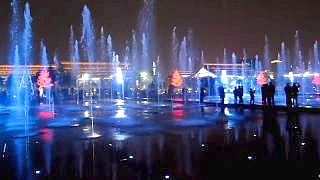
TenCent’s car-free, futuristic mini-city in ShenZhen 深圳

Chinese technology company Tencent, the driving power behind instant messaging apps WeChat and QQ, is planning to build an entire mini-city off the banks of the Pearl River in ShenZhen, where the company has its headquarters.

[640],shadow=true,start=,stop=

Shenzhen is a modern metropolis located in Guangdong Province, bordering Hong Kong to the south. Known as China's first Special Economic Zone, Shenzhen has transformed from a fishing village into a bustling city known for its innovation, technology, and vibrant culture. Here's what you need to know as a tourist visiting Shenzhen:

Modern Landmarks and Skyscrapers:
Shenzhen Bay Park: This expansive waterfront park offers stunning views of Shenzhen's skyline and the Hong Kong skyline across the bay. It's a popular spot for leisurely strolls, cycling, and picnics.

Shenzhen Civic Center: Admire the futuristic architecture of the Shenzhen Civic Center, which includes landmarks such as the Shenzhen Concert Hall, Shenzhen Library, and Shenzhen Museum.

Ping An Finance Centre: Marvel at one of the tallest skyscrapers in China and the fourth-tallest in the world, featuring an observation deck on the 116th floor offering panoramic views of the city.

Theme Parks and Entertainment:
Window of the World: Explore miniature replicas of famous landmarks from around the world, including the Eiffel Tower, the Taj Mahal, and the Great Wall of China, all in one place.

Happy Valley: This amusement park offers thrilling rides, live entertainment, and themed areas catering to visitors of all ages, making it a popular destination for families and thrill-seekers.

Shopping and Dining:
Huaqiangbei Electronics Market: Known as the world's largest electronics market, Huaqiangbei is a paradise for tech enthusiasts, offering everything from gadgets and components to accessories and repairs.

Coco Park: This upscale shopping and dining district features a wide range of boutiques, department stores, restaurants, bars, and cafes, catering to both locals and tourists.

Cultural and Historical Sites:
Dafen Oil Painting Village: Explore this vibrant artist community known for its reproduction oil paintings, where you can watch artists at work and purchase artworks at affordable prices.

Fairy Lake Botanical Garden: Escape the urban hustle and bustle at this expansive botanical garden, featuring lush greenery, scenic walking trails, and a diverse collection of plants and flowers.

Practical Tips:
Transportation: Shenzhen has a well-developed public transportation system, including the metro, buses, and taxis. The metro is the most convenient way to get around the city, with signs and announcements in both Chinese and English.

Language: Mandarin is the official language, but Cantonese and English are also widely spoken, especially in tourist areas, hotels, and restaurants.

Weather: Shenzhen has a subtropical climate with mild, dry winters and hot, humid summers. The best times to visit are spring (March to May) and autumn (September to November) when the weather is pleasant and comfortable.

Visa: Depending on your nationality, you may need a visa to enter China. Check the latest visa requirements and apply in advance if necessary.

Shenzhen offers a dynamic mix of modern attractions, cultural experiences, and shopping opportunities, making it an exciting destination for tourists seeking a taste of urban life in China. Whether you're interested in technology, entertainment, or simply exploring a vibrant city, Shenzhen has something for everyone.
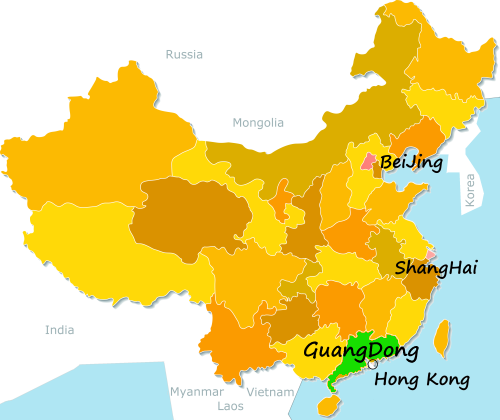

GuangDong map

Related Videos


Featured Videos

Wonderful WuZhen 乌镇
This beautiful water town, often referred to as 'the Venice of the East', lies in the ancient Kingdom of Wu, between ShangHai, SuZhou and HangZhou, in ZheJiang province, east China.
Traditional Chinese style oiled paper and bamboo umbrella
中国传统油纸伞
Scenes from ShangHai 上海 (3 day trip)
Filmed May 2012.
TaiYuan night walk, capital of ShanXi province
The ‘Uyghur Tribunal’ : predictable and dangerous propaganda
Brian Berletic : "It is no coincidence that the so-called 'Uyghur Tribunal's 'final ruling' coincided with a dump of supposedly 'leaked' documents and the US-led 'diplomatic boycott' of the BeiJing 2022 Olympics. This is a massive propaganda campaign aimed at building hatred for China and justification for conflict with China." Circus, lies, propaganda, theater, kangaroo court. Manufacturing consent. And the mainstream media play their role as war propagandists; a disgrace to the human race. With The New Atlas ...
Road trip idea from BeiJingBuzzz – DaLi, YunNan to Lhasa, Tibet / XiZang (2-4 weeks; two alternate routes)
Scenic Road Trip Routes from Dali to Lhasa Route Overview Traveling from Dali to Lhasa is an epic journey through some of China's most stunning landscapes. Here are two detailed scenic routes with notable stops along the way:   Route 1: Northern Route Day 1-2: Dali to Lijiang (Approx. 180 km) Route: Take the G214 National Road north from Dali to Lijiang. Highlights: Enjoy the scenic views along the way, including Erhai Lake and the ancient town of Lijiang. Day 3-4: Lijiang to Shangri-La (Zhongdian) (Approx. 180 km) Route: Continue on G214 National Road north to Shangri-La. Highlights: Visit Tiger Leaping Gorge and enjoy the views of the Jade Dragon Snow Mountain. Day 5: Shangri-La to Deqin (Approx. 180 km) Route: Stay on G214 National Road heading north to Deqin. Highlights: Explore Songzanlin Monastery in Shangri-La and enjoy the panoramic views of Meili Snow Mountain in Deqin. Day 6: Deqin to Markam (Approx. 220 km) Route: Take the G214 National Road, crossing into Tibet and continue to Markam. Highlights: Pass through the spectacular mountainous regions and along the Mekong River. Day 7: Markam to Zogang (Approx. 150 km) Route: From Markam, take the G318 National Road west towards Zogang. Highlights: Experience the dramatic high-altitude landscapes and valleys. Day 8: Zogang to Baxoi (Approx. 120 km) Route: Continue on the G318 National Road from Zogang to Baxoi. Highlights: Enjoy the rugged and scenic terrain along the way. Day 9: Baxoi to Ranwu (Approx. 160 km) Route: Stay on the G318 National Road heading west to Ranwu. Highlights: Pass by the beautiful Ranwu Lake, known for its clear waters and stunning reflections. Day 10: Ranwu to Bomi (Approx. 130 km) Route: Continue on G318 National Road from Ranwu to Bomi. Highlights: Drive through lush forests and alongside beautiful rivers. Day 11: Bomi to Nyingchi (Approx. 230 km) Route: Continue on G318 National Road from Bomi to Nyingchi. Highlights: Enjoy the lush scenery of Nyingchi, known for its forests and the Niyang River. Day 12-13: Nyingchi to Lhasa (Approx. 400 km) Route: Take the G318 National Road west from Nyingchi to Lhasa. Highlights: Pass through Mila Mountain and follow the Yarlung Tsangpo River Gorge. In Lhasa, explore the Potala Palace, Jokhang Temple, and Barkhor Street.   Route 2: Southern Route Day 1-2: Dali to Kunming (Approx. 340 km) Route: Take the G56 Hangrui Expressway east from Dali to Kunming. Highlights: Kunming, known as the "Spring City," offers attractions like the Stone Forest (Shilin), Dianchi Lake, and Green Lake Park. Day 3: Kunming to Panzhihua (Approx. 310 km) Route: Continue on the G56 Hangrui Expressway north to Panzhihua. Highlights: Panzhihua, a city built around the steel industry, provides access to scenic spots like the Jinsha River and nearby hot springs. Day 4: Panzhihua to Xichang (Approx. 260 km) Route: Take the G5 Beijing-Kunming Expressway north to Xichang. Highlights: Xichang is known for Qionghai Lake and the Luoji Mountain scenic area. It's also a gateway to the Liangshan Yi Autonomous Prefecture. Day 5: Xichang to Kangding (Approx. 380 km) Route: Continue on the G5 Beijing-Kunming Expressway, then take the G318 National Road west to Kangding. Highlights: Kangding is famous for its stunning mountain scenery, including Gongga Mountain (Minya Konka), and the beautiful Mugecuo Scenic Area. Day 6: Kangding to Litang (Approx. 280 km) Route: Take the G318 National Road west from Kangding to Litang. Highlights: Litang, one of the highest towns in the world at 4,014 meters, is known for its Tibetan culture and the Litang Monastery. Day 7: Litang to Batang (Approx. 160 km) Route: Continue on the G318 National Road west to Batang. Highlights: Batang is a charming Tibetan town with picturesque landscapes and rich cultural heritage. Day 8: Batang to Markam (Approx. 160 km) Route: Cross into Tibet and stay on the G318 National Road to Markam. Highlights: Scenic mountain vistas and the Mekong River valley. Day 9: Markam to Zogang (Approx. 150 km) Route: Continue on the G318 National Road from Markam to Zogang. Highlights: Stunning high-altitude terrain and valleys. Day 10: Zogang to Baxoi (Approx. 120 km) Route: Stay on the G318 National Road heading west to Baxoi. Highlights: Enjoy the rugged and scenic terrain along the way. Day 11: Baxoi to Ranwu (Approx. 160 km) Route: Continue on the G318 National Road from Baxoi to Ranwu. Highlights: Pass by the beautiful Ranwu Lake, known for its clear waters and stunning reflections. Day 12: Ranwu to Bomi (Approx. 130 km) Route: Continue on G318 National Road from Ranwu to Bomi. Highlights: Drive through lush forests and alongside beautiful rivers. Day 13: Bomi to Nyingchi (Approx. 230 km) Route: Continue on G318 National Road from Bomi to Nyingchi. Highlights: Enjoy the lush scenery of Nyingchi, known for its forests and the Niyang River. Day 14: Nyingchi to Lhasa (Approx. 400 km) Route: Take the G318 National Road west from Nyingchi to Lhasa. Highlights: Pass through Mila Mountain and follow the Yarlung Tsangpo River Gorge. In Lhasa, explore the Potala Palace, Jokhang Temple, and Barkhor Street.   Tips for the Journey Permits: Ensure you have the necessary permits to travel in Tibet. Foreign tourists need a Tibet Travel Permit. Vehicle: A sturdy 4x4 vehicle is recommended due to the rough terrain and high altitudes. Altitude Sickness: Be prepared for high altitudes. Acclimate gradually and consider medication for altitude sickness. Weather: Check the weather conditions, especially in winter, as some roads may be impassable. Supplies: Carry sufficient food, water, and emergency supplies, as some areas are remote with few facilities. These road trips offers a blend of cultural experiences, breathtaking landscapes, and a sense of adventure, making it one of the most scenic routes in China.  
Something different – relaxing chill-out jazz
No vocals or other emotional drivers; just calmness ...
The CCTV Spring Festival Gala, 2018
A selection of highlights from the show ...
DaXin County, GuangXi 广西 province – karst peaks near MingShi and DeTian Falls
Near / on the border with Vietnam ...

Tag search ?