NingXia map

Live more ...
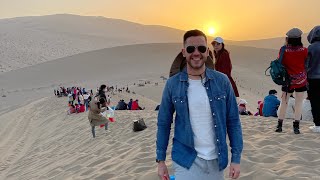
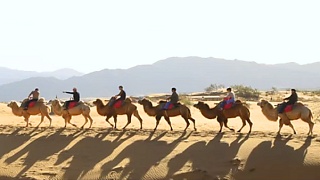
 ShaPoTou in NingXia

|
With The Duran ...
With Inside China Business ..
China's opening vs, The US's closing - with Liu Xin / CGTN and Jeffrey Sachs ...
With Dialogue Works, plus Michael Hudson and Richard Wolff ...
The Greater Bay Area, with Cyrus Janssen and Alex / Reporterfy Media ...
On the global south / multipolarism, with Ben Norton ...
On the global economy, with Warwick Powell and The Bridge Podcast ...
Malaysia joins BRICS - with Lena Petrova ...
With Anna Malingdog-Uy ...
On the US abuse of the Philippines - with Brian Berletic / The New Atlas ...
On the nature and rise of the US neocons - with Michael Brenner and Pascal Lottaz / Neutrality Studies ...
On NATO and colonialism - with Jeff Rich ...
|
|
With China Road Tales ...
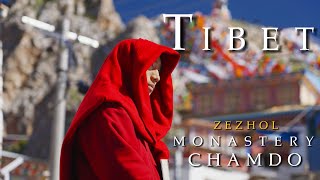
Zezhol Monastery, a spiritual beacon of the Bon Religion
Perched dramatically on the cliffs of the renowned holy mountain, Mt. Zezhol, Zezhol Monastery stands as a remarkable testament to the enduring legacy of the Bon religion, one of the oldest spiritual traditions in Tibet; indeed, the indigenous faith of the Qinghai-Tibet Plateau. Located in DingQing County, Chamdo, in eastern Tibet, this sacred site is situated at an impressive altitude of 4,800 meters, making it not only one of the highest monasteries in Tibet but also one of the most significant centers for the Bon religion. The monastery lies approximately 37 kilometers from the county town, adding to its mystique and remoteness, which only enhances its spiritual aura.
The Bon Religion: A Deep-Rooted Tradition
The Bon religion predates the introduction of Buddhism to Tibet and is believed to have originated in the ancient kingdom of Zhangzhung, centered around the sacred Mount Kailash. Bon has played a crucial role in shaping the spiritual and cultural landscape of Tibet, and despite the dominance of Tibetan Buddhism, Bon continues to thrive in certain areas, particularly in eastern Tibet and in communities that maintain strong ties to their indigenous spiritual heritage.
Bon is characterized by its unique practices and rituals, which include worship of nature spirits, ancestor reverence, and a rich tradition of oral teachings. The religion encompasses a wide array of rituals intended to harmonize with natural forces, protect communities from malevolent spirits, and promote the well-being of individuals and society as a whole. Central to Bon is the belief in the interconnectedness of all life, the importance of living in harmony with nature, and the pursuit of spiritual enlightenment.
Zezhol Monastery: A Center of Bon Spirituality
Zezhol Monastery is not only a religious site but also a living repository of Bon teachings and practices. The monastery's location on Mt. Zezhol, a mountain revered as sacred in the Bon tradition, underscores its importance as a place of pilgrimage and spiritual refuge. The faithful believe that the mountain itself is imbued with spiritual power, and the monastery, perched precariously on its cliffs, serves as a conduit between the physical and spiritual realms.
Founded centuries ago, Zezhol Monastery has been a pivotal center for the preservation and dissemination of Bon teachings. It houses ancient scriptures, sacred relics, and thangka paintings that depict the Bon deities and cosmology. The monastery’s monks continue to perform traditional Bon rituals, including offerings to the mountain spirits, ceremonies to ensure harmony between humans and nature, and the recitation of ancient Bon texts.
The Continuing Influence of Bon Today
Despite the rise of Tibetan Buddhism, the Bon religion has managed to survive and even thrive in certain areas of Tibet. Today, Bon practitioners can be found not only in Tibet but also in Nepal, Bhutan, and among the Tibetan diaspora worldwide. The influence of Bon is particularly evident in eastern Tibet, where communities still practice Bon rituals and uphold its teachings.
In some regions, Bon rituals are integrated into local Buddhist practices, creating a syncretic form of spirituality that honors both traditions. For instance, many Tibetan Buddhists incorporate Bon deities and rituals into their own religious practices, recognizing the deep cultural and spiritual roots that Bon has in Tibetan society. Furthermore, Bon teachings on the relationship between humans and the natural world continue to resonate, particularly in the context of environmental preservation and sustainable living.
Zezhol Monastery remains a vital symbol of this enduring legacy. Pilgrims from across Tibet and beyond visit the monastery to seek blessings, participate in rituals, and connect with the ancient spiritual traditions that have shaped their culture. The monastery’s remote location, high in the mountains, adds to its allure as a place of profound spiritual significance, where the faithful can retreat from the material world and engage deeply with the sacred.
Conclusion
Zezhol Monastery is more than just a religious site; it is a living testament to the resilience and continuity of the Bon religion in Tibet. As one of the highest and oldest Bon monasteries, it plays a crucial role in preserving this ancient tradition, offering a place of refuge and spiritual nourishment to those who seek to connect with the deep, mystical roots of Tibetan spirituality. In a rapidly changing world, Zezhol Monastery and the Bon religion it represents continue to provide a link to the past, offering insights and teachings that are as relevant today as they were centuries ago.
|

|
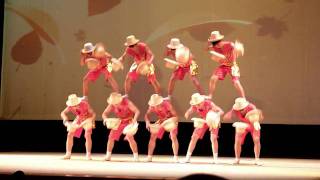
GuangXi province, south China ...
|
|
A selection of scenes ...
|

|
Some highlights from the annual spectacular.
Performers showcase Xinjiang's splendid musical culture ...
Reunion (awesome music and dance) ...
Celebration ...
Preparing for the Year of the Dragon (animation) ...
The poetic dance, "The Painting Journey – The Legend of a Panorama of Mountains and Rivers", highlights the aesthetics of traditional Chinese painting ...
Beautiful patterns ...
The magic of tea ...
Hanfu show, 'Ni Chang' ...
Martial arts dance ...
Hanfu dance ...
A special performance with the traditional Chinese instruments of the Sanxian and the Doumbek, as well as the Flamenco guitar - the sound of the dessert ...
Sending good wishes ...
More to come ...
|

|

|
Awesome singer : aLan Dawa Dolma 阿兰·达瓦卓玛. Tibetan and Chinese version ...
Plus ...
|

|
With JetLag Warriors and Ken Abroad ...
|

|
With Hussein Askary and The Geopolitics In Conflict Show.
Debt trap (the West) or development (China) ...
Bonus film - with The Moderate Rebels ...
|