Exploring HangZhou 杭州 …

Capital of ZheJiang province.

[640],shadow=true,start=67,stop=
[320],shadow=true,start=,stop=
[320],shadow=true,start=,stop=
[320],shadow=true,start=,stop=
[320],shadow=true,start=,stop=
[320],shadow=true,start=,stop=
[320],shadow=true,start=,stop=

Hangzhou, located in eastern China's Zhejiang province, is renowned for its picturesque West Lake, traditional tea culture, and historic sites. Here's a guide for tourists visiting Hangzhou:

West Lake and Scenic Areas:
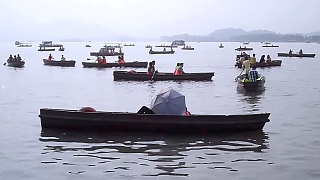
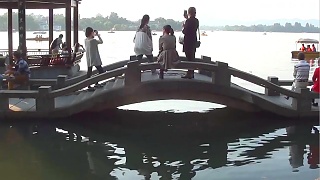
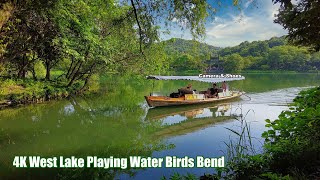
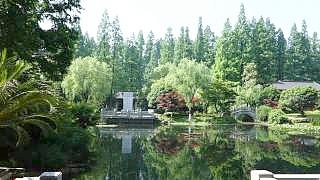
West Lake (Xi Hu): This UNESCO World Heritage Site is the centerpiece of Hangzhou's natural beauty, with its serene waters, pagodas, gardens, and surrounding hills. Visitors can take boat cruises, stroll along the lakeside paths, or rent bicycles to explore the area.

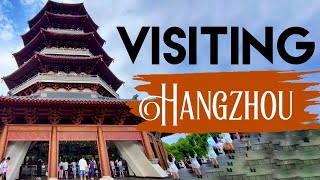
Leifeng Pagoda: Situated on the southern shore of West Lake, this historic pagoda offers panoramic views of the lake and the city skyline.

Lingyin Temple (Temple of the Soul's Retreat): One of the most important Buddhist temples in China, Lingyin Temple features ancient rock carvings, serene courtyards, and a large statue of Buddha.

Xixi Wetland Park: Explore the tranquil waterways, traditional villages, and lush greenery of this scenic wetland park, located on the outskirts of Hangzhou.

Tea Culture:
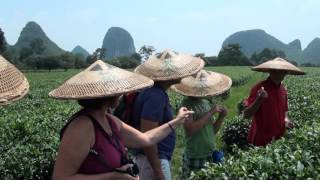
Longjing (Dragon Well) Tea Plantations: Hangzhou is famous for producing Longjing tea, one of China's most prized green teas. Visitors can tour the tea plantations in the nearby hills, learn about the tea-making process, and sample freshly brewed Longjing tea.

National Tea Museum: Learn about the history, cultivation, and cultural significance of tea in China at this informative museum located on the outskirts of Hangzhou.

Historic and Cultural Sites:
Six Harmonies Pagoda (Liuhe Pagoda): This ancient pagoda offers panoramic views of the Qiantang River and the surrounding countryside. It also houses a small museum showcasing Buddhist artifacts.

Hefang Street (Qinghefang Ancient Street): Stroll along this historic street lined with traditional shops, teahouses, and snack stalls selling local delicacies and handicrafts.

China National Silk Museum: Discover the art of silk production and the history of the silk trade in China at this museum, which features exhibits on silk weaving, dyeing techniques, and cultural artifacts.

Modern Attractions:
Hangzhou Grand Canal: Take a boat cruise along the Grand Canal, the world's longest and oldest canal, to admire the historic architecture and bustling waterfront scenes.

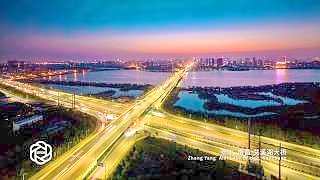
Hangzhou CBD (Central Business District): Explore the modern side of Hangzhou with its skyscrapers, shopping malls, and vibrant nightlife.

Practical Tips:
Transportation: Hangzhou has an extensive public transportation network, including buses, subways, and taxis. Bicycles and electric scooters are also popular options for getting around the city.

Weather: Hangzhou has a humid subtropical climate with hot, humid summers and mild, damp winters. Spring and autumn are the best times to visit when the weather is pleasant and the landscapes are at their most beautiful.

Language: Mandarin Chinese is the official language, but English may not be widely spoken outside of tourist areas. It's helpful to learn a few basic phrases or carry a translation app.

Hangzhou's blend of natural beauty, cultural heritage, and modern amenities makes it a captivating destination for tourists. Whether you're exploring historic sites, indulging in tea culture, or simply enjoying the tranquility of West Lake, Hangzhou offers a memorable experience for visitors of all interests.
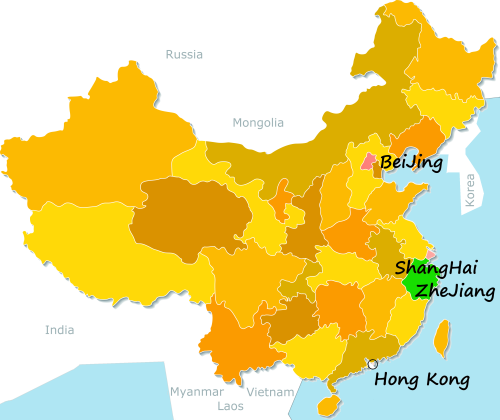
ZheJiang map

Related Videos


Featured Videos

Night walk in FuZhou and XiaMen, FuJian province
With Walk East ...
A stay in tropical SanYa 三亚, HaiNan 海南 island
Filmed in 2007
Something different – Someone You Loved – romantic music and awesome dance – don’t miss it
A month in China : GuangDong province : tour suggestion from BeiJingBuzzz
GuangDong Province Tour, China This itinerary covers a diverse range of experiences in GuangDong Province, including exploring the vibrant cities of GuangZhou and ShenZhen, discovering the cultural heritage of the Pearl River Delta region, and relaxing on the beaches and islands along the coast. Week 1: GuangZhou Explore the historic sites of Guangzhou, including Yuexiu Park, the Chen Clan Ancestral Hall, and the Sun Yat-sen Memorial Hall. Indulge in Cantonese cuisine at local restaurants and street food stalls, sampling dishes like dim sum, roast goose, and clay pot rice. Shop for souvenirs and local specialties at markets like Shangxiajiu Pedestrian Street and Qingping Market. Week 2: ShenZhen Discover the modern cityscape of Shenzhen, including landmarks like the Ping An Finance Centre and the Window of the World theme park. Explore cultural attractions such as the Dafen Oil Painting Village and the Shenzhen Museum. Experience Shenzhen's diverse culinary scene, with influences from all over China and the world. Week 3: Pearl River Delta Region Visit historic towns like Foshan, known for its traditional martial arts and ceramics. Explore the waterways of the Pearl River Delta, taking boat tours or cruises to see traditional villages and scenic landscapes. Sample local delicacies like Cantonese-style seafood and traditional snacks in the region's markets and eateries. Week 4: Coastal Cities and Islands Relax on the beaches of Zhuhai and enjoy water sports or leisurely walks along the coast. Take a day trip to the nearby islands of Hainan or Hong Kong for additional beach experiences and cultural exploration. Explore the maritime history and architecture of cities like Zhanjiang and Jiangmen.
Cancer as reversion to single cell survival through chronic inflammation
With Dr. Jason Fung ...
Something different – Space : the great silence
Billions of life-viable planets; yet an eerie silence. Are we really alone in the universe ? Do civilizations always quickly self-destruct as (war) technology advances faster than (political) intelligence ? With Lemmino ... With Kurzgesagt – In a Nutshell ...
US foreign policy : meddling, propaganda and (much) worse
Daniel Dumbrill in conversation with Max Blumenthal ... Hmm : planning for the well-being of all is 'totalitarian', while a billionaire elite rule is 'democracy' - hmmmmm. In China, the people are family. In the West, the people are merely livestock. Either truth is reality, or it is merely a cult-think. Bonus film - Eric Li on the keys to China's success ... Cuba ...
To live, you must first die (psychology / philosophy)
To be free, is to be off the time-lapse trajectory of the past into the future. This means to stop rationalizing and die to the past - only then one can truly live in the present moment. The past is still the past, but one is no longer its hostage. What stands in the way of a true life is - you - that is, the past, that one thinks of as 'me' (a mush of programming and fantasies - the noise that precludes clarity). The truth is simple; but it is not easy. One must be aware of one's thoughts and see them not as you but as relics; to see these thoughts as what they really are and not be ruled by them. The first, and crucial, step is to see how one has been hijacked by the past. To be free, is to be free of the past. Truth is not about believing, or 'knowing', a bunch of concepts; truth is being real. At BB, we can recommend Alan Watts, Jiddu Krishnamurti and Gabor Mate as sincere and wise voices to explore this more; though there are many others, these are straight talkers (some of their talks are featured here). The thing is - the guide is not the truth, it is only a guide; never trust in or believe a guide as though it is the truth - either you simply believe this or that, or you are true. Don't be an addict - to a belief. Don't be an addict to your past and ego. 10,000 years and 100,000 books of philosophy distilled into a few sentences. Once out of the prison of the past, everything else becomes clear. Kyle Cease talks with Tom Bilyeu ... Bonus film - with Jiddu Krishnamurti ... Bonus film 2 - with Alan Watts ...
ShangHai Book City mall
With Wei's Travel ... Bonus films - with FunFancie ...

Tag search ?