A weekend in HangZhou 杭州

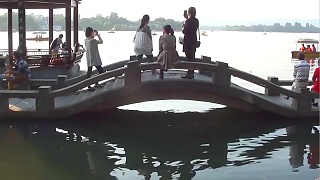
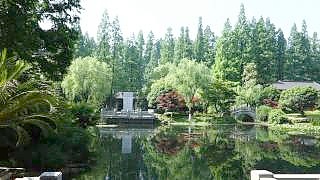
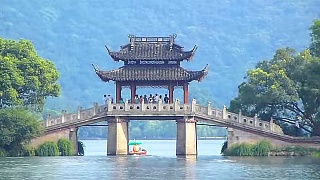
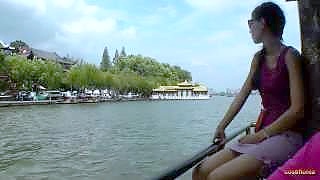
Join Tim and Glo as they visit West Lake, the LongJing tea terraces, chill out with a hot-pot (that's chilli not tomato, btw) and more in HangZhou, ZheJiang province, east China, just 120 miles / 180 km from ShangHai ...

[640],shadow=true,start=,stop=

What better way to end a misty, rainy day at the lake than a Hot Pot ...

[320],shadow=true,start=158,stop=

Bonus film - back in ShangHai, popping out for fried rice and chicken street food take away, passing the Bund and YuYuan Gardens by bicycle ...

[320],shadow=true,start=348,stop=584

Hangzhou, located in eastern China's Zhejiang province, is renowned for its picturesque West Lake, traditional tea culture, and historic sites. Here's a guide for tourists visiting Hangzhou:

West Lake and Scenic Areas:
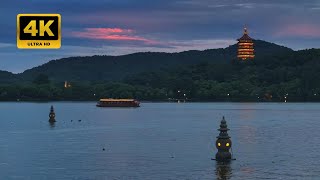
West Lake (Xi Hu): This UNESCO World Heritage Site is the centerpiece of Hangzhou's natural beauty, with its serene waters, pagodas, gardens, and surrounding hills. Visitors can take boat cruises, stroll along the lakeside paths, or rent bicycles to explore the area.

Leifeng Pagoda: Situated on the southern shore of West Lake, this historic pagoda offers panoramic views of the lake and the city skyline.

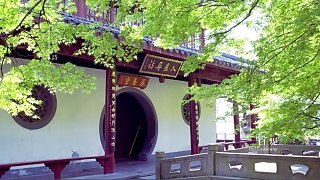
Lingyin Temple (Temple of the Soul's Retreat): One of the most important Buddhist temples in China, Lingyin Temple features ancient rock carvings, serene courtyards, and a large statue of Buddha.

Xixi Wetland Park: Explore the tranquil waterways, traditional villages, and lush greenery of this scenic wetland park, located on the outskirts of Hangzhou.

Tea Culture:
Longjing (Dragon Well) Tea Plantations: Hangzhou is famous for producing Longjing tea, one of China's most prized green teas. Visitors can tour the tea plantations in the nearby hills, learn about the tea-making process, and sample freshly brewed Longjing tea.

National Tea Museum: Learn about the history, cultivation, and cultural significance of tea in China at this informative museum located on the outskirts of Hangzhou.

Historic and Cultural Sites:
Six Harmonies Pagoda (Liuhe Pagoda): This ancient pagoda offers panoramic views of the Qiantang River and the surrounding countryside. It also houses a small museum showcasing Buddhist artifacts.

Hefang Street (Qinghefang Ancient Street): Stroll along this historic street lined with traditional shops, teahouses, and snack stalls selling local delicacies and handicrafts.

China National Silk Museum: Discover the art of silk production and the history of the silk trade in China at this museum, which features exhibits on silk weaving, dyeing techniques, and cultural artifacts.

Modern Attractions:
Hangzhou Grand Canal: Take a boat cruise along the Grand Canal, the world's longest and oldest canal, to admire the historic architecture and bustling waterfront scenes.

Hangzhou CBD (Central Business District): Explore the modern side of Hangzhou with its skyscrapers, shopping malls, and vibrant nightlife.

Practical Tips:
Transportation: Hangzhou has an extensive public transportation network, including buses, subways, and taxis. Bicycles and electric scooters are also popular options for getting around the city.

Weather: Hangzhou has a humid subtropical climate with hot, humid summers and mild, damp winters. Spring and autumn are the best times to visit when the weather is pleasant and the landscapes are at their most beautiful.

Language: Mandarin Chinese is the official language, but English may not be widely spoken outside of tourist areas. It's helpful to learn a few basic phrases or carry a translation app.

Hangzhou's blend of natural beauty, cultural heritage, and modern amenities makes it a captivating destination for tourists. Whether you're exploring historic sites, indulging in tea culture, or simply enjoying the tranquility of West Lake, Hangzhou offers a memorable experience for visitors of all interests.
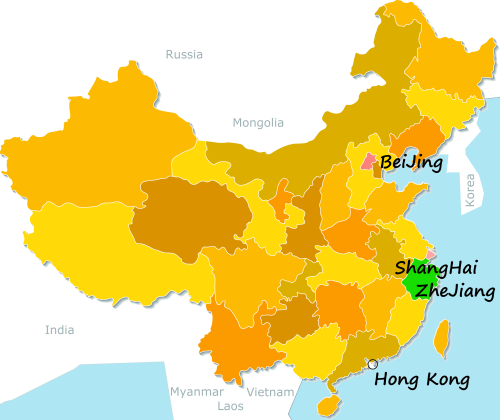
ZheJiang map

Related Videos


Featured Videos

Planning war on China – the West is ramping up
The insane rhetoric and absurdity - that China, under constant attack by the West, is the 'aggressor'.
A new start, a new you
Jiddu Krishnamurti ... LiZiQi ... Alan Watts ... Gabor Mate ...
Geopolitics update – November 2024
With Jeffrey Sachs and ShangHaiEye ... With Nomad Capitalist and Cyrus Janssen ... With The Bridge Podcast and Ben Norton ... With BreakThrough News and Ben Norton ... With Richard Wolff ... With Brian Berletic ... With Daniel Dumbrill ...
Something different – on humans and the pale blue dot (Earth)
With Lemino ...
ChangSha 長沙, provincial capital of HuNan
South China
ShenZhen 深圳 stroll
Modern China, center of business and commerce, began here, in GuangDong province, south east China, just forty years ago, following the vision and effort of Deng XiaoPing (1904 - 1997). Deng XiaoPing opened China to the world, as it had been during the long period of a prior golden age with the Silk Road to the Middle East and Europe (by land) and other parts of south east Asia and as far as Africa via the Silk Road of the Sea. His policies are credited with helping China to develop in the most startling transformation that the world has ever seen, raising the standard of living of hundreds of millions. This followed his Southern Tour of 1992 when the likelihood of adoption of his vision still looked slim. Deng was also a key player in the return of Hong Kong to China in 1997. Too far. some might say, but without this move, the position to debate that would not now exist. Let's take a stroll along a street in the downtown on a spring evening ...
NingBo city, ZheJiang province
With China Street View ... With Expat Natt ... Travel Guide to NingBo, ZheJiang Province Introduction Ningbo, a coastal city in Zhejiang Province, is a blend of rich history and modern development. As a major port city, it offers scenic waterfronts, historic temples, and cultural heritage sites. Top Attractions Tianyi Pavilion One of the oldest private libraries in China, Tianyi Pavilion is a must-visit for history lovers. The ancient books and classical gardens make it a fascinating cultural destination. Baoguo Temple A well-preserved wooden structure dating back to the Tang Dynasty, Baoguo Temple showcases ancient Chinese architectural brilliance. Ningbo Old Bund Located along the Yong River, the Old Bund is an area filled with European-style buildings, bars, and restaurants, offering a charming riverside experience. Dongqian Lake The largest freshwater lake in Zhejiang, Dongqian Lake is perfect for boating, cycling, and exploring ancient sites like the Dongqian Lake Stone Carvings. Asoka Temple One of China’s oldest Buddhist temples, Asoka Temple is famous for housing a sacred relic of Buddha, making it an important pilgrimage site. Local Cuisine Ningbo Seafood As a coastal city, Ningbo is known for its fresh seafood dishes such as steamed crabs, grilled fish, and seafood dumplings. Ningbo Tangyuan A traditional dessert, these glutinous rice balls are filled with sweet sesame paste and often served in a warm soup. Yellow Croaker Soup A flavorful fish soup made with fresh yellow croaker, a specialty of Ningbo. Best Time to Visit Spring (March to May) and autumn (September to November) offer the best weather for sightseeing and outdoor activities. Transportation Ningbo is well-connected by air, train, and road. The Ningbo Lishe International Airport provides flights to major cities, while high-speed trains link Ningbo to Shanghai and Hangzhou. Accommodation From luxury hotels like the Shangri-La Ningbo to budget-friendly guesthouses, the city offers a range of accommodation options to suit all travelers. Conclusion Ningbo is a captivating city that seamlessly blends ancient history with modernity. Whether you're exploring its temples, enjoying fresh seafood, or strolling along the Old Bund, there’s something for everyone in this coastal gem.
How BRICS and BRI are changing the world, with Hussein Askary
With Hussein Askary and The Geopolitics In Conflict Show ...
PinXi Liu 六 品析, age 8, amazing rock guitarist
Born in TianMen, near ZhangJiaJie (think of the movie Avatar), HuBei province, she became interested in the guitar and started lessons at age six, with a penchant for heavy metal ! PinXi made her public debut in October 2015, at the China (ShangHai) Musical Instruments Exhibition, invited by the JOYO company as a guest performer; this is the first clip seen here - playing Cross-Ozielzinho. This montage also includes 'Angel of Darkness' by Andy James (age 9; PinXi, not Andy ;). Don't miss it ... Her favorite quote : Believe in yourself. PinXi exhibits that no-hesitation / no force expression strived for in the finest calligraphy, in which the hand and brush are as one. In Chinese this is known as Wu Wei or Wu Wei Wu - loosely translatable as action without effort.

Tag search ?