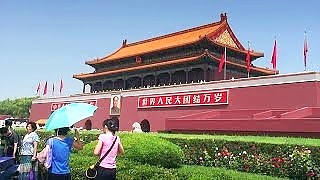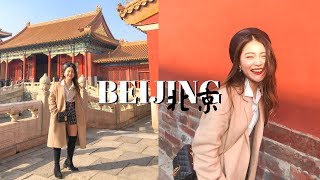
A trip to TianAnMen Square and the Forbidden City, BeiJing 北京

Filmed in early July 2009.


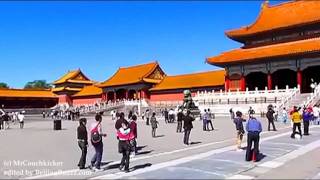
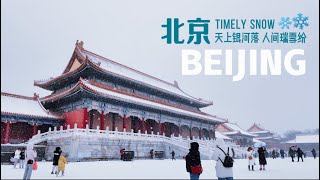
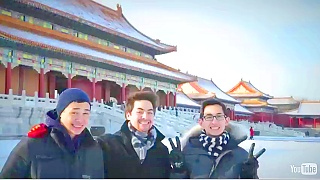
[640],shadow=true,start=,stop=The Forbidden City, located in the heart of Beijing, China, is one of the most iconic and historically significant attractions in the country. Here's a guide for tourists visiting the Forbidden City:

History and Significance:
Imperial Palace: The Forbidden City served as the imperial palace and political center of China for nearly 500 years, from the Ming Dynasty (13681644) to the end of the Qing Dynasty (16441912). It was home to emperors and their households and served as the ceremonial and political center of Chinese government.

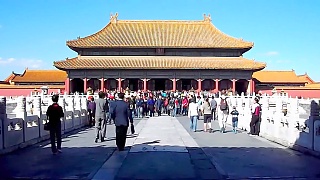
Architecture: The Forbidden City is renowned for its magnificent architectural design, featuring grand halls, pavilions, courtyards, and ceremonial gates. It exemplifies traditional Chinese palace architecture and design principles, with intricate decorations and symbolic elements.

Visiting the Forbidden City:
Layout: The Forbidden City is rectangular in shape and covers an area of about 180 acres. It is surrounded by a large moat and high walls, with four main gates: the Meridian Gate (south), the Gate of Divine Might (north), and the East and West Glorious Gates.

Highlights: Key attractions within the Forbidden City include the Hall of Supreme Harmony, the Hall of Central Harmony, the Hall of Preserving Harmony, the Palace of Heavenly Purity, the Palace of Earthly Tranquility, and the Imperial Garden. Each building has its own unique architectural style and historical significance.

Exhibitions: The Forbidden City houses an extensive collection of artifacts, artwork, and cultural relics from China's imperial past. Visitors can explore exhibitions showcasing imperial treasures, ceremonial objects, calligraphy, paintings, and ancient manuscripts.

Guided Tours: Guided tours are available for visitors who want to learn more about the history, architecture, and cultural significance of the Forbidden City. Audio guides in multiple languages are also available for self-guided tours.

Tips for Tourists:
Tickets and Entry: Tickets to the Forbidden City can be purchased at the entrance gates or online in advance to avoid long queues, especially during peak tourist seasons.

Opening Hours: The Forbidden City is open to visitors every day except Mondays. It is advisable to check the opening hours and plan your visit accordingly.

Comfortable Footwear: The Forbidden City is vast, and exploring its many halls and courtyards involves a fair amount of walking. Wear comfortable footwear and clothing suitable for walking and climbing stairs.

Respect the Rules: Follow the rules and regulations of the Forbidden City, such as no smoking, no littering, and no touching or climbing on the historic structures.

Photography: Photography is permitted in most areas of the Forbidden City, but some sections may have restrictions or require an additional photography permit. Respect any signage and guidelines regarding photography.

Cultural Insights:
Historical Significance: Take the time to learn about the history and significance of the Forbidden City, including its role in Chinese imperial history and its architectural symbolism.

Symbolism and Design: Pay attention to the architectural features, symbolism, and layout of the Forbidden City, which reflect Chinese cosmology, philosophy, and imperial authority.

Imperial Lifestyle: Explore the living quarters, ceremonial halls, and gardens to gain insights into the lifestyle, customs, and rituals of China's imperial rulers and their families.

Visiting the Forbidden City offers a fascinating glimpse into China's imperial past, with its grandeur, history, and cultural heritage preserved for visitors to explore and appreciate.

Beijing, the capital city of China, is a vibrant metropolis steeped in history, culture, and modernity. Here's a brief overview of what you can expect as a tourist in Beijing:

Historical Landmarks:
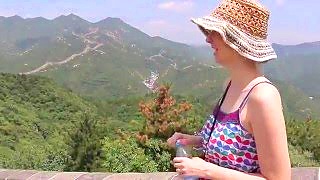
The Great Wall of China: One of the most iconic structures in the world, the Great Wall is easily accessible from Beijing. Mutianyu and Badaling sections are popular among tourists.

Forbidden City (Palace Museum): A UNESCO World Heritage Site, this vast imperial palace complex was home to Chinese emperors for over 500 years. It houses numerous halls, courtyards, and historical artifacts.

Temple of Heaven: A masterpiece of Chinese architecture, this ancient temple complex served as a place of worship for emperors to pray for good harvests.

Summer Palace: A stunning ensemble of lakes, gardens, and palaces, the Summer Palace served as a retreat for emperors during the Qing dynasty.

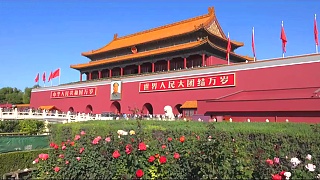
Tiananmen Square: One of the largest city squares in the world, Tiananmen Square is flanked by important landmarks such as the Monument to the People's Heroes, the Great Hall of the People, and the Mausoleum of Mao Zedong.

Cultural Sites:
Beijing Hutongs: Explore the narrow alleyways and traditional courtyard residences of Beijing's historic neighborhoods. You can take a rickshaw tour or simply wander around on foot.

Beijing Opera: Experience traditional Chinese opera performances at venues like the Liyuan Theater or the Chang'an Grand Theatre.

798 Art District: A hub of contemporary art and culture, this former industrial area is now home to numerous galleries, studios, and cafes.

Modern Attractions:
Olympic Park: Visit iconic structures such as the Bird's Nest (National Stadium) and the Water Cube (National Aquatics Center) from the 2008 Beijing Olympics.

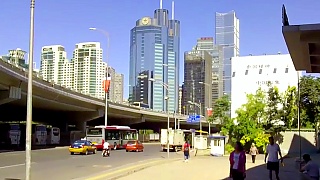
CBD (Central Business District): Marvel at the futuristic skyline of Beijing's modern business district, which includes landmarks like the CCTV Headquarters and the China World Trade Center Tower III.

Culinary Delights:
Peking Duck: Indulge in Beijing's most famous dish, crispy roast duck served with pancakes, scallions, and hoisin sauce.

Street Food: Explore the city's vibrant street food scene and sample local delicacies like jianbing (savory crepes), lamb skewers, and dumplings.

Practical Tips:
Transportation: Beijing has an extensive public transportation system, including the subway, buses, and taxis. However, traffic can be heavy, so plan your travels accordingly.

Language: While English is not widely spoken, especially outside tourist areas, many signs and transportation announcements are in English. It's helpful to carry a translation app or a phrasebook.

Weather: Beijing experiences four distinct seasons, with hot summers and cold winters. The best times to visit are spring (April to June) and autumn (September to October) when the weather is mild and comfortable.

Etiquette: Respect local customs and traditions, such as removing your shoes before entering someone's home and using both hands to pass or receive items.

Beijing offers a rich tapestry of experiences for tourists, blending ancient heritage with modern innovations. Whether you're fascinated by history, culture, or culinary delights, there's something for everyone in this dynamic city.

Related Videos


Featured Videos

‘ShangHai 上海 Concerto’ – promo video
A promotional video for the city of the World Expo 2010 ...
TongLi 同里
TongLi, lies in the outskirts of SuZhou, JiangSu province in east China, about 100 km (62 miles) north-west of ShangHai. This charming water town retains many of the features of the ancient Kingdom of Wu.
Blondie in DunHuang, GanSu province
With Blondie in China ... Visitor Guide to DunHuang, GanSu Province Overview DunHuang, located in GanSu Province, is a city of historical and cultural significance, famous for its strategic position on the ancient Silk Road and its remarkable Buddhist art. The city is best known for the Mogao Caves, a complex of Buddhist cave temples, as well as its stunning desert landscapes and historical relics. Getting There By Air: DunHuang Airport (DNH) is the nearest airport, located about 13 kilometers southeast of the city center. The airport has regular flights from major cities like BeiJing, ShangHai, and Xi'an. From the airport, you can take a taxi or a shuttle bus to reach the city center. By Train: DunHuang Railway Station connects the city with various destinations across China. The station is located about 12 kilometers from the city center, and you can take a taxi or a bus to reach the main attractions. By Bus: Long-distance buses from nearby cities and provinces also provide access to DunHuang. The main bus station is located in the city center, making it convenient for travelers. Getting Around Public Transport: DunHuang has a local bus system that connects major tourist spots and the city center. Buses are an economical way to get around. Taxis: Taxis are readily available and relatively inexpensive. Ensure to have your destination written in Chinese for ease of communication. Biking: Bike rentals are available for those who prefer a more active way to explore the city and its surroundings. Main Attractions Mogao Caves The Mogao Caves, also known as the Thousand Buddha Grottoes, are a UNESCO World Heritage site and the highlight of DunHuang. The caves contain thousands of Buddhist statues and murals dating back to the 4th century, showcasing exquisite art and religious devotion. Crescent Lake and Singing Sand Dunes Located about 6 kilometers south of DunHuang, Crescent Lake is an oasis surrounded by the towering Singing Sand Dunes. The contrast of the lush green lake against the golden sand is a sight to behold. Visitors can enjoy camel rides, sandboarding, and hiking in the area. Yumen Pass (Jade Gate Pass) The Yumen Pass is a historic site that served as a vital checkpoint on the Silk Road. The ruins offer a glimpse into the ancient trade routes and the military significance of the area. Yangguan Pass Yangguan Pass, along with Yumen Pass, was an important gateway on the Silk Road. The site includes remnants of ancient walls and watchtowers, and a museum that provides historical context. Historical Significance DunHuang has a rich history as a major stop on the Silk Road, facilitating trade and cultural exchange between China and the West. The city's strategic location made it a melting pot of different cultures, religions, and artistic traditions. The Mogao Caves were established as a place of worship and meditation, attracting Buddhist monks and pilgrims. Over the centuries, the caves became a repository of religious art, texts, and artifacts, making them one of the most significant cultural heritage sites in China. Local Cuisine While visiting DunHuang, you can enjoy a variety of local GanSu dishes. Here are some recommendations: Beef Noodles: A signature dish of GanSu Province, featuring hand-pulled noodles in a flavorful beef broth. Yellow Noodles with Donkey Meat: A unique local specialty, featuring tender donkey meat served with yellow wheat noodles. DunHuang Toasted Buns: Crispy buns filled with minced meat and spices, a popular snack in the region. Shopping Shazhou Night Market: A vibrant market offering a variety of local handicrafts, souvenirs, and street food. Silk Road Markets: Several markets in DunHuang sell traditional Silk Road goods, including silk products, jade, and antiques. Local Shops: Numerous shops in the city center offer a range of local specialties, such as dried fruits, nuts, and unique crafts. Accommodation Luxury Hotels: DunHuang offers several high-end hotels with excellent amenities and services, such as the DunHuang Hotel and the Silk Road DunHuang Hotel. Mid-Range Hotels: There are numerous mid-range options providing comfortable accommodations at reasonable prices, including international chains and local boutique hotels. Budget Accommodations: Budget travelers can find affordable guesthouses, hostels, and budget hotels throughout the city. Tips for Visitors Best Time to Visit: The best times to visit DunHuang are spring (April to June) and autumn (September to November) when the weather is mild and pleasant. Clothing: Wear comfortable walking shoes and dress in layers to accommodate changing temperatures. Bring a hat and sunscreen if you plan to spend time outdoors, especially in the desert areas. Respect Local Customs: Be respectful of local customs and traditions, especially when visiting religious and cultural sites. Language: While Mandarin is widely spoken, learning a few basic phrases or using a translation app can be very helpful. Plan Your Visit: The attractions in DunHuang offer a mix of historical significance and natural beauty. Plan your visit to include both leisurely activities and sightseeing to fully appreciate the area's offerings. Conclusion DunHuang, with its rich history, stunning desert landscapes, and cultural heritage, offers a unique and unforgettable travel experience. Whether you're exploring the ancient Mogao Caves, enjoying the serene beauty of Crescent Lake, or delving into the city's Silk Road history, DunHuang promises a journey filled with discovery and wonder. Plan your visit carefully to make the most of your time in this extraordinary city in GanSu Province.
FengHuang 凤凰 ancient town, HuNan province
FèngHuáng (Phoenix) ancient town, lies 'close' (about 140 kilometers) to the ZhangJiaJie Nature Reserve. The town retains much of its ancient architecture and culture. Legend tells that two of the mythical phoenix birds flew over the town and were so in awe at its beauty that they remained hovering there for a long time, being reluctant to leave and lose the view. FengHuang is home to several minority ethnic groups, mainly the Miao (苗) and TuJia (土家). Batik and tie-dye are very popular here and the Miao and TuJia have their own ways to produce the cloth with unique folk patterns. Traditional crafts also include embroidery (TuJia), silverware (Miao), 'paper cuts' and ginger candy. DiaoJiaoLou (吊脚楼) is the traditional dwelling of the TuJia, Miao and some other minorities. DiaoJiaoLou can be translated literally into English as "feet-hanging building" which means a building built with its base hanging in the air instead of locating on the ground. The houses lining the river display a strong Miao ethnic style with the front part facing the old official road and the rear part hanging over the Tuo River.
A guide to the magnificent Forbidden City (Palace Museum) in BeiJing
With Lulu's Daily In China ... Welcome to the Forbidden City Explore the imperial palace and ancient architecture of the Forbidden City in Beijing. Introduction The Forbidden City, also known as the Palace Museum, is a vast imperial palace complex in Beijing, China. It served as the home of emperors and their households, as well as the ceremonial and political center of the Chinese government for almost 500 years. Location The Forbidden City is located in the Dongcheng District in the heart of Beijing, directly north of Tiananmen Square. History The construction of the Forbidden City began in 1406 and was completed in 1420. It was the Chinese imperial palace from the Ming dynasty to the end of the Qing dynasty, housing 24 emperors. The complex covers 72 hectares (178 acres) and consists of 980 surviving buildings with 8,886 rooms. In 1925, the Forbidden City was transformed into the Palace Museum, showcasing extensive collections of artwork and artifacts from the imperial collections of the Ming and Qing dynasties. It was designated a UNESCO World Heritage Site in 1987. Attractions Meridian Gate (Wu Men): The main entrance to the Forbidden City, known for its grand architecture and historical significance. Hall of Supreme Harmony (Taihe Dian): The largest hall in the Forbidden City, used for major ceremonial occasions. Hall of Central Harmony (Zhonghe Dian): A smaller, intimate hall where the emperor prepared and rested before ceremonies. Hall of Preserving Harmony (Baohe Dian): Used for banquets and later for imperial examinations. Palace of Heavenly Purity (Qianqing Gong): The emperor's residence, representing his supreme authority. Hall of Union (Jiaotai Dian): A hall connecting the emperor's and empress's palaces, symbolizing their union. Palace of Earthly Tranquility (Kunning Gong): The residence of the empress and the site for imperial weddings. Imperial Garden: A serene garden area with ancient trees, rockeries, and pavilions, used by the imperial family for leisure. Clock and Watch Gallery: Displays a vast collection of timepieces from the imperial collection. Treasure Gallery: Houses valuable artifacts, including jade, gold, and other treasures from the imperial era. Activities Exploring historical buildings and courtyards Visiting museum exhibitions Photography Participating in guided tours Attending cultural performances and events Facilities Visitor Center Restrooms Gift Shops Cafes and Restaurants Parking Lots Audio Guide Rentals Guided Tour Services Visitor Tips Wear comfortable walking shoes. Bring water and snacks, especially if you plan to stay for several hours. Visit early in the morning or late in the afternoon to avoid crowds. Check the weather forecast and dress appropriately. Respect the cultural and historical significance of the site; behave appropriately and follow all rules and guidelines. Plan your visit to include the main attractions and leave time for exploring lesser-known areas.
Geopolitics update – July 2024
With Brian Berletic / The New Atlas ... With Inside China Business ... With Neutrality Studies ... With Sean Foo ... With Radhika Desai and Michael Hudson ... With Lena Petrova and Richard Wolff ... With Inside China Business ... With Trip Bitten ... With The Bridge Podcast and William Brown ... With FridayEveryday ... With Alex Cage ... With Harvey in China ... Harv With Sirant in China ...
The 2025 Spring Festival Gala, Chinese New Year, highlights
With CCTV ...
Technology in China discussion
With Richard Turrin ...
China travel adventure – 40 minute version
Intrepid Italians live more ...

Tag search ?