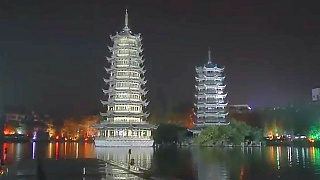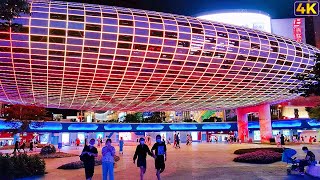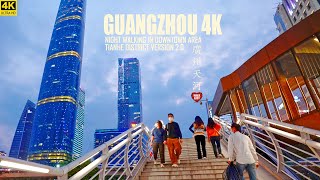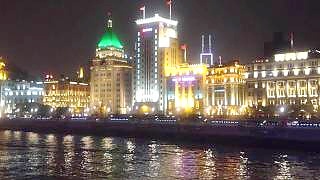
A night-time sail along the HaiHe river through TianJin 天津

TianJin lies east of Beijing on the coast. One of the most vibrant places in China.

Just 30 minutes from Beijing by high-speed rail.

Take a gentle sail through beautifully lit TianJin ...

[640],shadow=true,start=,stop=

Tianjin, located in northeastern China and just a short train ride from Beijing, is a bustling metropolis with a rich history, vibrant culture, and a unique blend of Chinese and Western influences. Here's a guide for tourists visiting Tianjin:

Historical and Cultural Attractions:
Tianjin Ancient Culture Street (Guwenhua Jie): This pedestrian street is lined with traditional Chinese-style buildings and shops selling arts, crafts, and souvenirs. Visitors can also enjoy street performances, local snacks, and cultural activities.

Tianjin Eye: This iconic Ferris wheel offers panoramic views of the city skyline and Hai River. It's especially stunning at night when the city lights are illuminated.

Italian Style Street (Wudadao): Located in the former British concession area, Wudadao features over 2,000 European-style buildings dating back to the late 19th and early 20th centuries. Visitors can admire the architecture, visit cafes and boutiques, and take guided tours to learn about the area's history.

Porcelain House (China House): This unique attraction is a mansion adorned with millions of porcelain fragments, creating intricate mosaics and sculptures. It's a fascinating example of modern Chinese art and architecture.

Modern Attractions:
Tianjin Binhai Library: Known for its futuristic design, this architectural marvel features a massive spherical auditorium surrounded by bookshelves that appear to float in mid-air. It's a must-visit for architecture enthusiasts and book lovers alike.

Tianjin Haihe Cultural Square: This waterfront promenade along the Hai River is a popular spot for leisurely strolls, boat rides, and cultural events. Visitors can enjoy views of the city's landmarks, including the Tianjin Eye and the Tianjin TV Tower.

Culinary Delights:
Tianjin Cuisine: Sample local specialties such as Goubuli Baozi (steamed buns filled with meat and vegetables), Jianbing (Chinese-style crepes), and Erduoyan Fried Dough Twists (a crispy snack made from twisted dough).

Guifaxiang Mahua: These twisted, fried dough snacks are a beloved Tianjin delicacy. Visitors can watch as vendors prepare them fresh on the spot and enjoy them hot and crispy.

Practical Tips:
Transportation: Tianjin has a well-developed public transportation system, including buses, subways, and taxis. The city is also easily accessible by high-speed train from Beijing and other major cities.

Language: Mandarin Chinese is the official language, but English may not be widely spoken outside of tourist areas. It's helpful to learn a few basic phrases or carry a translation app.

Weather: Tianjin has a temperate climate, with hot, humid summers and cold winters. The best times to visit are in the spring and autumn when the weather is mild and comfortable.

Tianjin offers a fascinating mix of historical charm, modern attractions, and culinary delights, making it a rewarding destination for tourists. Whether you're exploring ancient streets, admiring futuristic architecture, or savoring local flavors, Tianjin has something to offer visitors of all interests.
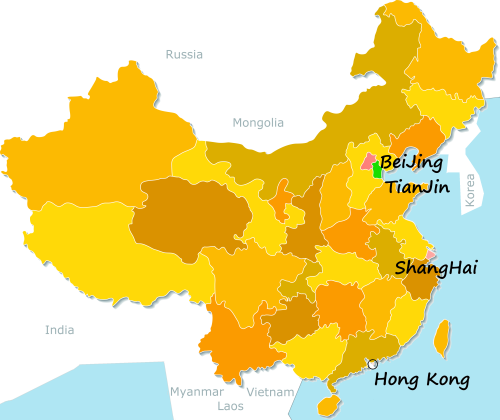

TianJin map

Related Videos


Featured Videos

The awesome XiXi wetland park, HangZhou, ZheJiang province
With Zara Living in Hangzhou ... Welcome to Xixi Wetland Park Experience the Natural Beauty of HangZhou About Xixi Wetland Park Xixi Wetland Park is a national wetland park located in the western part of Hangzhou, Zhejiang Province. Covering an area of approximately 10 square kilometers, Xixi is renowned for its rich ecological resources, scenic landscapes, and profound cultural heritage. The park is a haven for wildlife and offers a peaceful retreat from the bustling city, featuring numerous watercourses, lakes, and traditional houses. Main Attractions Hazy Fisher Village Hazy Fisher Village is a picturesque area within the park that showcases traditional fishing culture. Visitors can explore the village, observe fishing demonstrations, and enjoy the serene environment. Autumn Snow Temple The Autumn Snow Temple is an ancient Buddhist temple situated in the heart of Xixi Wetland Park. The temple, surrounded by beautiful scenery, offers a tranquil spot for meditation and reflection. Boating on the Waterways Boating is one of the most popular activities in Xixi. Visitors can take a leisurely boat ride through the park's intricate network of waterways, enjoying the lush landscapes and diverse wildlife. Traditional Houses Xixi Wetland Park is home to many traditional houses that reflect the architectural style of the region. These houses offer a glimpse into the history and culture of the local people. Activities Bird Watching Xixi Wetland Park is a paradise for bird watchers. The park's diverse habitats attract a wide variety of bird species, making it an ideal spot for bird watching and photography. Photography With its stunning landscapes, traditional architecture, and abundant wildlife, Xixi Wetland Park offers excellent opportunities for photography. Capture the beauty of the wetlands and the charm of the ancient village. Walking and Cycling The park features well-maintained paths that are perfect for walking and cycling. Visitors can explore the park at their own pace, enjoying the fresh air and natural beauty. Seasonal Festivals Xixi Wetland Park hosts various cultural events and festivals throughout the year, such as the Dragon Boat Festival and the Plum Blossom Festival. These events highlight the local culture and traditions. Transport Xixi Wetland Park is easily accessible from various parts of Hangzhou. Here are some ways to get there: By Bus: Multiple bus routes stop near Xixi Wetland Park, including routes 506, 193, and 310. Get off at the Xixi Wetland stop. By Subway: Take Line 5 to Zijingang Road Station, then transfer to a local bus or taxi to reach the park. By Taxi: Taxis are a convenient option, especially if you are traveling with a group or have heavy luggage. Just ask the driver to take you to Xixi Wetland Park (西溪湿地公园).
Hyper-imperialism, with Vijay Prashad
WuHan city night drive, HuBei province
With Walk East ...
The DaMing Buddhist temple, YangZhou, JiangSu province
With China Walking Tour ... The DaMing Temple (大明寺) in YangZhou, JiangSu province, is a renowned Buddhist temple with a rich history dating back over a thousand years. It is one of the key cultural and historical landmarks in YangZhou and holds significant importance in Chinese Buddhist heritage. Here is more information about the DaMing Temple: History and Origins: Establishment: The DaMing Temple was originally built during the Southern Dynasties period in the 5th century AD, making it one of the oldest temples in Jiangsu province. Significance: It was initially established by the ruler of the Liang Dynasty, Emperor Wu, as a center for Buddhist teachings and practices. Architectural Features: Main Hall (Mahavira Hall): The temple's main hall is the Mahavira Hall (大雄宝殿), a grand and majestic structure that enshrines statues of Buddha and other important figures in Buddhism. Pagoda: The temple complex also includes a historic pagoda, known as the Yunyan Pagoda (云岩塔), which is a designated national treasure and an iconic symbol of Yangzhou. Cultural Heritage: Influence: Throughout its history, the DaMing Temple has played a pivotal role in the development of Buddhist culture, attracting scholars, monks, and pilgrims from across China and beyond. Renowned Monks: The temple has been associated with several influential Buddhist monks and scholars, contributing to the spread of Buddhism and the exchange of knowledge. Attractions and Highlights: Yunyan Pagoda: The pagoda within the temple grounds is a must-visit attraction, offering panoramic views of Yangzhou from its upper levels. Historic Artifacts: The DaMing Temple houses various Buddhist artifacts, scriptures, and relics, providing insights into the region's religious and cultural heritage. Modern Significance: Cultural Site: Today, the DaMing Temple remains an active Buddhist temple and a popular destination for tourists, scholars, and pilgrims interested in exploring China's Buddhist traditions. Tourist Destination: Visitors can immerse themselves in the serene atmosphere of the temple complex, admire its architecture, and learn about its historical significance. Location: Address: DaMing Temple, No. 1 Taicheng Road, Hanjiang District, Yangzhou, Jiangsu Province, China. The DaMing Temple in Yangzhou stands as a testament to China's enduring Buddhist legacy and serves as a living link to the region's ancient past. Its blend of architectural beauty, cultural heritage, and spiritual significance makes it a captivating destination for travelers seeking to explore Jiangsu's historical treasures.
A trip to Shangri-la 香格里拉 in YunNan province
Shangri-la (XiāngGéLǐLā) was a semi-fictional paradise depicted in the book 'Lost Horizon' by James Hilton. This town in YunNan province, with a great likeness to the fictional paradise that Hilton depicted, was renamed from ZhongDian to Shangri-la in 2001.
Something Different – jazz vocals (music)
Don't miss it ! Postmodern Jukebox - All About That Bass ... The Speakeasy Three - When I Get Low, I Get High ... The Hot Sardines - Bei Mir Bist Du Schoen ... Pink Martini, featuring Storm Large - Kaj Kola Khan ...
Chillicious – foodie Blondie in China visits BaoJi city, ShaanXi
ChongQing 重庆 drive – day and night
Africa and China – geopolitics – March 2023

Tag search ?