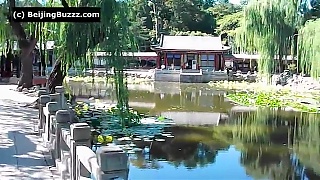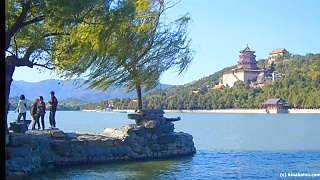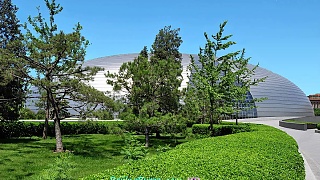
A day in BeiJing 北京

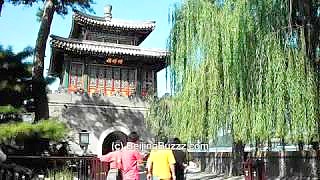
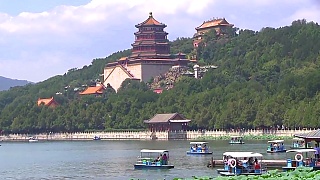
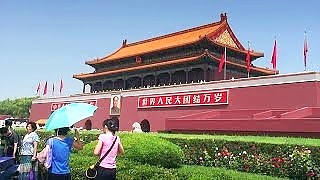
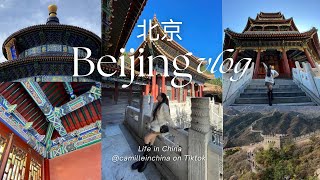
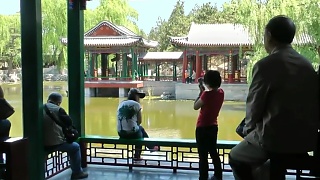
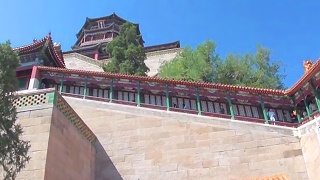
Including the Forbidden City (Palace Museum), BeiHai Park, the Temple of Heaven (TianTan) and the Summer Palace (YiHeYuan) ...

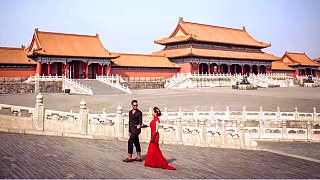
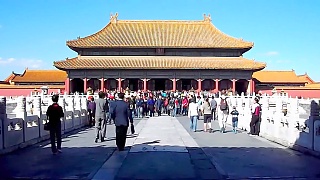
[640],shadow=true,start=64,stop=The Forbidden City, located in the heart of Beijing, China, is one of the most iconic and historically significant attractions in the country. Here's a guide for tourists visiting the Forbidden City:

History and Significance:
Imperial Palace: The Forbidden City served as the imperial palace and political center of China for nearly 500 years, from the Ming Dynasty (13681644) to the end of the Qing Dynasty (16441912). It was home to emperors and their households and served as the ceremonial and political center of Chinese government.

Architecture: The Forbidden City is renowned for its magnificent architectural design, featuring grand halls, pavilions, courtyards, and ceremonial gates. It exemplifies traditional Chinese palace architecture and design principles, with intricate decorations and symbolic elements.

Visiting the Forbidden City:
Layout: The Forbidden City is rectangular in shape and covers an area of about 180 acres. It is surrounded by a large moat and high walls, with four main gates: the Meridian Gate (south), the Gate of Divine Might (north), and the East and West Glorious Gates.

Highlights: Key attractions within the Forbidden City include the Hall of Supreme Harmony, the Hall of Central Harmony, the Hall of Preserving Harmony, the Palace of Heavenly Purity, the Palace of Earthly Tranquility, and the Imperial Garden. Each building has its own unique architectural style and historical significance.

Exhibitions: The Forbidden City houses an extensive collection of artifacts, artwork, and cultural relics from China's imperial past. Visitors can explore exhibitions showcasing imperial treasures, ceremonial objects, calligraphy, paintings, and ancient manuscripts.

Guided Tours: Guided tours are available for visitors who want to learn more about the history, architecture, and cultural significance of the Forbidden City. Audio guides in multiple languages are also available for self-guided tours.

Tips for Tourists:
Tickets and Entry: Tickets to the Forbidden City can be purchased at the entrance gates or online in advance to avoid long queues, especially during peak tourist seasons.

Opening Hours: The Forbidden City is open to visitors every day except Mondays. It is advisable to check the opening hours and plan your visit accordingly.

Comfortable Footwear: The Forbidden City is vast, and exploring its many halls and courtyards involves a fair amount of walking. Wear comfortable footwear and clothing suitable for walking and climbing stairs.

Respect the Rules: Follow the rules and regulations of the Forbidden City, such as no smoking, no littering, and no touching or climbing on the historic structures.

Photography: Photography is permitted in most areas of the Forbidden City, but some sections may have restrictions or require an additional photography permit. Respect any signage and guidelines regarding photography.

Cultural Insights:
Historical Significance: Take the time to learn about the history and significance of the Forbidden City, including its role in Chinese imperial history and its architectural symbolism.

Symbolism and Design: Pay attention to the architectural features, symbolism, and layout of the Forbidden City, which reflect Chinese cosmology, philosophy, and imperial authority.

Imperial Lifestyle: Explore the living quarters, ceremonial halls, and gardens to gain insights into the lifestyle, customs, and rituals of China's imperial rulers and their families.

Visiting the Forbidden City offers a fascinating glimpse into China's imperial past, with its grandeur, history, and cultural heritage preserved for visitors to explore and appreciate.

Beijing, the capital city of China, is a vibrant metropolis steeped in history, culture, and modernity. Here's a brief overview of what you can expect as a tourist in Beijing:

Historical Landmarks:
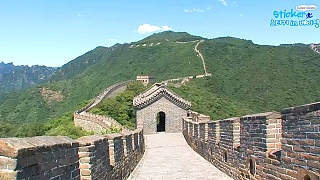
The Great Wall of China: One of the most iconic structures in the world, the Great Wall is easily accessible from Beijing. Mutianyu and Badaling sections are popular among tourists.

Forbidden City (Palace Museum): A UNESCO World Heritage Site, this vast imperial palace complex was home to Chinese emperors for over 500 years. It houses numerous halls, courtyards, and historical artifacts.

Temple of Heaven: A masterpiece of Chinese architecture, this ancient temple complex served as a place of worship for emperors to pray for good harvests.

Summer Palace: A stunning ensemble of lakes, gardens, and palaces, the Summer Palace served as a retreat for emperors during the Qing dynasty.

Tiananmen Square: One of the largest city squares in the world, Tiananmen Square is flanked by important landmarks such as the Monument to the People's Heroes, the Great Hall of the People, and the Mausoleum of Mao Zedong.

Cultural Sites:
Beijing Hutongs: Explore the narrow alleyways and traditional courtyard residences of Beijing's historic neighborhoods. You can take a rickshaw tour or simply wander around on foot.

Beijing Opera: Experience traditional Chinese opera performances at venues like the Liyuan Theater or the Chang'an Grand Theatre.

798 Art District: A hub of contemporary art and culture, this former industrial area is now home to numerous galleries, studios, and cafes.

Modern Attractions:
Olympic Park: Visit iconic structures such as the Bird's Nest (National Stadium) and the Water Cube (National Aquatics Center) from the 2008 Beijing Olympics.

CBD (Central Business District): Marvel at the futuristic skyline of Beijing's modern business district, which includes landmarks like the CCTV Headquarters and the China World Trade Center Tower III.

Culinary Delights:
Peking Duck: Indulge in Beijing's most famous dish, crispy roast duck served with pancakes, scallions, and hoisin sauce.

Street Food: Explore the city's vibrant street food scene and sample local delicacies like jianbing (savory crepes), lamb skewers, and dumplings.

Practical Tips:
Transportation: Beijing has an extensive public transportation system, including the subway, buses, and taxis. However, traffic can be heavy, so plan your travels accordingly.

Language: While English is not widely spoken, especially outside tourist areas, many signs and transportation announcements are in English. It's helpful to carry a translation app or a phrasebook.

Weather: Beijing experiences four distinct seasons, with hot summers and cold winters. The best times to visit are spring (April to June) and autumn (September to October) when the weather is mild and comfortable.

Etiquette: Respect local customs and traditions, such as removing your shoes before entering someone's home and using both hands to pass or receive items.

Beijing offers a rich tapestry of experiences for tourists, blending ancient heritage with modern innovations. Whether you're fascinated by history, culture, or culinary delights, there's something for everyone in this dynamic city.
Related Videos


Featured Videos

QianMen, BeiJing flash mob …
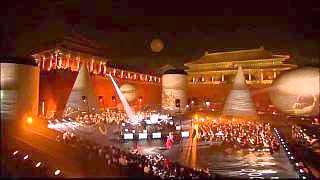
Beautiful music on National Day, October 1st, 2018, in the blue sky city. "I love you, China", 我爱你,中国, Wǒ ài nǐ, ZhōngGuó ... Bonus film - a flash mob dance ...
Relationships not going well – BB’s take – quit early
No video in this post. At BB, we think this is something crucial to well-being and we'll do our best to convey our experience ... The most important point is - don't imagine that you can 'fix' things - at the start, one needs 3 or 4 meetings to relax and know someone - but beyond that, if things are not going well, get out early; one cannot 'fix' incompatibility, and certainly not a narcissist (they kind of know that they are wacko, but will never, ever admit it). 'Love' shouldn't require a lot of work; a bit maybe; but if one senses that it is all 'one way', or not going anywhere, quit. The relationship is very unlikely to get better; it almost certainly will get worse. Doomed. Save yourself years of wasted life. If you don't, expect to become bitter and twisted yourself. At BB, we feel that health is THE foundation to all else, so we do cover health in this regard, although primarily a travel and culture site. Thousand page books are not our thing; we get straight to the point. If you want to delve deeper, consider this - why is a relationship so important to you ? Going beyond 'animal instincts' is beyond many - they never really mature. If the immature instinct is made the 'gold standard', what can one expect ? If one cannot go beyond the animal brain, one is f****d [animal brain lingo]. The thing is, bad relationships that progress to having kids, can produce sad / bad kids (that may have to endure two decades of emotional abuse). And likely to repeat the cycle, and possibly go into politics, etc. - hence, it is very important to not be a part of this. Maybe, romantic 'love' is simply the grand distraction meme that helps keep the elite in power.
ShiJiaZhuang, provincial capital of HeBei
With Seiu Travel ... ShiJiaZhuang visitor guide Overview ShiJiaZhuang, the capital of HeBei province, is a vibrant city known for its rich cultural heritage, modern developments, and scenic surroundings. As a major transportation hub, ShiJiaZhuang is easily accessible and offers a variety of attractions, from historical sites to beautiful parks, making it a great destination for both history enthusiasts and nature lovers. History ShiJiaZhuang's history dates back over a thousand years, with its origins in the Han Dynasty (206 BC–220 AD). The city has grown significantly from a small village into a bustling metropolis. Its historical evolution is reflected in its diverse architecture and cultural sites, which showcase the city's rich past and dynamic present. Main Attractions Hebei Provincial Museum The Hebei Provincial Museum is a must-visit for those interested in the history and culture of the region. The museum houses an extensive collection of artifacts, including ancient pottery, calligraphy, and historical relics that provide insights into the province's past. Zhaozhou Bridge The Zhaozhou Bridge, also known as Anji Bridge, is an ancient stone bridge located in the Zhao County of ShiJiaZhuang. Built during the Sui Dynasty (581–618 AD), it is one of the oldest and best-preserved stone arch bridges in the world. The bridge is an engineering marvel and a testament to ancient Chinese architectural ingenuity. Mount Cangyan Scenic Area The Mount Cangyan Scenic Area is a stunning natural attraction located to the southwest of ShiJiaZhuang. Known for its breathtaking landscapes and historical temples, the area offers hiking trails, beautiful views, and a serene environment. The most famous site here is the suspended temple, Xumi Fushou Temple, built on a cliff. Pilu Temple Pilu Temple, located in the city center, is a significant cultural and religious site. The temple features beautiful architecture, intricate carvings, and tranquil gardens. It is a great place to learn about local religious practices and enjoy a peaceful retreat from the bustling city. Culture and Traditions ShiJiaZhuang is a city with a rich cultural heritage, blending traditional customs with modern influences. The city's cultural scene includes traditional Chinese opera, folk music, and various festivals that celebrate local customs and traditions. Visitors can experience the vibrant culture through performances, exhibitions, and local markets. Activities and Experiences Walking Tours Explore ShiJiaZhuang on foot with guided walking tours that offer insights into the city's history, architecture, and culture. Walking through the city's streets and alleys provides a unique perspective and allows visitors to discover hidden gems and local stories. Shopping for Local Crafts The markets and shops in ShiJiaZhuang offer a variety of traditional crafts and handmade products. Visitors can shop for souvenirs, including pottery, embroidery, and traditional clothing, all crafted by local artisans. These items make for unique and meaningful mementos of your visit. Sampling Local Cuisine ShiJiaZhuang is known for its delicious local cuisine, which reflects the flavors and traditions of HeBei province. Visitors can sample a range of traditional dishes at the city's restaurants and food stalls. Don't miss trying the local specialties, such as donkey burger (驴肉火烧), roasted mutton, and various noodle dishes. Visiting Local Festivals Throughout the year, ShiJiaZhuang hosts various traditional festivals that celebrate local culture and heritage. These festivals feature music, dance, and traditional performances, offering visitors a unique and immersive cultural experience. Check the local event calendar to see if any festivals coincide with your visit. Accommodation ShiJiaZhuang offers a range of accommodation options, including luxury hotels, budget hotels, and guesthouses. Staying in the city center provides convenient access to major attractions and amenities. Whether you're looking for a comfortable hotel or a traditional guesthouse, you'll find a variety of options to suit your needs. Travel Tips Best Time to Visit: The best time to visit ShiJiaZhuang is during spring (April to June) and autumn (September to November) when the weather is pleasant, and the city is less crowded. Getting There: ShiJiaZhuang is a major transportation hub with a well-connected railway network. The city is accessible by train, bus, and car. The nearest airport is ShiJiaZhuang Zhengding International Airport, which offers connections to various domestic and international destinations. Opening Hours: Most attractions in ShiJiaZhuang are open year-round. Specific sites and museums may have their own operating hours. Entrance Fees: There may be entrance fees for certain attractions within the city. It is advisable to check the latest fees before planning your visit. Dress Comfortably: Wear comfortable clothing and sturdy walking shoes, especially if you plan on exploring the city's historical sites and natural attractions. Respect Local Customs: Be respectful of local customs and traditions, especially when visiting temples and cultural sites. Always ask for permission before taking photos of people. Stay Hydrated: Carry water, especially if you plan on exploring the city extensively. It's also a good idea to bring snacks or purchase food from local vendors.
TianJin 天津 Impressions and guide
The coastal city of TianJin is a short high speed rail journey east of Beijing (about 45 minutes) ... The beautiful HaiHe River night cruise ... TianJin city guide ... TianJin in time-lapse ...
Planning war on China – part 17
Just what is the National Endowment for Democracy (NED) - and what is it really up to ? With Brian Berletic and Angelo Giuliano / The New Atlas ... Bonus films : YChina attacked by the New York Times ... BreakThrough News talks with Tings Chak ... The West's (willing) failure to understand China's history - The Geopolitics In Conflict Show talks with Dr. Ken Hammond ... On Google ... On Palestine ... US torture horrors at Guantanamo ... On Africa and China ... On empire / colonialism (and 'world currency') ... On Cuba ... On Ukraine ... On the genocide of native Americans ... On US dystopia ... With Cyrus Janssen ...
2020 – looking back, looking forward, and the NOW …
An unusual video for the new year (it is not about China), but it relates to our by-line - 'live more'. The past can provide wisdom, the future goals to strive for, but don't lose focus on the here and now - it is the true reality so don't miss it. Wishing all the best in life to all our visitors. Do your best to make it happen, whatever your dreams, yet love and live each moment (it might not be one's ideal circumstance, but we can still make the most of it) ...
TaiYuan ancient city walking tour, ShanXi province
With Walk East ... With Seiu Travel ... Visitor Guide to TaiYuan City, ShanXi Province Overview TaiYuan, the capital city of ShanXi Province, is a fascinating blend of ancient history and modern development. Known for its rich cultural heritage, TaiYuan offers visitors a glimpse into China's past while also showcasing its rapid modernization. Getting There By Air: TaiYuan WuSu International Airport (TYN) serves the city with both domestic and international flights. It is located about 15 kilometers from the city center, and you can reach downtown by taxi, airport shuttle, or public bus. By Train: TaiYuan Railway Station and TaiYuan South Railway Station connect the city with major destinations across China, including Beijing, Xi'an, and Shanghai. High-speed trains offer convenient and quick travel options. By Bus: Long-distance buses from nearby cities and provinces also provide access to TaiYuan. The main bus stations in TaiYuan are TaiYuan Long-Distance Bus Station and TaiYuan West Bus Station. Getting Around Public Transport: TaiYuan has an extensive public bus network and a developing metro system, making it easy to navigate the city. Taxis: Taxis are readily available and relatively inexpensive. Ride-hailing apps like DiDi are also widely used. Biking: Bike-sharing services are popular and provide a convenient way to explore the city at your own pace. Main Attractions JinCi Temple JinCi Temple, located about 25 kilometers southwest of TaiYuan, is a historic site with beautiful architecture, ancient trees, and intricate carvings. The temple, dating back over 1,400 years, is dedicated to the worship of Prince Shuyu of the Zhou Dynasty. ShanXi Museum ShanXi Museum, one of China's most important museums, offers a comprehensive look at the history and culture of ShanXi Province. The museum's exhibits include ancient relics, artifacts from the Silk Road, and displays on ShanXi's rich coal mining history. TaiYuan Ancient City Wall The TaiYuan Ancient City Wall is a significant historical landmark that reflects the city's ancient military architecture. Portions of the wall have been restored, and visitors can walk along it to enjoy panoramic views of the city. Fenhe Park Fenhe Park, situated along the Fen River, is a large urban park offering beautiful landscapes, walking paths, and recreational facilities. It's a great place to relax, enjoy nature, and experience the local lifestyle. Twin Pagoda Temple The Twin Pagoda Temple, also known as Yongzuo Temple, features two impressive pagodas dating back to the Ming Dynasty. The temple is a serene spot with beautiful gardens and ancient architecture. Local Cuisine TaiYuan offers a variety of local and regional dishes. Here are some must-try foods: ShanXi Sliced Noodles (DaoXiaoMian): A famous local dish made with hand-sliced noodles, usually served with a savory broth and various toppings. Vinegar Culture: ShanXi is known for its aged vinegar, which is a staple in many local dishes. Be sure to try dishes that highlight this unique flavor. ShanXi Meat Patties (RouJiaMo): Often referred to as the "Chinese hamburger," these meat-filled buns are a delicious and popular street food. Fenhe River Fish: Fresh fish from the Fen River, prepared in a variety of ways, is a local specialty. Shopping Liuxiang Pedestrian Street: A bustling shopping area offering a mix of traditional and modern shops, local snacks, and souvenirs. Chongshan Monastery Market: A market near Chongshan Monastery where you can find local handicrafts, antiques, and traditional ShanXi products. Coal Museum of China: The museum shop offers unique souvenirs related to ShanXi's coal mining history. Accommodation Luxury Hotels: TaiYuan has several high-end hotels offering excellent amenities and services, such as the Kempinski Hotel TaiYuan and the Shanxi Grand Hotel. Mid-Range Hotels: There are numerous mid-range options providing comfortable accommodations at reasonable prices, including international chains like Holiday Inn and local boutique hotels. Budget Accommodations: Budget travelers can find affordable guesthouses, hostels, and budget hotels throughout the city. Historical Background of TaiYuan TaiYuan, with a history spanning over 2,500 years, has been a significant political, economic, and cultural center in northern China. Founded during the Spring and Autumn period, the city has witnessed numerous historical events and developments. During the Tang Dynasty, TaiYuan was a strategic military base and the hometown of the Tang emperors. The city played a crucial role in various dynastic changes and military campaigns. In modern times, TaiYuan has developed into an industrial powerhouse, particularly known for its coal mining and steel production. Despite its industrialization, the city has preserved many of its historical and cultural sites, offering a rich tapestry of the ancient and modern. Tips for Visitors Best Time to Visit: The best times to visit TaiYuan are spring (April to June) and autumn (September to November) when the weather is mild and pleasant. Clothing: Wear comfortable walking shoes and dress in layers to accommodate changing temperatures. Bring a hat and sunscreen if you plan to spend time outdoors. Respect Local Customs: Be respectful of local customs and traditions, especially when visiting religious and cultural sites. Language: While Mandarin is widely spoken, learning a few basic phrases or using a translation app can be very helpful. Plan Your Visit: TaiYuan offers a mix of historical and modern attractions. Plan your visit to include both cultural sites and modern amenities to get a complete experience. Conclusion TaiYuan, with its rich historical heritage and vibrant modern culture, offers a unique and diverse travel experience. From ancient temples and city walls to modern parks and shopping streets, TaiYuan provides a fascinating journey through time. Whether you're exploring its historical landmarks, enjoying local cuisine, or experiencing the city's contemporary side, TaiYuan is a destination that promises a memorable visit. Plan your trip carefully to make the most of your time in this dynamic capital of ShanXi Province.
Planning war on China – part 19
'An Outrage' : House passes largest military budget in generations - with Democracy Now / William Hartung ... Preparing you for war - with The New Atlas ... On the phony 'Uyghur Tribunal', with The New Atlas ... On the China - Laos high speed railway ... On the new national highway in Cambodia ... Is Russia really planning a war in Ukraine - or is Washington? - with The Grayzone and Scott Ritter ... With YChina ... With Martin Jacques talking with Jie Qiong ... On 'Russian aggression' ... On Nicaragua ... China 2021 review - with Pascal Coppens ... With Martin Jacques ... The critical need for independent media - with Glenn Greenwald ... 'Who rules America? The dangerous concentration of power and wealth in the American elite', with George Domhoff (and this is from the late sixties); the reality behind 'democracy'. Don't miss it ...
The US tries to undermine ASEAN
With The New Atlas - Angelo Giuliano with Brian Berletic - the latest geo-politics ... Bonus film - Daniel Dumbrill in conversation with Danny Haiphong ... Western media is merely propaganda - with The Grayzone ... A rationale for subjugation - of those abroad, and you at home.

Tag search ?